San Girolamo: A Baroque Church and Former Convent in Venice
Site at a Glance
- Popularity
- Medium
- Country
- Italy
- Primary era
- Early Modern
- Eras represented
- Medieval, Early Modern
- Civilizations
- Venetian
- Site type
- Religious
- Remains
- Church
On this page10 sections
History
San Girolamo is a Catholic church in the Cannaregio district of Venice, Italy, dedicated to Saint Jerome. Founded as an Augustinian convent in 1375, it was later rebuilt as an Italian Baroque church, consecrated in 1751. The community’s history includes repeated relocation and rebuilding, followed by the church’s conversion to industrial use and its return to worship.
From Treviso to Venice
An Augustinian community, whose nuns followed the religious rule associated with Saint Augustine, had formed near Treviso around 1340. The nuns were also associated with Santa Maria degli Angeli on Murano after leaving Treviso. In 1364, during Venice’s war with Louis I of Hungary, abbess Bernarda and several nuns fled to Venice and first lodged in a house near San Vidal.
Giovanni Contarini, a member of Venice’s hereditary governing elite, acquired houses and land for the community in the parish of San Marcuola. The ground had been intended as a cemetery for the parish’s poorest residents. Bishop Bartolommeo of Canea on Crete and Paolo Foscari, bishop of Castello, helped establish the women as a convent under a formal religious rule, with a church. The convent was founded in 1375.
The nuns elected their abbesses, while the bishop of Castello retained the right to install them formally. Each year, they gave him an amphora of wine, incense, and two oranges. Bernarda Dotto was the first abbess and served until her death in 1382. Girolama Lero succeeded her and held the office until 1395.
Growth, relocation, and rebuilding
Alms from the neighborhood and indulgences granted by Pope Martin V in 1418 and Pope Eugenius IV in 1424 helped finance a church. In Catholic teaching, an indulgence remits temporal punishment for sins whose guilt has already been forgiven. The convent buildings were completed in 1425.
On 4 January 1436, Eugenius IV transferred to the nuns the dilapidated, vacant priory of Sant’Andrea Apostolo, formerly occupied by clergy living under a religious rule. They moved there on 27 January. A devastating fire struck the convent in 1456. The Venetian Senate granted the community 1,000 ducats to relieve its hardship, and the buildings were subsequently rebuilt and enlarged.
Monastery rights and the church of 1751
In the mid-sixteenth century, six nuns from the island monastery of Sant’Adriano di Costanziaco joined San Girolamo, bringing that monastery’s rights and revenues. In 1549, Pope Paul III confirmed the existing rights and ordered Sant’Adriano, in the Diocese of Torcello, to be attached to San Girolamo. He also directed that Sant’Adriano’s old chapel be restored and served by a priest, as was the chapel of Sant’Angelo di Zampenigo, formerly linked to a monastery on Torcello.
Because Sant’Adriano had become uninhabitable, a dispensation transferred the rights of both destroyed monasteries to the altar of Sant’Angelo di Zampenigo. Relics from San Girolamo were transferred there too, but a fire destroyed them on 29 September 1705. After these losses, a new church was built for the remaining nuns. It was consecrated on 15 June 1751, and a hospice was established alongside it.
Suppression, industrial use, and restoration
During the Napoleonic suppression of religious institutions, the church and convent were put to other uses from 1807, and the church furnishings were auctioned. Between 1840 and 1885, the church served industrial purposes, first as a steam-powered mill and later for glucose production.
The church was restored and returned to worship in 1952. It remains a Catholic church dedicated to Saint Jerome and belongs to the Patriarchate of Venice, the Catholic jurisdiction headed by Venice’s patriarch.
Remains
The church and former convent
Church
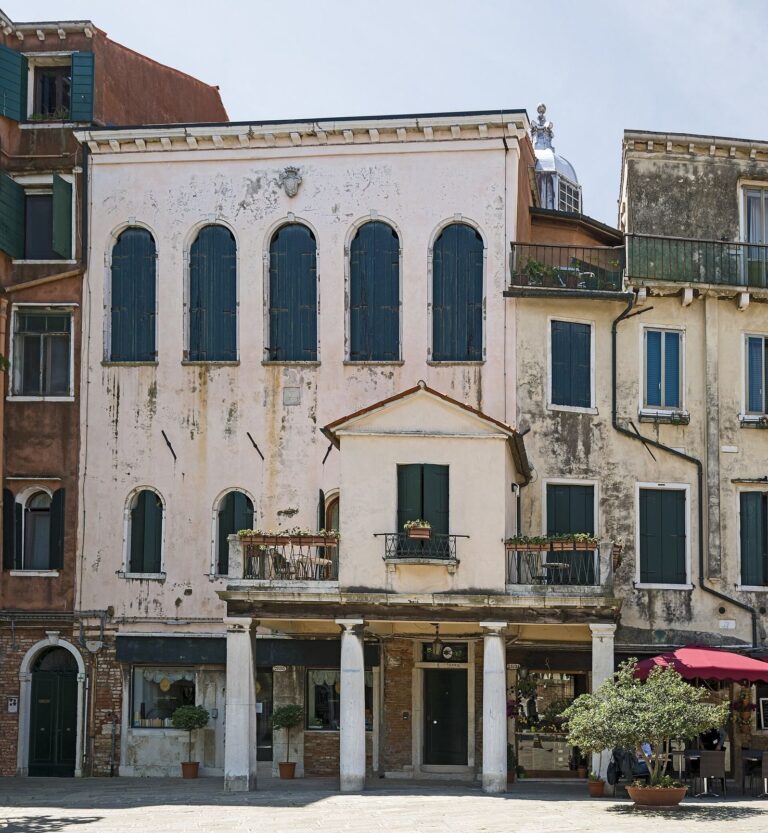
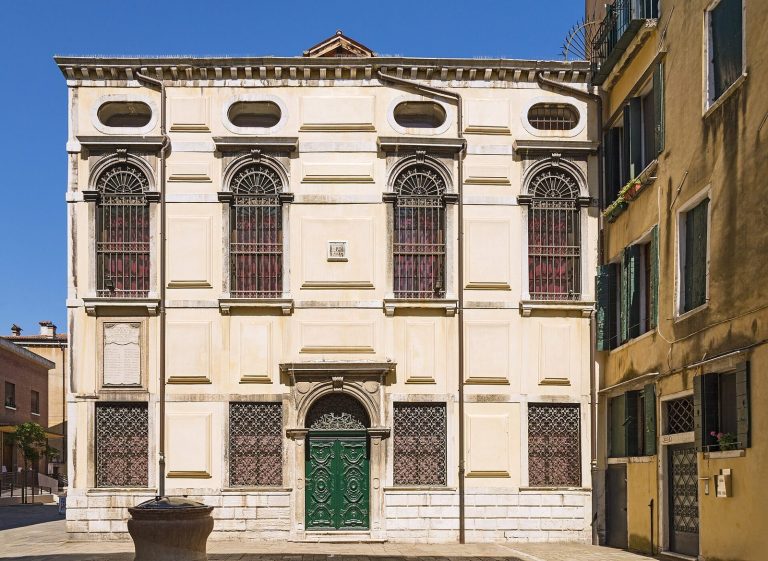
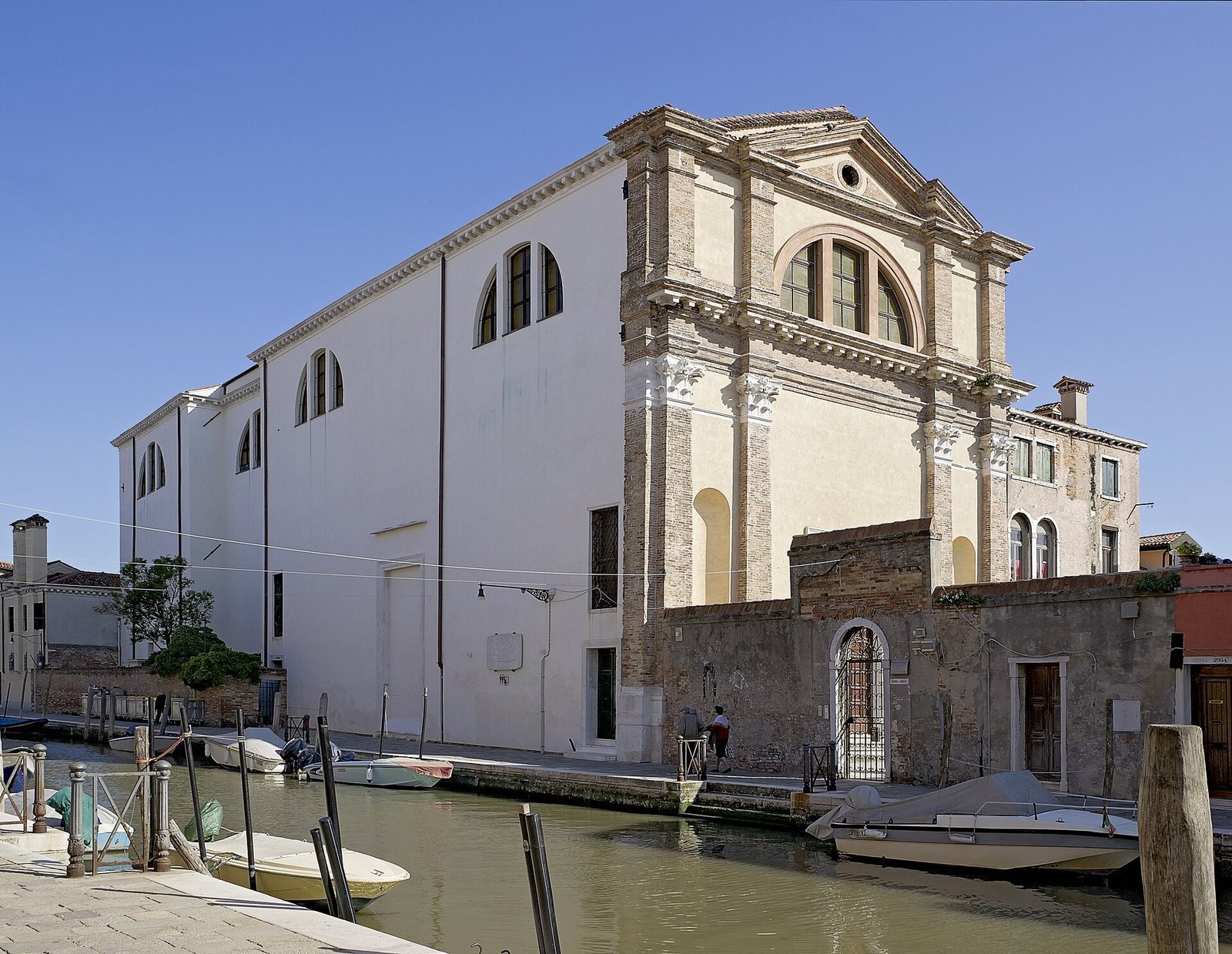
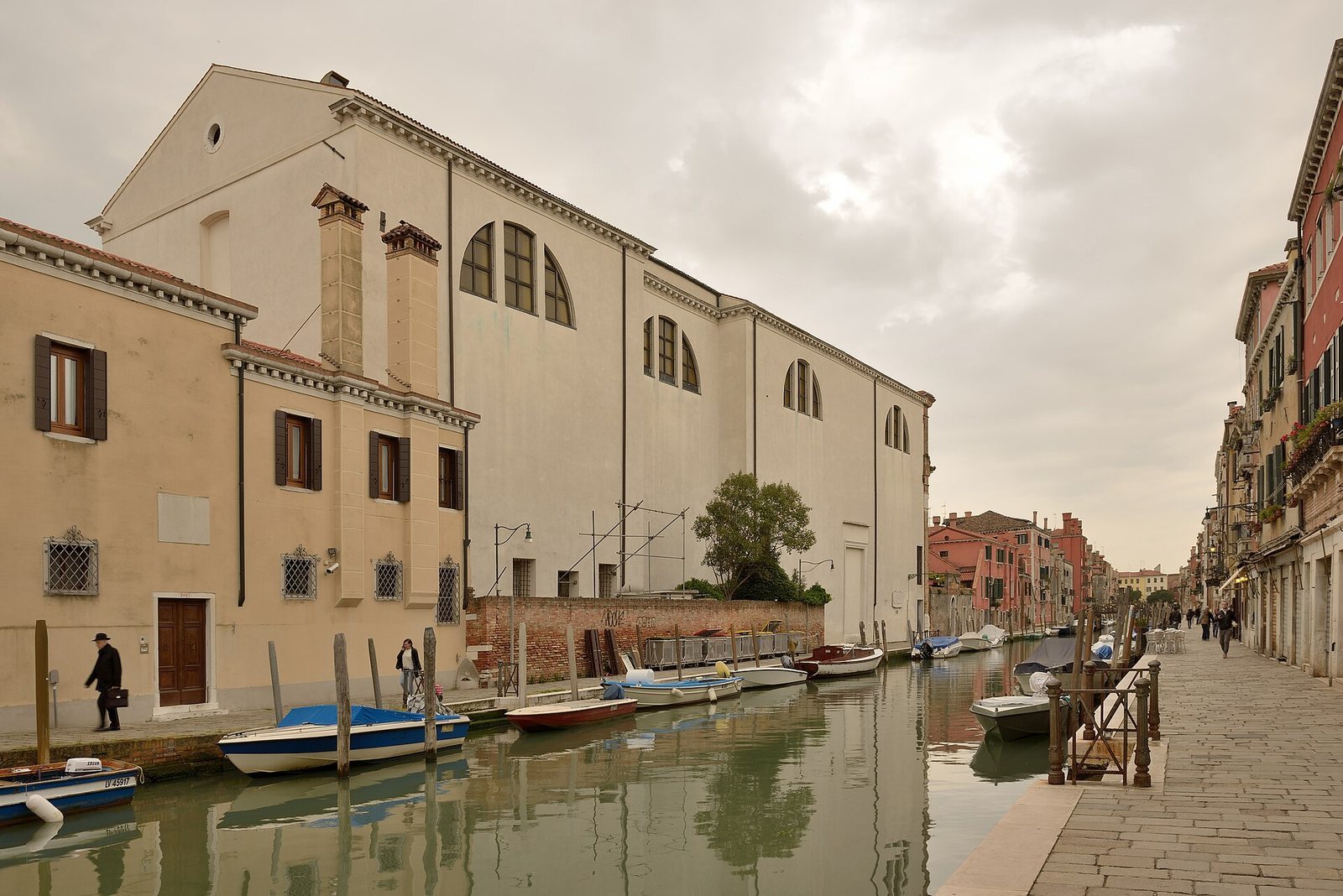
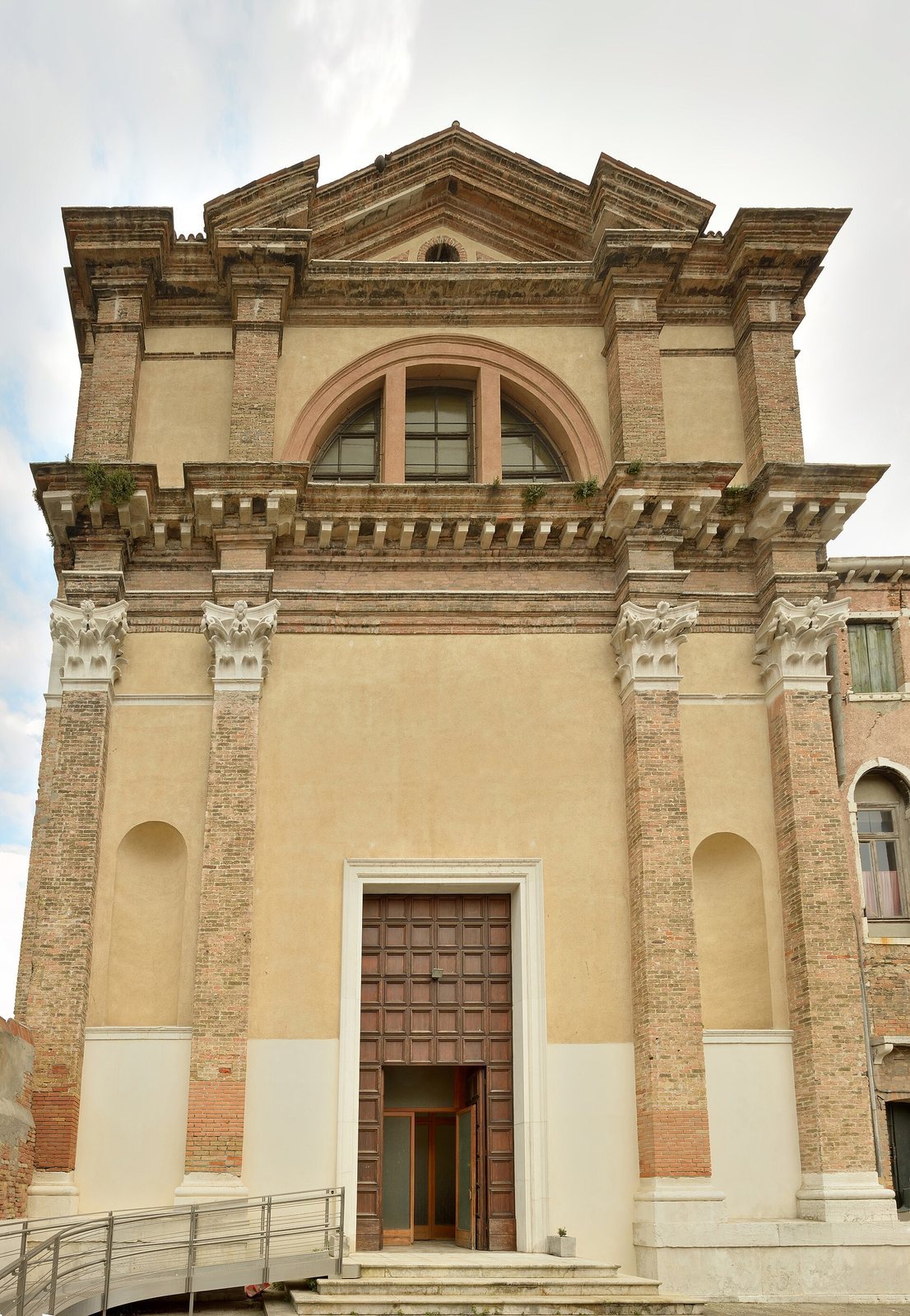
The church and former convent stand in northern Cannaregio. The church faces north toward the Rio San Girolamo and the walkway beside the canal. The church of Cappuccine lies immediately northwest of the complex, on the canal’s north side. The present church is in the Italian Baroque style and was designed by Domenico Rossi. Francesco Zugno created its interior decoration.
A painting of Saint Jerome by Palma il Giovane hangs on the church’s right-hand wall. The church is also the burial place of Blessed Peter of Pisa (1355–1435), founder of the Congregation of the Poor Hermits of Saint Jerome.
Convent
The convent’s accommodation comprised 18 cells for 40 nuns by 1425. At times, as many as three nuns shared a cell.
Bell tower
The former bell tower stood 49 metres high. During the site’s industrial conversion, it was used as a chimney. It was later demolished because it was at risk of collapse.