Răciula Monastery: A Women’s Monastery in Moldova
Site at a Glance
- Popularity
- Medium
- Country
- Moldova
- Primary era
- Early Modern
- Eras represented
- Early Modern
- Civilizations
- Russian
- Site type
- Religious
- Remains
- Monastery
On this page10 sections
History
Răciula Monastery is a women’s monastery in central Moldova. Priests Andrei and Ioan Roșca founded it in the late eighteenth century on land owned by Lupu Stratan. It began as a male skete, or small monastic community, led by the monk-priest Irinei. Its idiorrhythmic rule allowed monks some individual organization alongside shared religious observances. The first church, dedicated to the Nativity of the Mother of God, dates to about 1800.
From male skete to women’s monastery
In 1811, the closure of the Mana skete near Curchi Monastery brought nuns from Mana to Răciula, which became a women’s monastery. Anisia was its first abbess, the head of a women’s monastery. Later abbesses oversaw the development of separate churches for worship in winter and summer. Romanian-language services began in the monastery’s churches in 1854, during Olga’s tenure. In 1878, the community opened a primary school for orphaned girls from clerical families and girls from poor local families.
Renaming and closure
On 3 August 1938, a council of abbots and abbesses from the Chișinău Diocese, a regional church jurisdiction, voted to rename the monastery in honor of Lady Oltea, the mother of Stephen III the Great, a fifteenth-century ruler of Moldavia. The monastery kept this name until after World War II.
On 2 July 1959, Soviet authorities closed the monastery after ten days of violent resistance by its nuns and local supporters, including people from neighboring villages. About 500 armed militiamen and soldiers were sent there. Simion David was killed; Ilarion Mocreac, Dionisie Danița, and Gheorghe Porcari were seriously injured, and eight people received prison sentences of varying lengths.
At the time of closure, the community had 230 members: 98 nuns and 132 sisters. Thirty left for relatives, while those who stayed were compelled to work on a local collective farm, a jointly operated agricultural enterprise associated with Soviet rural administration. The farm took over 35 hectares of land, the orchard and vineyard, buildings, and livestock. The monastery’s church treasury was burned at Călărași Hill. The summer church was first used for weddings and celebrations connected with baptisms, then as a farm storehouse; the winter church became a cultural center.
Restoration and renewed monastic life
Monastic life resumed in 1989 under Eustafia (Rotar), who led the restoration of the winter church with help from nuns and local residents. The monastery was officially re-registered in 1990, when its community numbered more than 70. The summer church was consecrated in 1994. Răciula is affiliated with the Ungheni and Nisporeni Diocese, a regional jurisdiction of the Russian Orthodox Church, an Eastern Orthodox church.
Remains
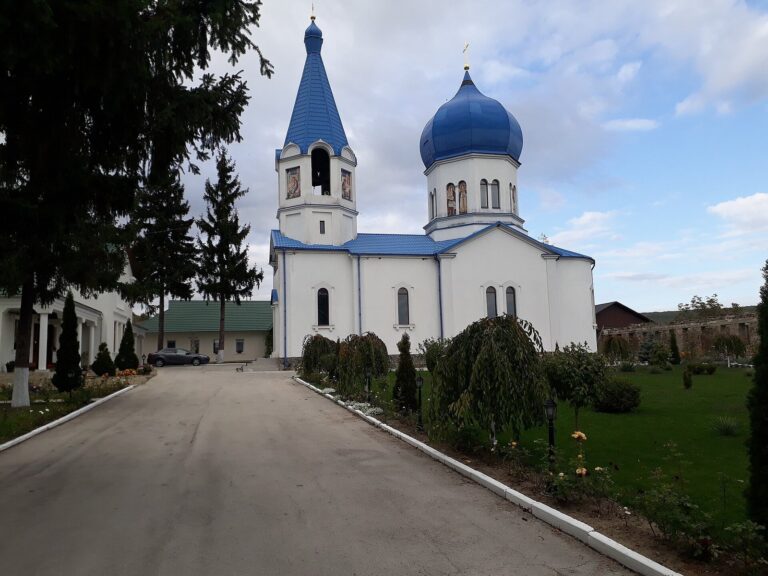
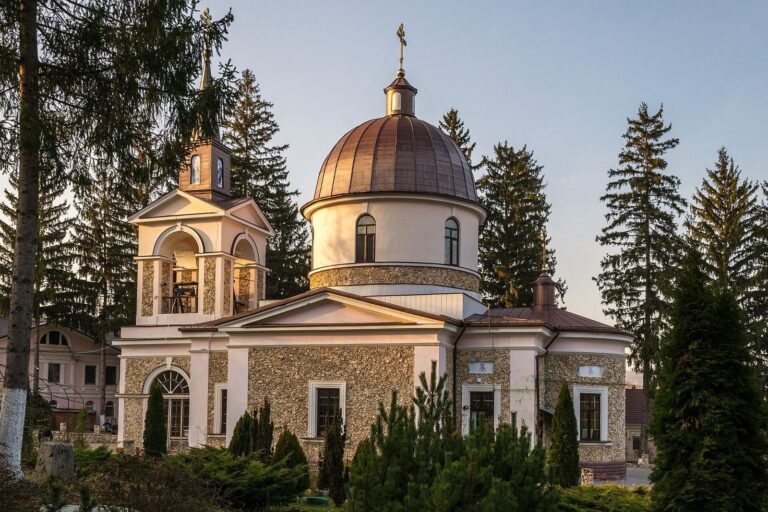
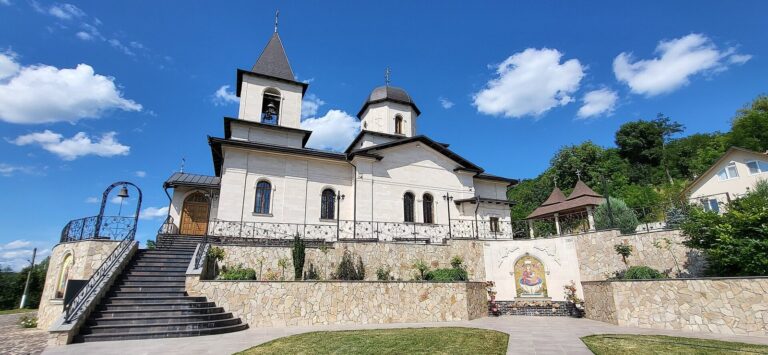
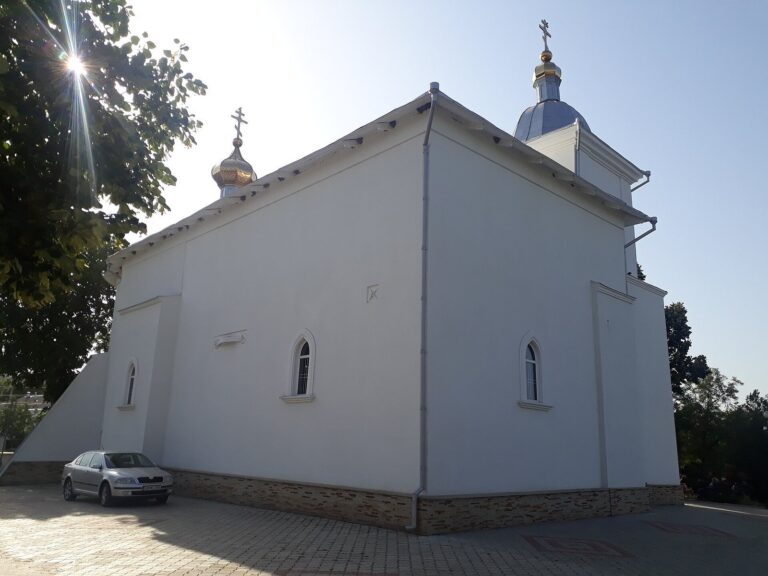
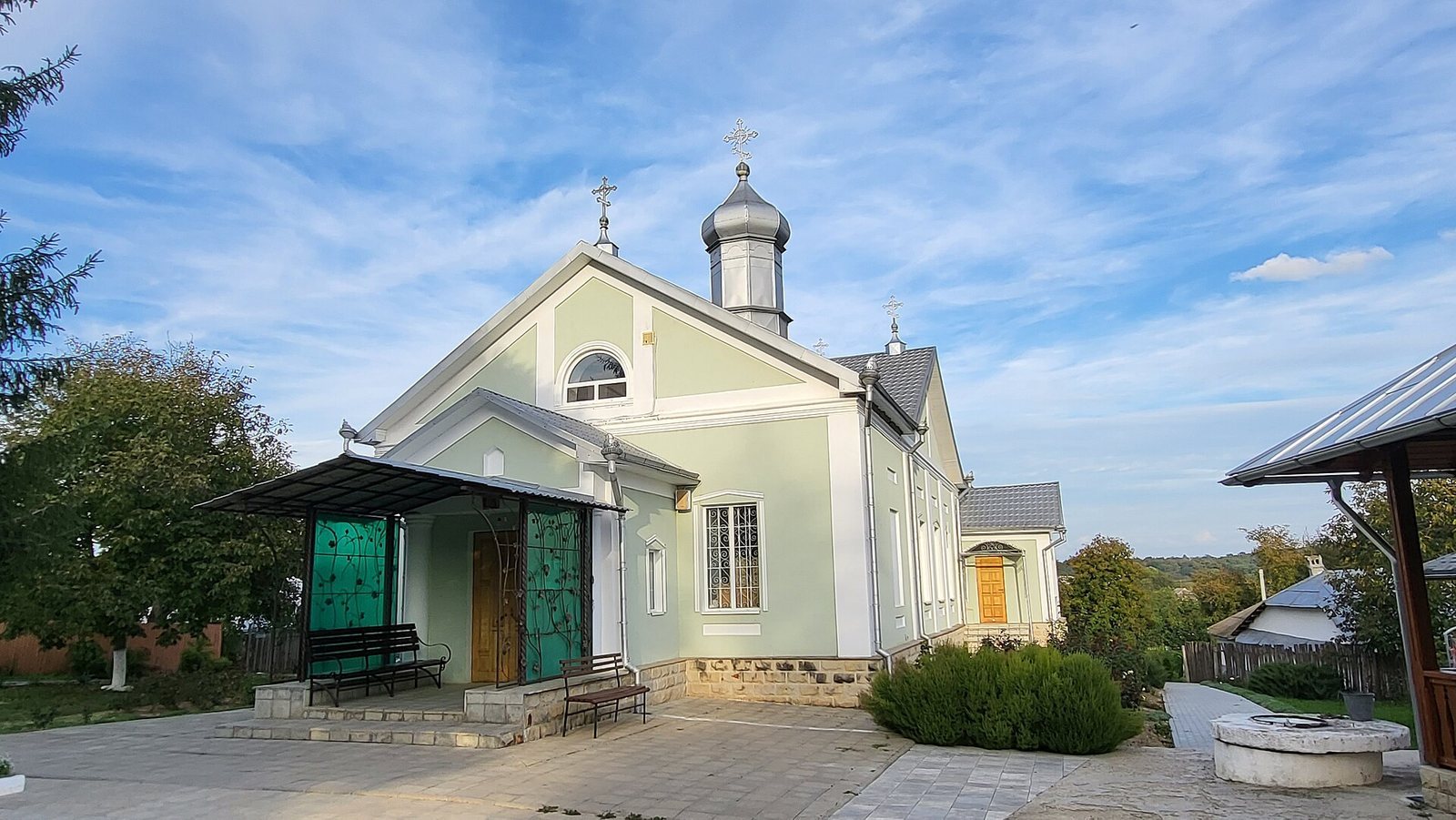
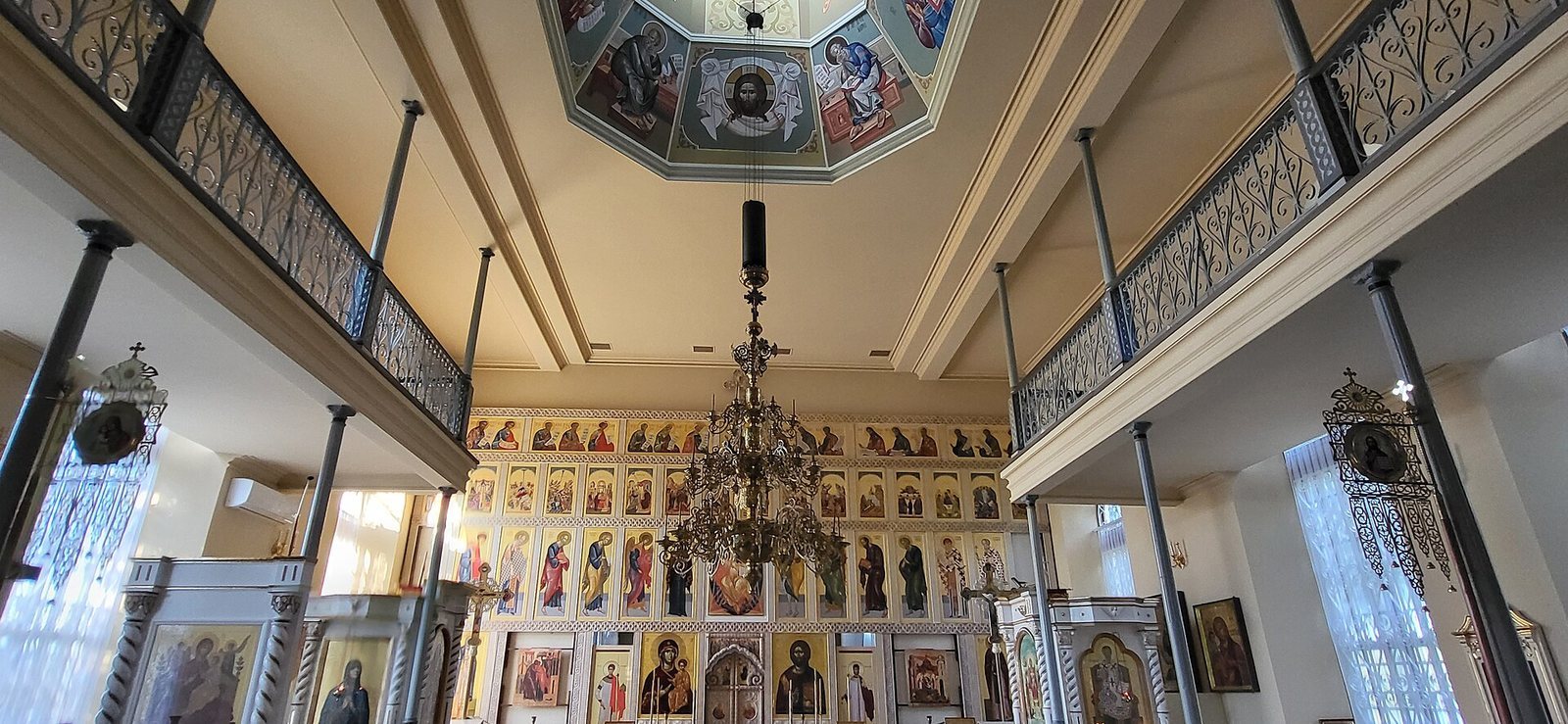
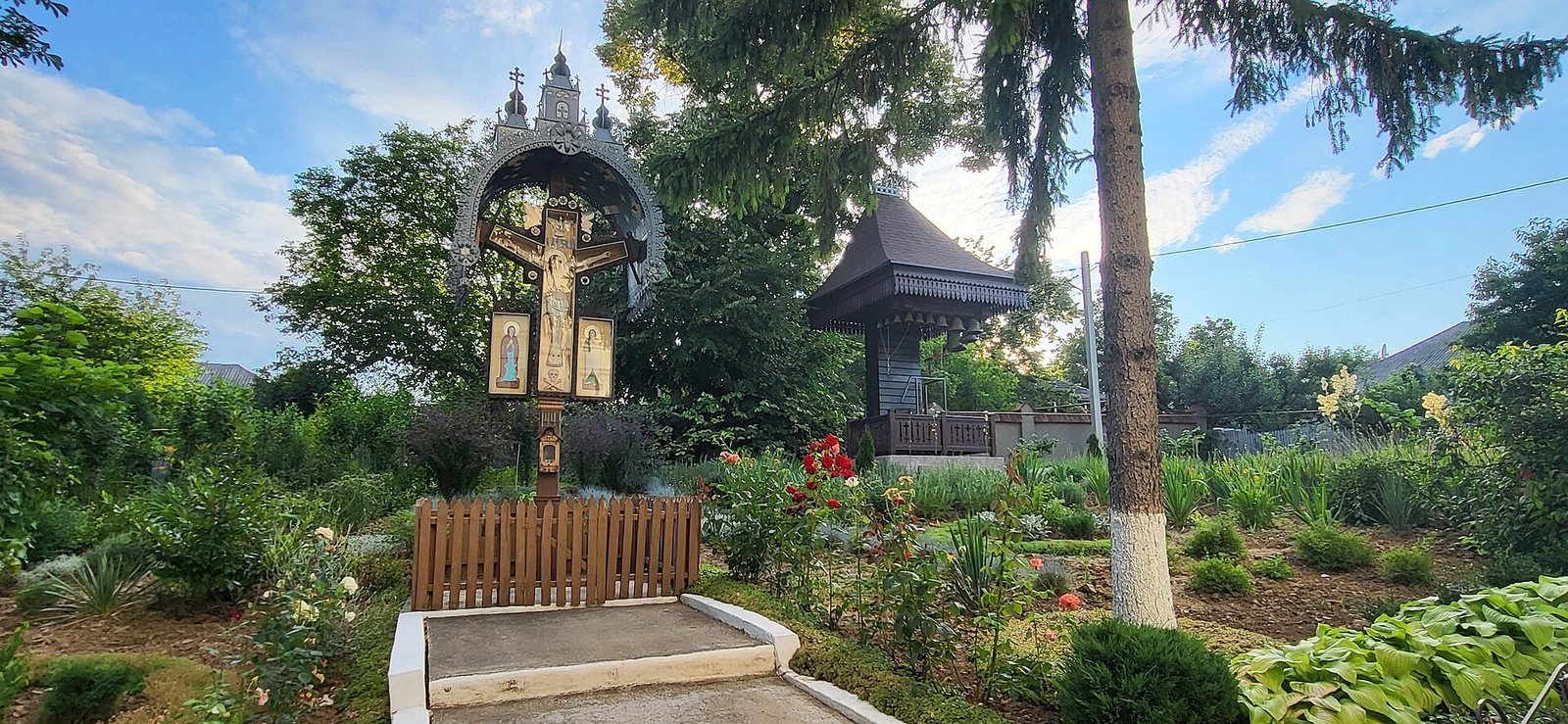
Two churches survive at the monastery, one intended for summer worship and the other for winter. The property at the time of the 1959 closure also included residential, communal, and agricultural buildings.
Churches
Summer church
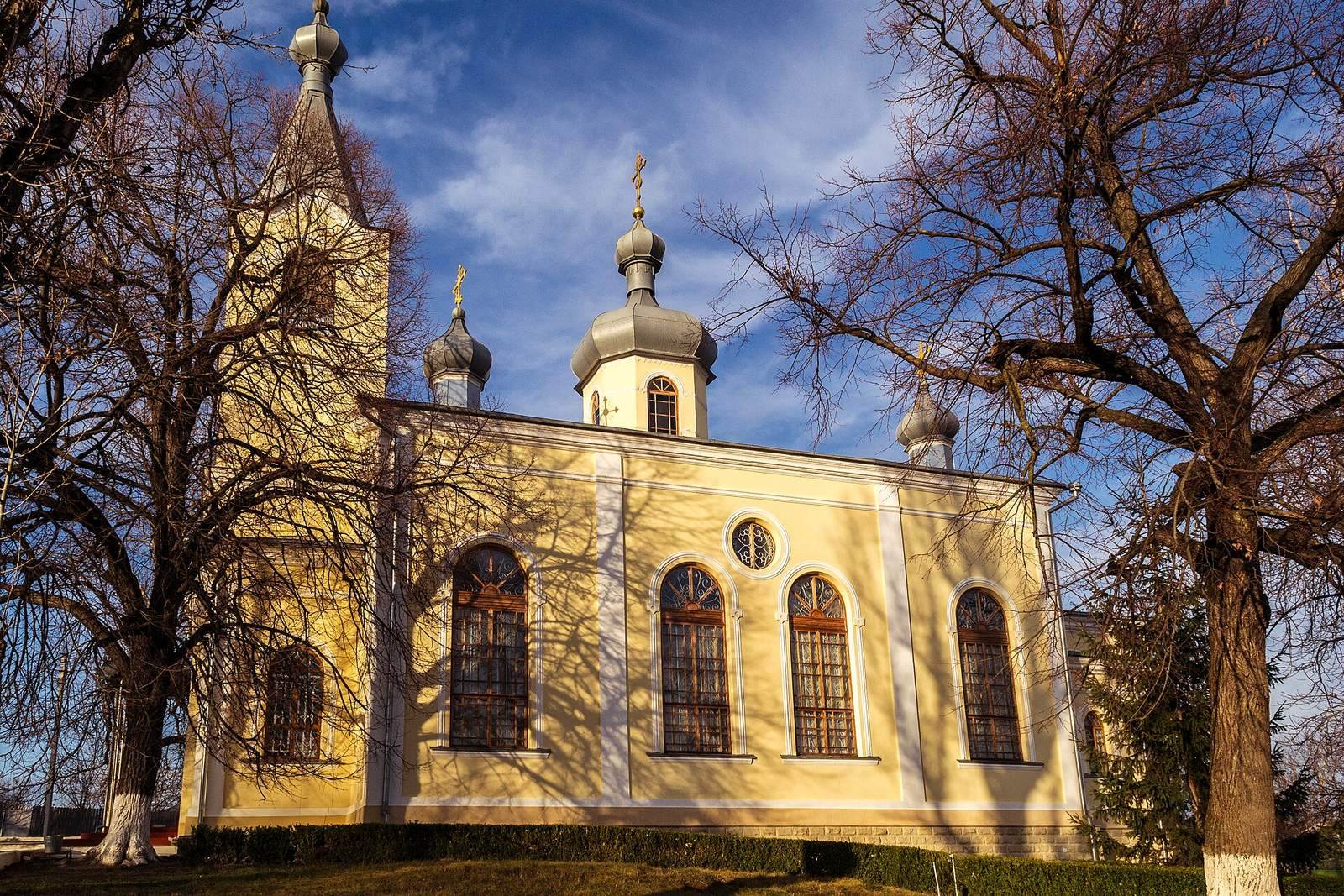
The stone summer church, dedicated to the Nativity of the Mother of God, was built at a new location in 1845 and rebuilt between 1907 and 1910. It has a zinc-sheet roof. During the 1959 closure, a tractor was used to pull down its tower. The church survives today.
Winter church
A wooden winter church dedicated to Saint Nicholas was built in 1822. It was replaced by a new church at a different site between 1855 and 1860, and the Saint Nicholas church was renovated in 1880. The winter church survives today.
Altar tables
Altar tables from earlier church buildings have also been preserved. The monastery’s nuns and sisters care for them.
Other monastery buildings
The property at the time of closure comprised two houses, a building for the monastic cells, an abbess’s residence, a dining hall, three auxiliary buildings, and five stables.