Vărzărești Monastery: An Orthodox Convent of Nuns
Site at a Glance
- Popularity
- Low
- Country
- Moldova
- Primary era
- Modern
- Eras represented
- Modern
- Civilizations
- Russian
- Site type
- Religious
- Remains
- Monastery
On this page9 sections
History
Medieval records and seventeenth-century raids
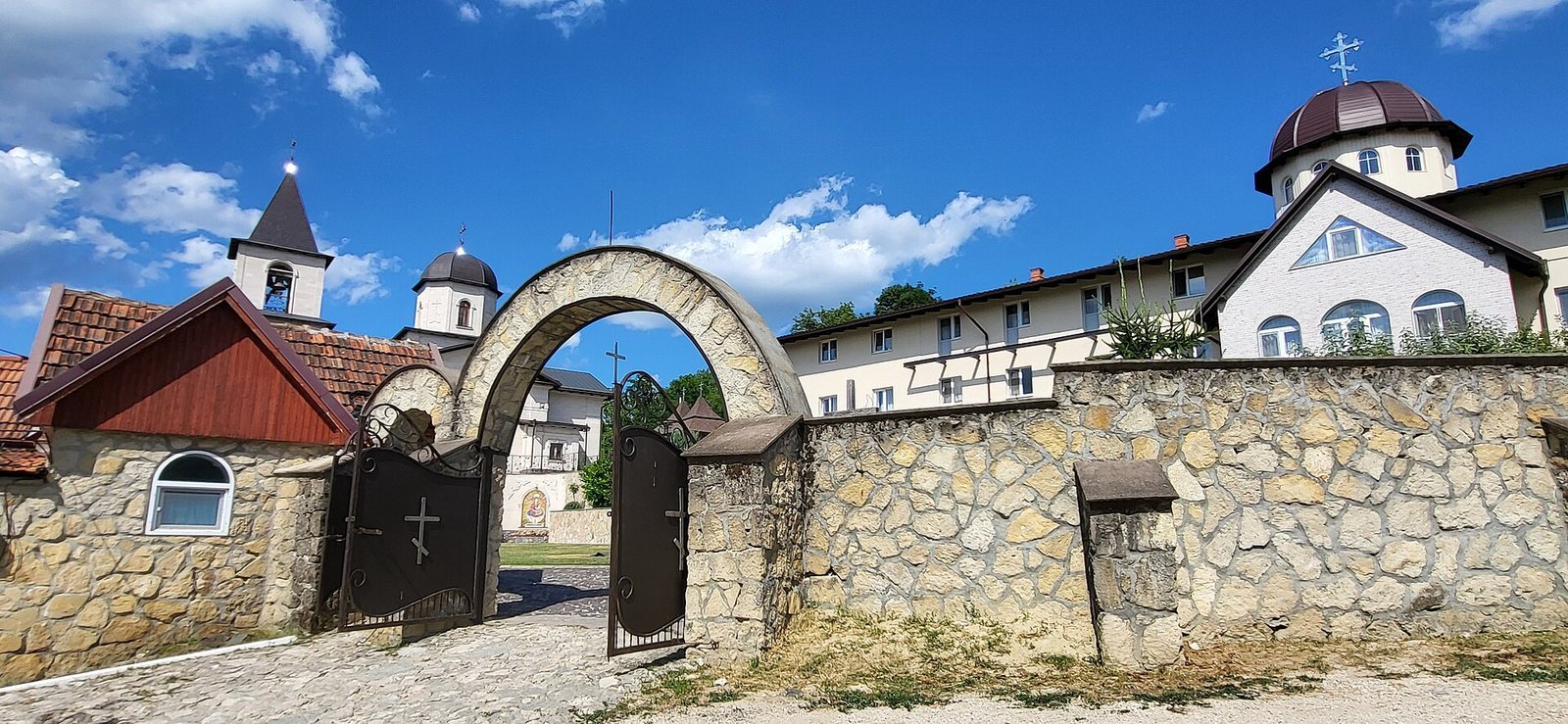
Vărzărești Monastery is a convent of nuns in Moldova, affiliated with the Diocese of Ungheni and Nisporeni of the Russian Orthodox Church. Its earliest known mention is in a charter issued on 25 April 1420 by Alexander the Good, ruler of the medieval principality of Moldavia. The charter transferred land previously held by the monastery to a boyar, a member of the Moldavian aristocracy, and named another boyar as its founder-patron.
During the seventeenth century, Tatars and Turks repeatedly raided and devastated the monastery. In 1770, a man who had taken the monastic name Varlaam and his son restored it. The Vărzărești skete, a small monastic community, was led by Varlaam, a hieromonk, or monk ordained as a priest. Its brotherhood also revived the nearby Ginkul Monastery of St Paraskeva.
From skete to women’s monastery
In the early 1810s, the Vărzărești skete had an archimandrite, a senior monastic cleric, and one other monk. It became a women’s monastery in 1815, when nuns from Kosouci Monastery moved there under the leadership of a nun. In 1840, an icon, a sacred image used in Eastern Christian devotion, of the Mother of God, the title for Mary, mother of Jesus, arrived from Rudian Skete. It later became known as the Vărzărești icon. Rudian Skete joined the monastery in 1846.
Growth, closure, and revival
The monastery held 190 desiatinas of land in 1903. A desiatina was a historical land-area measure used in the Russian Empire and neighboring regions. By 1908 its holdings included 206 desiatinas of land and 47 desiatinas of forest. That year the community comprised 28 nuns and 52 novices; in 1917 it included 40 nuns and 67 novices. Its resident population reached 135 in 1918.
Authorities closed the monastery in 1959. The summer church became a warehouse and the winter church a club. The monastery was revived in 1990, and 28 residents were recorded there in April 2005.
Remains
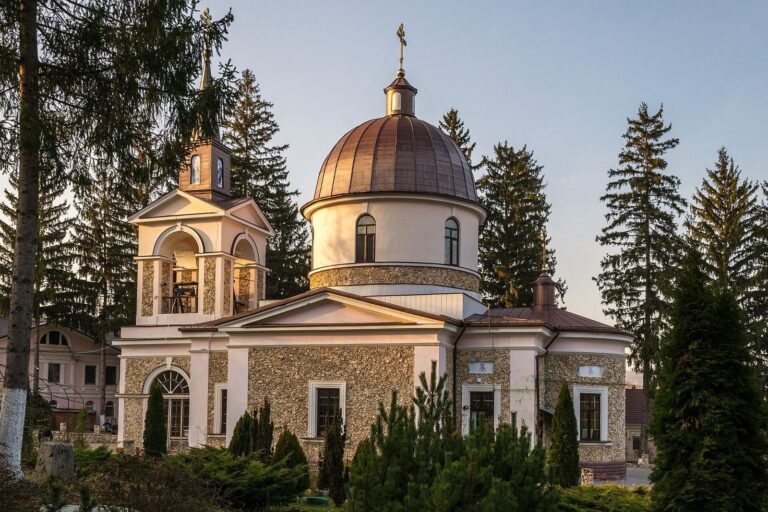
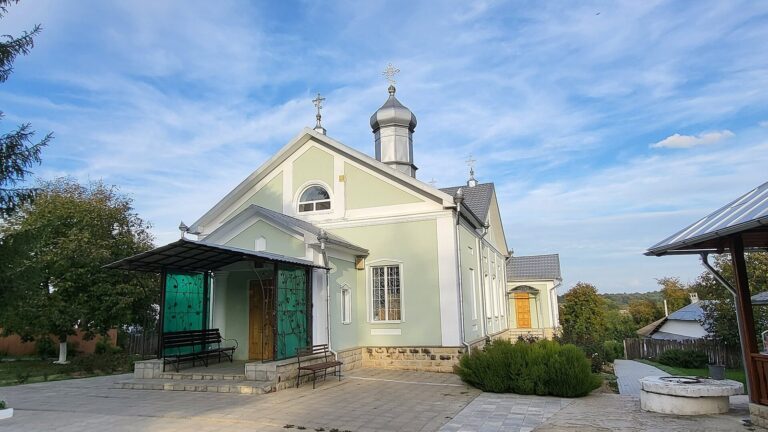
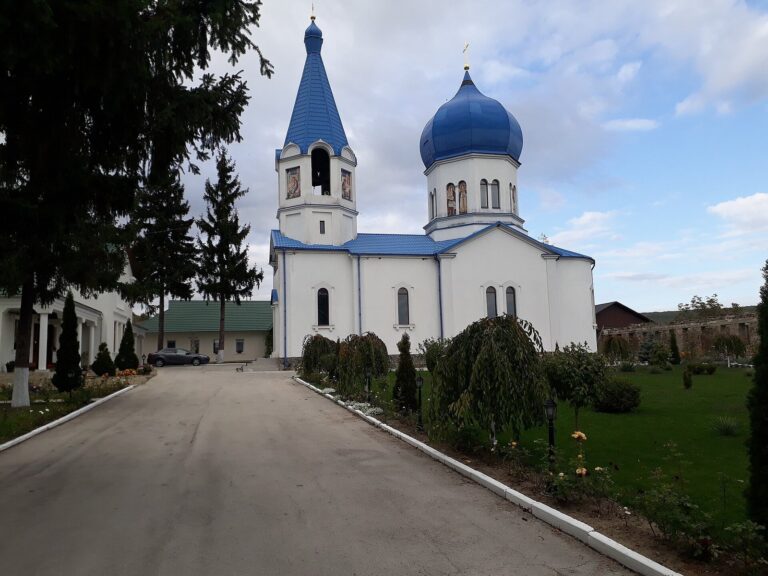
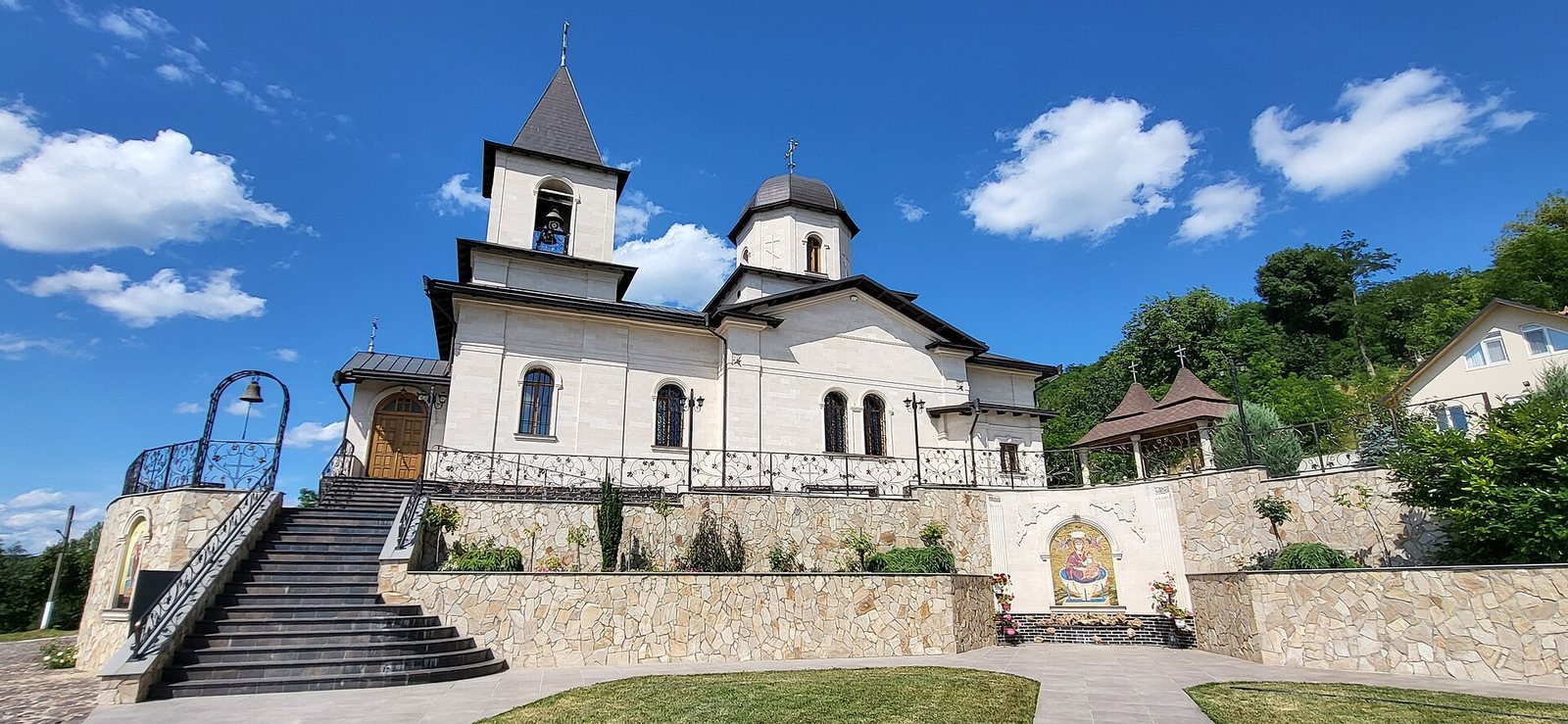
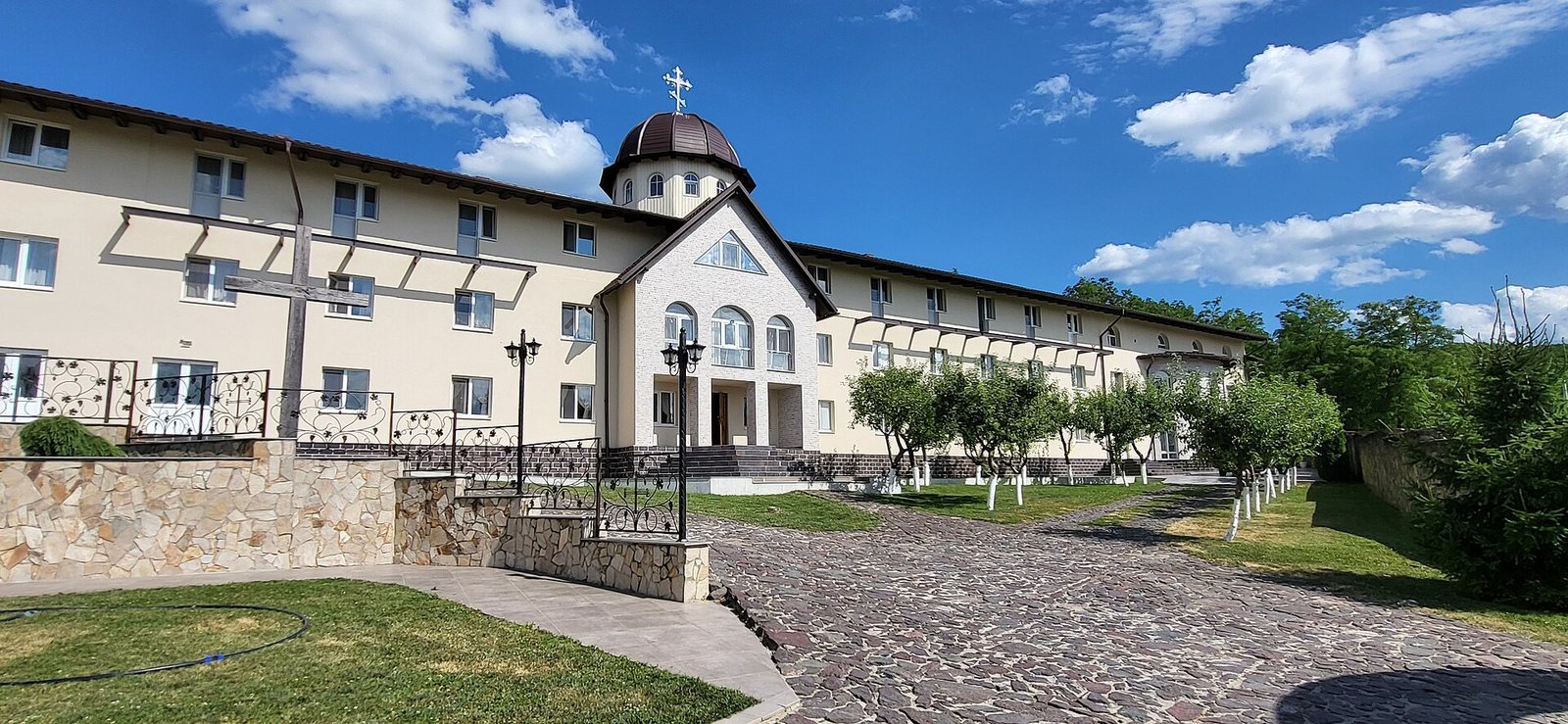
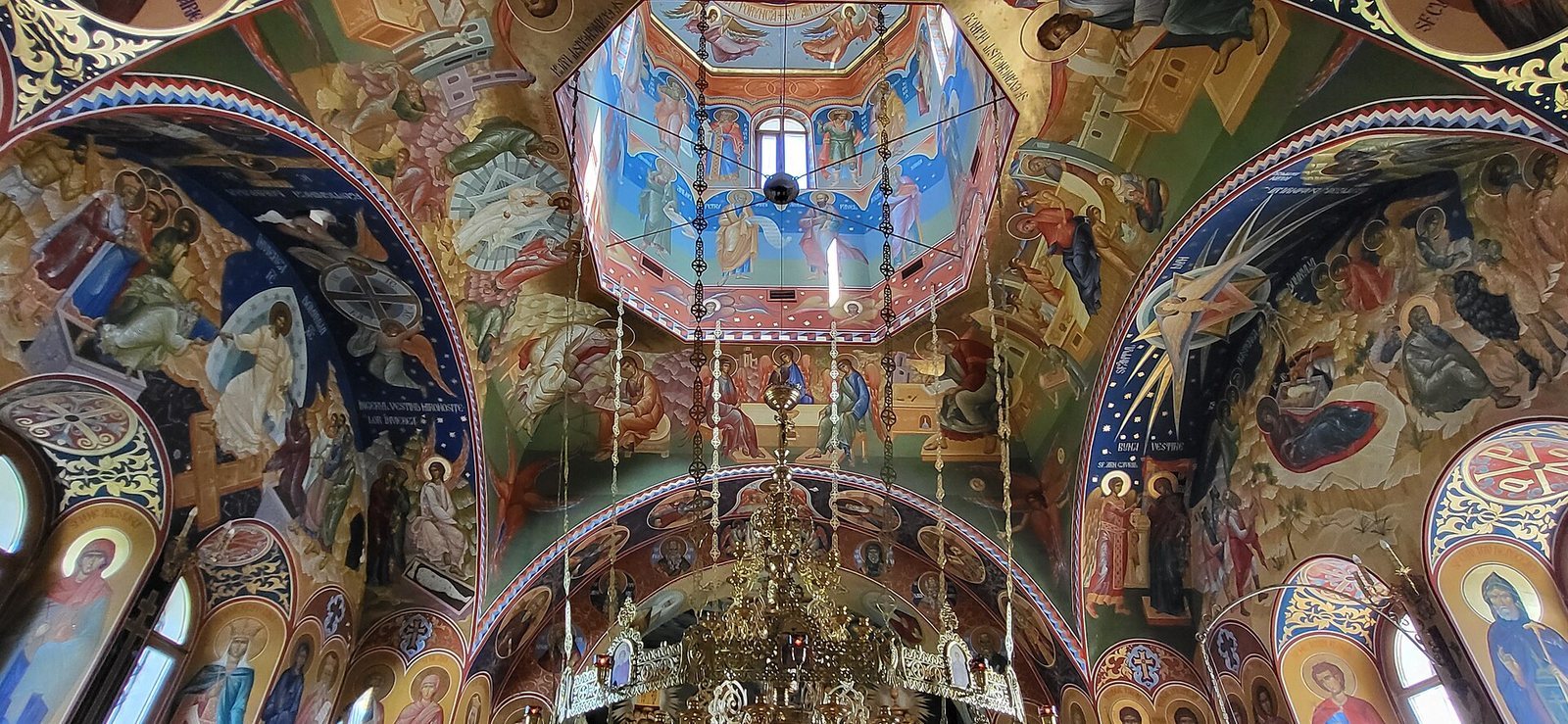
The monastery’s church buildings include a stone cathedral and separate winter and summer churches. Their dedications and seasonal roles distinguish the buildings described here.
Churches
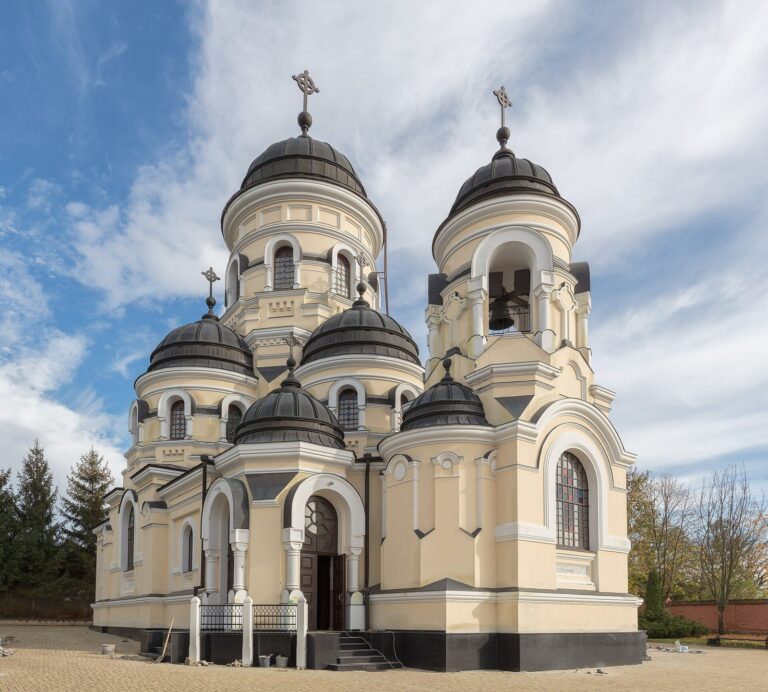
St Demetrius Cathedral
The stone St Demetrius Cathedral was built in 1863. It is dedicated to St Demetrius, a Christian martyr venerated in Eastern Orthodox Christianity.
Winter church of the Nativity of the Mother of God
Built in 1868, the winter church is dedicated to the Nativity of the Mother of God, the Eastern Christian title for Mary’s birth.
Summer church
A summer church is also part of the monastery’s church group.