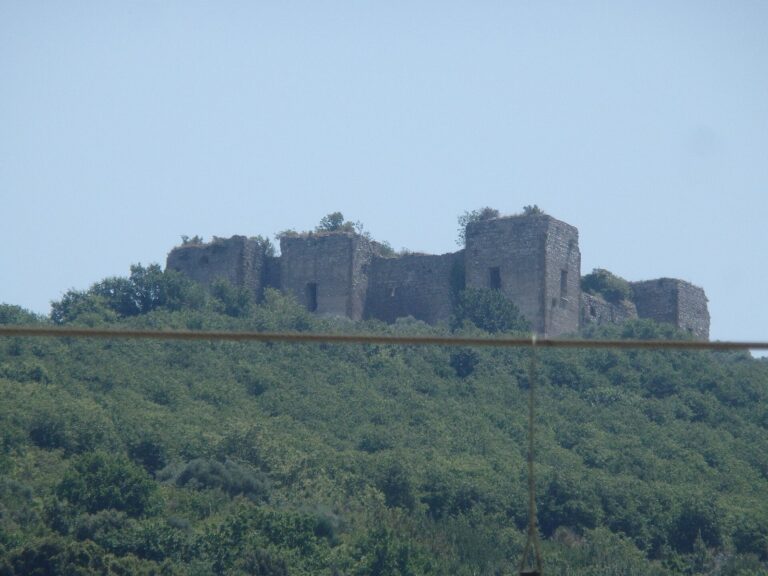
Sanctuary of Our Lady of Abundance: A Marian Shrine in Marzano di Nola, Italy
Site at a Glance
- Popularity
- Very Low
- Country
- Italy
- Primary era
- Medieval
- Eras represented
- Medieval, Modern
- Civilizations
- Kingdom of Naples, Kingdom of the Two Sicilies
- Site type
- Religious
- Remains
- Sanctuary
On this page11 sections
History
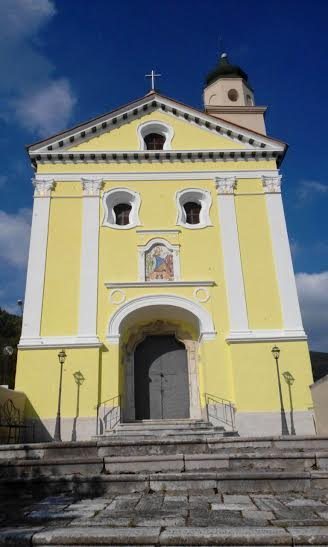
The Sanctuary of Our Lady of Abundance is a Catholic shrine dedicated to Mary in Marzano di Nola, Italy. Its stone portal bears the date 1453, when the building was probably a small chapel that was enlarged later.
The confraternity and papal recognition
On 7 December 1604, Pope Clement VIII affiliated the local congregation with the Archconfraternity of the Most Holy Name of Mary at Trajan’s Column in Rome. A confraternity is a Catholic association formed for devotional purposes. The affiliation brought indulgences and privileges. Pope Innocent XI reaffirmed these in 1688, and Pope Innocent XIII issued a further written confirmation in 1721. Early members included people from prominent families in Marzano di Nola and the wider Nola district.
Veneration and continuing observances
In 1773, Bishop Filippo Lopez of Nola presented the sanctuary to the Vatican as a large, old, and splendid church. He also described its image of Mary as deeply revered by local people and visitors. The congregation then numbered more than 280 members. On 29 July 1778, the Madonna’s image was crowned at the diocesan seat in Nola with gold crowns donated by Pope Pius VI.
A serious fire struck the sanctuary on 16 February 1830. Its annual celebrations follow a tradition dating from the nineteenth century, and the feast is held on the final Sunday of July. Devotion includes forty days of preparation and a novena, nine days of prayer. A painting of the Madonna is taken from the sanctuary to the town square for display. A statue is carried to the parish church, processed through the streets, and returned to the sanctuary; it is adorned with gold at dawn on the feast Sunday.
Remains
Setting and approach
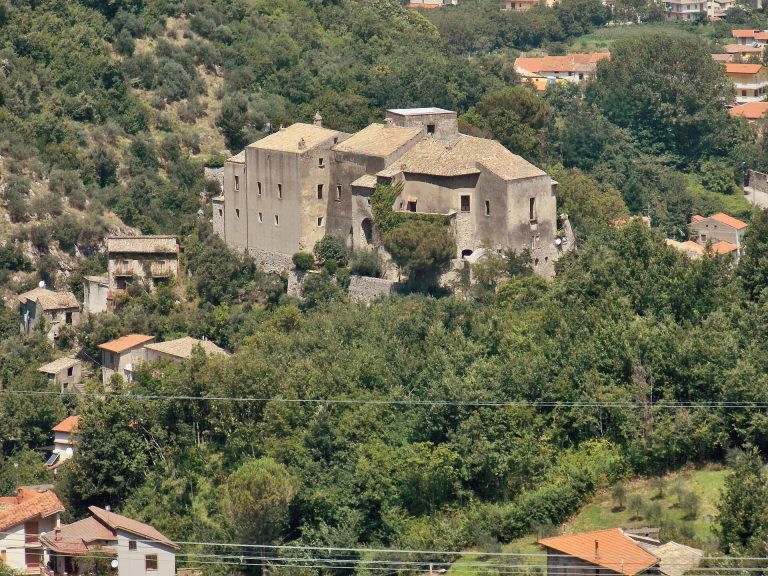
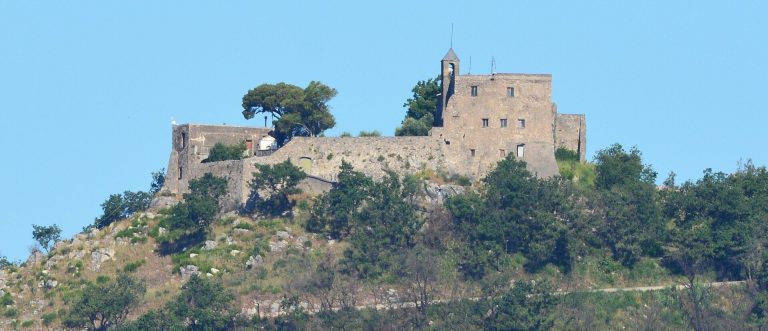
The sanctuary stands on a rocky outcrop. A broad staircase with two flights leads up to its simple façade, while a terrace provides access to the building. From the terrace, views extend to Mount Vesuvius, the Bay of Naples, Capri, and the towns around Vesuvius.
Interior and furnishings
Nave and wall paintings
The nave, the main body of the church, has stucco decoration and canvases from different periods. Wooden congregation stalls line its walls, with paintings above them illustrating events from Mary’s life. An elevated canvas shows the Virgin Mary with angels and members of the congregation. Four canvases on the left, each measuring 260 by 200 cm, depict the Annunciation, the Presentation of Mary in the Temple, the Immaculate Conception, and the Assumption. Paintings on the right show the Nativity of Mary, the Presentation of Jesus in the Temple, the Visitation to Saint Elizabeth, and the Marriage of the Virgin.
Presbytery and apse
The presbytery, the area around the altar, contains depictions of the Adoration of the Magi, the shepherds’ visit, and the Madonna. In the apse, the area at the end of the church, a small shrine dated 1818 holds a statue of Our Lady of Abundance.
Floor and associated spaces
Maiolica flooring
Maiolica, a tin-glazed earthenware used for tiles, covers the entire floor; the tiles predate the nineteenth century. A central rosette in the nave depicts a wind rose. Two more rosettes are set in the presbytery and apse, with the latter bearing the Madonna’s emblem.
Sacristy and funerary caves
The sacristy, a room for clergy to prepare for services and keep liturgical objects, preserves numerous paintings and historic ex-votos. These are offerings made to fulfill a vow or express gratitude for a favor. Historic funerary caves are now used as a museum.