San Domenico: A Baroque Church in Castiglione del Lago
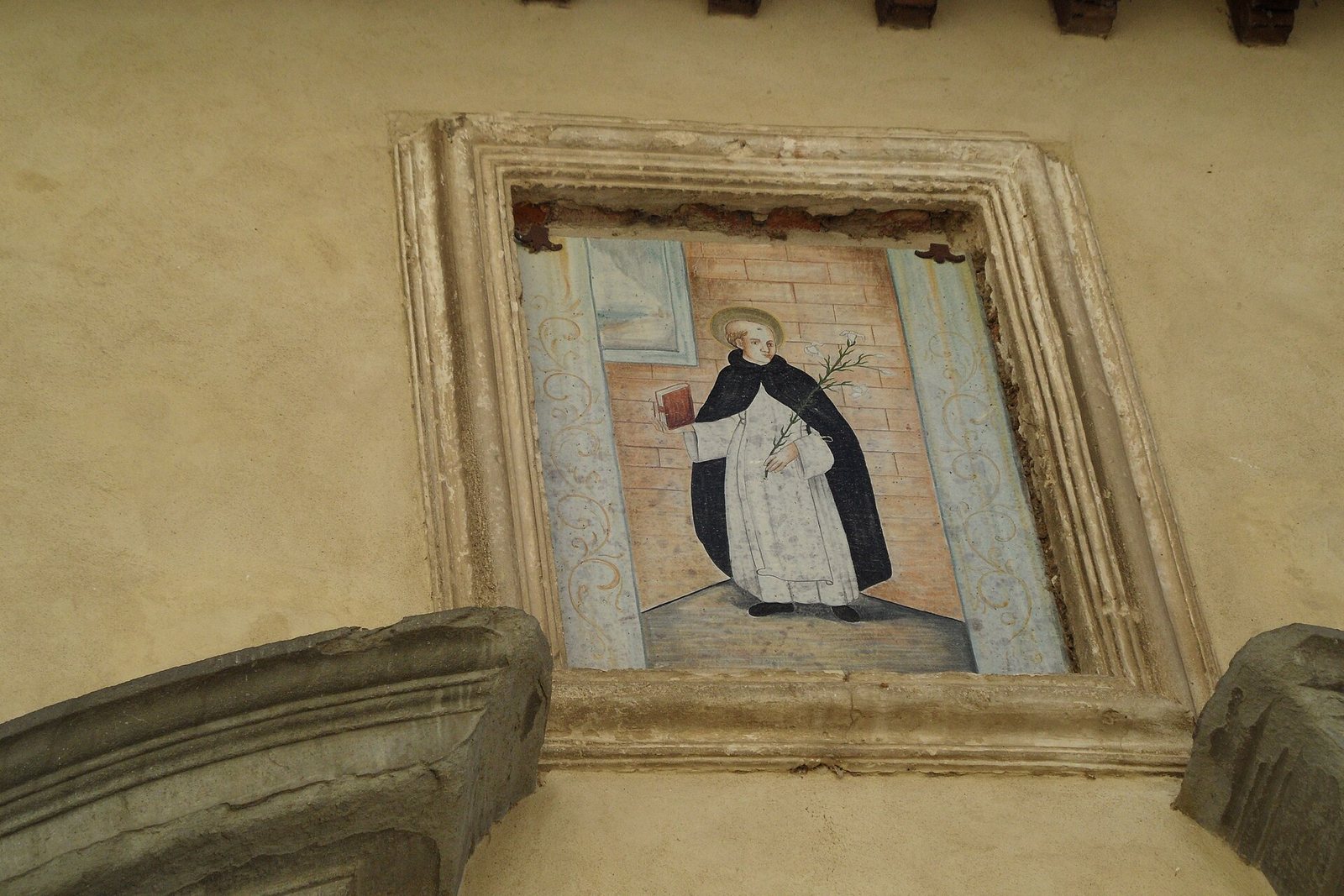
Site at a Glance
- Popularity
- Low
- Country
- Italy
- Primary era
- Early Modern
- Eras represented
- Early Modern
- Civilizations
- Papal States
- Site type
- Religious
- Remains
- Church
On this page9 sections
History
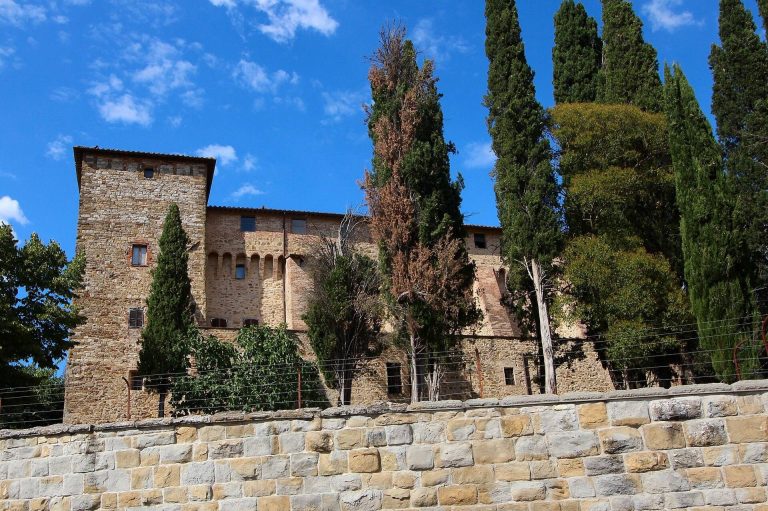
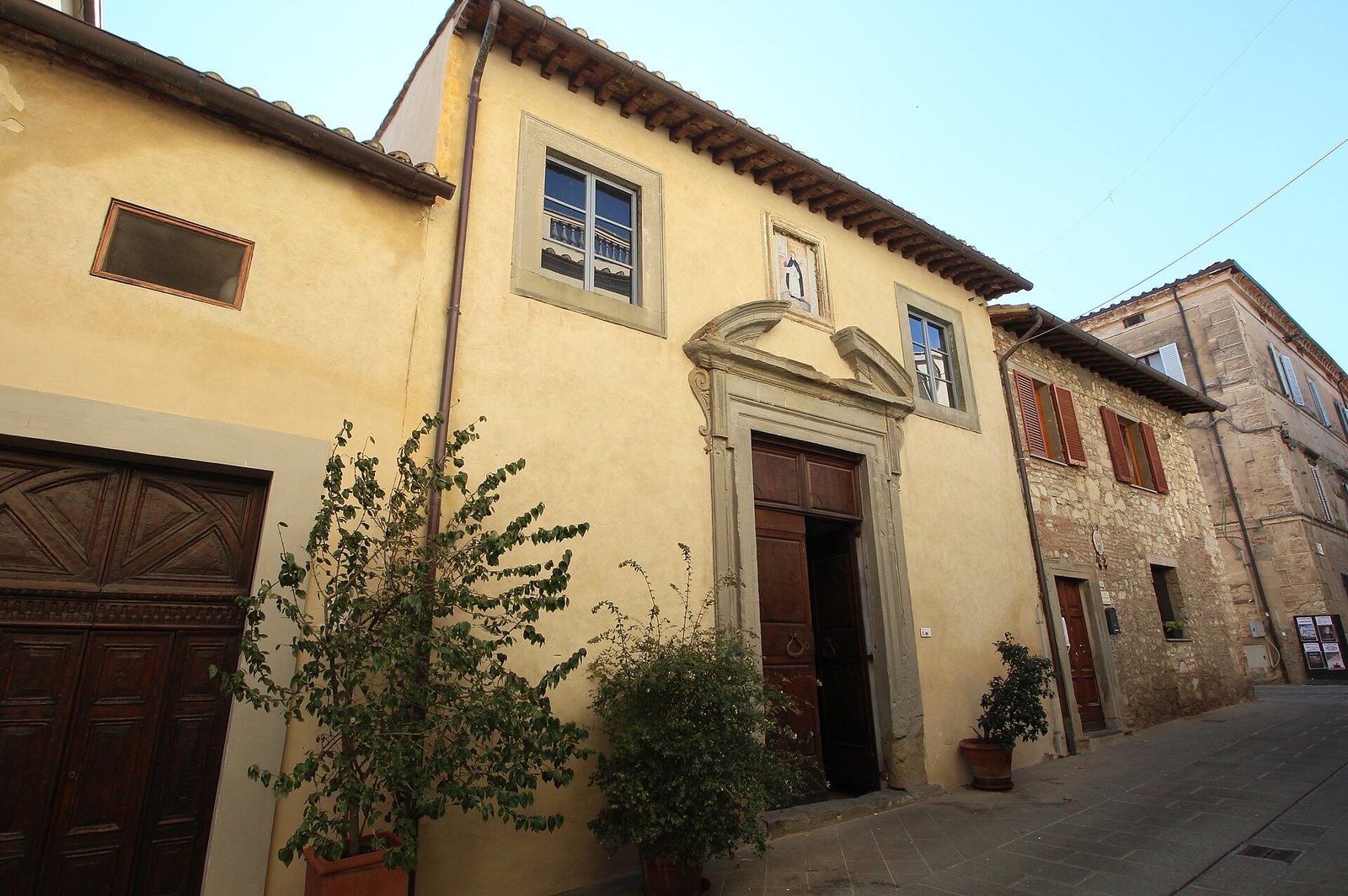
San Domenico is a Baroque Roman Catholic church in Castiglione del Lago, Umbria, Italy, commissioned in 1636 by Fulvio II Alessandro della Corgna. Baroque was an ornate European artistic and architectural style that flourished in the seventeenth and eighteenth centuries.
The Vow and Commission
The Della Corgna family governed Castiglione del Lago from 1563 to 1647, first as marquises and later as dukes. Fulvio was the family’s last duke. He commissioned the church to fulfil a vow made to an image of St Dominic, the medieval Spanish religious leader who founded the Dominican Order. The image was associated with Soriano Calabro in southern Italy. Fulvio had made the vow in hope that his wife, Duchess Eleonora, would recover from severe gangrene in her arm.
The Umbrian writer Guido Lana recorded the episode as having taken place in 1636. After Eleonora recovered, her brother Andrea gave the church a cross-shaped reliquary, a container for sacred relics. Eleonora donated a bust of St Barbara, a Christian martyr. The church belongs to the Archdiocese of Perugia-Città della Pieve, a church jurisdiction headed by an archbishop. Its sacristy, a room for preparing services and keeping sacred objects, also hosted meetings of the Venerable Confraternity of St Dominic, a religious association.
Burial and Commemoration
The Chapel of the Savior, also called the Chapel of Suffrage, served as a burial place for many people from Castiglione. In this name, “suffrage” refers to prayers for the dead. Fulvio arranged for the remains of the court poet Cesare Caporali (1531–1601) to be moved there from an Augustinian church. Caporali had served Fulvio’s father, Ascanio II.
After Fulvio’s unexpected death, his second wife, Teresa Dudley, arranged a hurried burial. She wished to leave Castiglione for Florence, and Fulvio was placed in a sarcophagus already occupied by Caporali. At the first of two later inspections of the tomb, Caporali’s bones were found above the duke’s coffin. Earlier Della Corgna family members, beginning with Ascanio I, had been buried in the Chapel of St Andrew at San Francesco al Prato in Perugia. Fulvio, Ascanio I’s great-grandson and the family’s last heir, was buried at San Domenico.
Remains
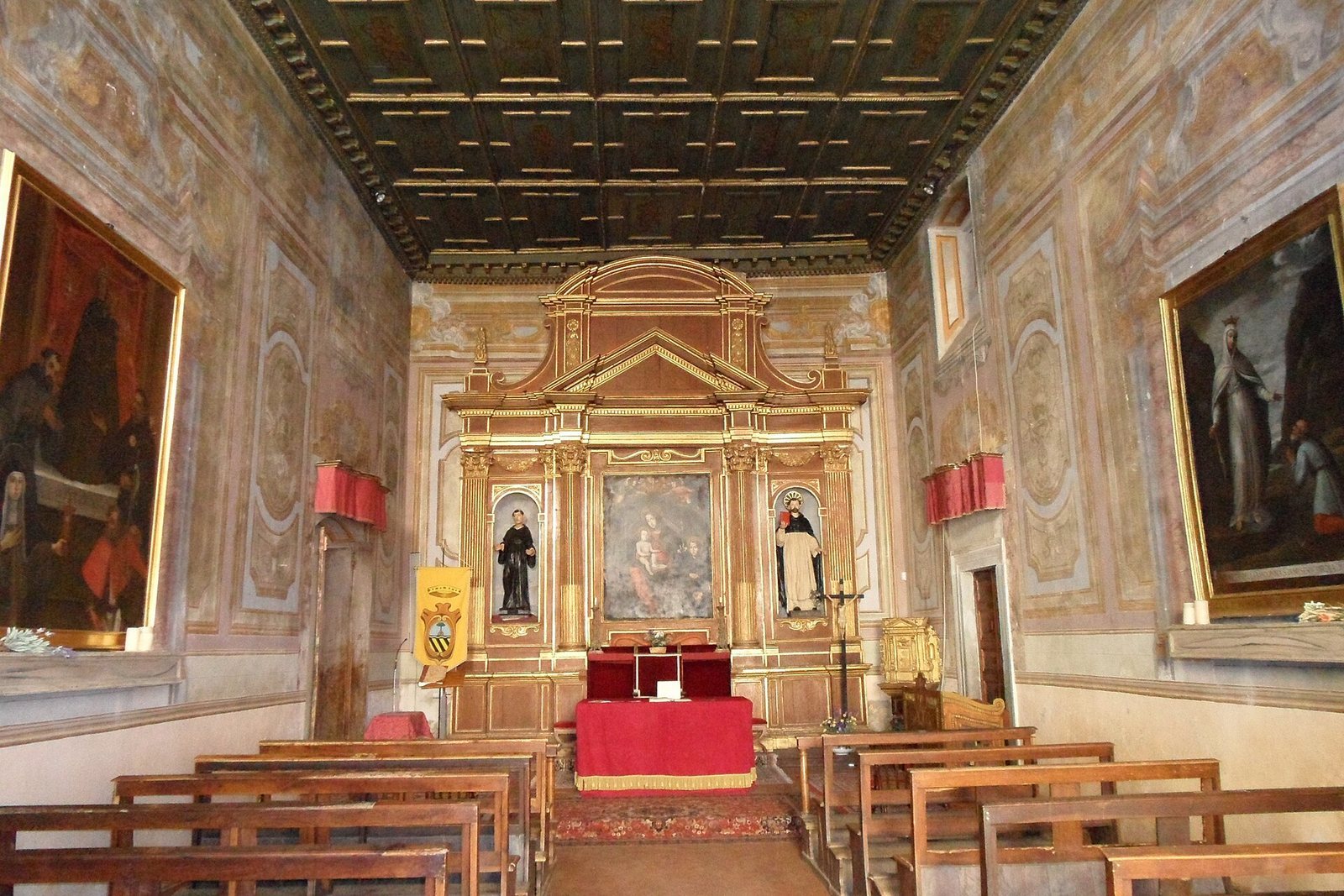
The church has two large rooms, a rectangular space for worship and a sacristy. Its interior preserves a mixture of painted and carved decoration, wooden furnishings, and objects associated with the church’s history.
Worship Space
Main Altar
The elaborate main altar holds a painting of the Virgin and Child, depicting Mary with Jesus. Wooden statues of St Dominic and the Archangel Michael stand beside it. In Christian belief, Michael is regarded as a leader of the heavenly host. The statue of Michael is attributed to the Flemish artist Girolamo Scaglia. Other paintings decorate the walls.
Ceiling and Furnishings
A wooden coffered ceiling, divided into recessed panels, is decorated in gold and sky blue. It carries the arms of the Bourbon of Sorbello and Baglioni families, combined through quartering, a heraldic arrangement that divides a shield into sections. A seventeenth-century organ from the ducal palace is deteriorated. The organ and 24 armchairs are the surviving furnishings from the original Della Corgna collection.
Sacristy
The sacristy preserves a bust of St Barbara, the rock-crystal-and-ebony reliquary cross, and the surgical instruments used to treat Eleonora’s arm. These objects connect the room’s surviving contents with the episode behind the church’s commission.
Chapel of the Savior
A doorway to the left of the main altar opens into the chapel. Its name refers to a seventeenth-century wooden statue of Christ being scourged. Two tombs stand in a line along the right wall, within an area divided by a wrought-iron grille. One belongs to Caporali; Fulvio’s tomb lies beneath a statue of St Augustine, an early Christian bishop and theologian.