Kir Ha-Orvim: A Hellenistic Farm Site in Haifa
Site at a Glance
- Popularity
- Very Low
- Country
- Israel
- Primary era
- Classical
- Eras represented
- Classical
- Civilizations
- Ptolemaic
- Site type
- Economic
- Remains
- Production Complex
On this page8 sections
History
Prehistoric and Hellenistic activity
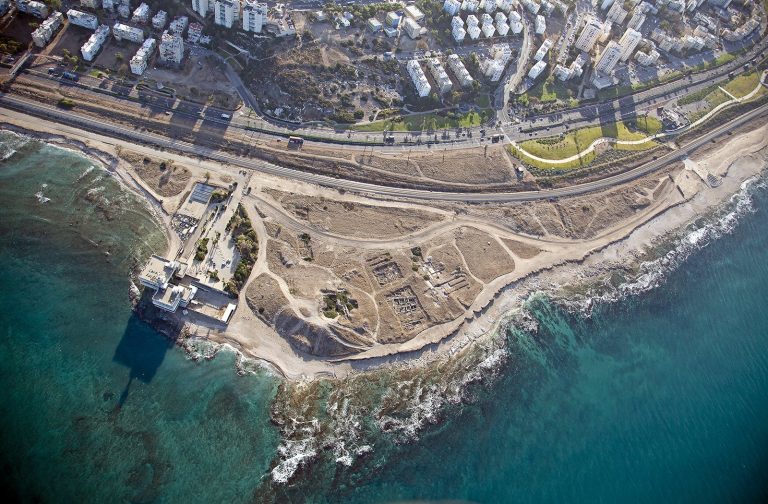
Kir Ha-Orvim is an archaeological site in Haifa, Israel, with prehistoric traces and a large building from the Hellenistic period, the era of Greek-influenced kingdoms that followed Alexander the Great. The building is interpreted as a probable agricultural farm. Its many storage jars suggest that crops, perhaps oil or wine, were kept there. Excavators estimated that the farm was occupied for about 50 years before it was abandoned when its use ended.
The farm may point to organized Hellenistic settlement in the area. During the reign of Ptolemy II, a king of the dynasty that ruled Egypt after Alexander’s conquests, regional economic activity grew, including olive-oil and wine production. The government assigned or leased agricultural land, while settlers from Greece and Macedonia joined the local population.
Later evidence and archaeological investigation
A few pottery fragments from the Byzantine period, the later eastern Roman era, point to some activity near the building’s threshold. Persian-period pottery, from the era of Persian imperial rule, was also found at the site.
Eberhard von Mülinen surveyed Kir Ha-Orvim in 1907–08, noting prehistoric remains and large stones on the surface. In 1956, A. Warschner mapped the large building east of the terrace containing prehistoric finds and dated it to the Byzantine period on the basis of pottery. Abraham Ronen and Yaakov Olami later found Persian- and Hellenistic-period pottery during a 1966 survey for the Israel Survey’s Haifa East map project. In 1993, Zeev Yevin of the Israel Antiquities Authority led a rescue excavation, archaeological work undertaken ahead of threatened construction, before road building.
Remains
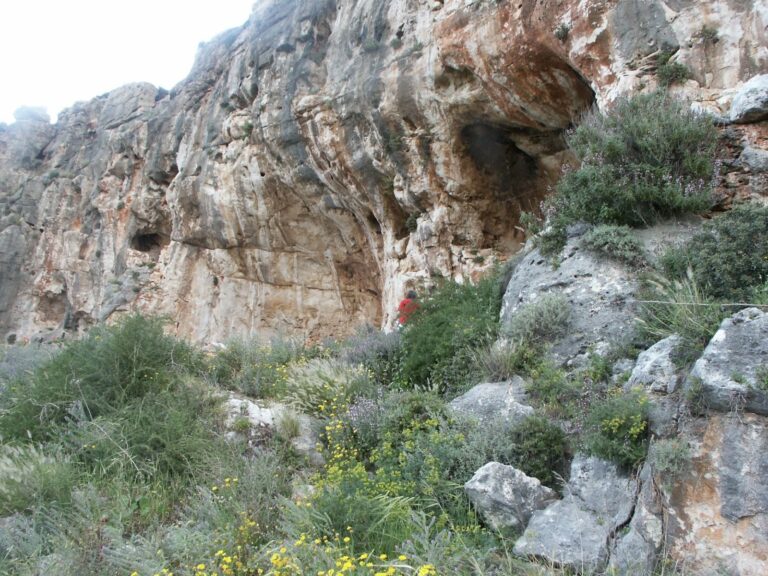
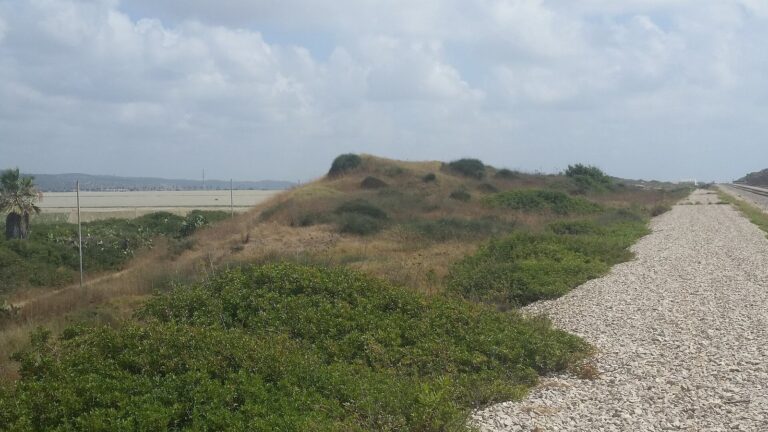
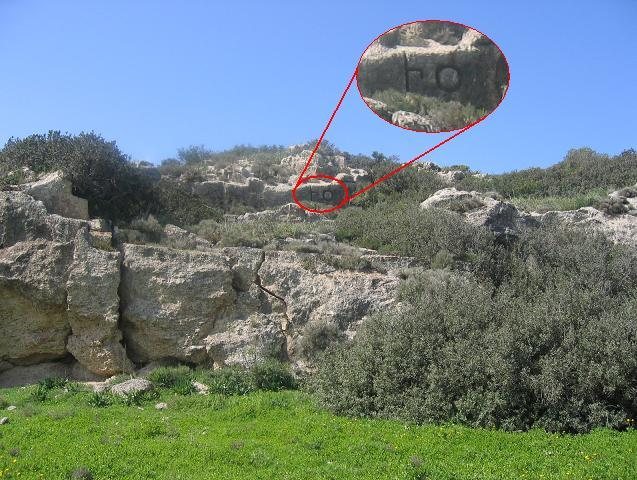
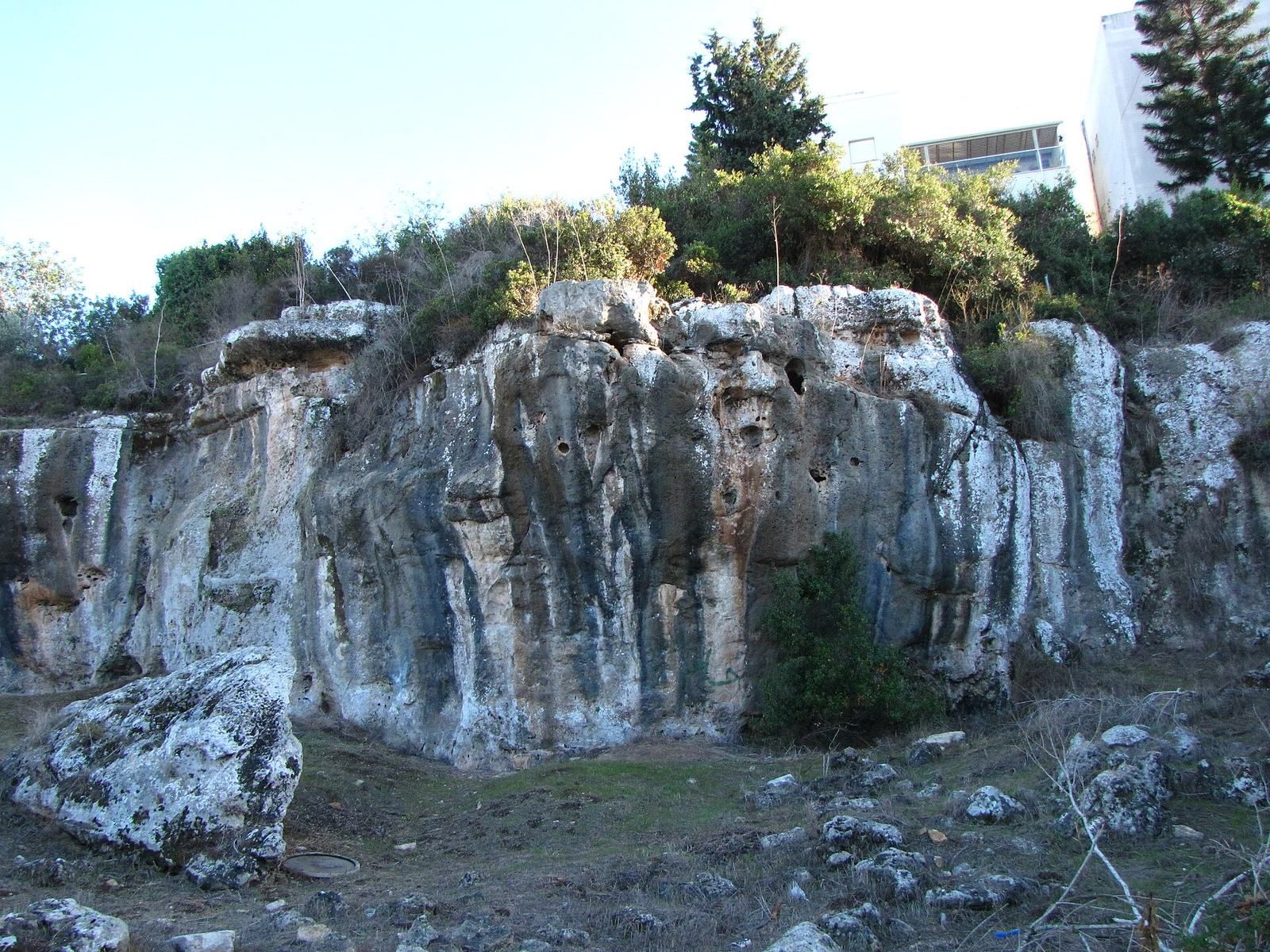
The site lies at the foot of a cliff north of Ramat Alon. A cave and several niches are cut into the cliff area, while the large farm building stands about 60 metres to the north, east of the terrace associated with prehistoric finds. An ancient road from Shikmona, a coastal settlement near present-day Haifa, to Husifa, now Isfiya, passed nearby.
Farm complex
Building plan and construction
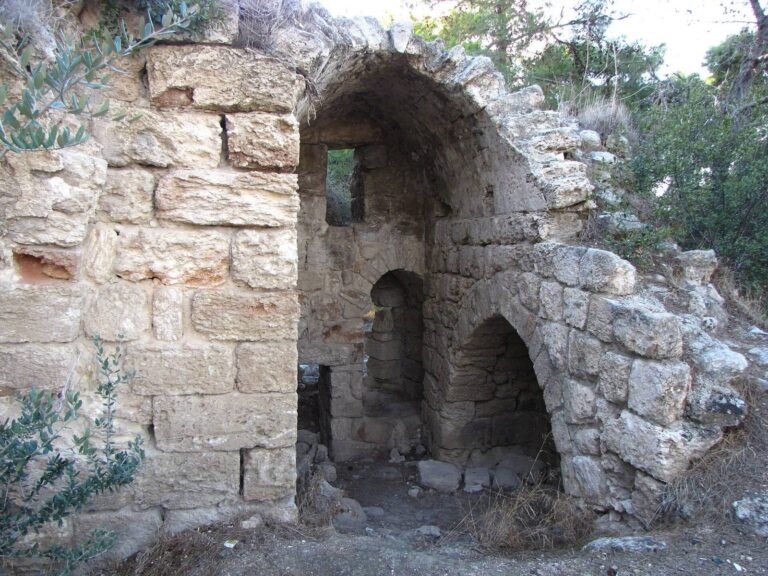
The building’s foundations outline a multi-level, trapezoidal complex about 50 metres long and 18 to 35 metres wide. Its western section contains a building arranged around an inner courtyard, with eight rooms. To the east lies a large courtyard, with three rooms adjoining it in a row. The walls, 1.5 to 1.7 metres thick, were built from rubble stone, using roughly shaped or irregular stones rather than uniform blocks.
Courtyards and water installations
An oval pool coated in waterproof plaster occupies the western part of the inner courtyard. In the eastern courtyard, a circular silo, a structure for storing bulk produce, was partly cut into bedrock and partly dug into soil. Built of rubble stone, it measures 2.5 metres across and is 1 metre deep.
A second oval pool in the eastern courtyard measures 10 by 7 metres. A small channel from higher up the slope led toward it and may have brought water for collection. A small water-storage pit was also identified as receiving water from the channel.
Pottery and coins
Finds include large quantities of Hellenistic pottery and five coins of Ptolemy II, dated to 280–246 BCE. More than 95 percent of the pottery fragments came from similar types of storage jars. Other vessels included shallow fish-serving dishes, cooking pots, jugs, small jugs, and additional forms.