Collegiate Church in Strzyżów: A Roman Catholic Parish Church
Site at a Glance
- Popularity
- Low
- Country
- Poland
- Primary era
- Early Modern
- Eras represented
- Medieval, Early Modern
- Civilizations
- Kingdom of Poland, Polish–Lithuanian Commonwealth
- Site type
- Religious
- Remains
- Church
On this page5 sections
History
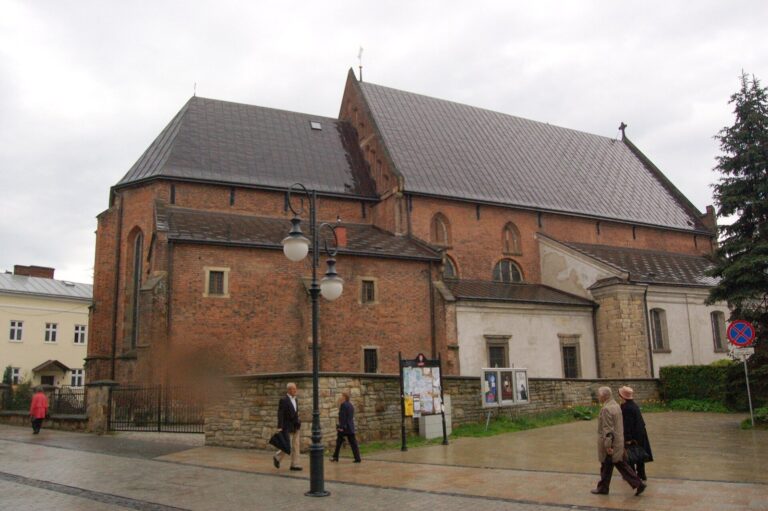
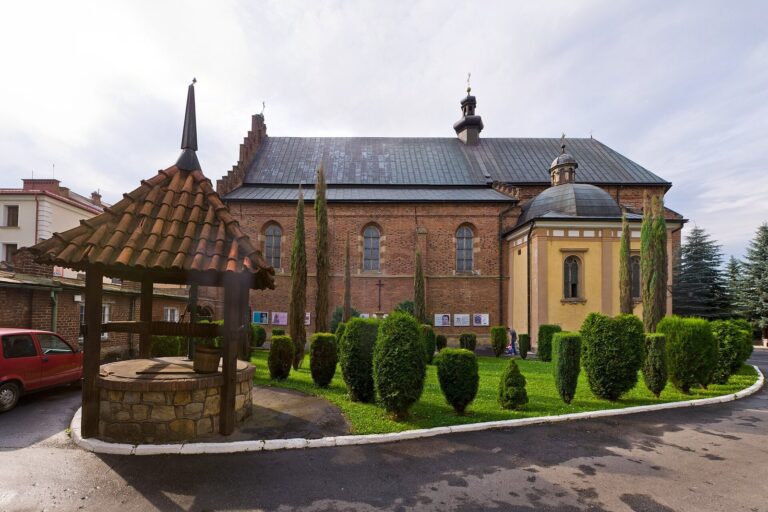
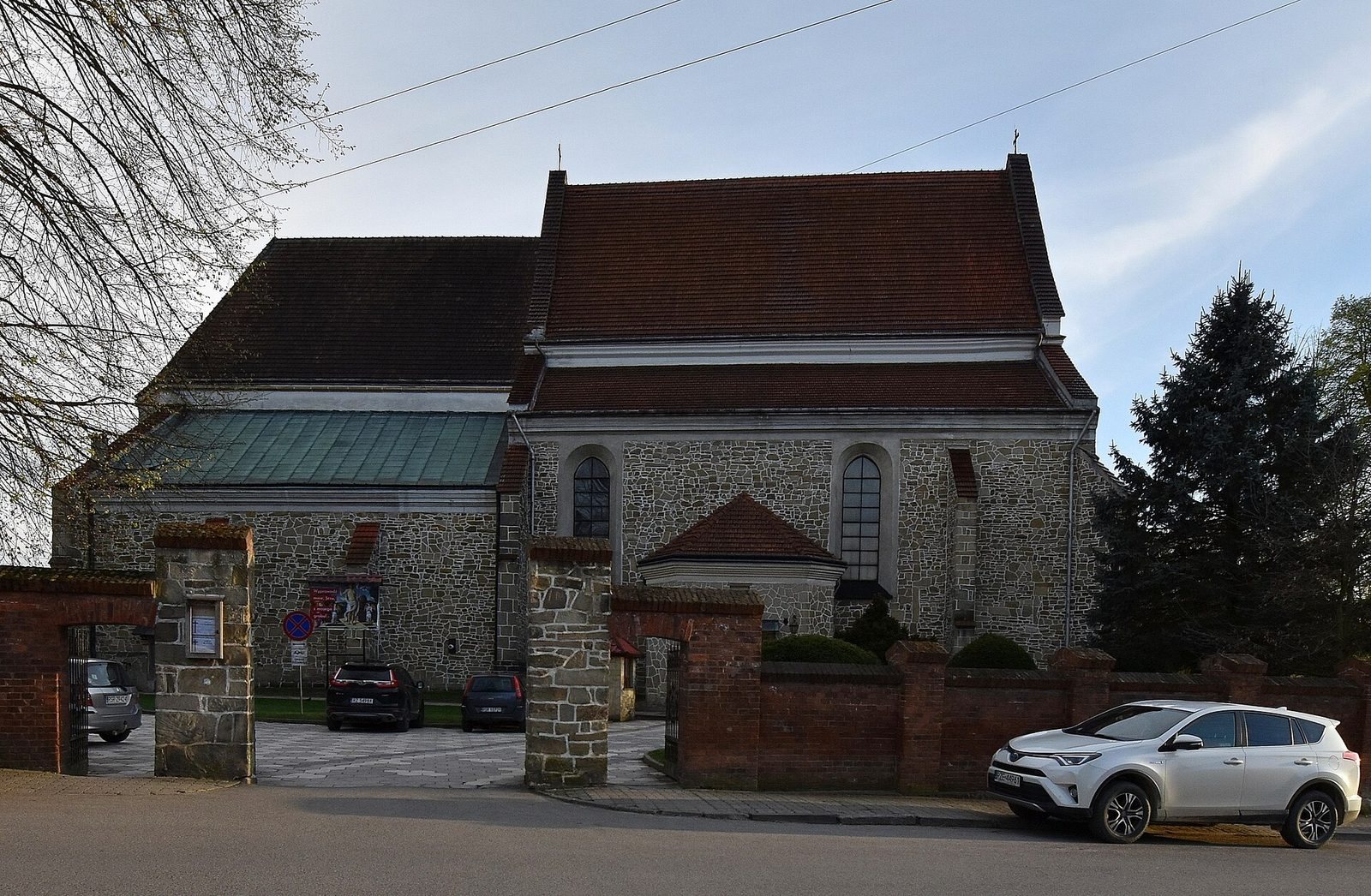
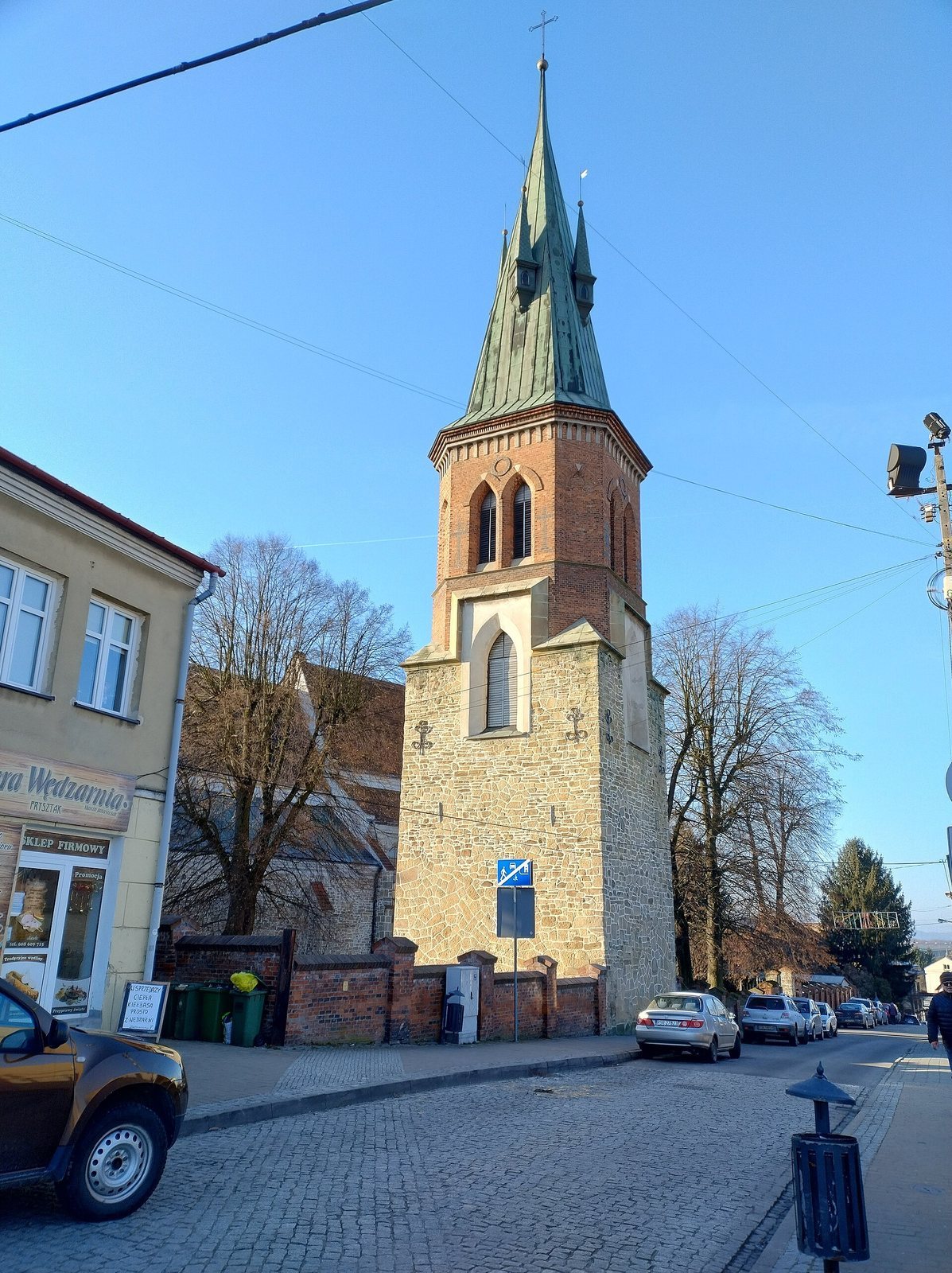
The Collegiate Church in Strzyżów is a Roman Catholic parish church in Poland, serving a parish established in 1401. The present church was built in the second half of the fifteenth century and consecrated in 1494.
Early parish and changes in worship
The church was dedicated to the Immaculate Conception of the Blessed Virgin Mary, the Catholic doctrine that Mary was preserved from original sin from the moment of her conception. Between 1550 and 1566, it served as a Protestant place of worship. In 1611, it was consecrated again under the title of Corpus Christi, a Catholic feast centered on the Eucharist, understood as the Body of Christ.
Fire, rebuilding, and devotion to Our Lady
A fire destroyed the church in 1657, and it was rebuilt in the second half of the seventeenth century. Devotion to Our Lady of Strzyżów was confirmed by Bishop Kazimierz Łubieński in 1704 and by Bishop Florian Janowski in 1793.
Austrian rule and collegiate status
At the beginning of the Austrian partition, when the Habsburg monarchy annexed and ruled part of the former Polish-Lithuanian Commonwealth, Austrians looted the church. The image of Our Lady was damaged and stripped of its votive offerings, objects given in fulfillment of a vow or in gratitude for a prayer. Devotion revived in 1861 and continued to develop thereafter.
In 2006, Bishop Kazimierz Górny raised the church to collegiate status, a formal ecclesiastical standing traditionally associated with a chapter of clergy and distinct from its role as a parish church. It belongs to the Strzyżów deanery of the Diocese of Rzeszów.
Remains
The church’s interior has a Baroque character. Baroque was a European artistic and architectural style that flourished from the late sixteenth through the eighteenth centuries. A side altar contains a canvas image of the Immaculate Conception, regarded as miraculous. Painted by an unknown artist in the seventeenth century, it measures 231 by 103 centimeters. The church also has an organ with 25 stops, the controls that select its sounds.