Palazzetto della Jole: The First Core of Urbino’s Ducal Palace
Site at a Glance
- Popularity
- Medium
- Country
- Italy
- Primary era
- Medieval
- Eras represented
- Medieval
- Civilizations
- Papal States
- Site type
- Domestic
- Remains
- Palace
On this page9 sections
History
The Palazzetto della Jole is the first fifteenth-century core of the Ducal Palace in Urbino, Italy. Florentine architects built it around 1445 for Federico da Montefeltro, giving it a restrained Tuscan style.
Urbino Before the Building Campaign
Before Federico’s project, Urbino spread over two adjoining hills enclosed by walls. Its main road crossed the lower ground between them, running toward the sea in one direction and toward Apennine passes leading to Perugia and Latium in the other. On the southern hill stood a simple ducal residence, near a castle at the cliff edge toward Porta Valbona.
The First Ducal Palace Building
After taking power in 1444, Federico sought to reshape Urbino as a comfortable, well-ordered and beautiful capital. He pursued this ambition through nearly forty years of government, drawing on wealth earned as a condottiere, a commander of a hired military company.
Around 1445, Federico commissioned Florentine architects led by Maso di Bartolomeo to build the palazzetto between the older residence and castle, joining the two. It became the first fifteenth-century nucleus of the Ducal Palace. Before becoming duke, Federico lived in an apartment in the palazzetto while his residence on the opposite side of the palace, the Duke’s Apartment, was being completed.
Remains
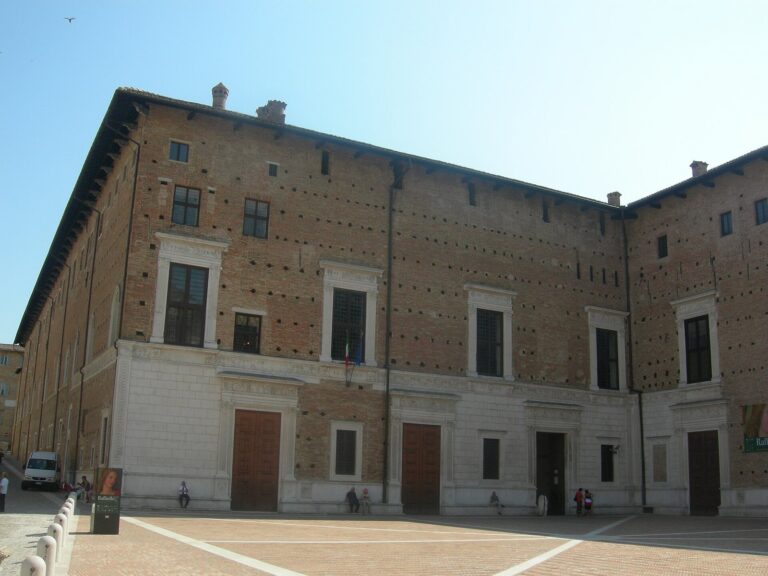
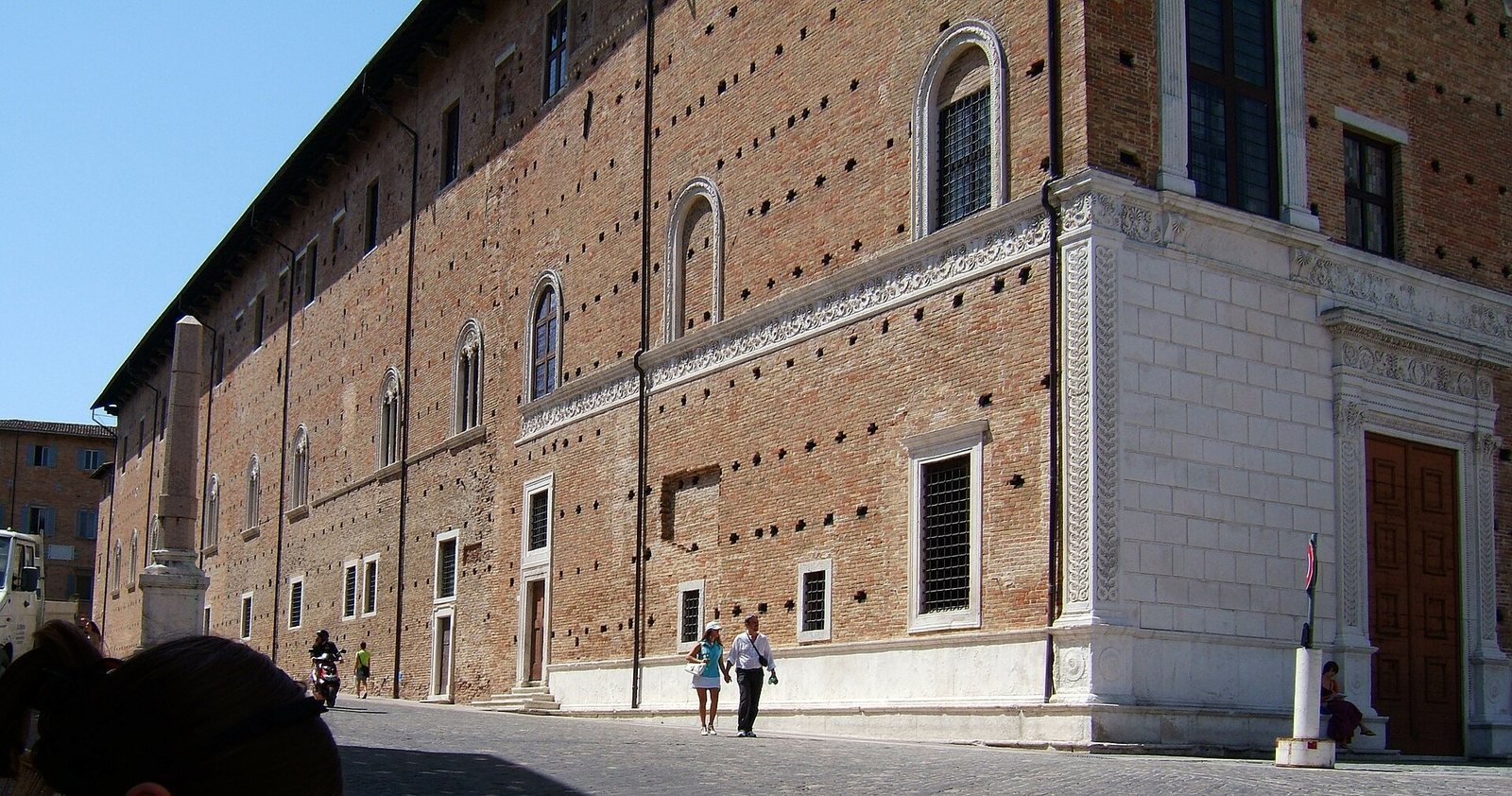
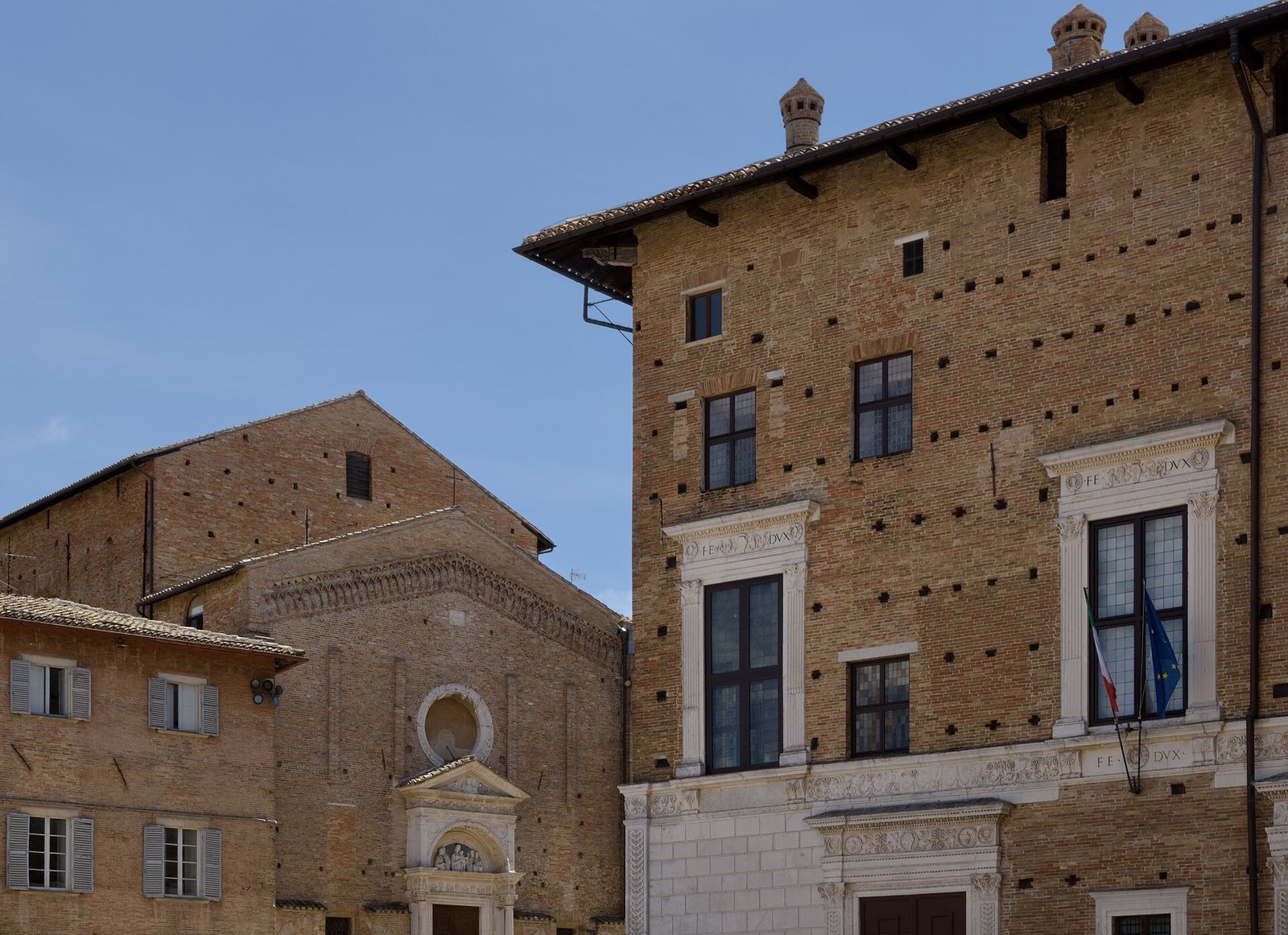
The palazzetto is a three-storey block incorporated into the long side of the Ducal Palace facing Piazza Rinascimento. Its austere Tuscan exterior is marked by five marble windows, each divided into two lights.
Exterior
Small arches above the windows rest on internal wall supports. Their design draws on the Medici-Riccardi Palace in Florence. A connection with a design by Fra Carnevale has also been proposed because the windows resemble the wooden framing in one of his multi-panel paintings at Cagli or Loreto.
Interior and Collections
Carved Decoration and Fireplace
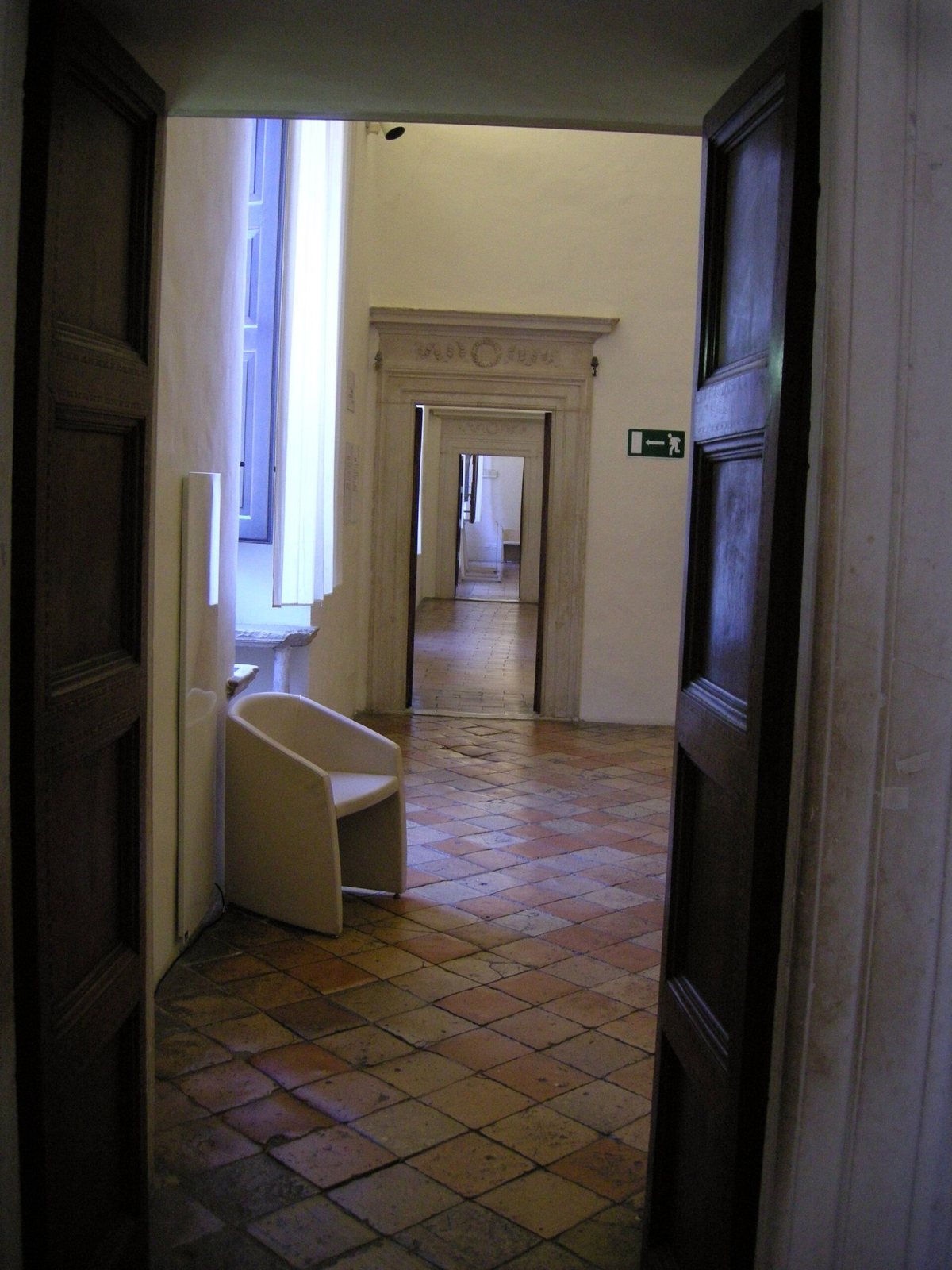
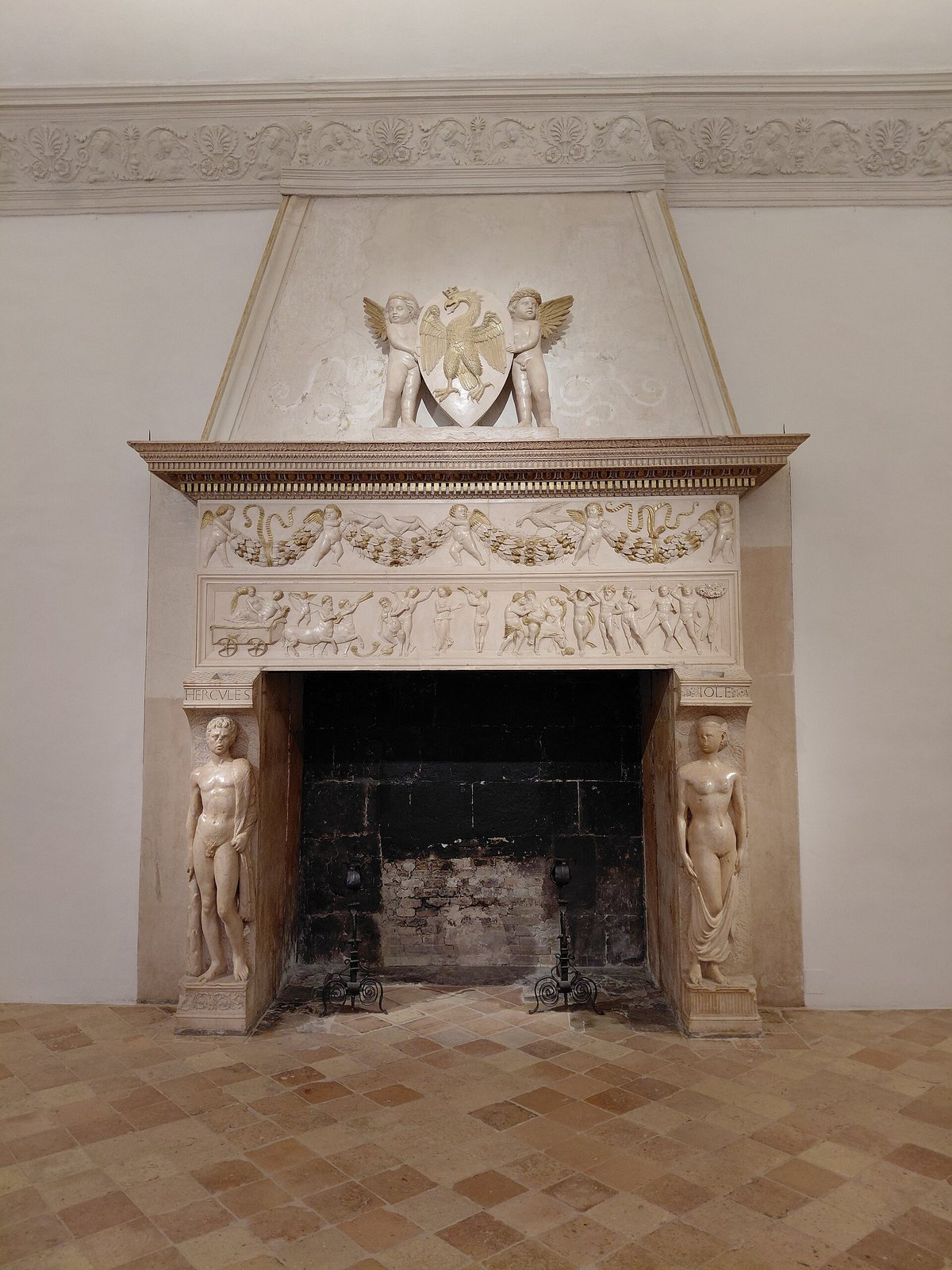
The rooms retain furnishings with restrained classical details, along with carved bands and fireplaces celebrating Hercules, the hero of classical mythology, and martial virtues. In the first room on the principal upper floor, a fireplace bears a carved image of Jole, Hercules’ mythological beloved. The sculptor was Michele di Giovanni da Fiesole, also known as Greco.
Federico’s Alcove
An alcove made by Giovanni da Camerino is a rare surviving example of fifteenth-century furnishings.
Gallery Rooms
Seven rooms are included in the National Gallery of the Marches. They display early Renaissance sculpture by Luca della Robbia, Michele di Giovanni da Fiesole, Agostino di Duccio and Francesco di Giorgio Martini. Rooms V and VI contain works from the early fifteenth-century Marche region, while the final room holds fourteenth-century paintings.