Castillo de San Vicente de la Barquera: A Historic Fortress in Northern Spain
Visitor Information
Google Rating: 4.3
Popularity: Medium
Official Website: www.turismocantabria.es
Country: Spain
Civilization: Medieval European
Site type: Military
Remains: Castle
History
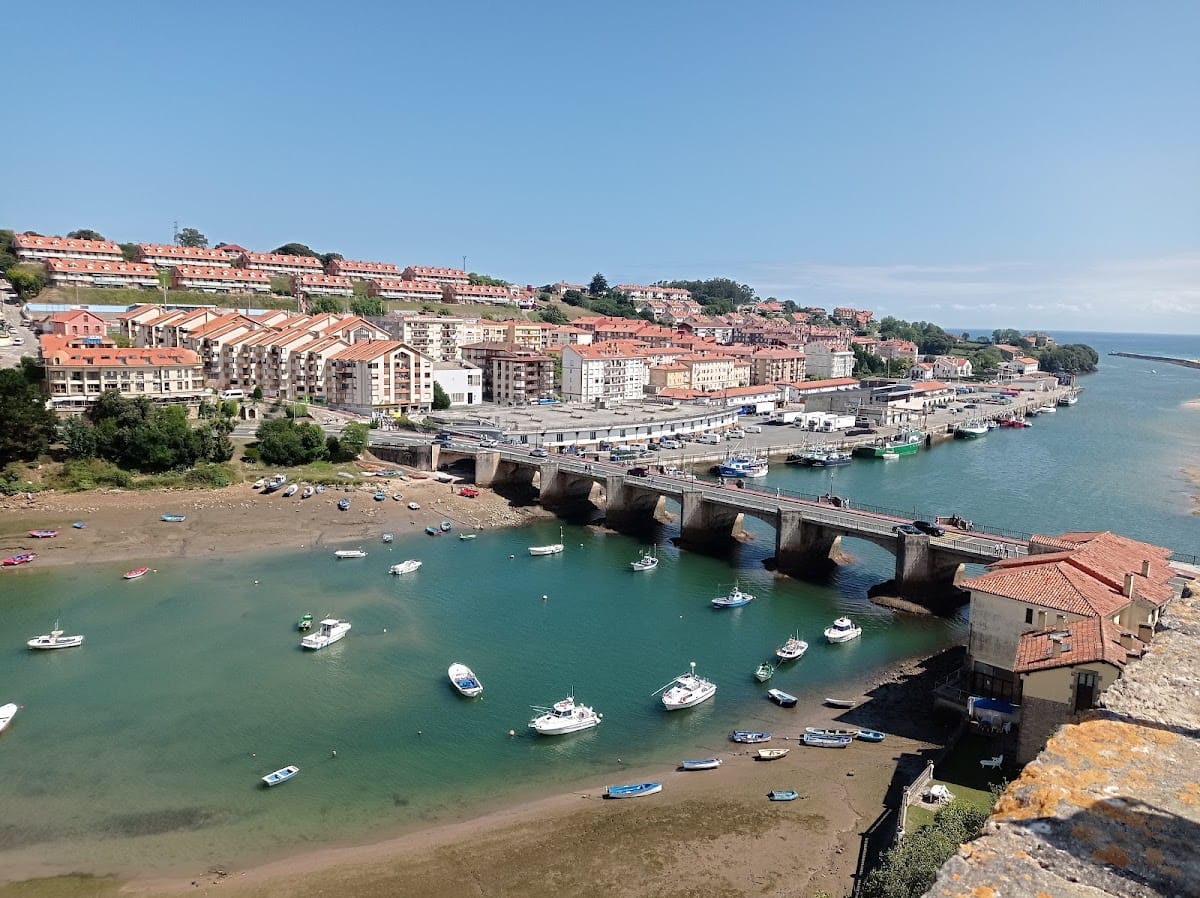
The Castillo de San Vicente de la Barquera stands in the historic heart of San Vicente de la Barquera, a town in northern Spain. Its origins trace back to early medieval efforts by the Christian kingdom of Asturias during the Reconquest, when Alfonso I led repopulation campaigns to secure territory reclaimed from Muslim rule.
The initial fortress at this location likely emerged in the 8th century under Alfonso I’s direction, forming part of the fragile frontier between Christian and Muslim domains. Over the centuries, the site evolved significantly. From the 13th century onward, the castle underwent expansions and modifications that shaped much of the structure visible today. During this period, it was integrated closely with the defensive walls surrounding the town, working as one element of a broader fortification system designed to guard the settlement and nearby coastline.
Though the castle experienced varied use through the later Middle Ages, it retained its military and administrative significance within the town. In recognition of its historical importance and cultural value, the site was officially declared a Monument of Cultural Interest in 2002 under Spanish heritage protection laws. Following restoration work carried out in the late 20th century, the castle has been preserved for educational and exhibition purposes, ensuring its history remains accessible.
Remains
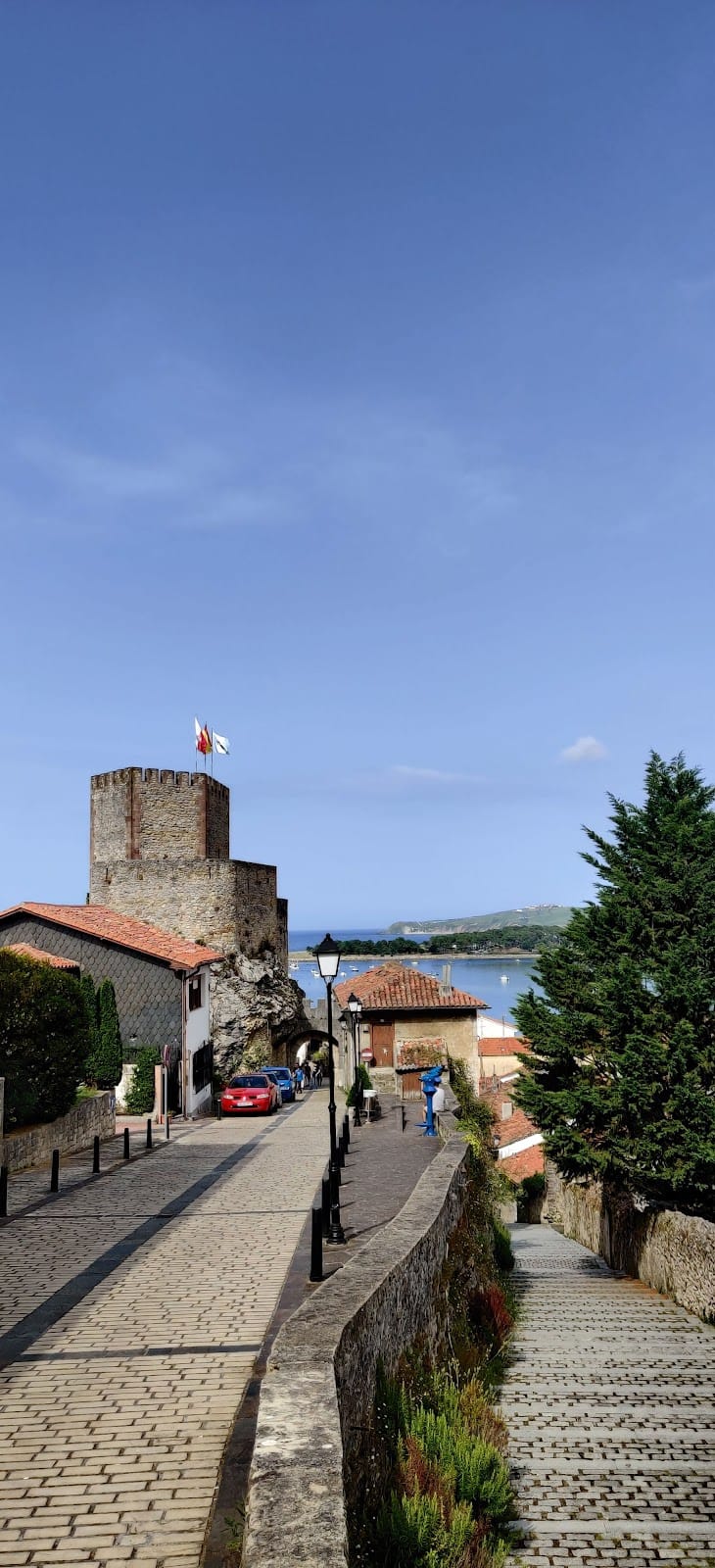
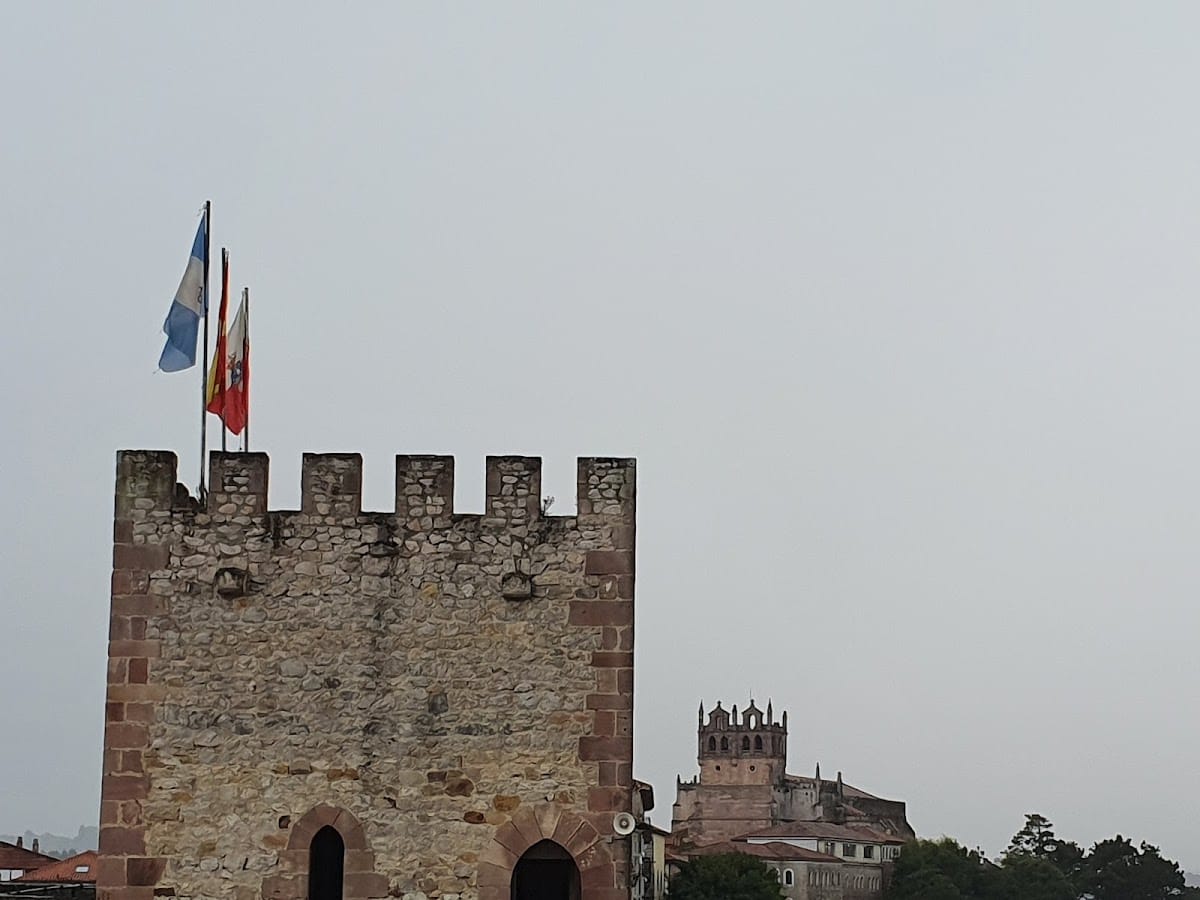
Set atop a rugged rocky outcrop, the castle’s design was shaped by the natural contours of its elevated site. Its footprint stretches in an elongated form, measuring over fifty meters in length and about twenty meters across at its broadest point. Built primarily from rough-hewn stone, the masonry walls are reinforced at key points—such as corners, doorways, and window frames—with carefully cut ashlar blocks, providing both structural strength and refined detail.
Two main towers dominate the castle’s silhouette. The eastern tower is characterized by a square-shaped floor plan, while the western tower features a distinctive pentagonal layout. These towers are linked by a central structure that originally had vaulted ceilings—a type of arched roof made from stone or brick—but this vaulted covering no longer survives. The castle’s position and construction reflect its role within the town’s defensive network, complementing the adjacent city walls to guard against potential invaders.
Today, much of the castle has been restored to highlight its historical form. Its stonework and structural elements remain largely intact, allowing visitors to understand the building’s medieval military function and architectural evolution. The preservation of original materials alongside later repairs offers insight into centuries of use and care for this enduring fortress.
Nearby sites