Camesa-Rebolledo Archaeological Site: Roman and Medieval Remains in Cantabria


Site at a Glance
- Rating
- 4.7
- Popularity
- Low
- Country
- Spain
- Primary era
- Classical
- External website
- Open
- Eras represented
- Classical, Medieval
- Civilizations
- Roman, Visigothic
- Site type
- Domestic
- Remains
- Villa
On this page8 sections
History
The Camesa-Rebolledo archaeological site in Spain preserves Roman and medieval remains at El Conventón in Rebolledo and La Cueva in Camesa, within Valdeolea, Cantabria. Its origins are associated with a Roman settlement connected with Legio IV Macedonica, a legion involved in the conquest and administration of northern Hispania, after the Cantabrian Wars of 29–19 BC. The complex also relates to a Cantabrian hillfort, a Roman camp, and a Roman road that connected Pisoraca with Portus Blendium.
Roman settlement and changing interpretations
The road between Pisoraca and Portus Blendium divided into two branches near the site. Camesa-Rebolledo has also been tentatively linked with Octaviolca, a Roman-period settlement whose location has not been securely identified. The first plaque of the Itinerary of Barro places Octaviolca 10 Roman miles, approximately 15 kilometres, from Julióbriga, the identified Roman city used as the main comparison in interpreting the area. The site’s precise overall role remains uncertain.
El Conventón was occupied from the first century AD until the middle of the third century. Its large Roman building, baths, and position beside the road have led to several interpretations. It is most plausibly understood as a Roman villa, either a substantial rural residence or a suburban aristocratic home near a major settlement. Its baths and roadside position have also encouraged a possible identification as a mansio, a roadside establishment for travellers and official traffic, although the surviving evidence does not establish that function.
A milestone formed from three fragments was installed during the reign of Emperor Trajan Decius, from 249 to 251, shortly before the villa ceased to be used. This places a final Roman intervention at El Conventón close to the period when the wider empire was experiencing political and military instability during the third-century crisis.
Later reuse and medieval occupation
About three centuries after the Roman abandonment, a Visigothic population reused part of the former building and created a pit-grave cemetery around its bath wing. A pit grave is cut directly into the ground, while a slab-built grave is formed or lined with stone slabs. Slab-built graves and stone coffins, or sarcophagi, continued to multiply in the area at least until the twelfth century.
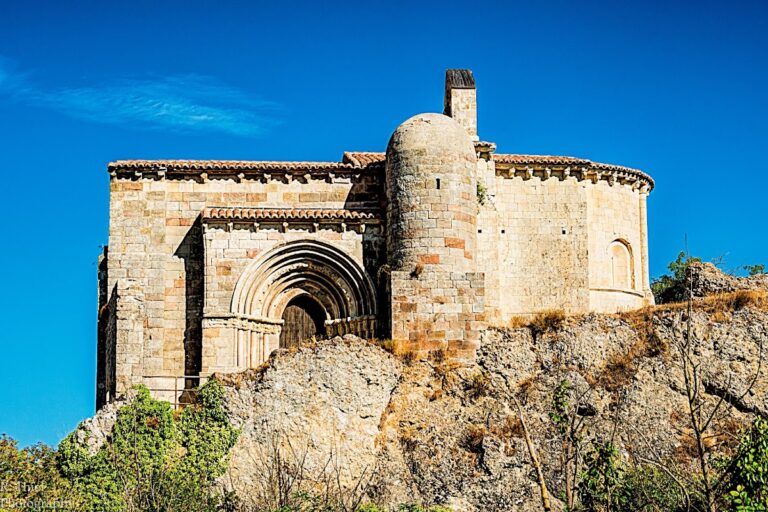
The medieval cemetery grew around an early medieval church. Beneath the church, an occupation layer contains evidence of habitation during the seventh century. The small number of sarcophagi and their privileged positions inside the church or at its entrance indicate that local notables represented a social minority within the cemetery.
Archaeological investigation and preservation
The Roman remains at La Cueva were partly excavated during summer campaigns in 1986, 1989, and 1991. Earlier finds, including Roman pottery, bricks, roof tiles, worked stones, and at least one coin, had already indicated the existence and importance of the site. Coins and terra sigillata, a standardized Roman fine tableware with a distinctive red slip, place La Cueva in the second and third centuries AD, during the Antonine and Severan imperial periods.
La Cueva may represent either a large villa or a small urban settlement. The dimensions and alignment of its structures favor the latter possibility, but their function remains unresolved. The buildings may have served military purposes, including use as troop barracks, or may have formed a public complex arranged around a rectangular, colonnaded square or forum. Under the public-building interpretation, rooms in the eastern wing may have been commercial shops.
Remains
El Conventón
El Conventón contains a Roman building with more than 1,000 square metres of usable floor area beside the ancient road. Its scale, surviving wall surfaces with mural paintings in one corridor, and bath complex indicate wealthy ownership. The building has been associated with a neighborhood on the outskirts of the hypothetical settlement of Octaviolca, although the identification of that settlement remains tentative.
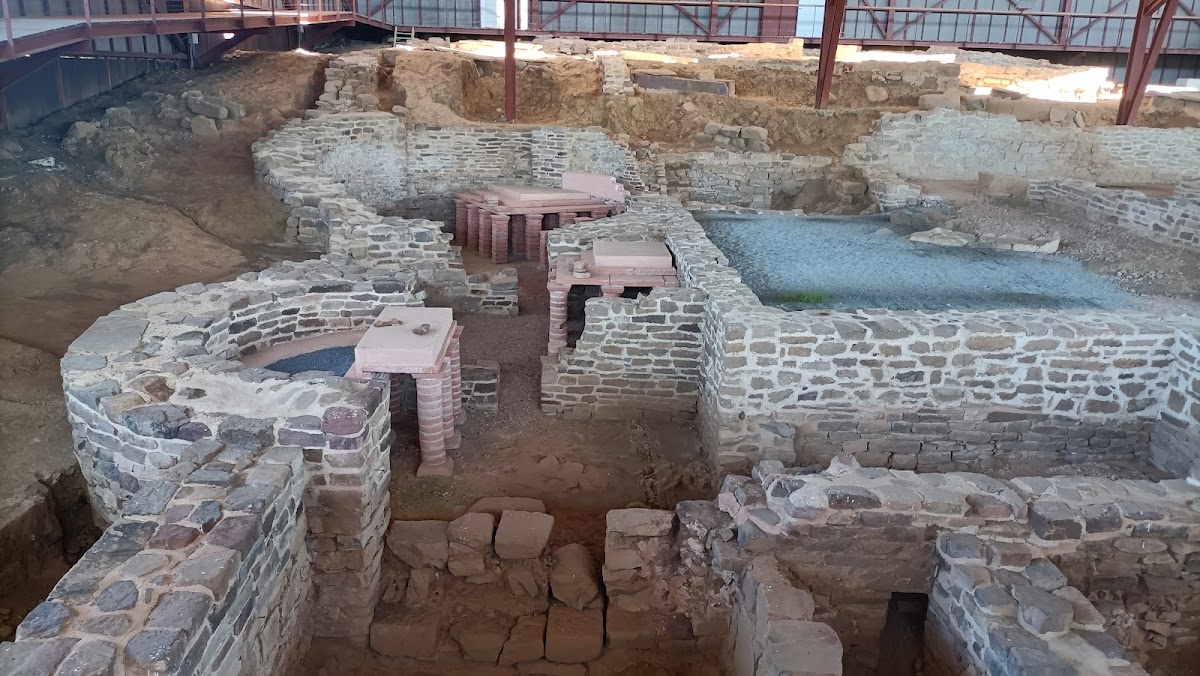
The bath wing included separate rooms for hot, warm, and cold bathing, a steam sauna, and a changing room. The thermal facilities began in the Flavian period, the late first-century reigns of Vespasian, Titus, and Domitian, and were enlarged during the second and third centuries. A hypocaust, an underfloor heating system in which hot air circulated beneath the floor, warmed the rooms from a furnace. The arrangement indicates that the baths were a private facility.
Water from the cold pool flowed through a channel in the lower level of a tower. A latrine was installed in that area and could be cleaned when the pool was emptied. The later medieval church had a rectangular plan and a rectangular apse in a pre-Romanesque style. Only its ground plan survives, showing a single nave with a rough stone-paved floor.
The ground beneath the church contained numerous burials, including pit graves, slab-built graves, and sarcophagi. The sarcophagi were few and occupied prominent positions inside the church or at its entrance. Their placement, together with the cemetery’s development around the church, preserves evidence of changing burial practices and social distinctions from the early medieval period into the Middle Ages.
La Cueva
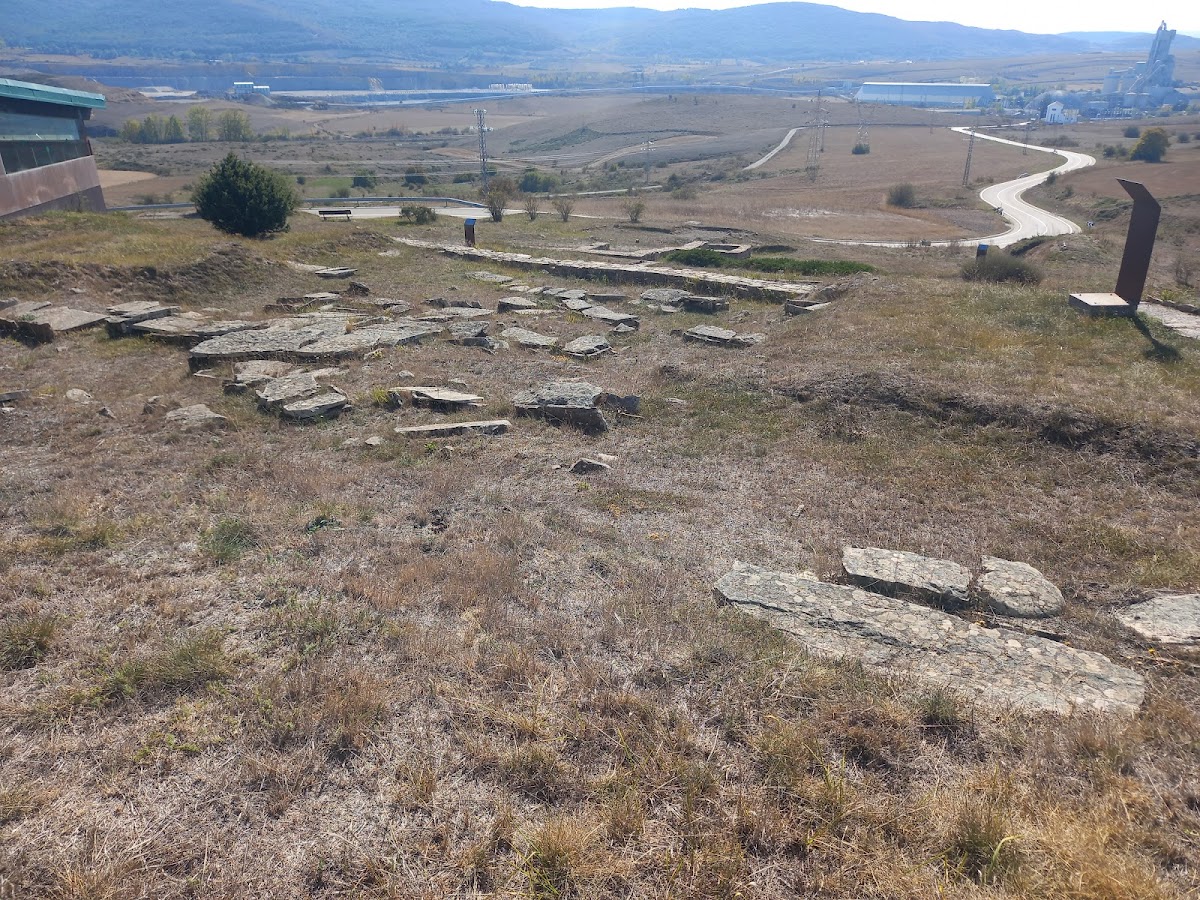
La Cueva lies approximately 700 metres from El Conventón. Its partly excavated remains include a Roman building with a wing about 90 metres long and possibly extending to 120 metres. The size, distribution, and shape of its rooms have no known parallel among the buildings excavated so far at Julióbriga.
The excavated structures may belong to a military complex or to a public building with a rectangular plan and colonnaded square or forum. Rooms along the eastern wing may have served as commercial shops. The dimensions and alignment support an urban interpretation, while the functions of the building and its wider arrangement remain uncertain.
Finds from La Cueva include Roman pottery, terra sigillata, bricks, roof tiles, worked stones, and coins. Together, these materials associate the remains with the second and third centuries AD and help establish the period in which the building was in use.
Interpretation center
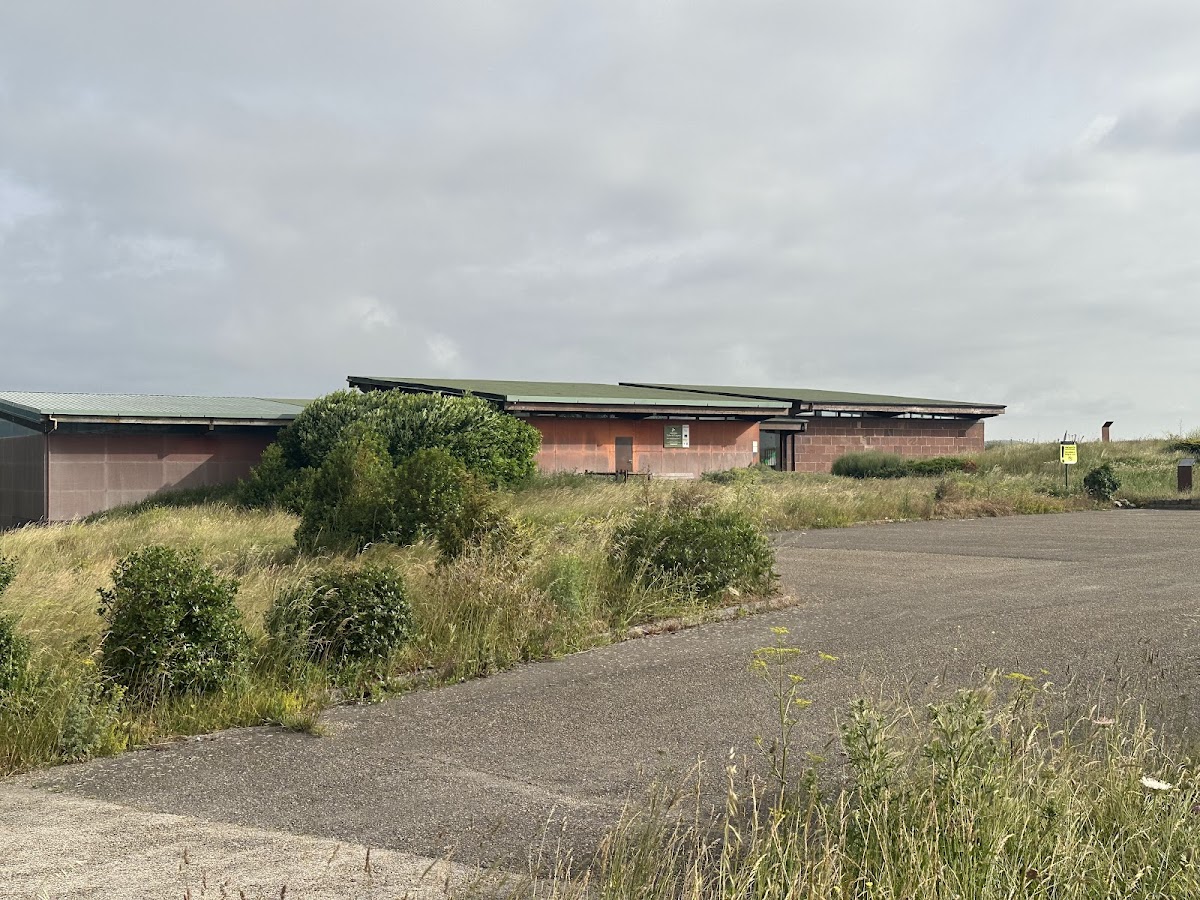
A 1,300-square-metre interpretation center protects the archaeological remains and incorporates exhibition areas devoted to the archaeology and heritage of the surrounding area.