Julióbriga: A Roman Administrative and Trading Centre in Spain


Site at a Glance
- Rating
- 4.4
- Popularity
- Medium
- Country
- Spain
- Primary era
- Classical
- External website
- Open
- Eras represented
- Classical, Medieval
- Civilizations
- Roman
- Site type
- City
On this page14 sections
History
Julióbriga was a Roman city in Spain, located near Retortillo in Cantabria. Founded between 15 and 13 BC by Legio IV Macedonica at the end of the Cantabrian Wars, it was built during Rome’s campaigns against the Cantabrian and Asturian peoples of northern Iberia, probably on an earlier Cantabrian hillfort. Julióbriga was the most important of the nine Roman cities founded in Cantabria, although it did not receive privileged civic status.
Foundation and Roman administration
The name Julióbriga combines a reference to the Julian family of Augustus, Rome’s first emperor, and to Julius Caesar, with the Celtic place-name element -briga, meaning a fortified settlement. The city was established in a densely populated and strategically contested area to encourage Romanization, the adoption or imposition of Roman political, social, economic, and cultural practices.
Julióbriga served as a civil administrative centre, although the full extent of its territory is unknown. It probably included at least the Besaya valley and nearby lands, together with an undefined strip of coast. Its position also helped control or facilitate movement and trade between the Douro River and the Bay of Biscay. A road connected the city with Pisoraca, the nearby Roman military camp at present-day Herrera de Pisuerga, as well as with Portus Blendium at present-day Suances and Portus Victoriae Iuliobrigensium, probably present-day Santander.
Portus Victoriae Iuliobrigensium was founded at the end of the Cantabrian Wars and gave Julióbriga access to the sea. Its location remains uncertain, since it has been associated both with the present Bay of Santander and with Santoña. During Julióbriga’s early years, Legio IV Macedonica maintained a semipermanent camp at Pisoraca to help preserve peace. Roman military involvement in the region continued until approximately the first half of the first century AD.
Growth and regional connections
The urban plan was completed during the first century AD, and the city was enlarged a few years later under Vespasian, the Roman emperor who ruled from AD 69 to 79. Julióbriga reached its greatest prosperity between the late first and early second centuries. From the last third of the first century through the second century, its citizens held important civil offices in the administration of Tarraco.
Romanization in the Campoo region combined Roman practices with elements of traditional Cantabrian culture. Cereal cultivation and cattle raising formed part of the surrounding economy, while areas of countryside remained wooded in antiquity. The road network strengthened Julióbriga’s connection with northern Iberia and the Meseta, following a route broadly echoed by modern roads.
Pliny the Elder, a first-century Roman author, placed Julióbriga near the source of the Ebro in a reference dating to approximately AD 60. The city was also recorded by Ptolemy, a second-century geographer, and appears in anonymous fifth-century administrative texts and inscriptions.
Abandonment and later uses
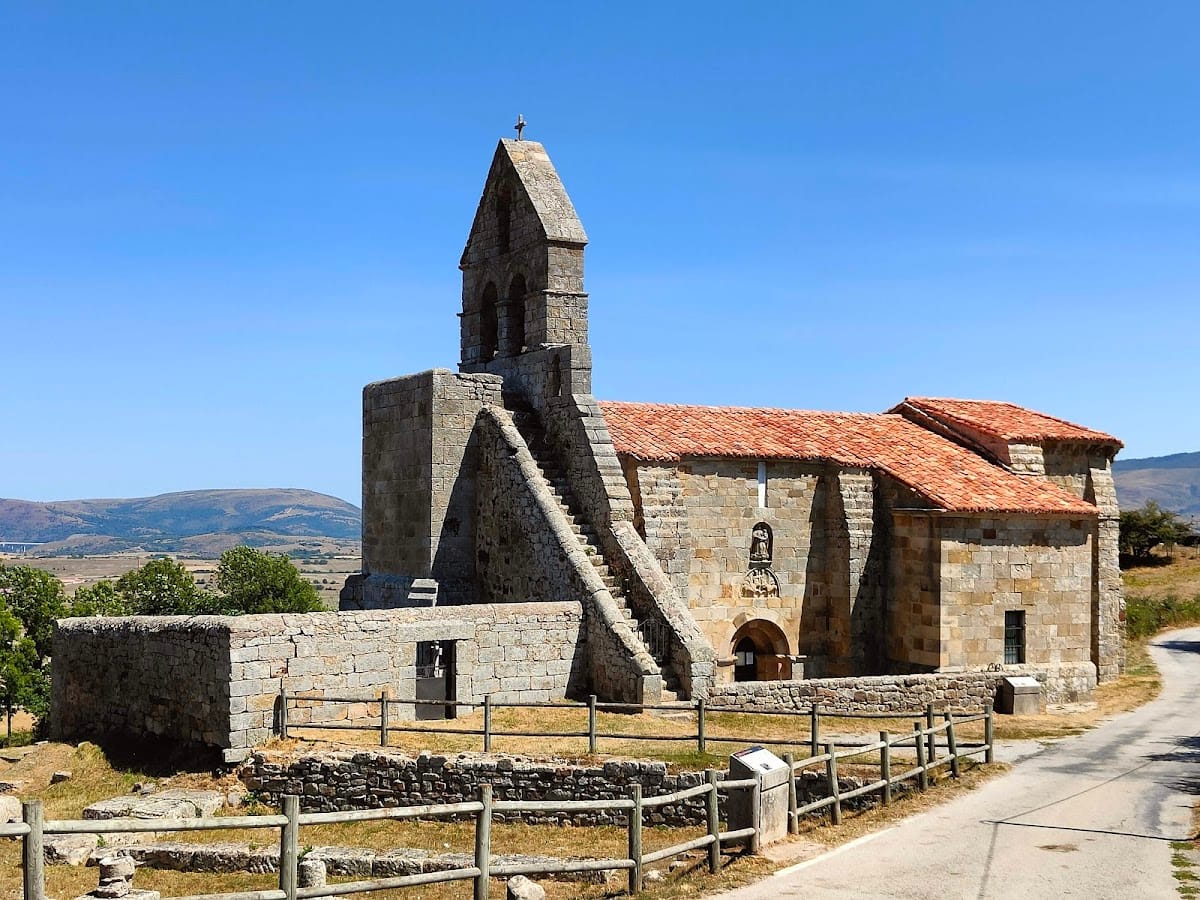
Julióbriga was abandoned during the third century AD. Small groups probably returned during the fourth century, when minor traces of burning also belong. From the fifth century until the thirteenth century, the centre of the former city was used as a cemetery. A Romanesque church was then built over the civic centre, and a small village developed around it. By the twelfth century, the church of Santa María de Retortillo had been built over or had replaced the earlier church.
In 1057, the land occupied by Julióbriga was granted to the religious institution of Santa Juliana at Santillana del Mar. The ruins were identified with Julióbriga during the second half of the eighteenth century by Enrique Flórez. Excavations began in the mid-twentieth century and have continued through the work of historians and archaeologists. Part of Retortillo stands directly over the ancient settlement, while excavated remains are concentrated in three nearby areas. Finds span the Iron Age, Roman period, and Middle Ages.
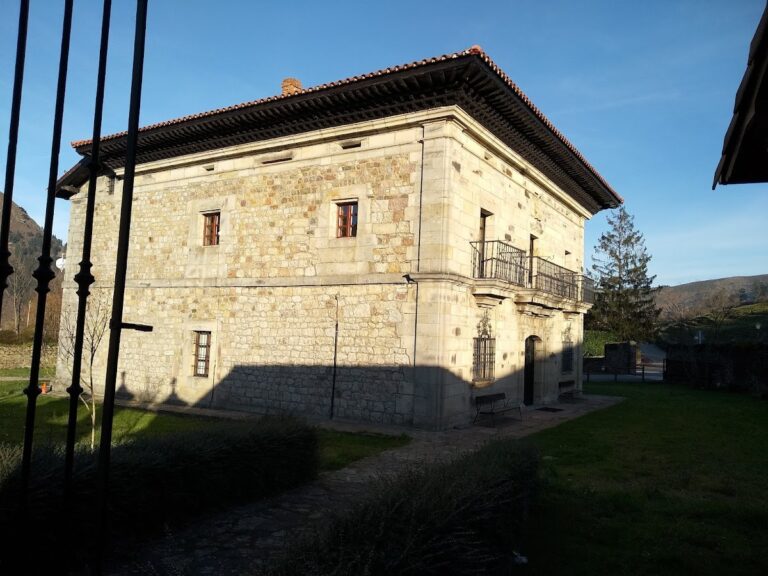
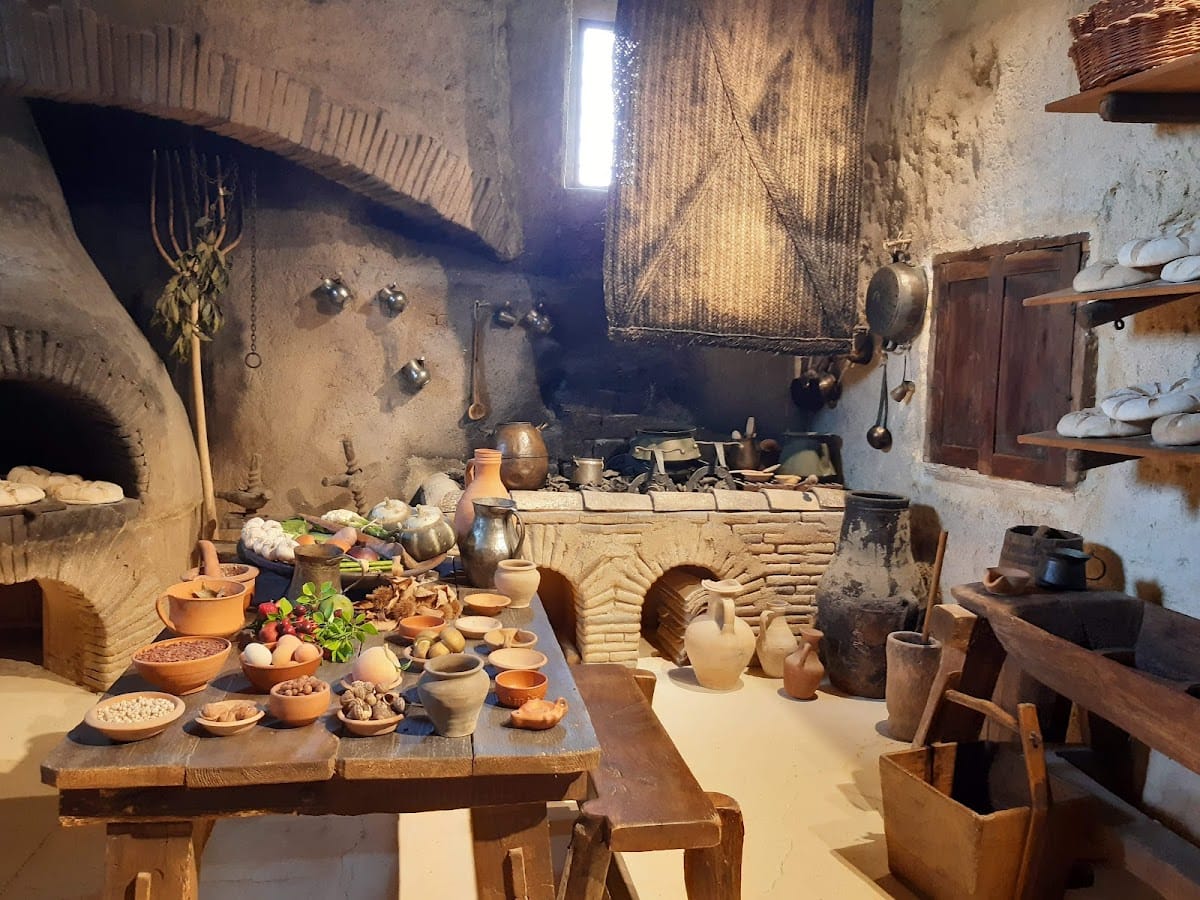
The Domus Romana museum opened at Julióbriga in 2003. Before then, archaeological material from the site had been transferred to the Archaeological Museum of Santander. The ruins were declared a Spanish Bien de Interés Cultural heritage site in 1985.
Remains
Julióbriga occupied more than 20 hectares on a hill approximately 917 metres above sea level in the Campoo valley, within the municipality of Campoo de Enmedio. The site is traditionally identified with ruins at Retortillo and its Villafría district. The Roman settlement combined substantial stone foundations with lighter superstructures of adobe, rammed earth, and wood. Roofs used timber and tiles, while sandstone ashlar and rubble masonry bonded with clay formed the principal Roman remains visible today.
Public centre and streets
Roman forum
The Roman forum, the principal public and civic space of the town, occupied a small precinct on the hilltop. It stood near and partly beneath the Romanesque church at Retortillo, linking the surviving Roman remains with the later occupation of the site.
Colonnaded street
A colonnaded street ran behind the forum. Square pilasters flanked the street, forming part of the urban architecture established by the late first century AD.
Houses and commercial buildings
Domestic architecture
The settlement included Roman-style houses arranged around peristyle courtyards, meaning open courtyards surrounded by columns. It also contained freestanding blocks of more modest dwellings without interior courtyards. Outside these buildings were smaller structures, including granaries, stables, and animal pens. This arrangement developed toward the Cantabrian Casa Montañesa house type. One granary retains surviving supports or foundations.
Casa de los Morillos
Casa de los Morillos dates to approximately AD 80. Firedogs found in the house are represented at the site by reproductions, preserving an association between the building and its domestic equipment.
Casa de los Mosaicos
Casa de los Mosaicos contains black-and-white pavements, baths, and a hypocaust, an underfloor heating system in which hot air circulated beneath a raised floor. These features show the presence of furnished domestic spaces and heated bathing installations within the settlement.
Tabernae
The tabernae, commercial premises that commonly opened onto streets, formed an insula-type building. The structure was terraced to accommodate storage areas, shops, and other commercial spaces.
Archaeological material
Objects recovered at Julióbriga include an omega-shaped Roman fibula and a denarius of Augustus. Together with the buildings and successive occupation layers, these finds belong to a sequence extending from the Iron Age through the Roman period and into the Middle Ages.