Castillo de Vispieres: A Ruined Medieval Fortification in Spain
Site at a Glance
- Rating
- 4.3
- Popularity
- Very Low
- Country
- Spain
- Primary era
- Medieval
- External website
- Open
- Eras represented
- Classical, Medieval
- Civilizations
- Crown of Castile, Roman
- Site type
- Military
- Remains
- Tower
On this page5 sections
History
Roman and Medieval Origins
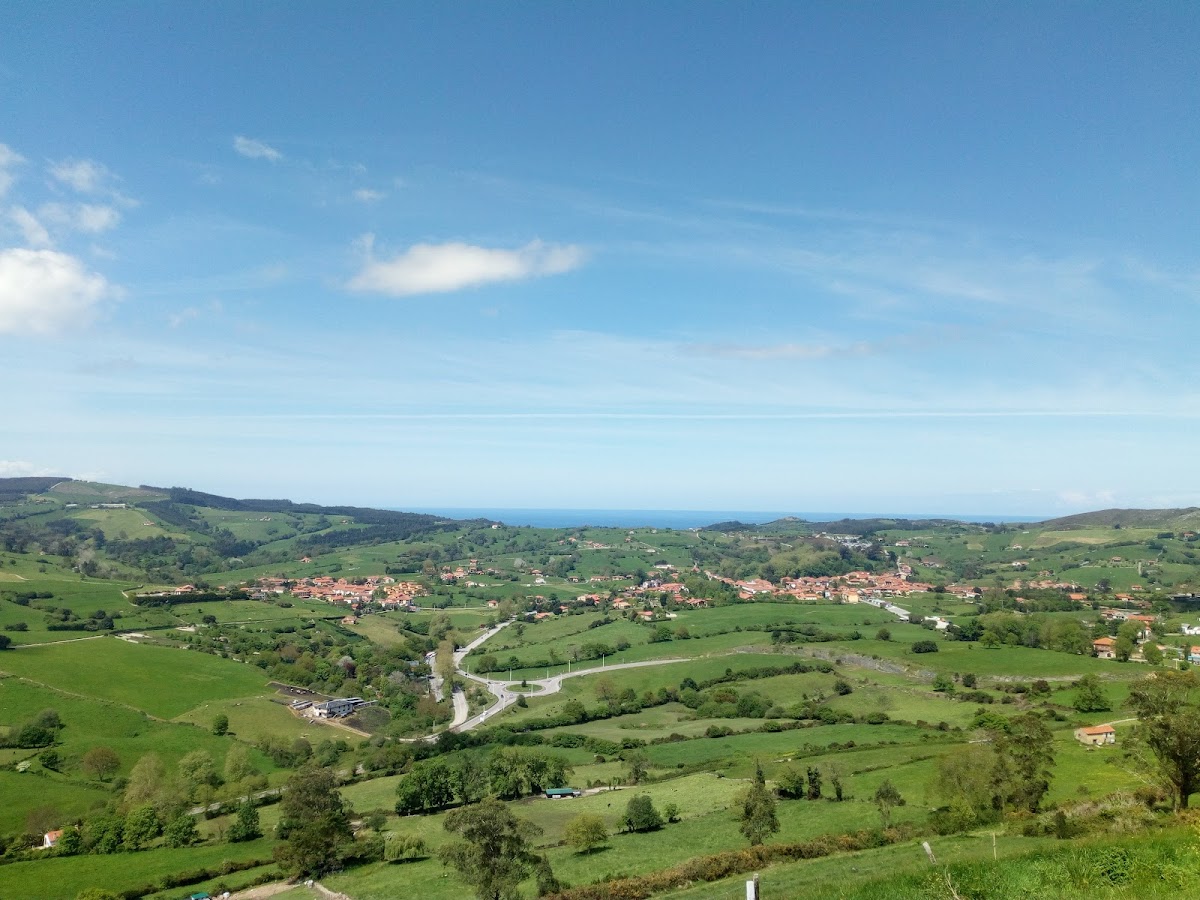
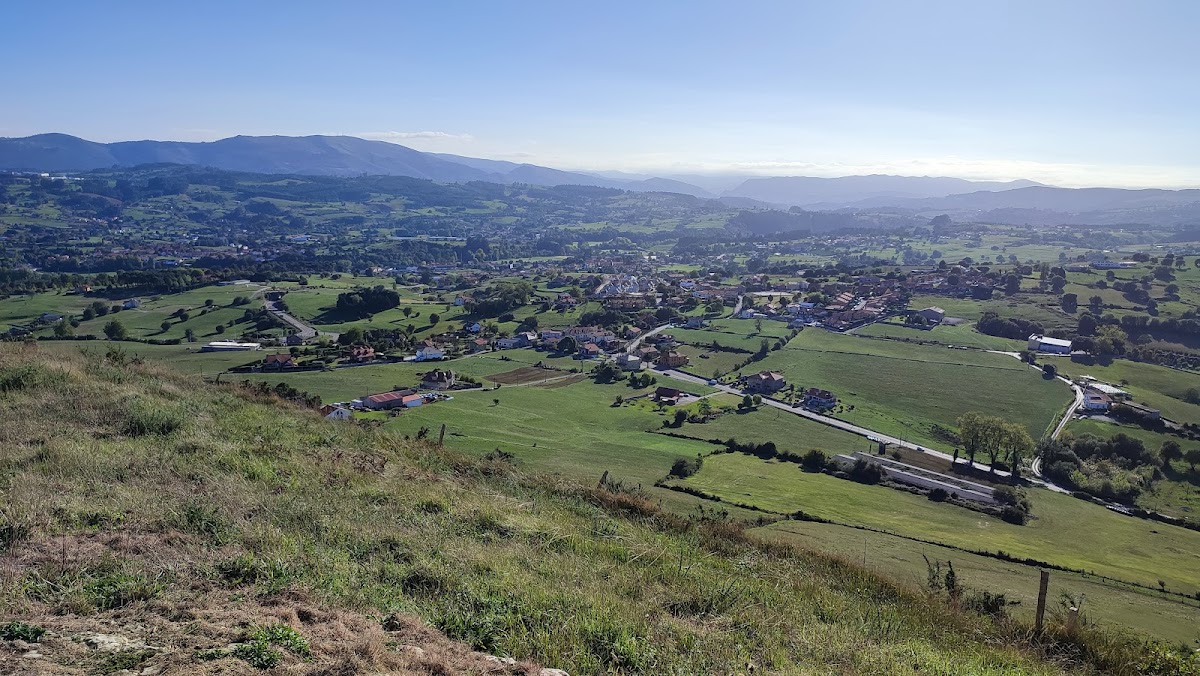
Castillo de Vispieres is the ruined remains of an early medieval fortified tower in Spain, on the summit of Vispieres in the municipality of Santillana del Mar, Cantabria. The medieval construction stood over a Roman fortress that served as a watchtower overlooking the Via Agrippa, a Roman road associated with the movement and administration of Roman territories.
Pliny the Elder, a first-century Roman author whose Natural History described the peoples, geography, and natural world of the Roman Empire, wrote about a Cantabrian hillfort that has been associated with this location. The Roman fortification was supposedly built over that earlier hillfort.
Crown Ownership and Abandonment
The medieval building belonged to the Crown until the fourteenth century. Alfonso XI, king of Castile from 1312 to 1350, bequeathed it to his son Tello, a fourteenth-century Castilian nobleman. The property later passed to the Marquises of Santillana, who also held the title of Dukes of Infantado.
The tower was probably abandoned during the sixteenth century. By 1827, it was recorded as surviving only in the form of walls.
Remains
Summit Enclosure
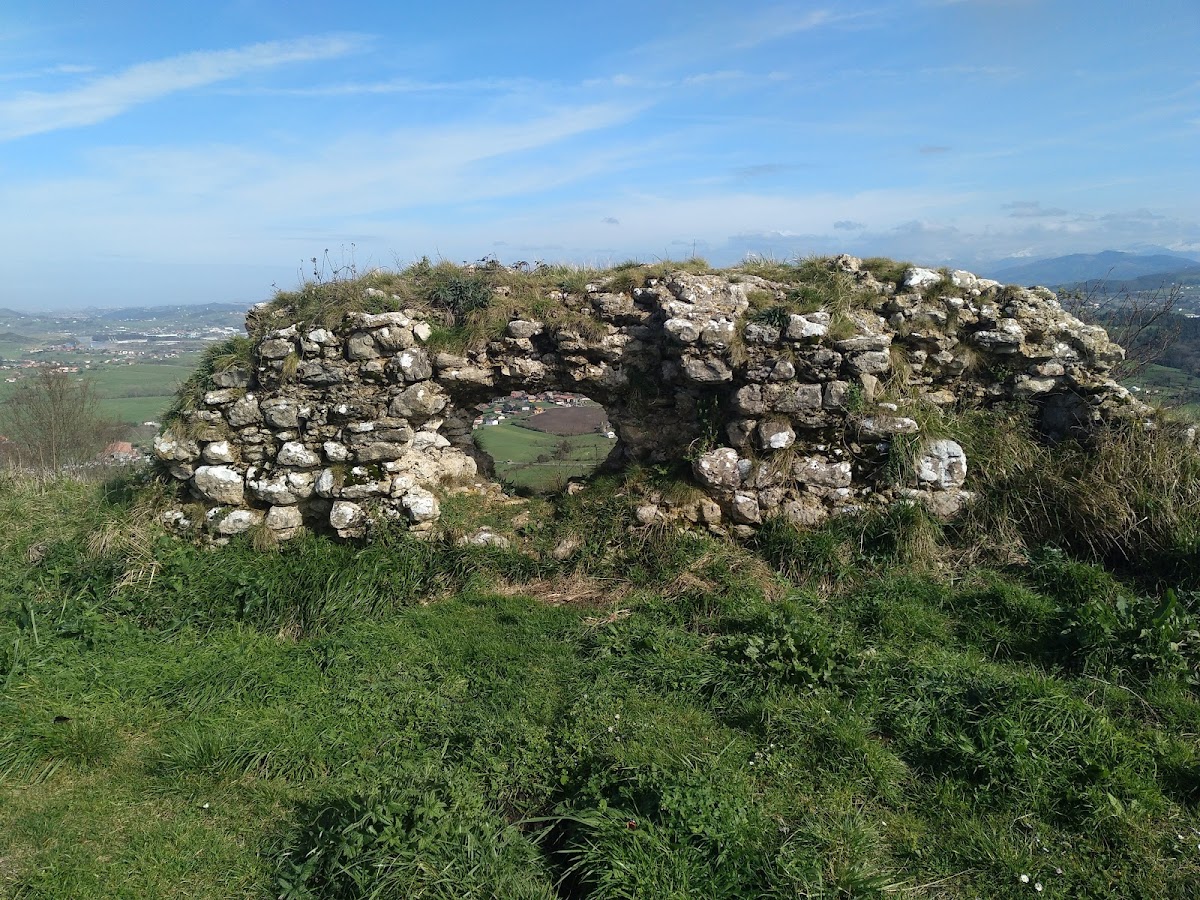
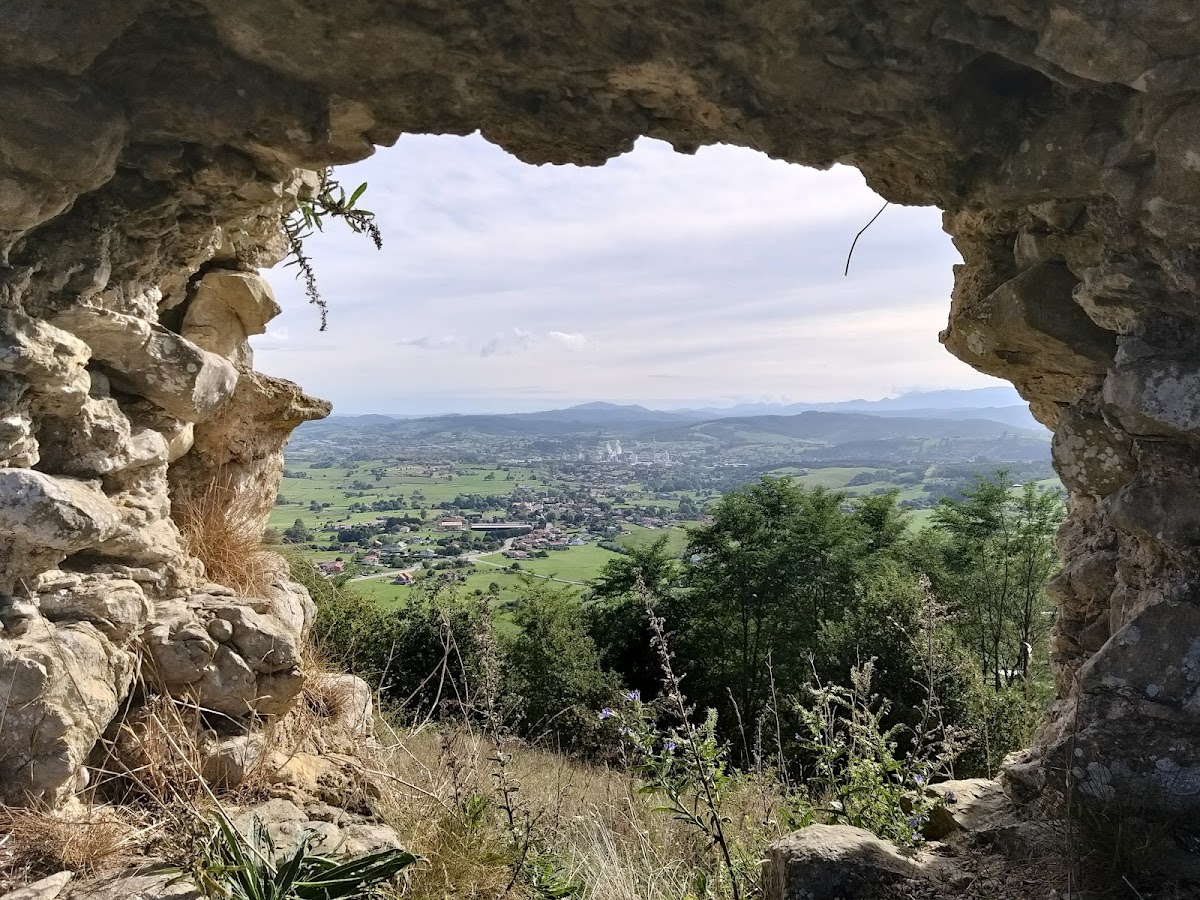
Although popularly called a castle, Castillo de Vispieres survives as an enclosure measuring approximately 11 by 12 metres at the top of Vispieres summit. Its masonry walls were bonded with mortar, and the surviving fabric is in a ruined condition.
One of the two surviving walls retains a loophole, a narrow opening in a defensive wall through which weapons could be used while protecting those inside. This feature preserves a direct indication of the enclosure’s defensive purpose.
Nearby sites