Archbishop’s Palace, Valletta: A Bishop’s Residence and Diocesan Centre
Site at a Glance
- Rating
- 5
- Popularity
- Very Low
- Country
- Malta
- Primary era
- Early Modern
- Eras represented
- Early Modern, Modern
- Civilizations
- Crusader, Knights Hospitaller
- Site type
- Religious
- Remains
- Palace
On this page10 sections
History
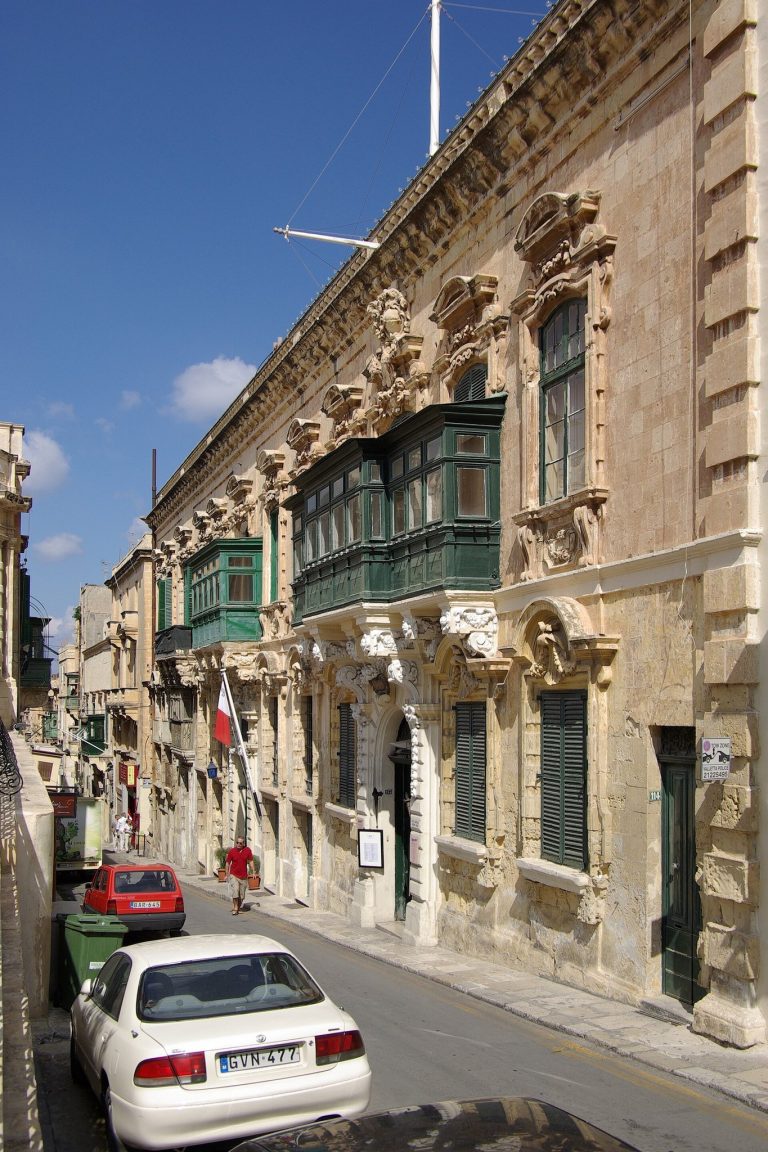
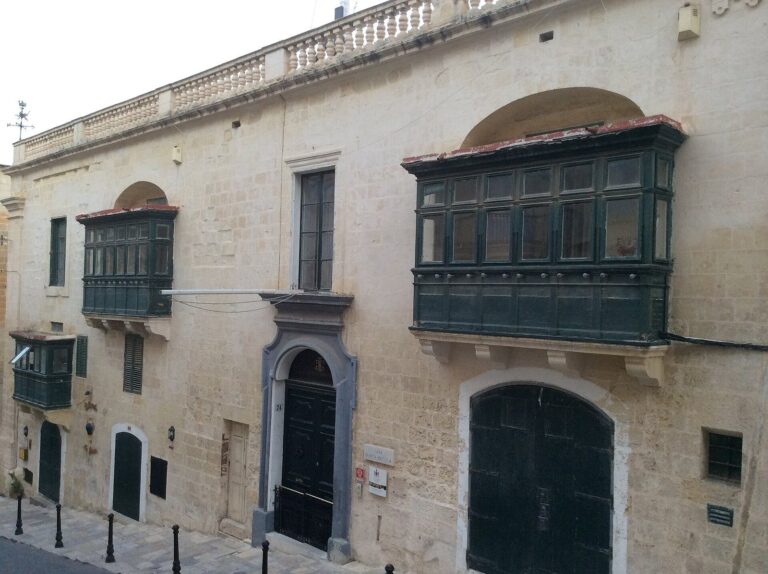
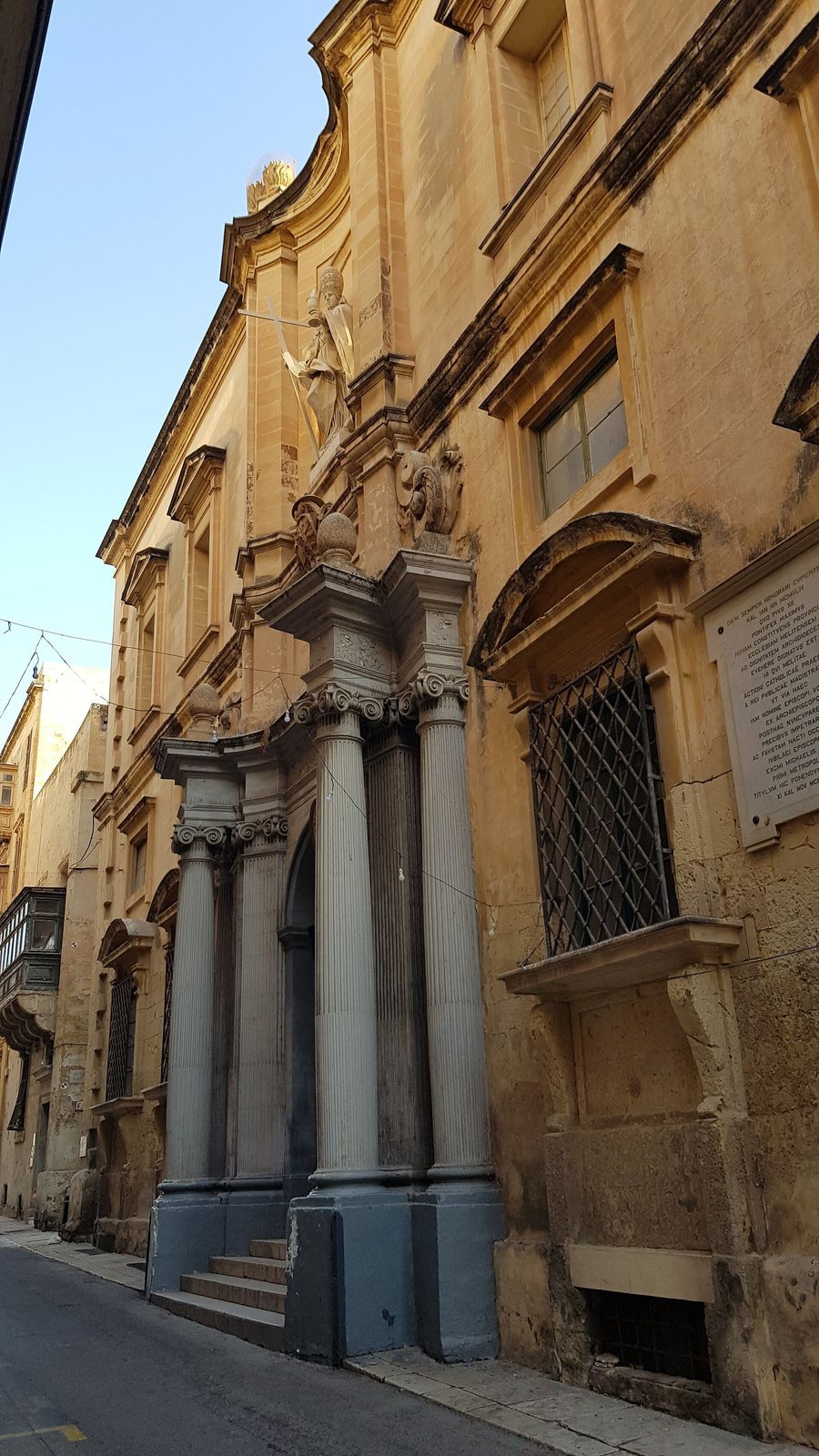
The Archbishop’s Palace in Valletta, Malta, was built between 1622 and 1631 as a residence for Baldassare Cagliares, the first Maltese-born man to serve as Bishop of Malta. Maltese architect Tommaso Dingli designed the building. Cagliares’s plan to move the bishop’s base to Valletta met opposition from the Order of St John, the Catholic religious and military order then governing Malta. The Order saw the proposal as an infringement of its authority in the city.
The palace was mostly complete by 1631, when construction had cost 12,000 scudi, a historical currency used in Malta. By the mid-1630s, the bishop’s residence and the Diocese of Malta’s administrative offices had moved there. The building also received dignitaries and housed the diocesan archives.
Expansion and completion
In 1730, Bishop Paul Alphéran de Bussan financed alterations and an expansion. A dispute between the diocese and the Order left the palace’s first storey unfinished until the twentieth century.
The first storey was completed during Archbishop Mikiel Gonzi’s episcopate, with the work carried out by architect Vincenzo Bonello.
Changing use
The palace was known as the Bishop’s Palace until 1944. Its use as an archbishop’s residence ended in 1976, and Gonzi was the last archbishop to live there.
In the late 1970s, the Curia, the diocese’s administrative body, and the archdiocesan archives moved to premises in Floriana. The Archdiocese of Malta continues to use the palace, which houses its Judicial Tribunal. The building and its collections underwent restoration in 2019.
Remains
The surviving site brings together an intact limestone palace and its residential garden.
Palace and interior features
Building and additions
The palace retains a loggia, an open-sided gallery, and other facilities added during the 1730 expansion.
Oratory and water features
An oratory, a small chapel or prayer space, is dedicated to Saint Joseph, regarded in Christian tradition as Mary’s husband and Jesus’s earthly father. The palace also contains underground water cisterns and a natural spring.
Garden and art collection
Garden
The garden is the largest residential garden in Valletta. It contains citrus trees and a fountain dating to the seventeenth century.
Paintings and sculpture
The palace holds paintings and sculptures, including a portrait of Bishop Paul Alphéran de Bussan by Maltese painter Francesco Zahra.