Lacassagne Castle: A Historic Residence in Gers, France
Site at a Glance
- Rating
- 4
- Popularity
- Very Low
- Country
- France
- Primary era
- Medieval
- Eras represented
- Medieval, Early Modern, Modern
- Civilizations
- French
- Site type
- Domestic
- Remains
- Castle
On this page11 sections
History
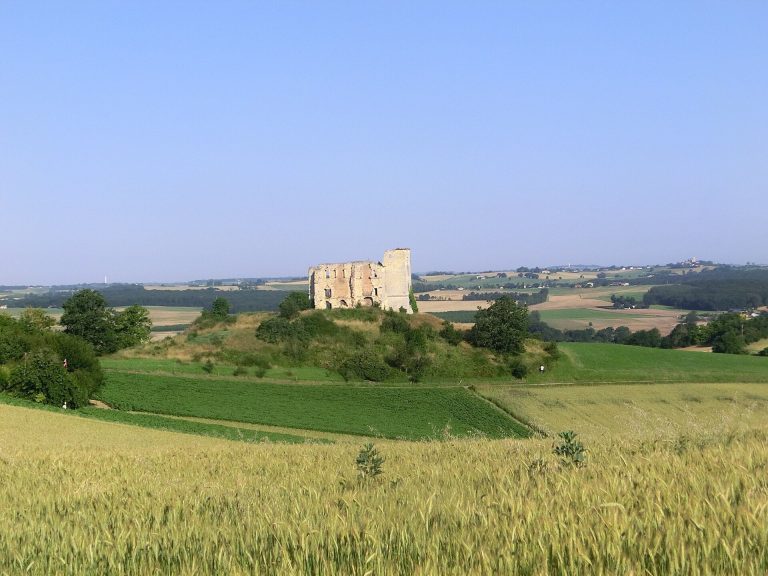
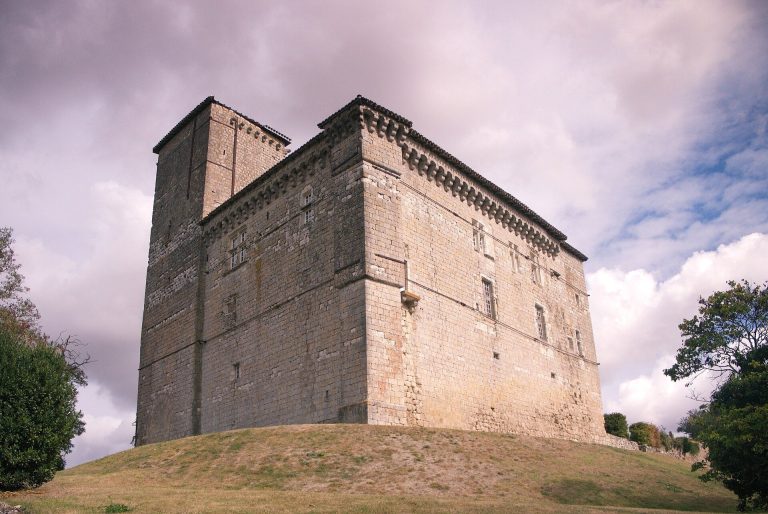
Lacassagne Castle is a historic residence in Saint-Avit-Frandat, in the Gers department of France. Its central tower-and-hall structure dates to the 13th century, and additions continued through the 19th century.
The name comes from the Gascon word cassanha, meaning “oak grove.” Earlier forms included La Cassaigne, Lacassaigne, and La Cassagne; Lacassagne is the current form.
The de Luppé Family
The de Luppé family owned the château from 1582 into recent times, and it remains privately owned. Between 1620 and 1640, Jean-Bertrand de Luppé du Garrané (died 1664) ordered the Knights of Malta Room to be decorated as a replica of the council chamber used by the order’s Grand Masters in Valletta.
De Luppé was a knight of the Order of Saint John of Jerusalem, a Catholic religious and military order whose members were also known as the Knights of Malta. He served as prior of Saint-Gilles, a senior religious official, and wrote memoirs about his travels in the Mediterranean.
Historic-Monument Protection
On 20 February 1980, the château was listed and classified as a historic monument. Protection covers the château’s façades and roofs, those of its outbuildings, the orangery, and the Knights of Malta Room with its decoration.
Remains
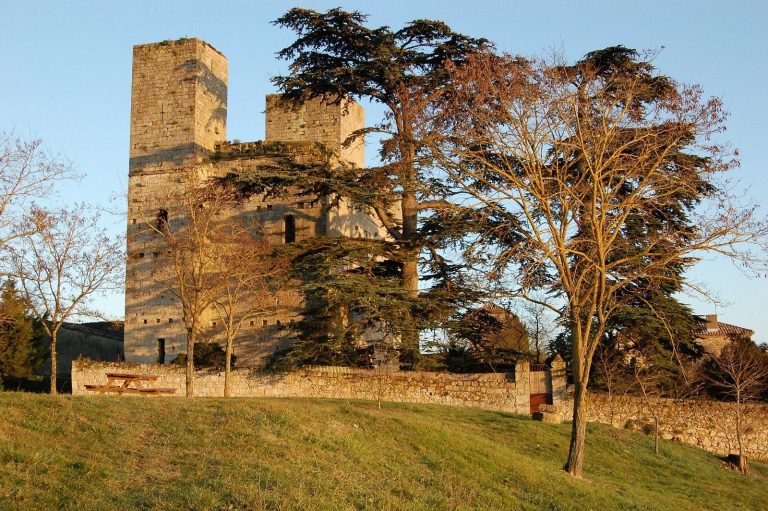
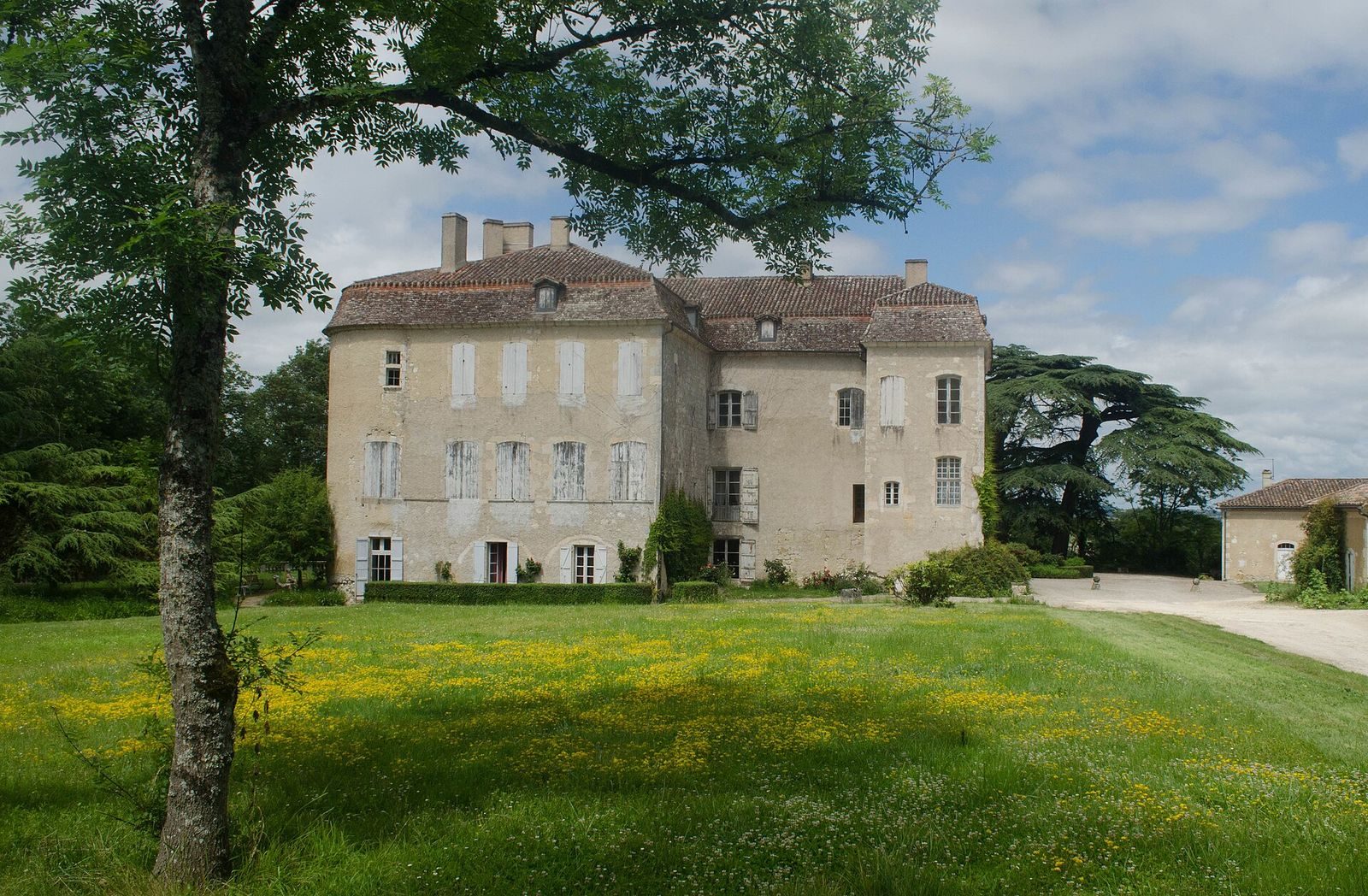
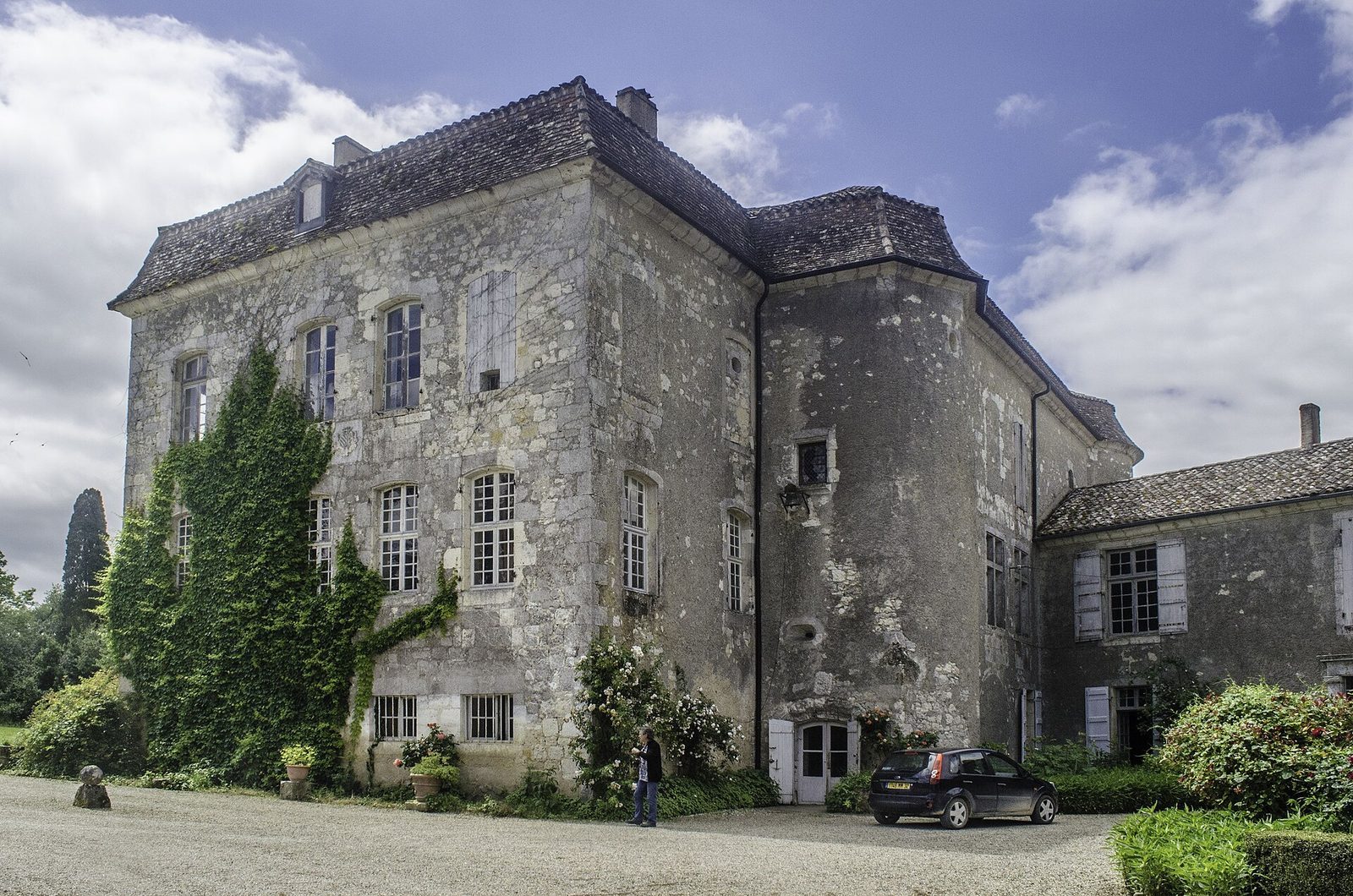
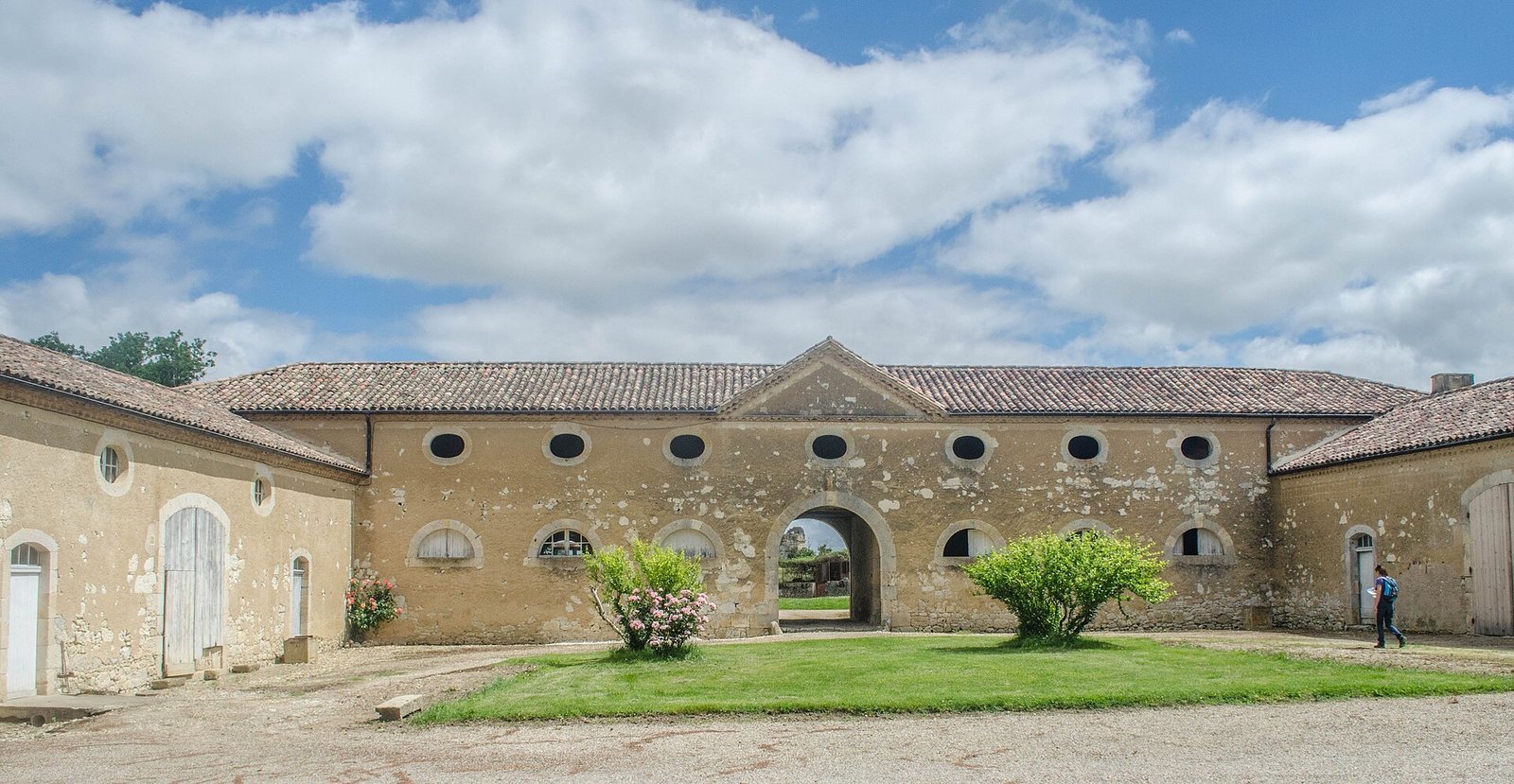
The complex is organized around the château and a courtyard formed by its outbuildings, while the main residence reflects successive additions to an earlier core.
Castle and Grounds
Central Building and Towers
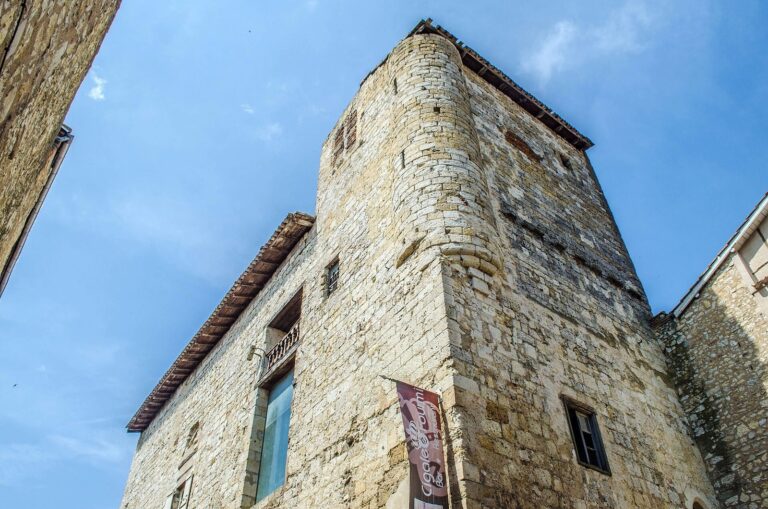
The earlier hall was altered in the 15th century with the addition of a spiral staircase and windows. A round tower on the northeast façade holds a staircase that once served three storeys; the château now has two. Two round towers flanking the central building date to the 17th century, when it also received a Mansard roof, with two slopes on each side and a steeper lower slope. The roof combines curved canal tiles and flat tiles. In the 18th century, a first-floor balcony carried on projecting supports linked the towers.
Courtyard and Park
A west wing was added in the 19th century. Outbuildings built in 1850 define the courtyard, which includes an orangery. An English-style park was created in the 17th century.
Knights of Malta Room
Room and Canvases
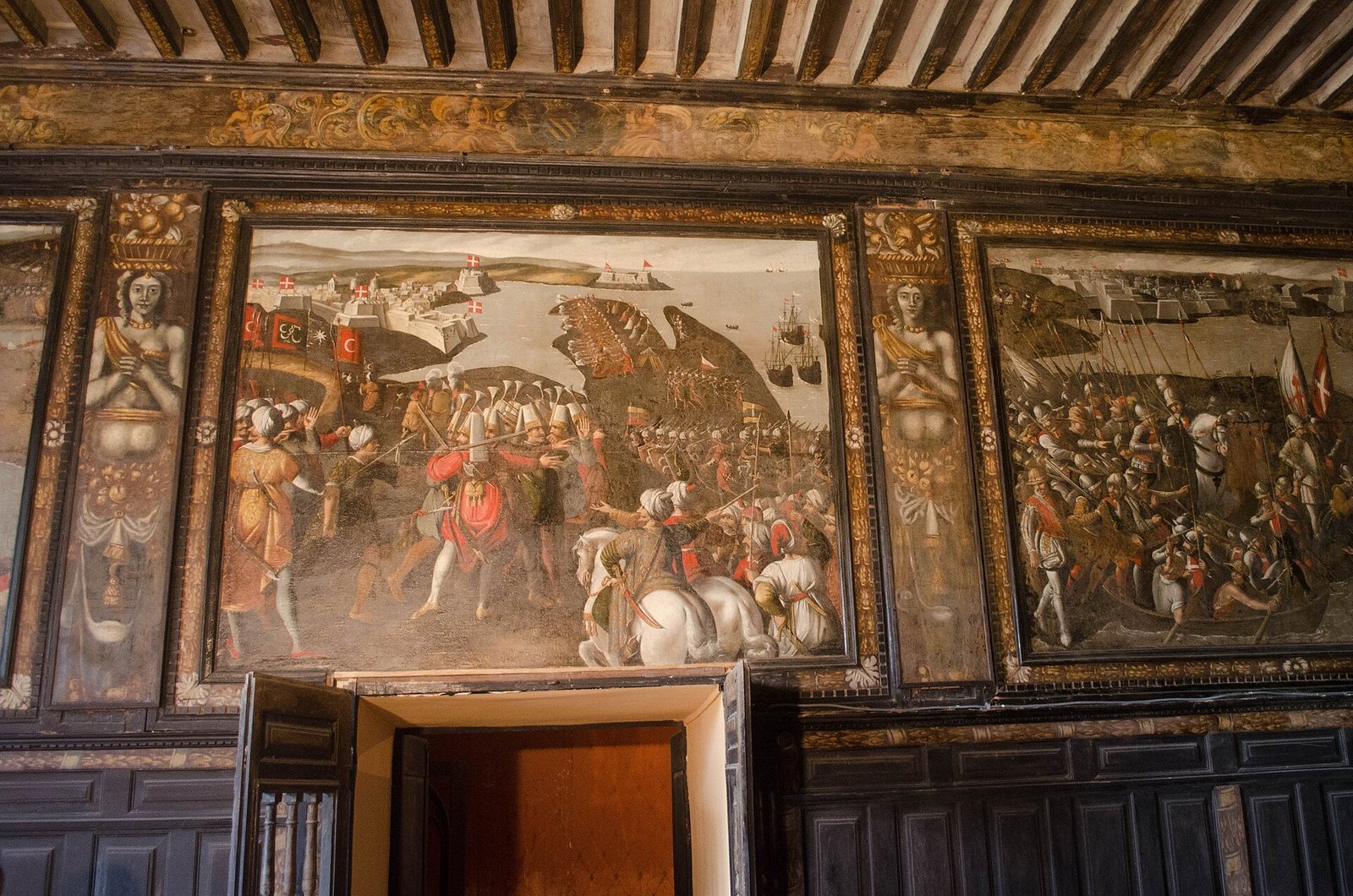
On the first floor, the room measures 13 by 9 metres and stands 5 metres high. Its model was the Grand Masters’ council chamber at the Palace of the Grand Masters in Valletta, although the two rooms differ in size. Fourteen large canvases fill the room: twelve draw on Matteo Pérez d’Aleccio’s scenes of the 1565 Great Siege of Malta, the Ottoman campaign to capture the island that the Knights Hospitaller resisted; another depicts Valletta, and a final canvas shows Jean-Bertrand de Luppé in a full-length portrait painted after his death. One canvas was divided to fit the room and its windows.
Images and Models
Painters of the Italian school produced the canvases in Valletta in imitation of d’Aleccio’s frescoes. The extra view of Valletta appears in printed versions of his cycle but not in the original frescoes, raising the possibility that the Lacassagne painters relied on prints rather than copying the frescoes directly. D’Aleccio’s images circulated in print collections, including one he assembled in 1582 and another produced by Francesco Lucini in 1631. Eight related paintings in a maritime museum in Greenwich may have been models made by d’Aleccio himself.
Interior Decoration
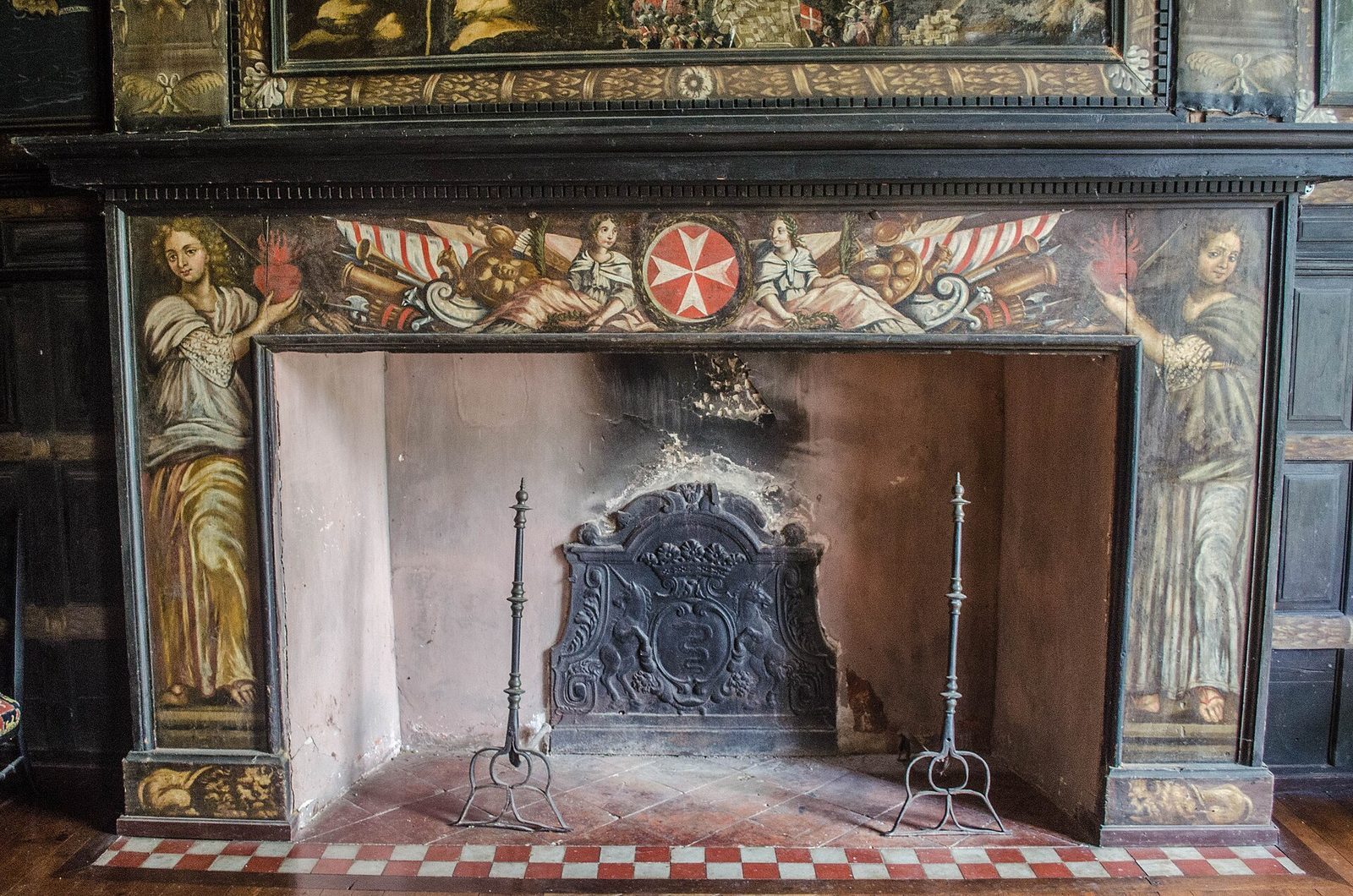
Oak panelling covers the lower walls to a height of 2 metres, with painted laurel garlands dividing it into panels. The canvases occupy the wall space above. A wooden fireplace, also 2 metres high, bears allegorical figures and the Maltese cross. The woodwork and ceiling beams are painted, and forty framed panels on the beams depict views of Malta. The original council chamber in Valletta was damaged by bombing during the Second World War and later restored, giving the Lacassagne room additional documentary value.