Suō Kokuga: Ruins of a Provincial Government Center in Japan
Site at a Glance
- Rating
- 3.9
- Popularity
- Medium
- Country
- Japan
- Primary era
- Medieval
- External website
- Open
- Eras represented
- Medieval, Early Modern
- Civilizations
- Mōri, Tokugawa
- Site type
- City
On this page12 sections
History
Nara and Early Heian Administration
Suō Kokuga is the archaeological site of the former provincial capital and government-office complex of Suō Province, in Hōfu, Yamaguchi Prefecture, Japan. A kokuga was the complex of offices within a provincial capital. The site served from the Nara period into the early Heian period as part of a network of provincial centers established after the Taika Reform of 645, which strengthened central government. A provincial governor, the kokushi, led its administration, replacing the hereditary local ruler known as a kuni no miyatsuko.
From Government Center to Temple
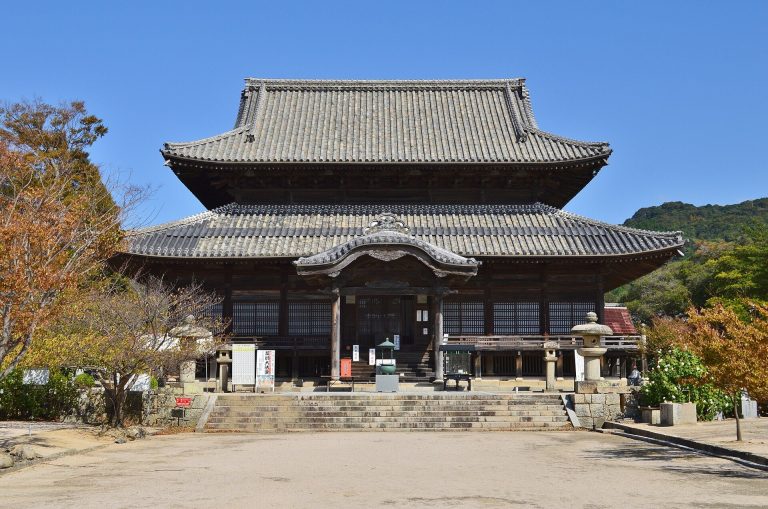
As central authority weakened and feudal rule expanded, many provincial capitals declined from the late Heian period into the opening of the Kamakura period. Suō’s center followed a different course. In 1186, income from the province was assigned to the rebuilding of Tōdai-ji, a major Buddhist temple in Nara. The administrative complex itself became Kokuchō-ji, a temple that remained on the site until the beginning of the Meiji period. This continued use helped the complex retain much of its earlier form.
Investigation and Protection
The first archaeological investigations took place from 1961 to 1964, and work continued afterward. Suō Kokuga became a National Historic Site of Japan in 1937, and the protected area was enlarged in 2004. The site’s relatively well-preserved remains contributed to its recognition as an especially valuable archaeological site.
Remains
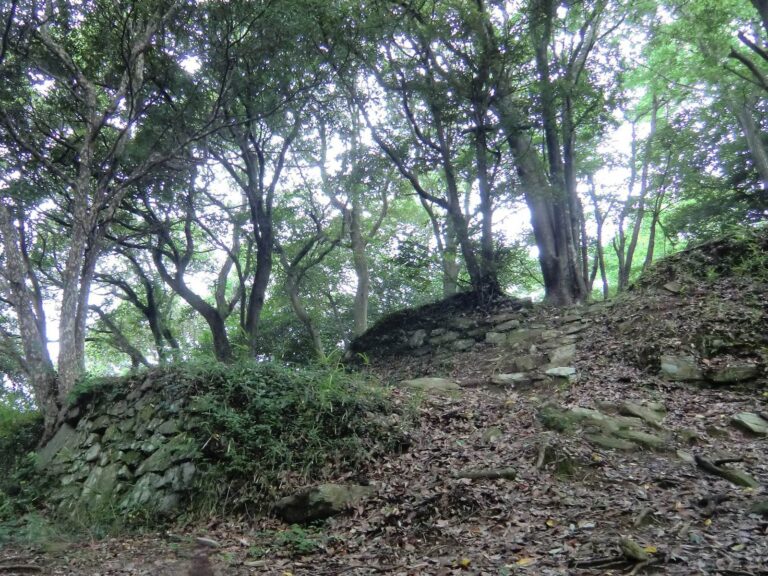
The remains lie on an alluvial terrace south of Mount Tatara, near the center of the Hōfu Plain. Evidence points to a broad capital area, a smaller government enclosure, and a port district. Ditches, earthen embankments, and a moat help define parts of this layout.
Capital Layout and Related Remains
Wider capital area
The capital area is estimated to have extended about 850 metres on each side. Ditches and earthen embankments marked portions of its north and south boundaries, as well as the northwestern and southwestern corners. Building remains around the government-office area and beyond the eastern boundary embankment suggest that the settlement may have extended beyond this estimated footprint.
Government enclosure
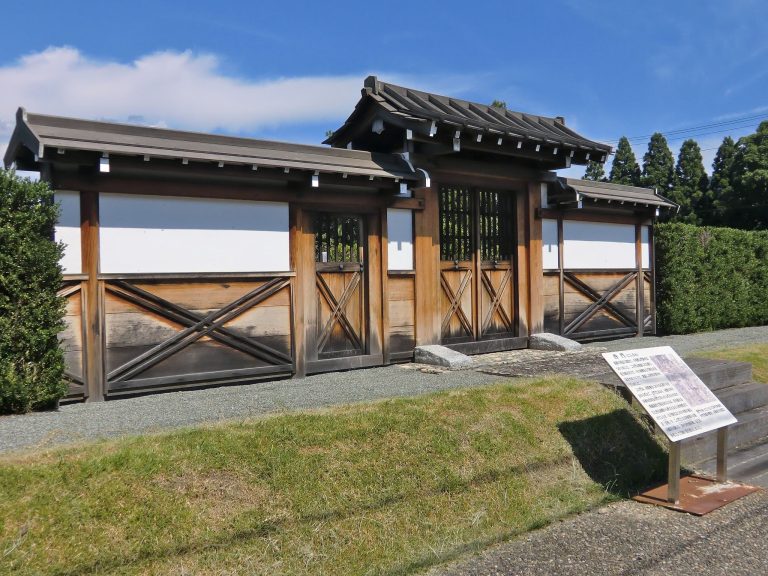
The administrative enclosure occupied the southern part of the capital area and measured about 220 metres on each side. A moat and an earthen rampart, about three metres wide, enclosed it. Each of its four sides had a gate.
Roads, buildings, and port district
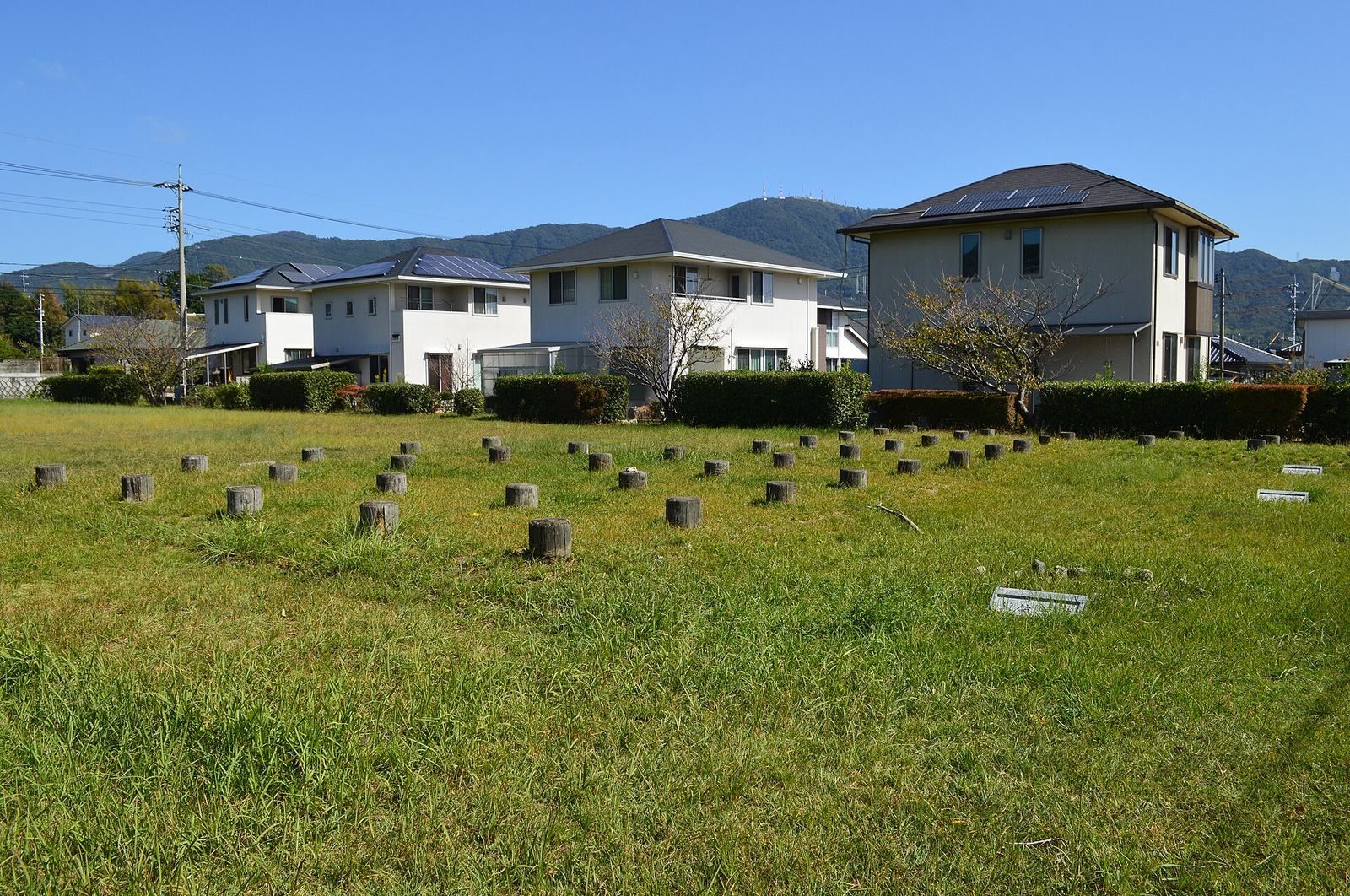
A north-south road divided the enclosure, while a separate Suzaku Avenue, a principal avenue in an ancient capital, was laid out in the wider capital area. Later disturbance has obscured the building plan. The government offices are thought to have stood west of the main north-south axis, with a kitchen, workshop, and other buildings to the east.
During the Nara period, the Seto Inland Sea shoreline lay south of the capital. The port serving the complex was in the southeastern district known as Funadokoro and Hamanomiya. Nearby, a shoreline structure reinforced with stones and stakes and foundations believed to belong to late Heian-period warehouses mark the port area.
Excavated Finds and Markers
Excavated materials
Excavations recovered Nara-period pottery and stones bearing human faces drawn in ink. Finds from the surrounding area also include Chinese ceramics, locally made tileware, and Haji ware, an unglazed earthenware. Wooden tablets excavated at the provincial-capital site are recognized as tangible cultural properties of Hōfu City.
Monuments
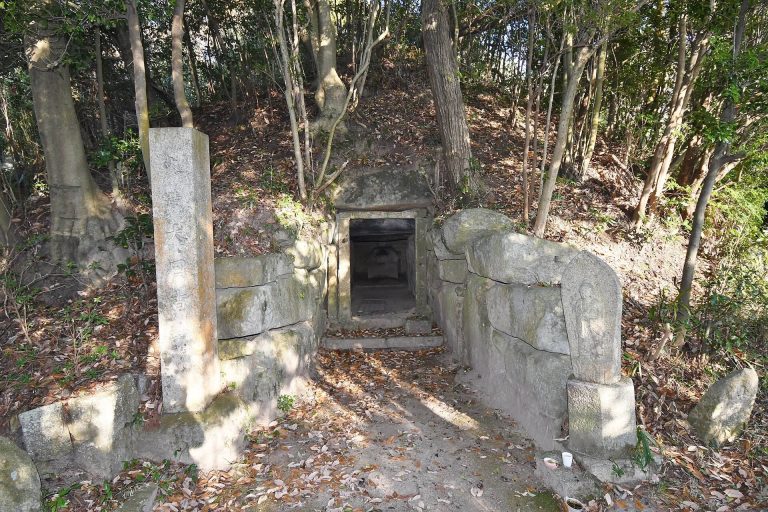
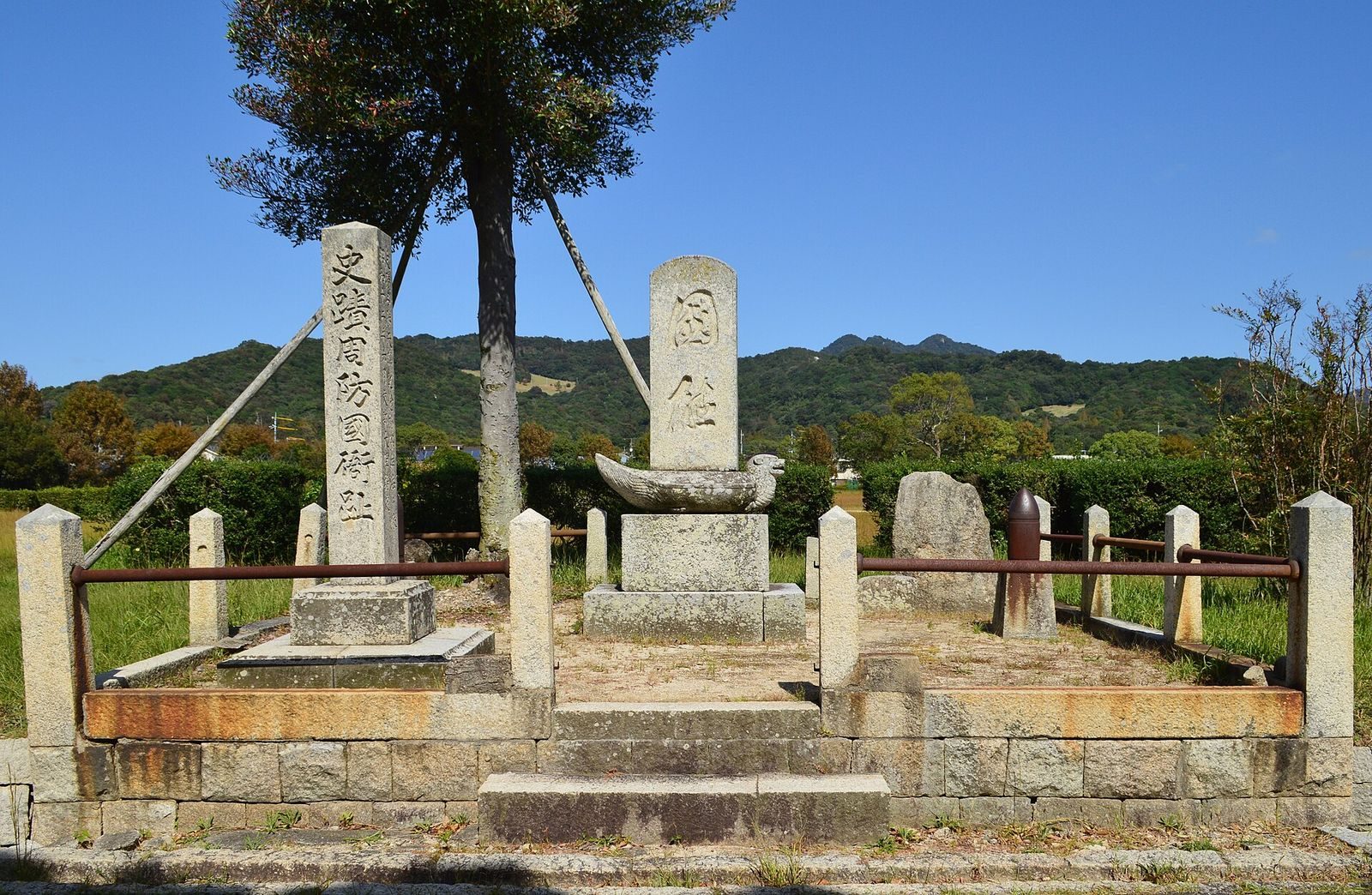
Four monuments mark the former provincial-office site at its northeastern, southeastern, southwestern, and northwestern corners. A separate stone marker for the provincial office, erected in 1778 by two people associated with Kokuchō-ji, also survives. The ruins now form a historic-site park.