Rurikō-ji Temple: A Muromachi Buddhist Temple and National Treasure Pagoda in Yamaguchi


Site at a Glance
- Rating
- 4.4
- Popularity
- Medium
- Country
- Japan
- Primary era
- Medieval
- External website
- Open
- Eras represented
- Medieval, Early Modern
- Civilizations
- Ashikaga shogunate, Mōri, Tokugawa
- Site type
- Religious
- Remains
- Temple
On this page13 sections
History
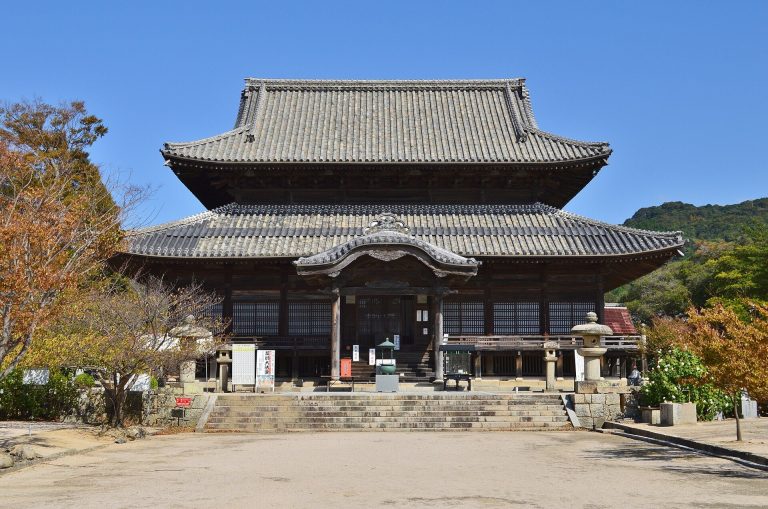
Rurikō-ji Temple is a Sōtō Buddhist temple in Yamaguchi, Japan, founded in 1471 and now known for its five-story pagoda from the Muromachi period. Formally called Honeizan Rurikōzen-ji, it is dedicated to Yakushi Nyorai, the Buddha associated with healing and the protection of living beings. The temple represents the cultural achievements of the Ōuchi clan, a powerful medieval family that made Yamaguchi a major cultural centre and helped earn it the description “Kyoto of the West.” The complex now stands within Kozan Park.
The Ōuchi Legacy
The site was first occupied by Kōshaku-ji, founded by Ōuchi Yoshihiro, the twenty-fifth head of the Ōuchi clan. Yoshihiro was killed in 1399 during the Ōei War, a conflict in which forces led by the shogun Ashikaga Yoshimitsu defeated him. His younger brother, Ōuchi Morimi, began building a pagoda in his memory. Morimi died in Kyushu in 1431 while fighting the Shōni and Ōtomo clans, but the pagoda was completed around 1442.
A Buddhist worship hall was built at the former Kōshaku-ji site in 1540. After the fall of the Ōuchi clan, the building was dismantled and transferred to Hiroshima. It survives as the main hall of Fudō-in Temple, where it is designated a National Treasure.
Foundation of Rurikō-ji
The predecessor of the present temple was founded in the Niho district of Yamaguchi in 1471 by the wife of Sue Hirofusa, the seventh head of the Sue clan. She established it in memory of her deceased husband. The temple was initially called An’yō-ji and received the name Rurikō-ji in 1492.
The temple reached its present location through the political realignment that followed the Battle of Sekigahara in 1600. That battle established Tokugawa Ieyasu’s supremacy and led to the formation of the Tokugawa shogunate. Mōri Terumoto was defeated, his territories were reduced, and he established his seat at Hagi. In 1604 he transferred Kōshaku-ji to Hagi. The Rurikō-ji at Niho was subsequently moved to the former Kōshaku-ji site in 1690, creating the present complex.
Late Edo and Meiji Associations
Kozan Cemetery contains the graves of successive generations of the Mōri family. Among those buried there are the thirteenth Mōri daimyō, Mōri Takachika, his wife, his heir Mototoku and Mototoku’s wife, and his son Motoaki and Motoaki’s wife. The cemetery forms part of the Hagi Domain Mōri Clan Cemetery National Historic Site, together with Mōri cemeteries at Tenju-in, Daishō-in, and Tōkō-ji in Hagi.
Chinryūtei became associated with secret meetings between representatives of the Chōshū and Satsuma domains. Their negotiations led to the Satchō Alliance, a late nineteenth-century political and military partnership against the Tokugawa shogunate, and ultimately contributed to the shogunate’s overthrow in 1868. The building was relocated several times before being moved into Kozan Park.
Rozandō was constructed as a tea room within the domain offices when Mōri Takachika transferred the administration of the domain from Hagi to Yamaguchi. Although designed as a tea room, it was also used for clandestine discussions opposing the shogunate. After falling into disrepair, it was moved to Kozan Park in 1891 on the initiative of Shinagawa Yajirō, a Meiji-period statesman who later held senior government offices. Tea gatherings continue to take place there.
The pagoda is designated a National Treasure of Japan, while the Mōri cemetery belongs to a National Historic Site. Three portraits connected with Rurikō-ji’s founding abbot and the next two abbots are designated cultural properties by Yamaguchi Prefecture. A major modern renovation of the pagoda has also included the temporary presentation of its normally concealed sacred image in a special venue beside the main hall.
Remains
The surviving complex is organized around a five-story pagoda, the cemetery, and historic buildings that were moved into Kozan Park. Its principal monument is a timber structure with bark-covered roofs and a design that combines predominantly Japanese forms with features influenced by Chinese-influenced Zen architecture. Other remains preserve the funerary history of the Mōri family and the political and cultural activities associated with the temple precinct.
Five-Story Pagoda
The pagoda was completed around 1442 and rises 31.2 metres. Built during the Muromachi period, it is regarded as a major surviving example of mid-Muromachi architecture and as a masterpiece of Ōuchi-period culture. Its roofs are covered with bark from hinoki cypress. The structure is primarily in the Japanese wayō style, while elements associated with the Chinese-influenced Zen style include inverted-lotus finials on the balustrades and a circular altar.
A distinctive gallery encircles only the second story. On the first story, a circular shumidan, or Buddhist altar pedestal for enshrined images, carries an image of Amida Nyorai and a monk-shaped image of Ōuchi Yoshihiro. The circular altar is described as unique among Japanese Buddhist pagodas. The pagoda is traditionally described as the tenth-oldest outdoor five-story pagoda in Japan and is sometimes counted among Japan’s three famous pagodas, together with those at Daigo-ji in Kyoto and Hōryū-ji in Nara.
An oral tradition identifies the pagoda as Yoshihiro’s tomb. He was first buried at Sakai and was later said to have been reinterred at Kōshaku-ji. According to this tradition, his coffin lies beneath the pagoda, in the space normally associated with Buddhist relics.
Pagoda Collections
Rurikō-ji Museum
The Rurikō-ji Museum presents models and documents relating to the pagoda. Its displays include one-hundredth-scale models and explanatory panels for 55 major five-story pagodas from different parts of Japan.
Cemetery and Historic Buildings
Kozan Cemetery
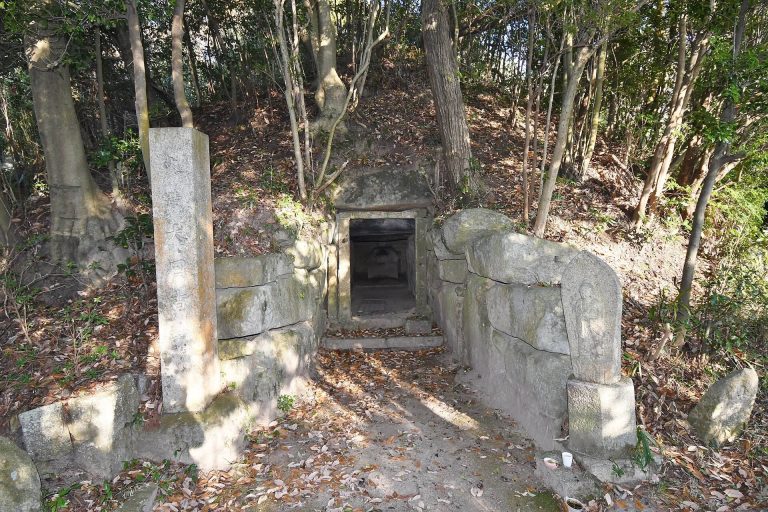
Kozan Cemetery is a physical cemetery within the temple complex. It contains the Mōri family tombs and other graves, including a stated group of seven tombs representing successive generations of the family.
Chinryūtei
Chinryūtei is a historic building now located in Kozan Park. Its surviving association is with the confidential negotiations between Chōshū and Satsuma representatives that preceded the Satchō Alliance.
Rozandō
Rozandō remains a tea room in Kozan Park. Although it was created within the Mōri domain offices, its historical use also included private anti-shogunate discussions. Tea gatherings continue to be held in the building.
Stone-Paved Area
A stone-paved area in front of the steps leading to Kozan Cemetery produces a high-pitched “kyū” sound when stamped or struck. The effect is attributed to the surrounding terrain and steps and is regarded as accidental rather than as an intentional feature of the construction.