Hawkstone Hall: An Early Eighteenth-Century Country Mansion
Site at a Glance
- Popularity
- High
- Country
- United Kingdom
- Primary era
- Early Modern
- Eras represented
- Early Modern, Modern
- Civilizations
- British, English
- Site type
- Domestic
- Remains
- Manor House
On this page10 sections
History
Hawkstone Hall is an early eighteenth-century country mansion near Hodnet and Weston-under-Redcastle in the United Kingdom, built by Richard Hill between 1701 and 1725. Its earlier manor residence was Red Castle, and Hawkstone served as the seat of a branch of the Shropshire Hill family for more than 300 years.
Red Castle and the medieval manor
Dugdale dated Red Castle to the reign of Henry III, king of England from 1216 to 1272. An Audley family manuscript claimed the castle was older and related a tradition that Matilda, wife of William the Conqueror, granted the surrounding lands to John de Audley and his heirs in return for service to the state. The Audleys, later allied with the Stanley family, held the manor during the medieval period.
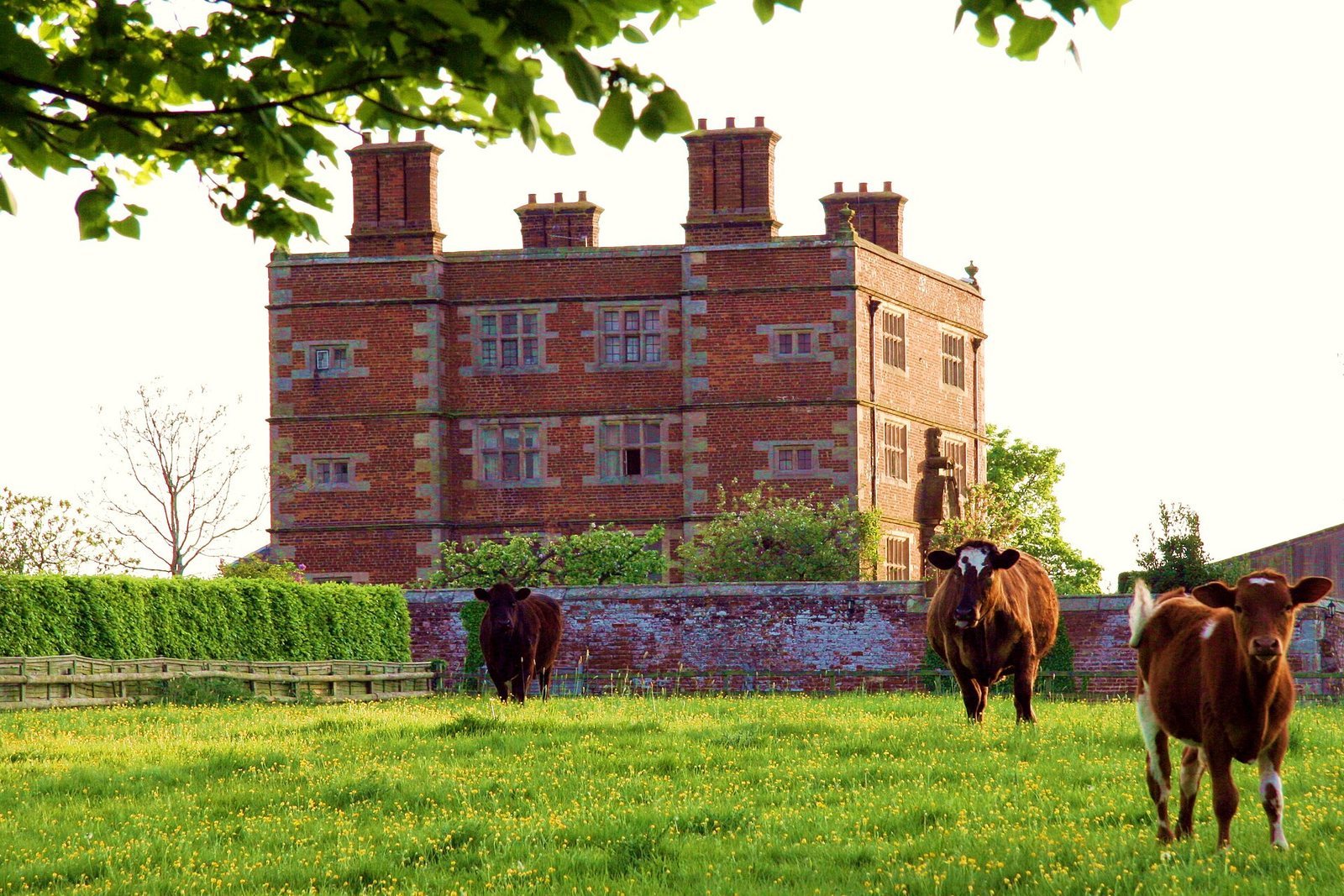
By the Tudor era, from 1485 to 1603, Red Castle was already in ruins. Sir Rowland Hill of Soulton, a sixteenth-century merchant and politician, acquired Hawkstone in the same transaction as Soulton. He built his house at Soulton and is understood to have used Hawkstone for landscape gardens rather than as a residence.
The Hill family at Hawkstone
Rowland Hill, later 1st Viscount Hill, and his brother Robert were born at the Hall. Both fought at the Battle of Waterloo in 1815, during the final campaign against Napoleon. The Hawkstone branch of the Hill family ended with the death of Rowland Clegg-Hill, 3rd Viscount Hill, in 1895. The Hall’s contents were sold, and the estate had been broken up by 1906.
New ownership and changing use
The Hall was sold to Liberal politician George Whiteley, later Baron Marchamley, who commissioned renovations. In 1926, the Redemptorists, a Roman Catholic religious congregation, acquired the building. It functioned as a seminary, an institution for training candidates for the clergy, until 1973, when the seminary moved elsewhere. From 1975, the Hall was used as a Pastoral and Renewal Centre.
Put on the market in 2014, the Hall was purchased in August 2017. Following permission for a change of use, it was converted in 2017–18 into a hotel and a venue for weddings and events. Hawkstone Hall is Grade I listed, England’s highest listed-building category, reserved for buildings of exceptional interest.
Remains
Setting and design
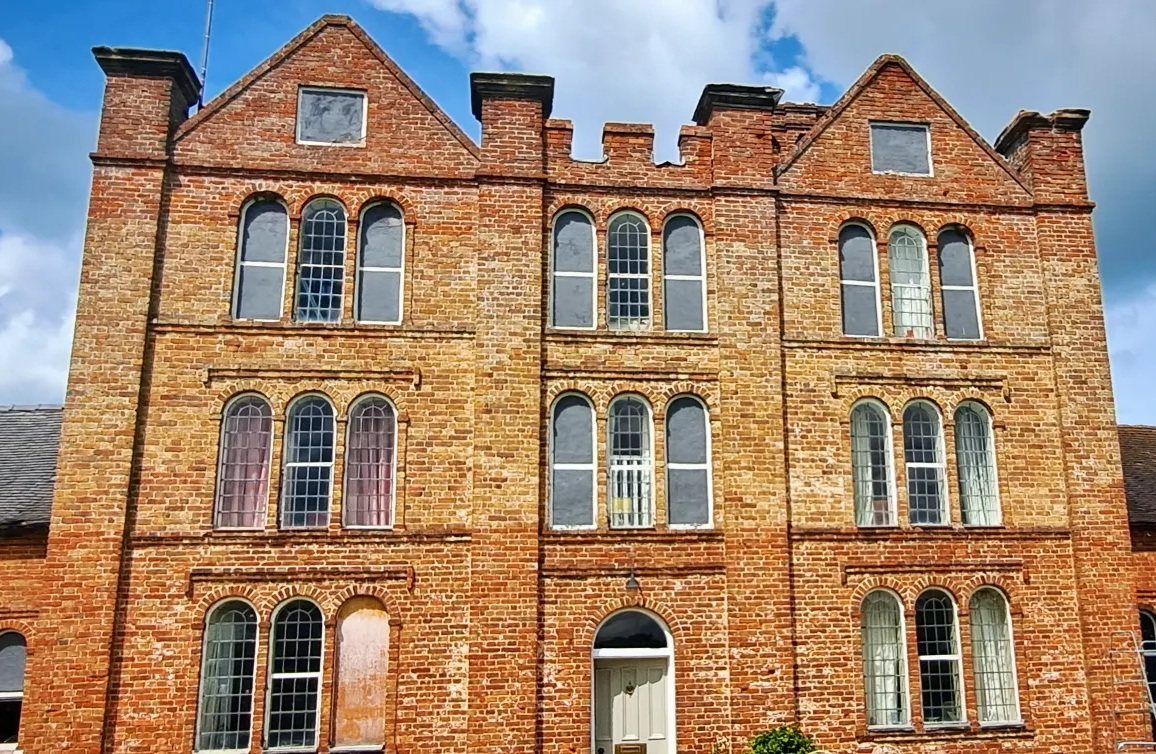
The Hall is an early eighteenth-century country mansion with a floor area of 43,400 square feet (4,030 square metres). It stands at the edge of Hawkstone Park, near Hodnet and Weston-under-Redcastle. Its design draws extensively on the house at Soulton. The surrounding landscape gardens extend across the sandstone cliffs on which the Hall stands. From the drive, the view runs west across Hawk Lake to Hawkstone Abbey Farm.
Alterations and additions
The wings
Renovations commissioned by George Whiteley shortened the Hall’s wings. The former chapel wing was rebuilt as a games room with a dance floor, while the other wing was made into servants’ quarters.
Chapel and residential wing
The Redemptorists added a chapel in 1932. In 1962, the Hall was extended, and its north-east service wing was converted into a residential wing.
Red Castle
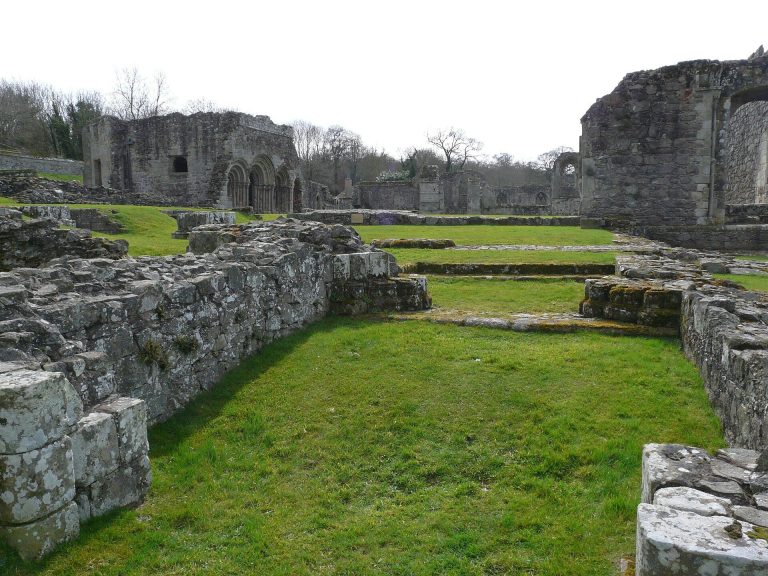
Red Castle survives as a ruin inside Follies Park, the remains of the manor’s earlier principal residence.