Fort de Mons: A French Fort in Lille’s Defensive System
Site at a Glance
- Popularity
- Medium
- Country
- France
- Primary era
- Modern
- Eras represented
- Modern
- Civilizations
- French
- Site type
- Military
- Remains
- Fort
On this page6 sections
History
Fort de Mons is a first-generation French fortification in Mons-en-Barœul, France, built from 1878 to 1880 as part of Lille’s fortified defenses. It belonged to the Séré de Rivières system, a French network of forts and other defenses associated with military engineer Raymond Adolphe Séré de Rivières. Lille’s defensive system consisted mainly of seven forts, eleven other works, and two batteries.
Construction and changing names
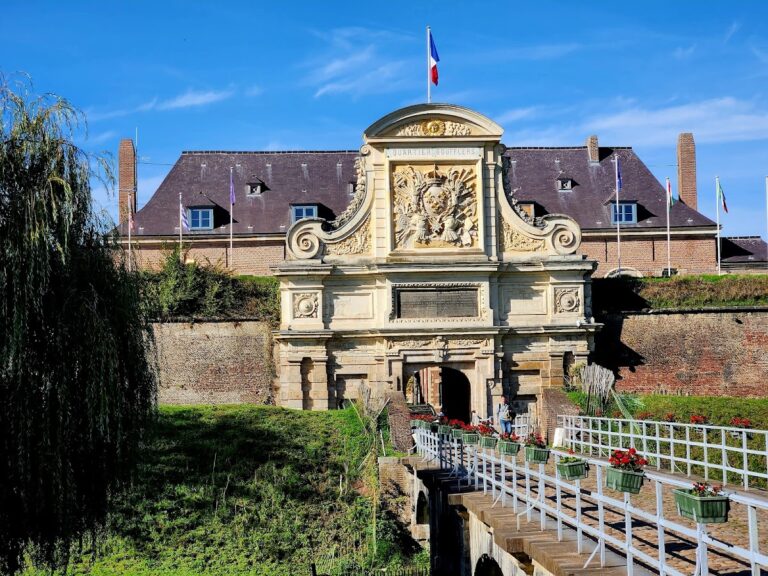
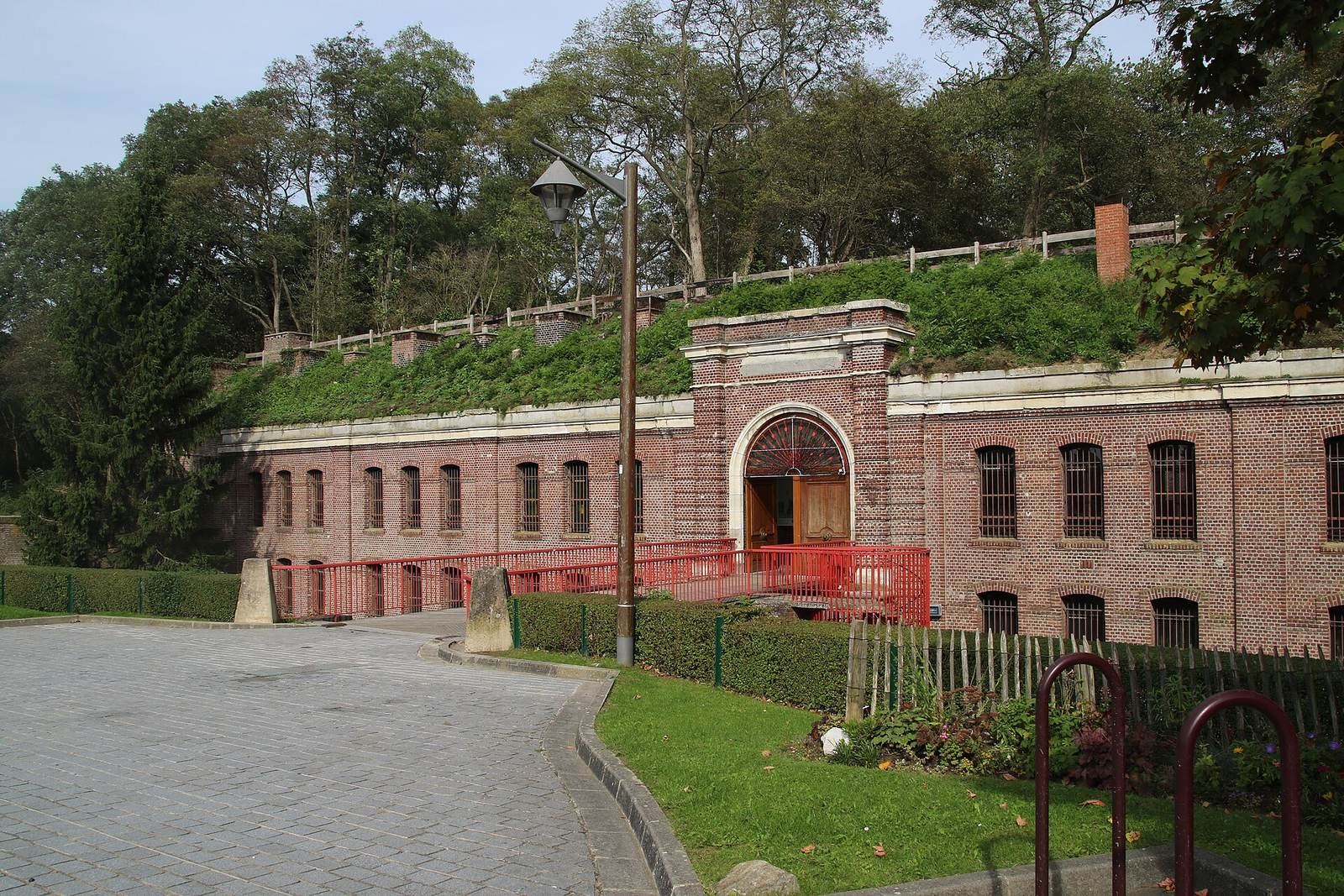
Construction followed a 1878 decree signed by French President Patrice de Mac Mahon, who held office from 1873 to 1879. In January 1887, Minister of War Georges Boulanger ordered French forts, batteries, and barracks to be renamed for former military leaders. Fort de Mons briefly became Fort Macdonald, in honor of Marshal Étienne Macdonald, who served under Napoleon. The decree called for the new name to be engraved on the entrance pediment. Boulanger’s successor, Théophile Ferron, revoked the order on October 13, 1887, and the fort officially returned to its former name.
Military use and municipal conversion
Lille’s fortified place was declassified in 1910. During the German occupation of 1914–1918, the fort held Commonwealth soldiers as prisoners of war. Between the world wars, it housed a military carrier-pigeon unit.
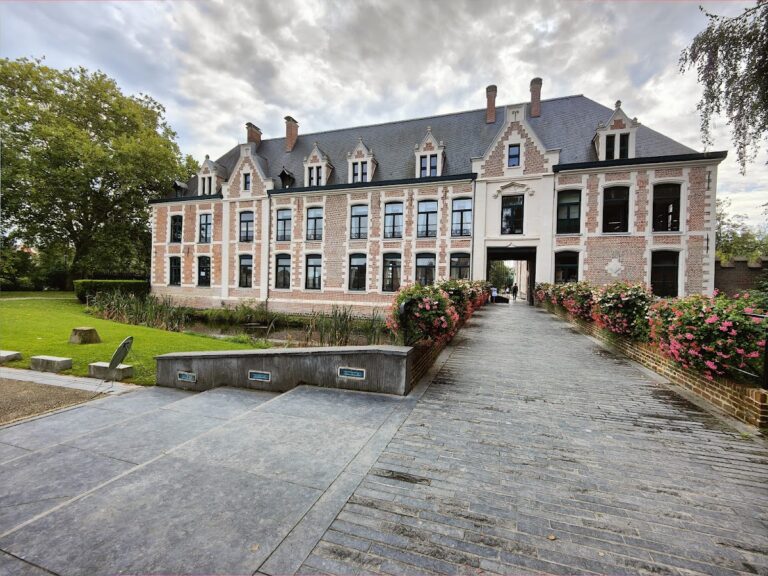
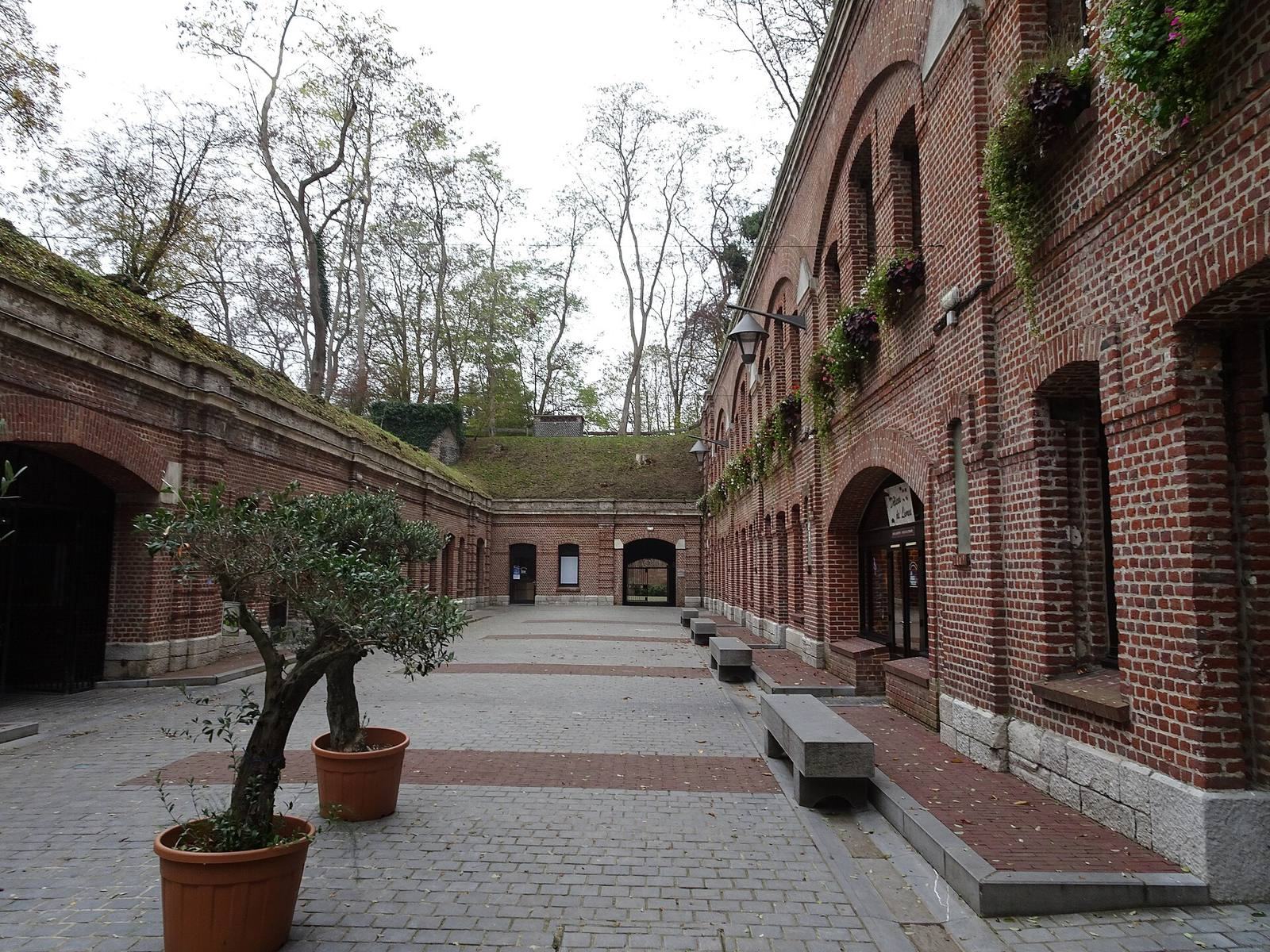
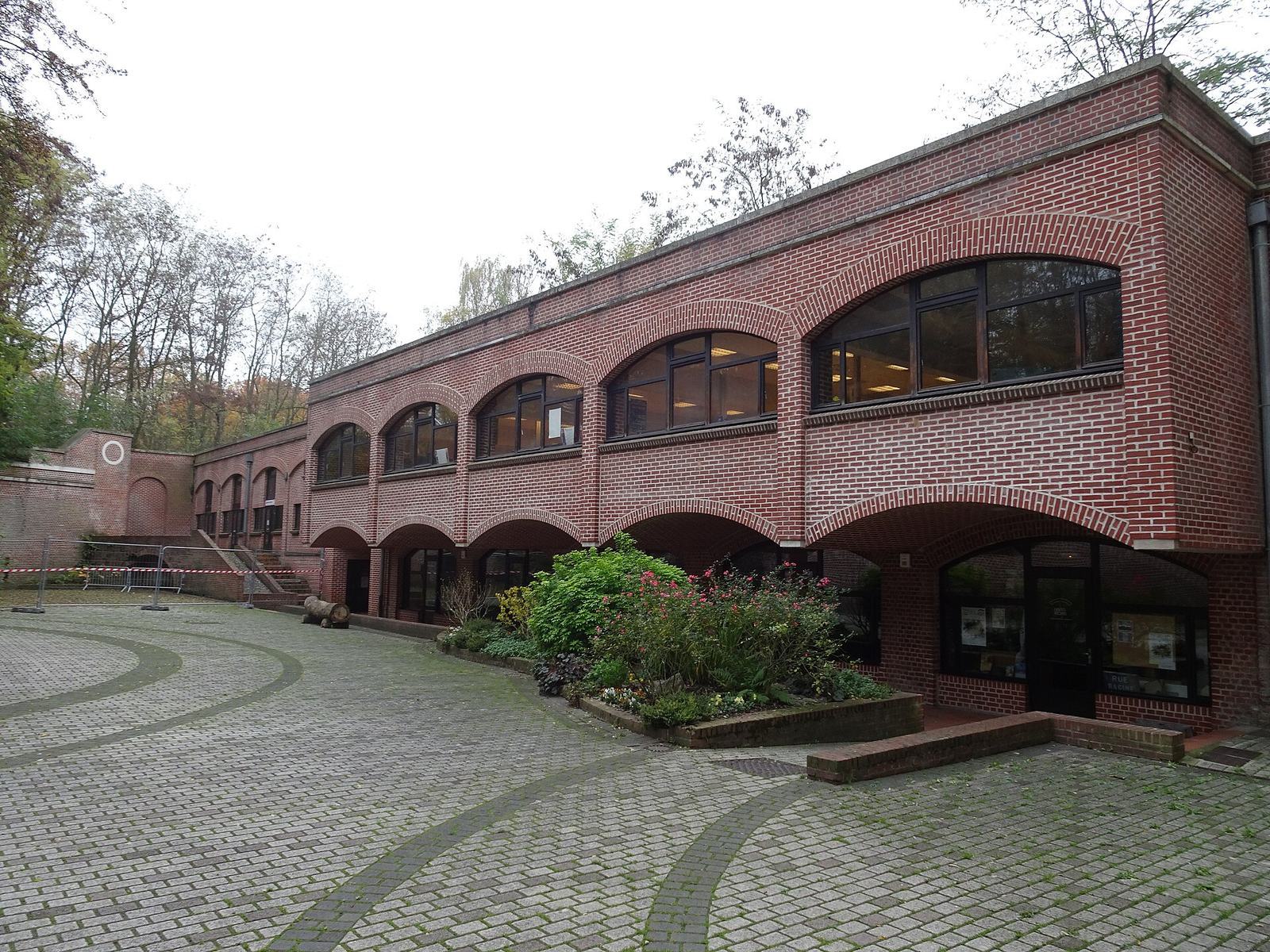
The army sold the fort to the municipality of Mons-en-Barœul in 1972. It was then renovated and adapted for public and cultural uses, including a municipal library, toy library, multimedia cultural space, exhibition room, music school, restaurant, bar, and open-air theatre. In 2004, it became one of twelve Maison Folie venues, cultural spaces created for Lille’s European Capital of Culture program.
Remains
Earth-covered defenses
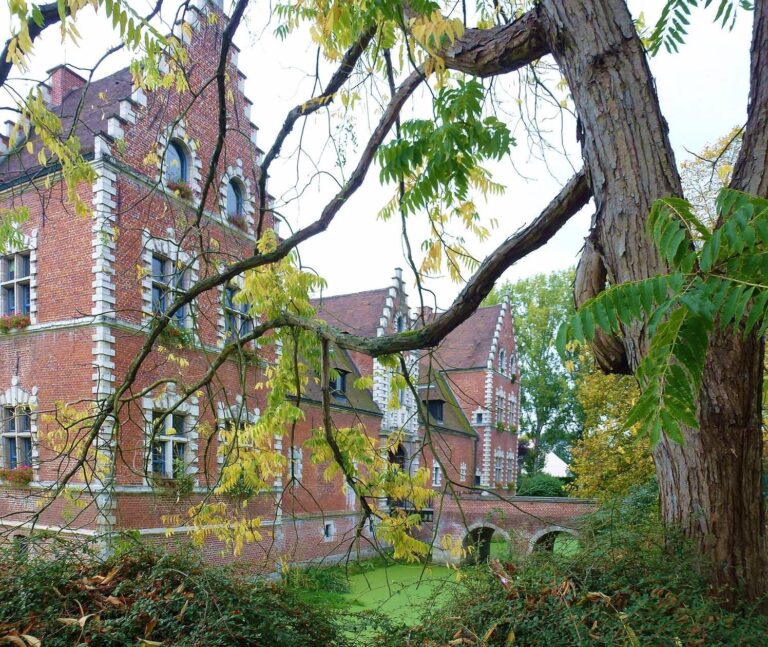
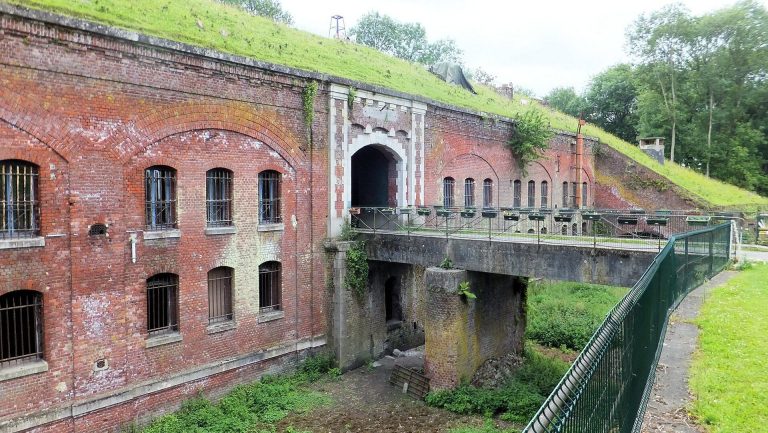
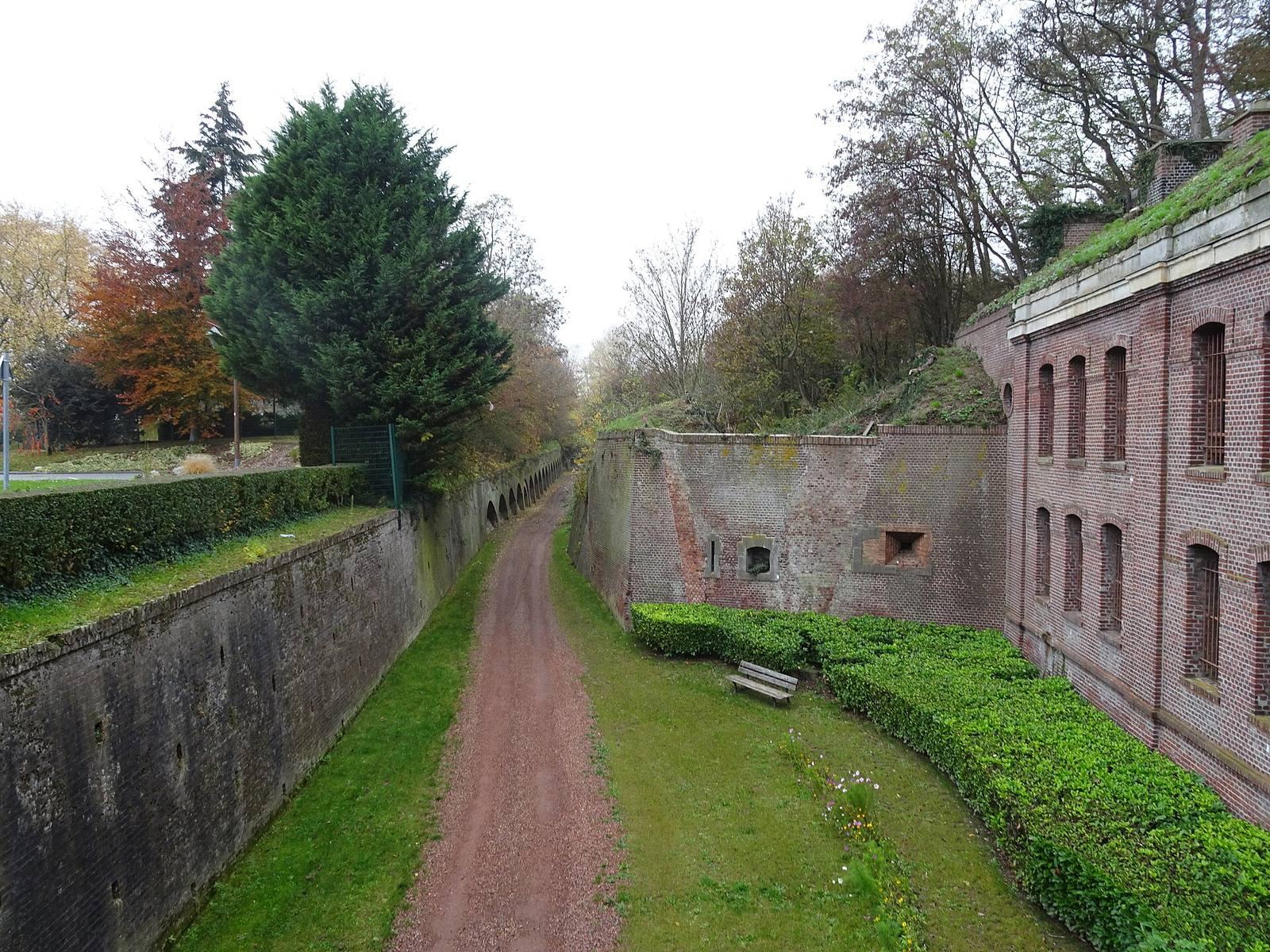
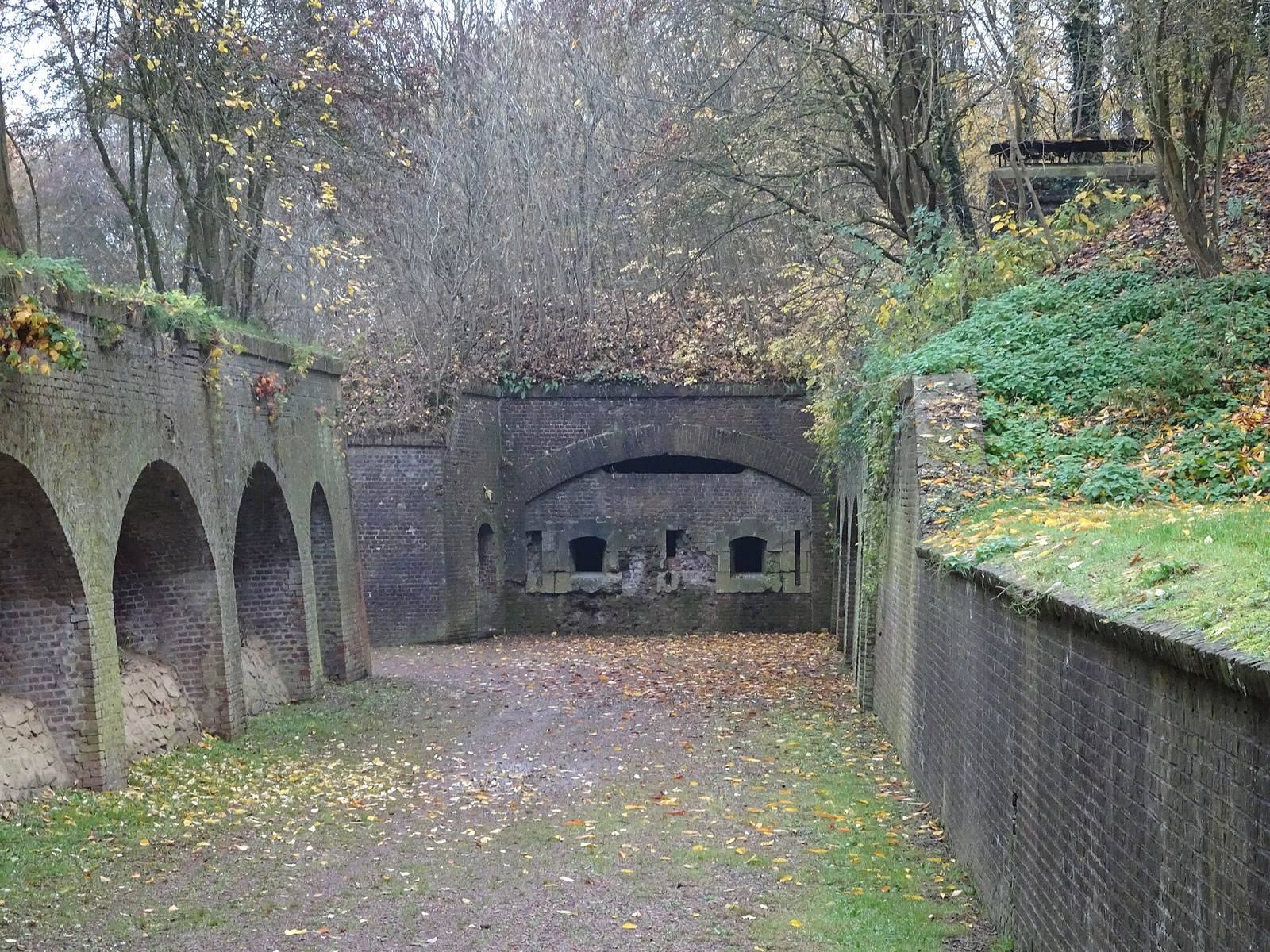
Detached to the east of Lille’s fortified belt, Fort de Mons is built of brick masonry covered by a thick layer of earth. Ditches around the fort were defended by two caponiers, structures designed to protect a fort’s ditch: a double caponier to the northeast and a single one to the southeast.
Artillery positions and adjoining hall
A ditch along the rear side, or gorge, was defended by two flanking batteries, artillery positions arranged to protect adjacent areas. Guns stood on open-air platforms separated by shelter traverses, protective barriers between artillery positions. A hall adjoins the fort.