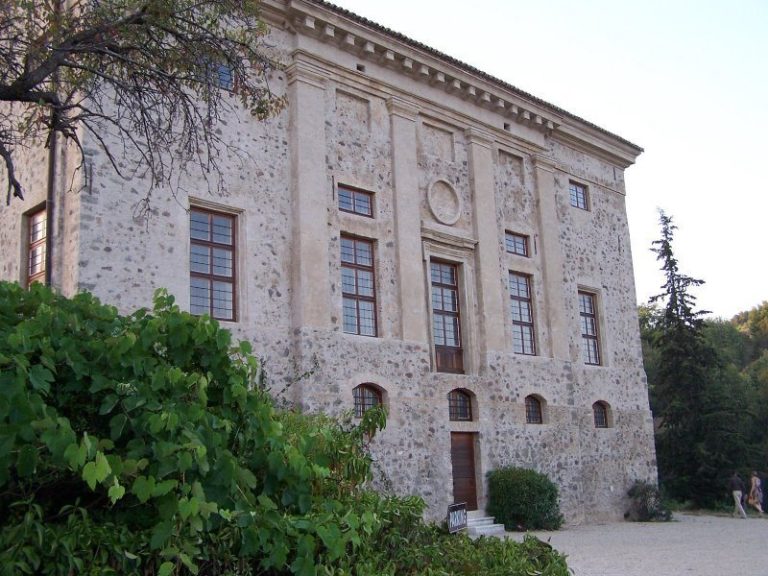
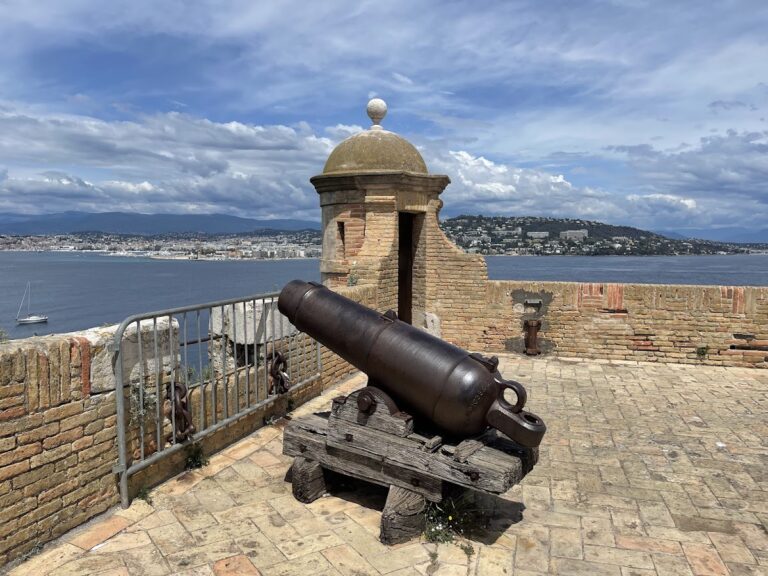
Oppidum des Encourdoules: A Ligurian and Roman Fortified Settlement
Site at a Glance
- Popularity
- Low
- Country
- France
- Primary era
- Classical
- Eras represented
- Iron Age, Classical
- Civilizations
- Roman
- Site type
- City
On this page11 sections
History
Ligurian origins and Roman rule
The Oppidum des Encourdoules is a fortified settlement near Vallauris, France, founded by the Ligurians probably in the late third or early second century BC and later occupied under Roman rule. It may have served as a capital of the Deciates, a Ligurian tribe, though that identification remains uncertain.
Artemidorus of Ephesus, a Greek geographer active in the first century BC, recorded a town belonging to the Deciates. Whether he meant Encourdoules is unknown.
Augustan transformation and agricultural production
Early in the reign of Augustus, Rome’s first emperor, the settlement changed substantially. Part of its defensive wall was demolished, and homes spread beyond the enclosure.
Wine and olive-oil production began during the Augustan period, between 15 BC and AD 25, and continued for about two centuries. The agricultural installations were abandoned around the end of the second or beginning of the third century AD, but the village remained occupied. Production then grew at nearby Roman farms.
Late occupation and archaeological study
Occupation declined in Late Antiquity, the transition between the Roman imperial world and the early Middle Ages. The decreasing quantity of material finds indicates this decline, and the settlement eventually disappeared, possibly following the so-called barbarian invasions.
Excavations from 1874 to 1889 recovered 161 coins. Work in 2002–2005 covered 660 square metres. The grounds were listed as a historic monument on January 26, 1978, and the oppidum itself was listed on June 20, 1983.
Remains
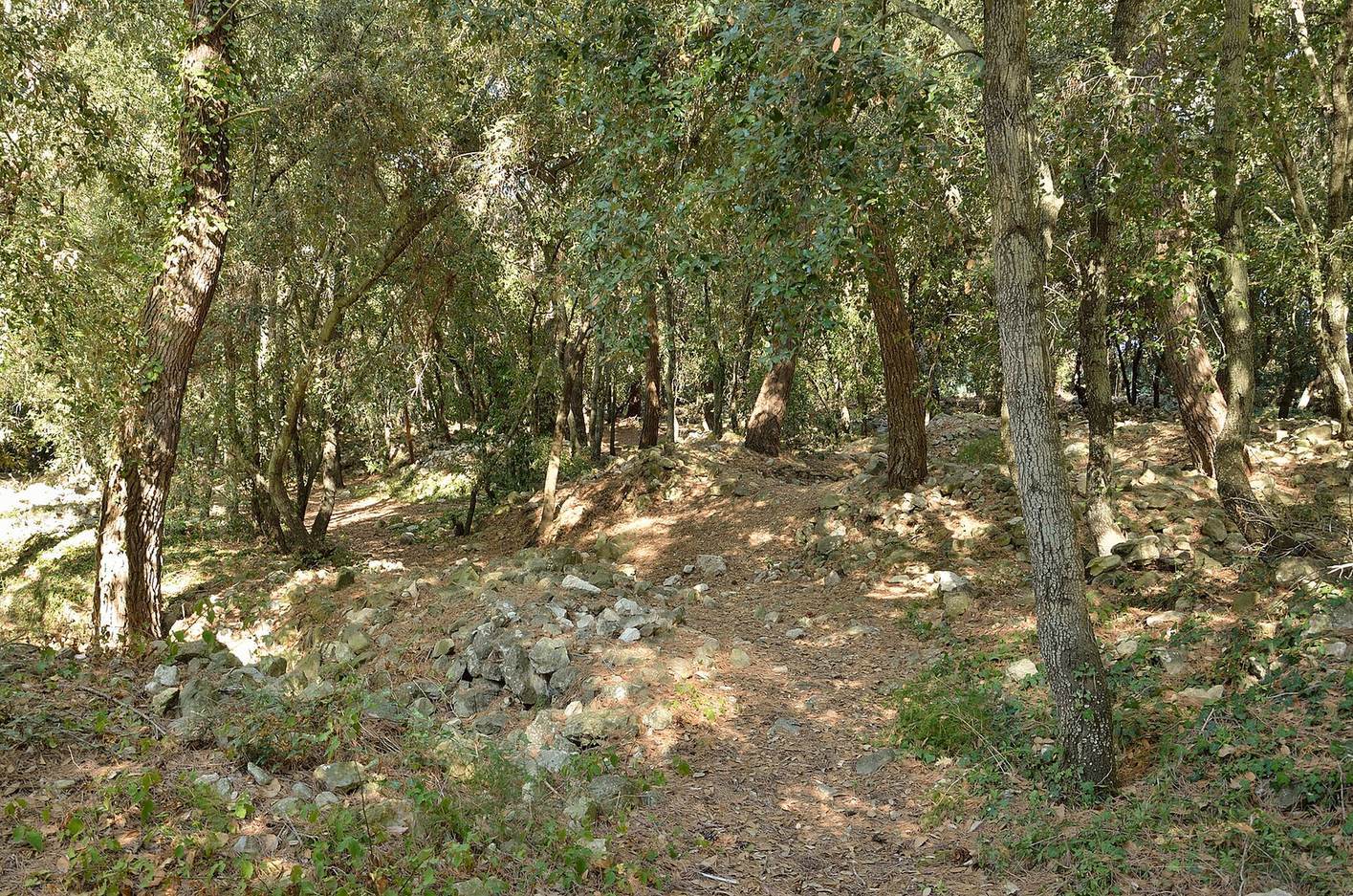
The archaeological area covers about two hectares, at an elevation of 249 metres and roughly one kilometre northeast of Vallauris. Its remains include a walled settlement, houses and agricultural installations, a monumental entrance, and a cemetery below the settlement.
Enclosure and agricultural installations
Defensive enclosure
A wall built from large blocks, more than two metres wide, enclosed about one hectare. At the entrance, offset and overlapping sections of the wall formed a less vulnerable gateway.
Houses and presses
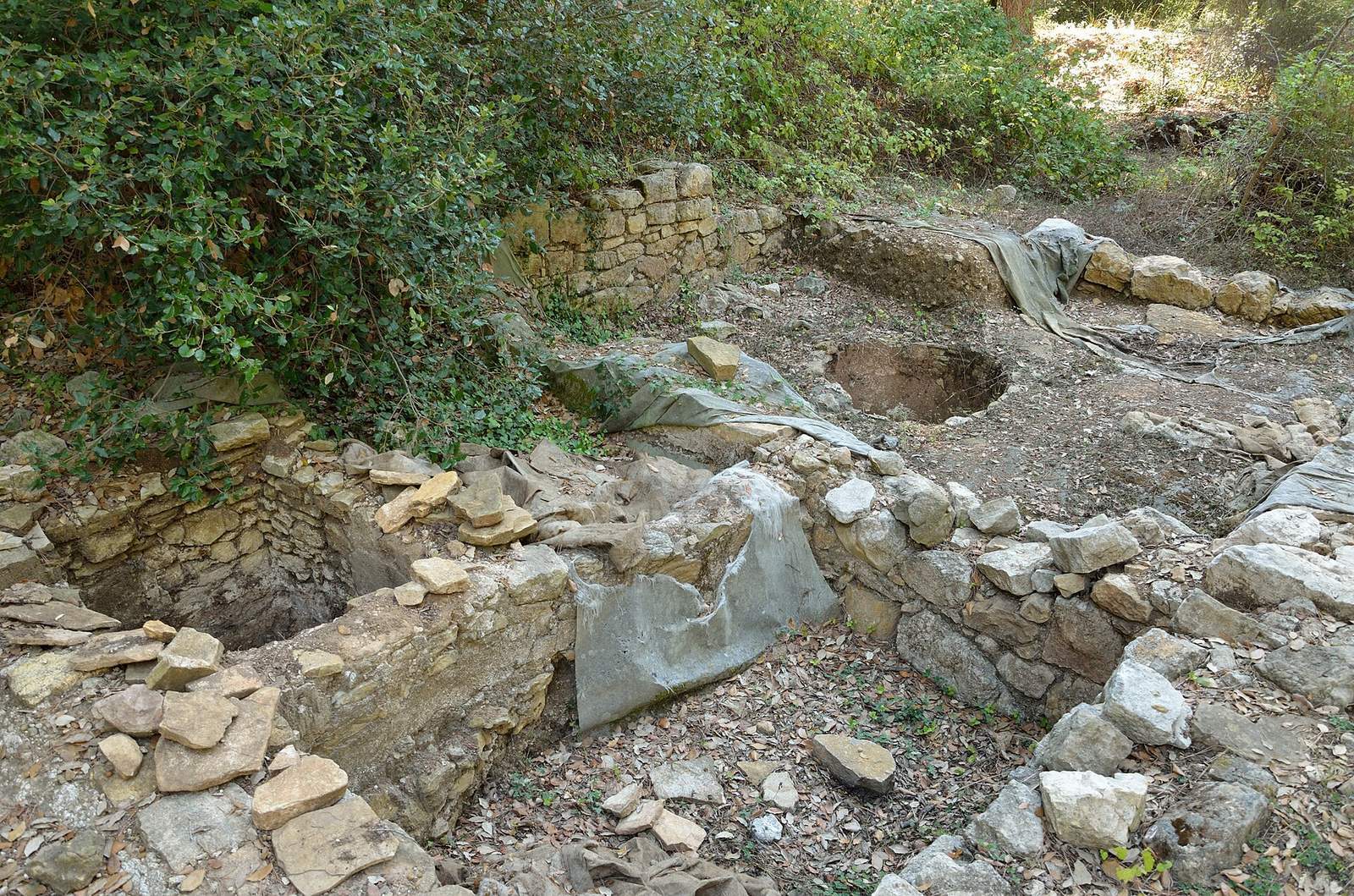
House walls contain presses used to produce wine and olive oil. Each installation consisted of a slab, a vat, and a pressing mechanism. In some cases, jars later took the place of vats.
Entrance and cemetery
Monumental entrance
Built in the late second or early third century AD over an earlier Iron Age entrance, the monumental gate took the form of a simple porch. A recovered keystone from its inner arch bears the inscription MAGISTER PAGI CANTABE
. It names a magister pagi, a local district official, who probably commissioned the gate. The district was subordinate to Antipolis, the Roman name for Antibes.
Mausoleums
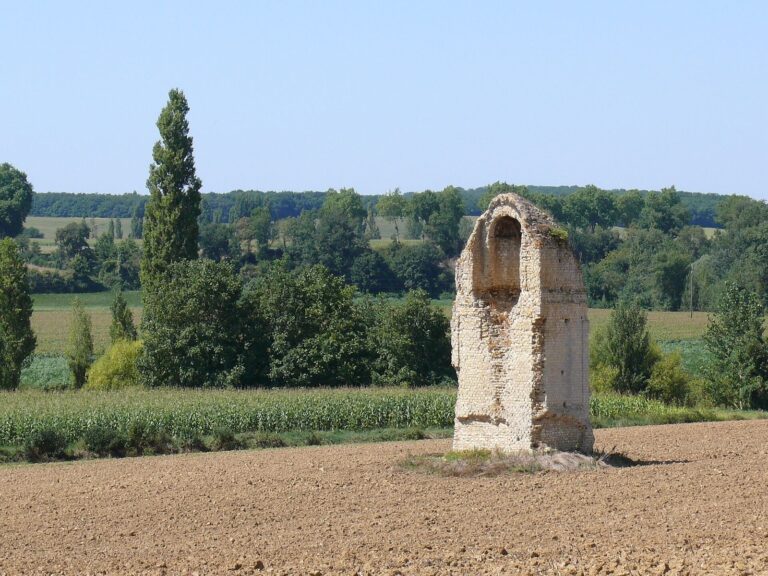
A cemetery below the settlement contained several mausoleums, monumental tomb buildings. One belonged to the Multilius Paternus family and dates to the same period as the gate. Its inscription commemorates Balbia Paterna as the foster daughter of Marcus Multilius Paternus and Lucilia, who had raised her. It states that they erected the tomb during their lifetimes for her, themselves, and their descendants.