Château Grimaldi (Antibes): Medieval Castle and Picasso Museum


Site at a Glance
- Rating
- 4.7
- Popularity
- Very Low
- Country
- France
- Primary era
- Early Modern
- Eras represented
- Medieval, Early Modern
- Civilizations
- County of Provence, French
- Site type
- Military
- Remains
- Castle
On this page6 sections
History
Medieval Castle and Grimaldi Rule
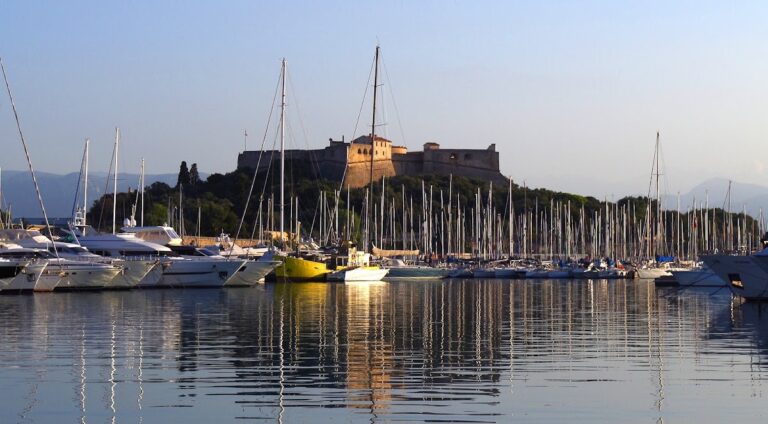
Château Grimaldi is a fortified castle in Antibes, France, built in the twelfth century on the site of earlier Roman fortifications in a Romanesque style. During the medieval period, it became an episcopal residence, the official seat of a bishop.
The Grimaldi family, a prominent aristocratic dynasty with territorial and political power in parts of the Mediterranean, held the site from 1385 to 1608. During this period, the castle was expanded to approximately its present extent. It was rebuilt in the sixteenth century and served at different times as barracks, a hospital, and a fortress.
Restoration and Picasso’s Stay
By the twentieth century, the palace was partly ruined and required substantial restoration. The municipality of Antibes acquired it at auction in 1925, securing the building for a new phase in its history.
In 1946, municipal authorities authorized Pablo Picasso, a Spanish-born modern artist whose paintings, drawings, and sculptures strongly influenced twentieth-century art, to use the castle as a large studio. Picasso worked there for six months at the age of 65 and produced about 150 works. In gratitude to Antibes, he left the city 25 works, including The Night Fishing at Antibes. The Joy of Life also belongs to his period of work at the castle.
Picasso’s stay led to the establishment of the first museum dedicated to his work in the castle. The museum later also presented works by Francis Picabia, Amedeo Modigliani, and Fernand Léger.
Remains
Fortified Castle
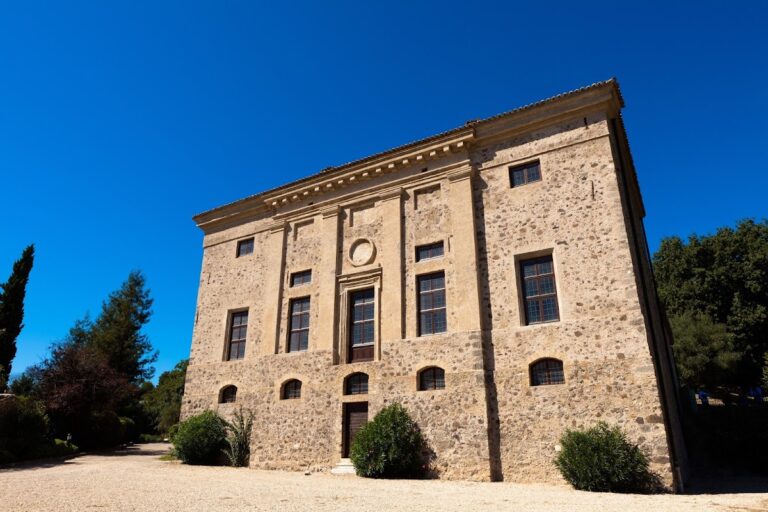
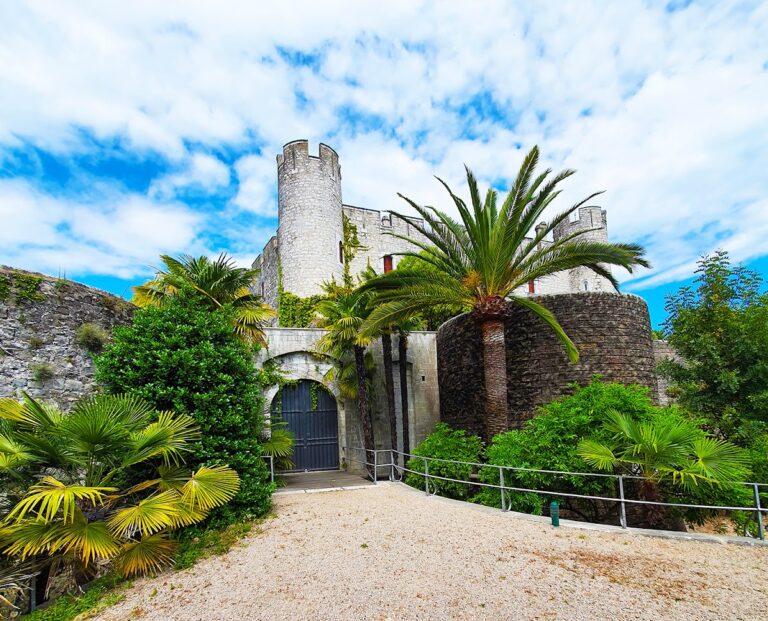
Château Grimaldi survives as a fortified castle with a Romanesque-style tower. Its medieval fabric reflects the building’s development from a site of earlier Roman fortifications into an episcopal residence and later a military and institutional complex. Sixteenth-century rebuilding and the castle’s subsequent use as barracks, a hospital, and a fortress contributed to its present architectural form.
Museum and Terrace
The castle contains paintings, sketches, and drawings associated with Picasso’s 1946 period of work there. Its collections also include works by Picabia, Modigliani, and Léger, giving the former fortified residence a role as an art museum as well as a historic building.
Sculptures by Joan Miró, Arman, and Pagès are displayed on the terrace. These works form part of the castle’s surviving artistic presentation, alongside the interior collections connected with Picasso and other modern artists.
Nearby sites