Ohitayama Tatara Iron Works: An Edo-Period Ironmaking Site in Japan
Site at a Glance
- Popularity
- Medium
- Country
- Japan
- Primary era
- Early Modern
- Eras represented
- Early Modern
- Civilizations
- Tokugawa
- Site type
- Economic
- Remains
- Production Complex
On this page10 sections
History
Three periods of operation
Ohitayama Tatara Iron Works is a premodern ironmaking site in Hagi, Japan. It operated intermittently from the middle of the Edo period, the era of Tokugawa shogunal rule, through the Bakumatsu, the final years before the Meiji Restoration. The works followed the Iwami-style tatara process, a traditional Japanese method of producing iron from iron sand and charcoal. It was the largest ironworks in Choshu, a feudal domain centered on Hagi, and among the largest iron-production sites in Yamaguchi Prefecture.
For eight years within 1751 to 1764, the first operating phase was led by a person from Ohitayama. A second phase ran for ten years within 1812 to 1822 under an operator from Tsuwano. The third phase operated for twelve years within 1855 to 1867, led by someone from Iwami Province, a historical province in western Japan.
Production and industrial change
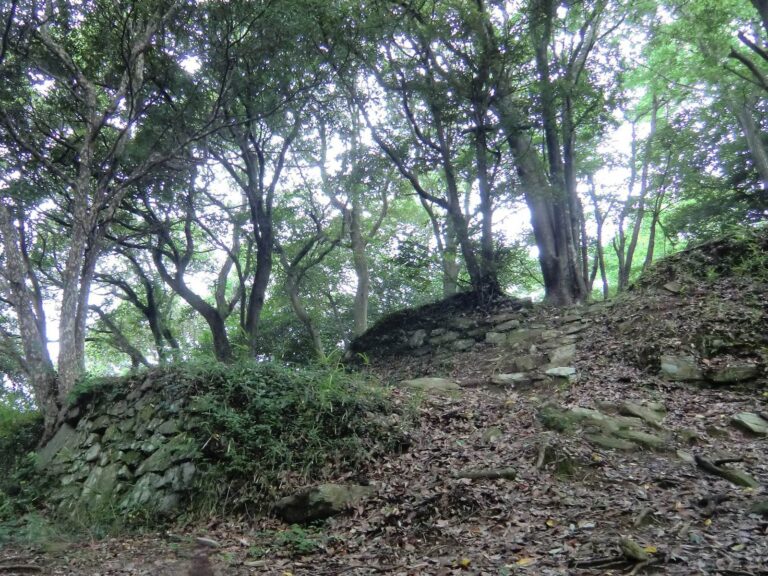
Iron sand was shipped from Hamada in Iwami Province aboard Kitamaebune, Japanese coastal trading vessels, and unloaded at Nago port in Abu district. Horses then carried it to the works along the Iron Road. Finished iron travelled back along the same route to the port.
During the final operating phase, the works supplied iron for the Heishin Maru, the Choshu navy’s first Western-style warship, built at Ebisugahana Shipyard. The use of traditional Japanese ironmaking to supply a Western-style shipbuilding project makes Ohitayama an example of industrial modernization.
Survey, preservation, and recognition
A 1981 survey by the Yamaguchi Prefectural Board of Education clarified the site’s extent and condition. Excavation and preservation work followed from 1990 to 1996. Yamaguchi Prefecture designated the site in 1988, and it became a National Historic Site of Japan in 2012. It was included in a broader industrial-heritage property’s UNESCO Tentative List entry in 2009, then inscribed in 2015 as part of the World Heritage property Sites of Japan’s Meiji Industrial Revolution: Iron and Steel, Shipbuilding and Coal Mining.
Remains
Layout and setting
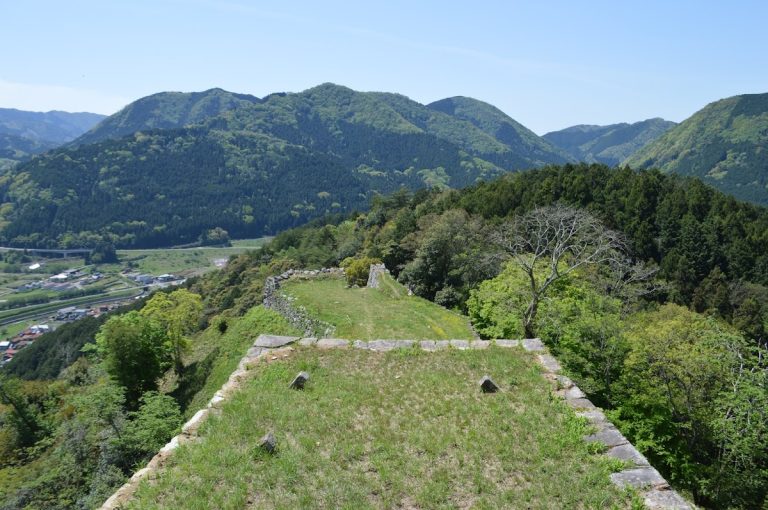
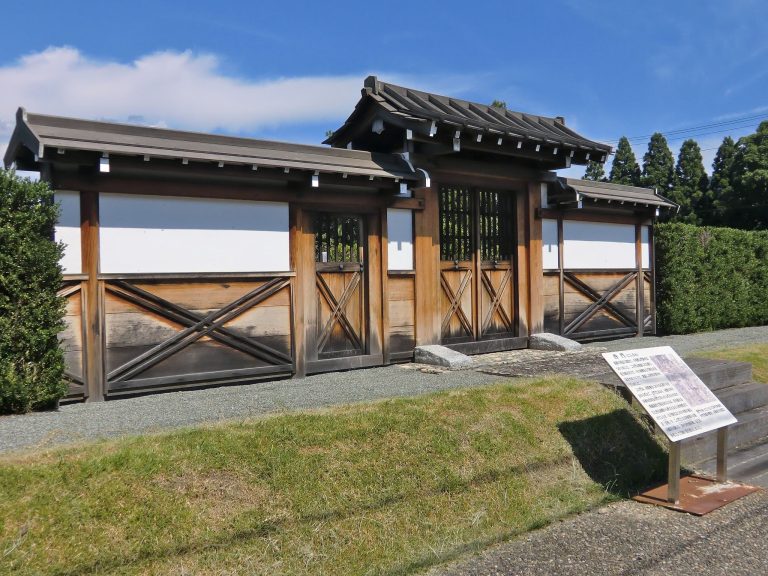
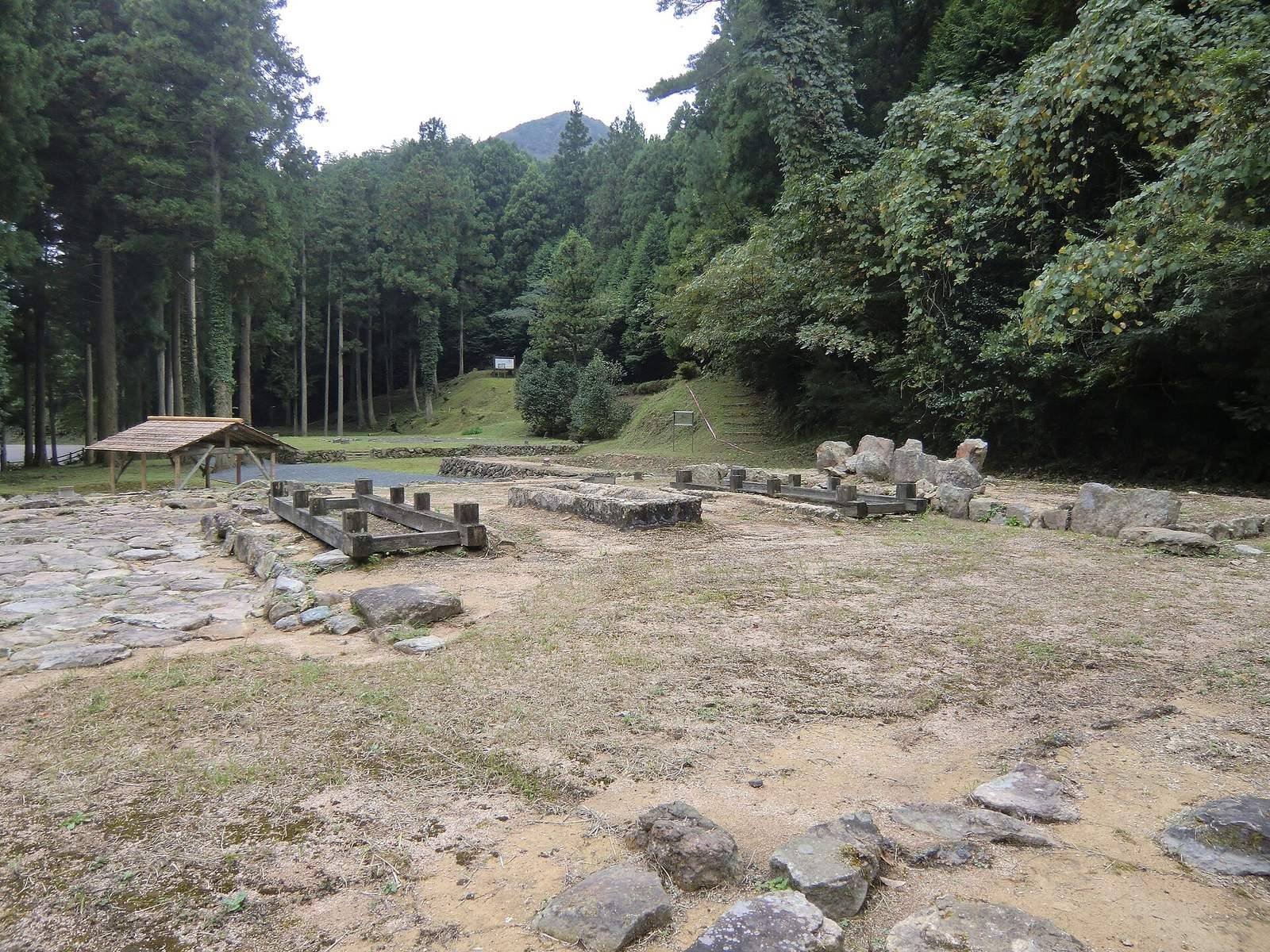
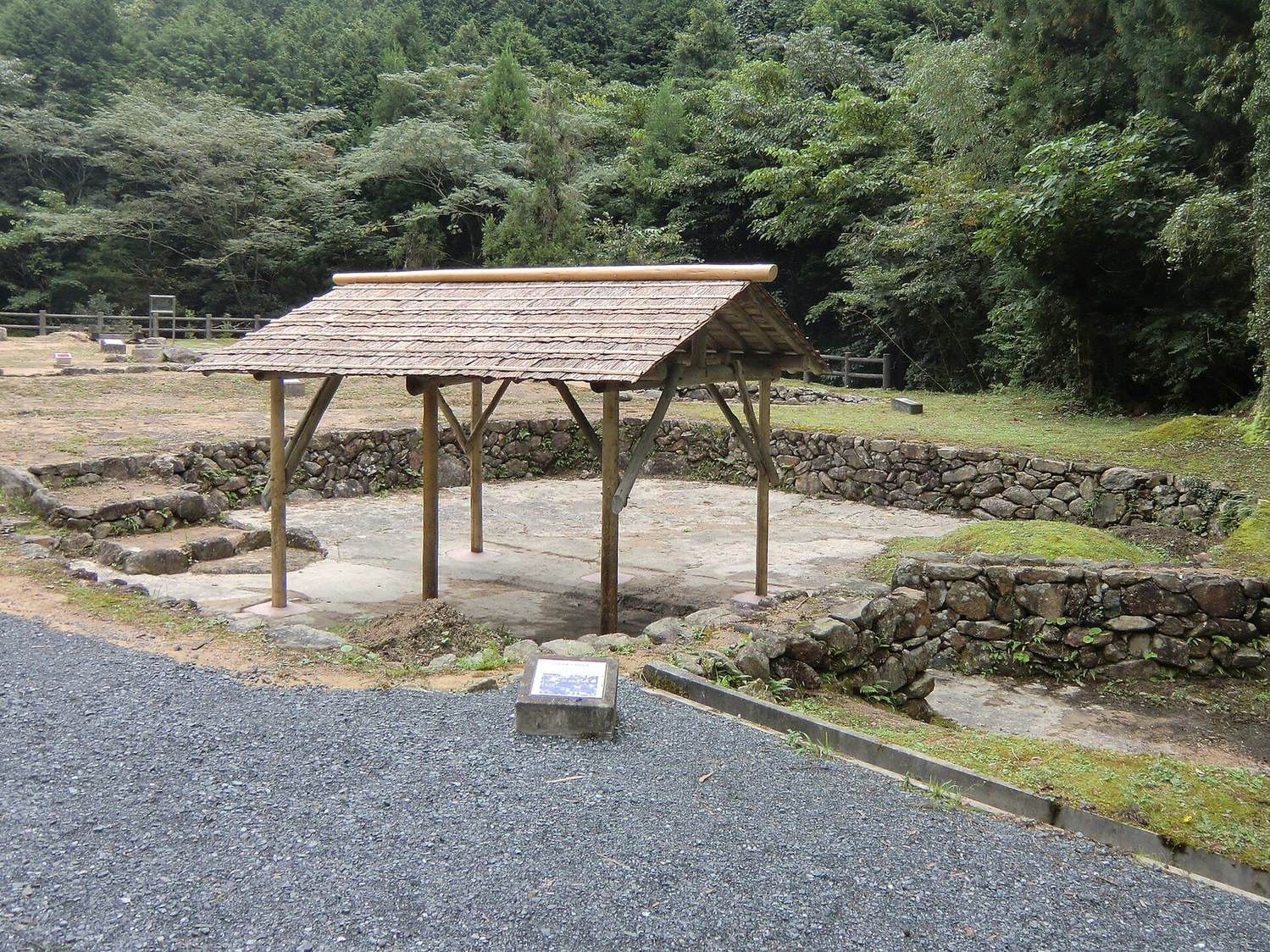
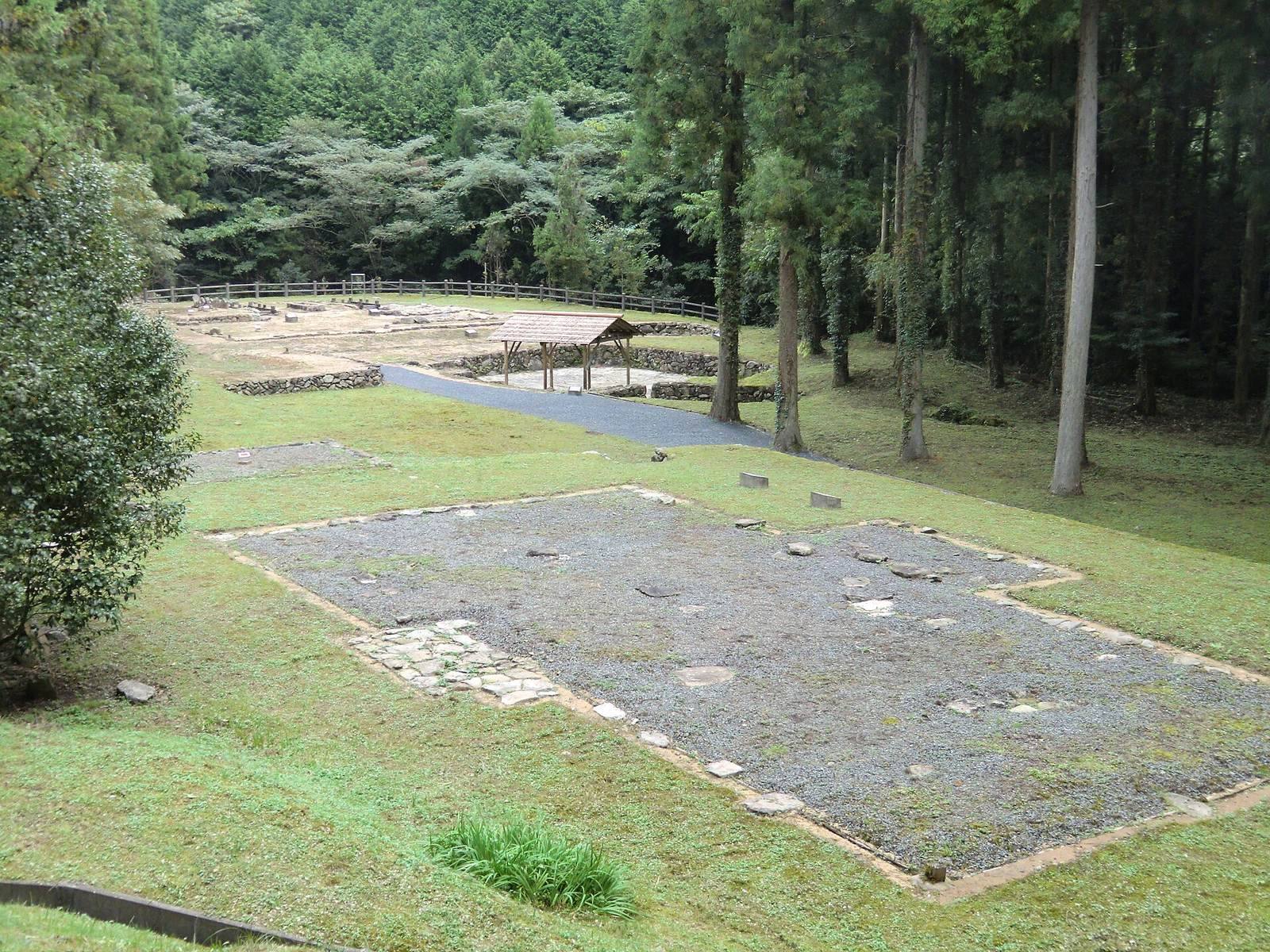
The remains lie in the upper reaches of the Yamanokuchi River, a tributary of the Oi River, at Shibuki in Hagi. The dam lake covers the southern half of the site, while the principal ironworks remains lie in the north, where many features survive in good condition. The surviving building remains date to the late Bakumatsu period, around the Ansei era, a late-Edo period. The works compound is thought to have been enclosed by a fence, and the Iron Road connected to its north side.
Surviving production features
Furnace foundations
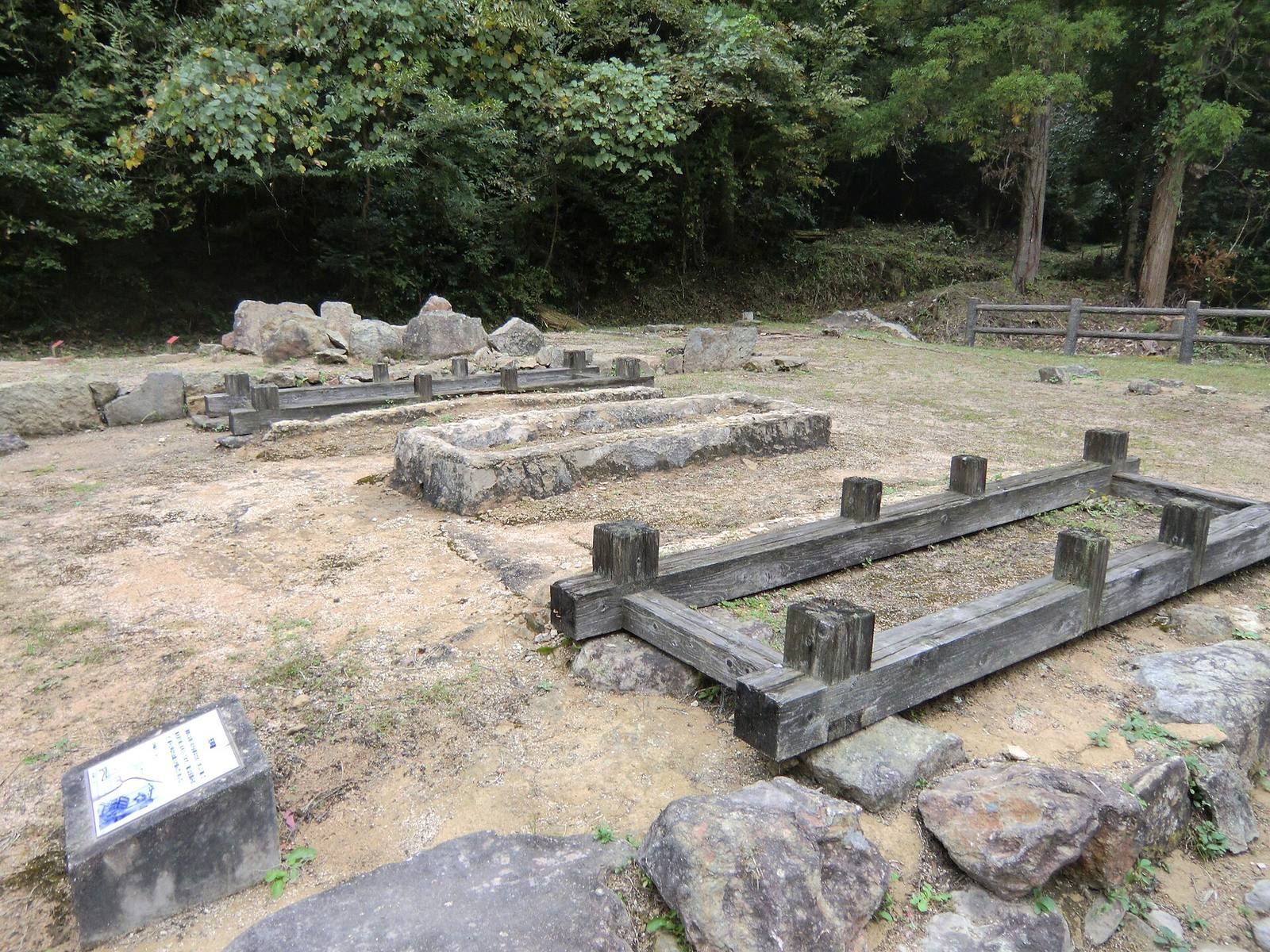
Furnace foundations survive among the principal remains in the northern part of the site.
Iron-sand washing area and iron pond
The remains also include an area for washing iron sand and an iron pond.
Blacksmith’s hut foundation
The foundation of a blacksmith’s hut is another surviving feature of the works.