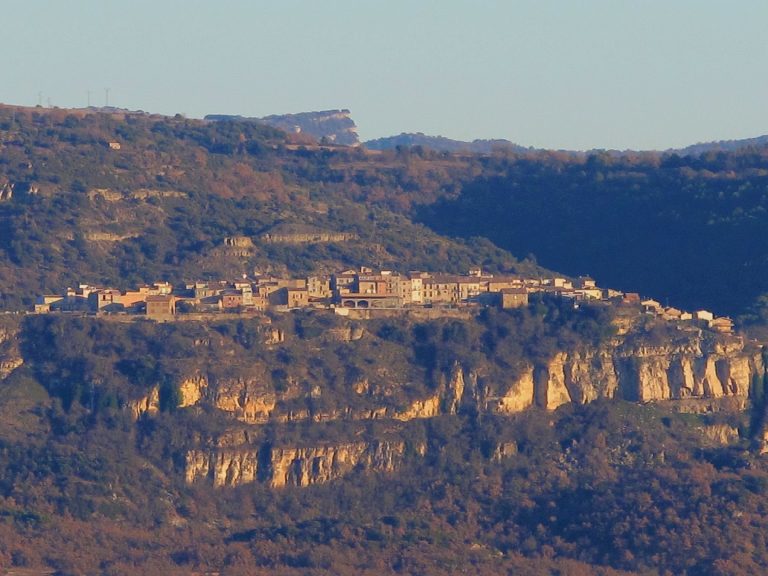
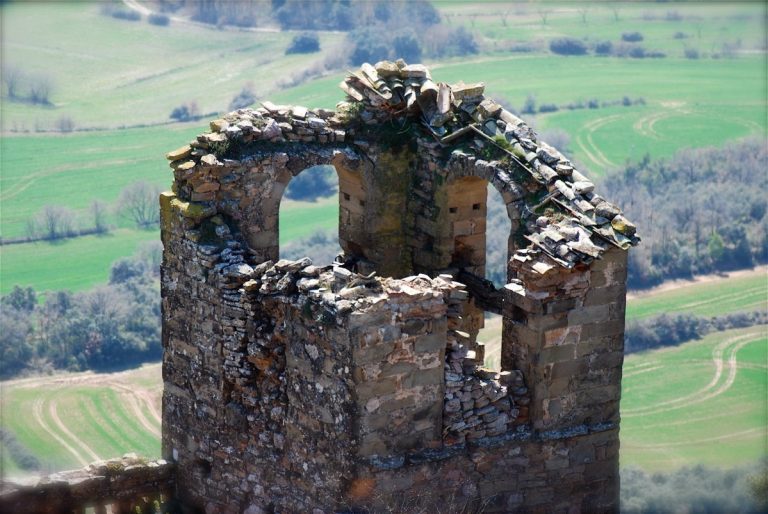
Toló Castle: A Medieval Hilltop Fortification in Lleida
Site at a Glance
- Rating
- 5
- Popularity
- Very Low
- Country
- Spain
- Primary era
- Medieval
- Eras represented
- Medieval
- Civilizations
- Unclassified
- Site type
- Military
- Remains
- Castle
On this page5 sections
History
Origins and 11th-century lordship
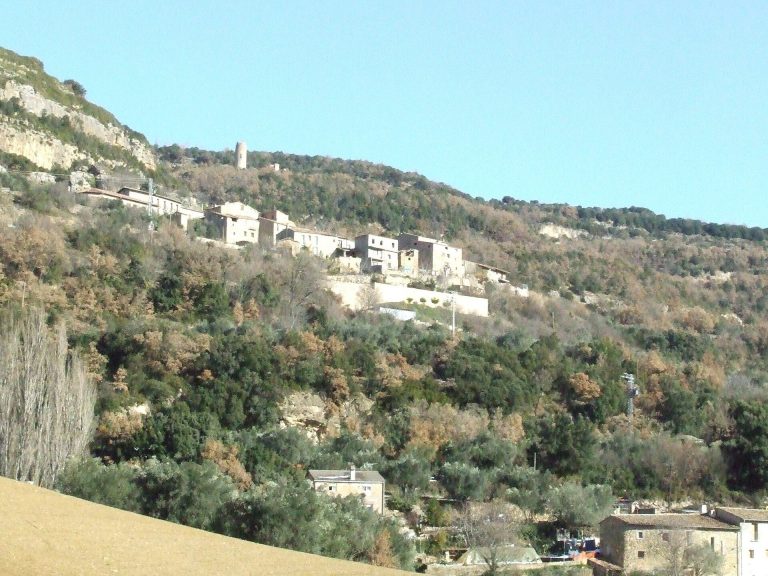
Toló Castle stands in Lleida, Spain, and is associated with the origins of the village and former district of San Salvador de Toló. It is first documented in the 11th century, in boundary descriptions that mention other castles in Pallars, including Biscarri, Llimiana, and Mur.
The castle’s beginnings are uncertain. Archaeological remains have been taken to suggest Visigothic origins, from the period when Visigoths ruled much of the Iberian Peninsula after Roman imperial rule. Another interpretation is that a fortification was built during the later Roman Empire and continued to serve a defensive purpose in the Middle Ages.
In 1058, Ermengol III, count of Urgell, ceded the castle to Arnau Mir de Tost, a Catalan noble and military leader sent to conquer Conca Dellà from the Arabs of the Balaguer plain, who controlled the area during the first half of the 11th century. After Ermengol’s death in 1065, his widow Sancha, who held rights to the castle, transferred it and the district to the Collegiate Church of St Peter of Àger, a church served by a community of clergy organized as a chapter. In 1067, she swore fealty to Ramon Berenguer I, count of Barcelona, and his wife Almodis concerning several castles, including Toló. In 1071, Arnau Mir de Tost transferred the castle to his daughter Valença and his grandson Arnau, who later became count of Pallars Jussà.
Later lordship and parish changes
The castle later passed to the Viscounts of Vilamur. It is recorded in their possession from the second half of the 14th century until the beginning of the 19th century, though when and how the transfer took place is unknown.
The church of St Vincent initially served as the parish church for the castle district. As the district’s centre moved onto the plain, a new church dedicated to San Salvador was built there, and the parish became known as San Salvador de Toló. Since 1970, the castle has been within the municipality of Gavet de la Conca. It is designated a Cultural Asset of National Interest as a historic monument, a status dating from 8 November 1988.
Remains
Hilltop enclosure
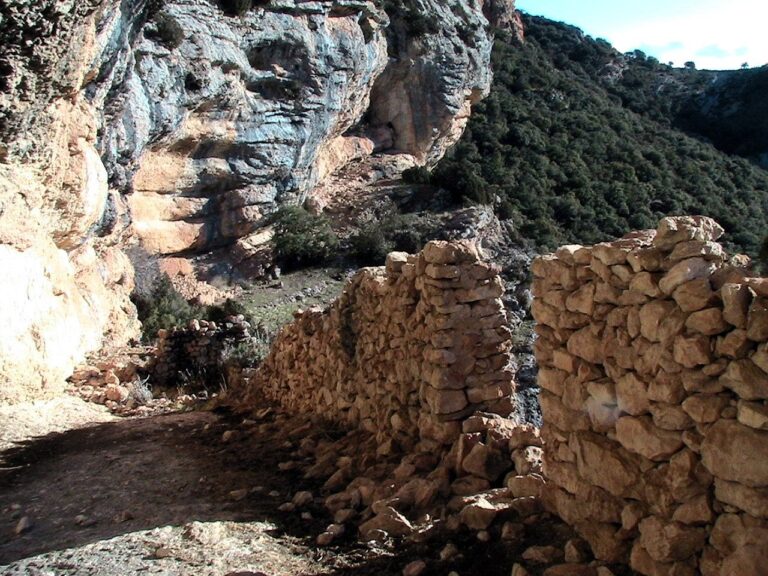
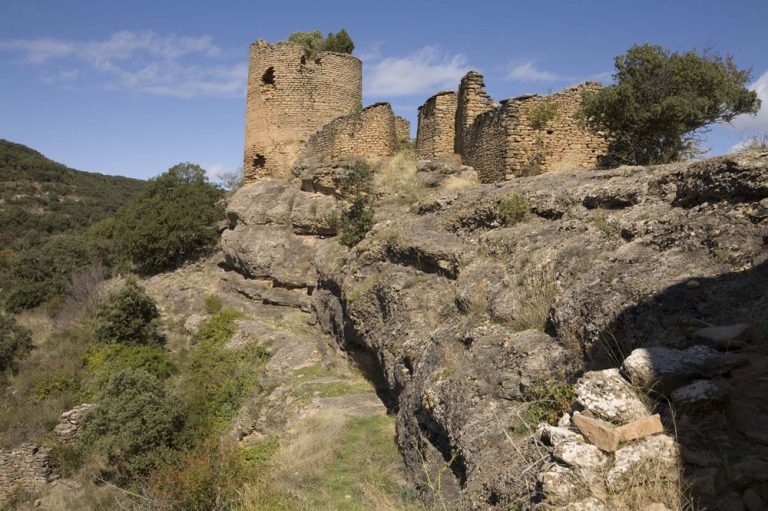
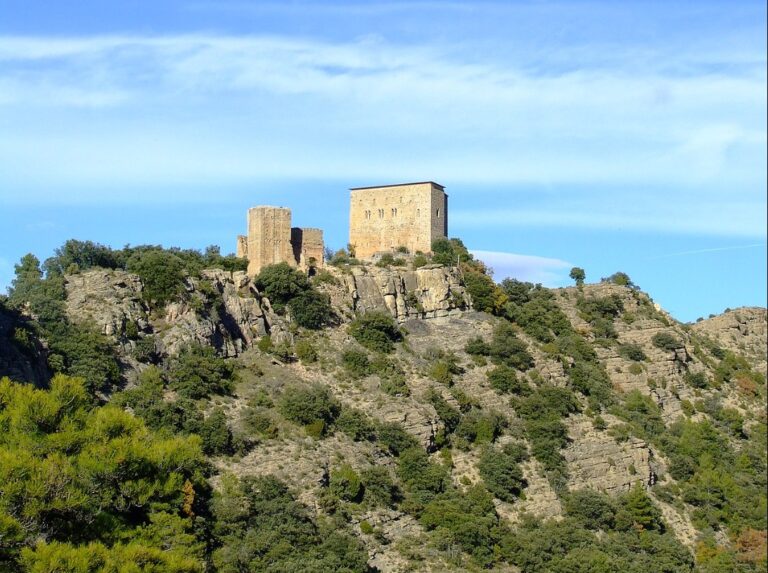
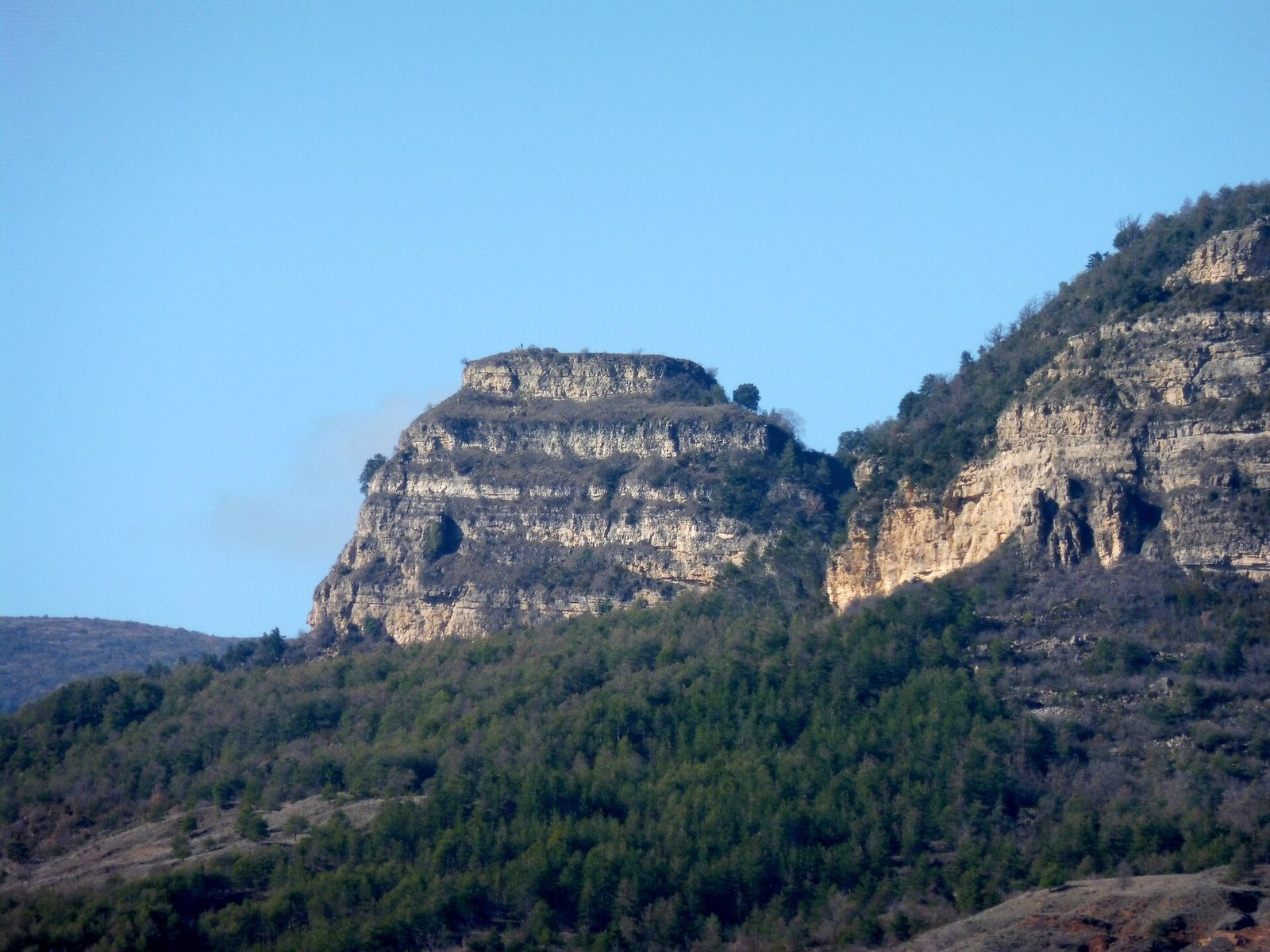
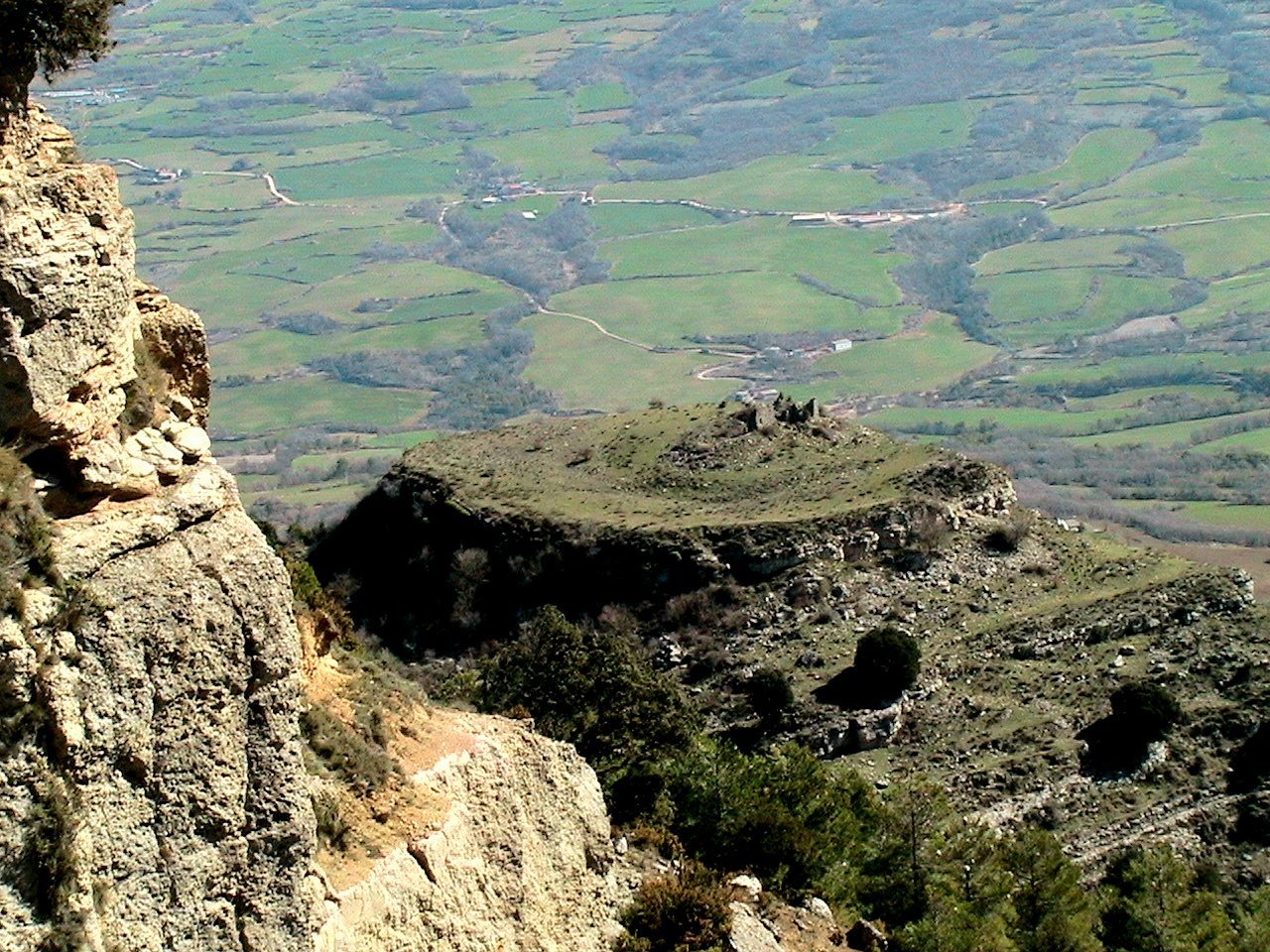
The castle occupied a hilltop about 1,121 metres above sea level, east of the Sierra de la Campaneta on the northeastern spur of the Montsec de Rúbies, near the headwaters of the Conques River and above and north of Toló. Its enclosure covered the summit in an area about 72 metres from east to west and 95 metres from north to south. Cliffs and rock formations separate the upper plateau from the slopes, creating a natural barrier. Partly ruined wall sections, some as high as three metres, were built of small, irregular stones arranged in regular courses. Their masonry is characteristic of early Romanesque construction, a medieval style associated with robust building and rounded arches, and dates to the 11th century. Wall remains lie below the upper plateau at the foot of the precipice. A single entrance stood at the southern end. The castle itself may have been beside it, while the rest of the enclosure was probably used by the district’s population. The remains of the church of St Vincent lie near the enclosure’s centre.