Ise Kameyama Castle: A Seki Clan Seat and Edo-Period Domain Headquarters
Site at a Glance
- Country
- Japan
- Primary era
- Early Modern
- Eras represented
- Early Modern
- Civilizations
- Tokugawa, Toyotomi regime
- Site type
- Military
- Remains
- Castle
On this page11 sections
History
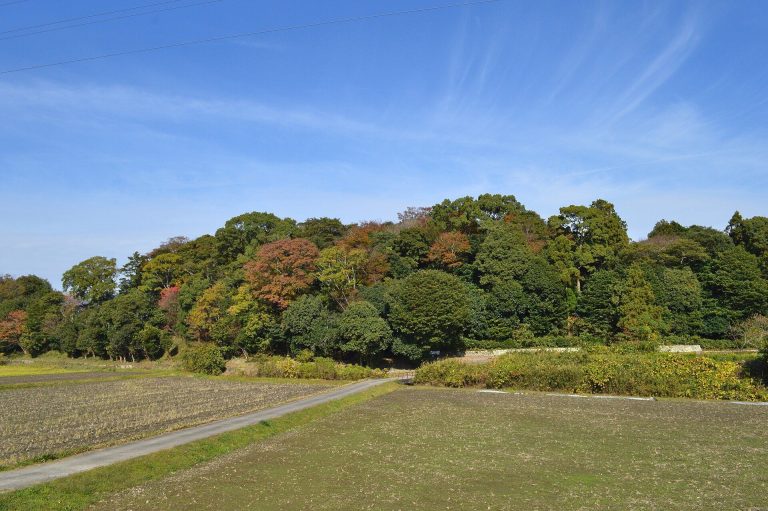
Ise Kameyama Castle is a hill castle in Japan, founded in 1265 by Seki Sanetada, a warrior of the Ise Taira, a branch of the Taira family associated with Ise. The first castle stood at Wakayama, west of its present site, and was moved to its current location during the Seki clan’s tenure. It became the principal seat of the family’s main line and one of five castles associated with the clan in northern Ise.
Sixteenth-century conflicts
After Oda Nobunaga invaded Ise in 1567, the castle was repeatedly contested, and the Seki clan eventually submitted to his authority. In 1573, Seki Morinobu was confined at Hino Castle following a dispute involving Nobunaga’s third son, Kanbe Nobutaka. Morinobu returned to Kameyama in 1582, around the time of Nobunaga’s campaign in Shikoku.
Following the 1582 Honnō-ji Incident, the attack in which Nobunaga was killed, Takigawa Kazumasu captured the castle while opposing Toyotomi Hideyoshi. It was soon retaken. Hideyoshi defeated Takigawa there in 1583, and Gamō Ujisato became lord. In 1590, Seki Kazumasa left for Aizu with Gamō, and Hideyoshi’s retainer Okamoto Munenori took control. The later main complex began to develop under Okamoto, and the castle’s main tower, or keep, is dated to 1590.
Domain rule and rebuilding
After the Battle of Sekigahara in 1600, which decided control of Japan between the Eastern and Western armies, Okamoto lost his domain because he had supported the Western Army. Seki Kazumasa returned as lord but was transferred in 1610 to Kurozaka in Hōki Province. During the Edo period, from 1603 to 1868, the castle served as the headquarters of Ise-Kameyama Domain. The surrounding town prospered as a post station on the Tōkaidō, the major route linking Edo and Kyoto.
In 1632, while the Miyake clan held the castle, Horio Tadaharu mistakenly applied instructions concerning Tanba Kameyama Castle to Ise Kameyama and dismantled its keep. The shogunate refused permission to rebuild it. Honda Toshitsugu carried out a major renovation in 1636. The castle also hosted the first three Tokugawa shoguns, Japan’s military rulers, Ieyasu, Hidetada, and Iemitsu, during their journeys to Kyoto. The Ishikawa family took control in 1744 and remained in power until the Meiji Restoration, the 1868 transition that ended Tokugawa rule and established imperial government.
Abolition and preservation
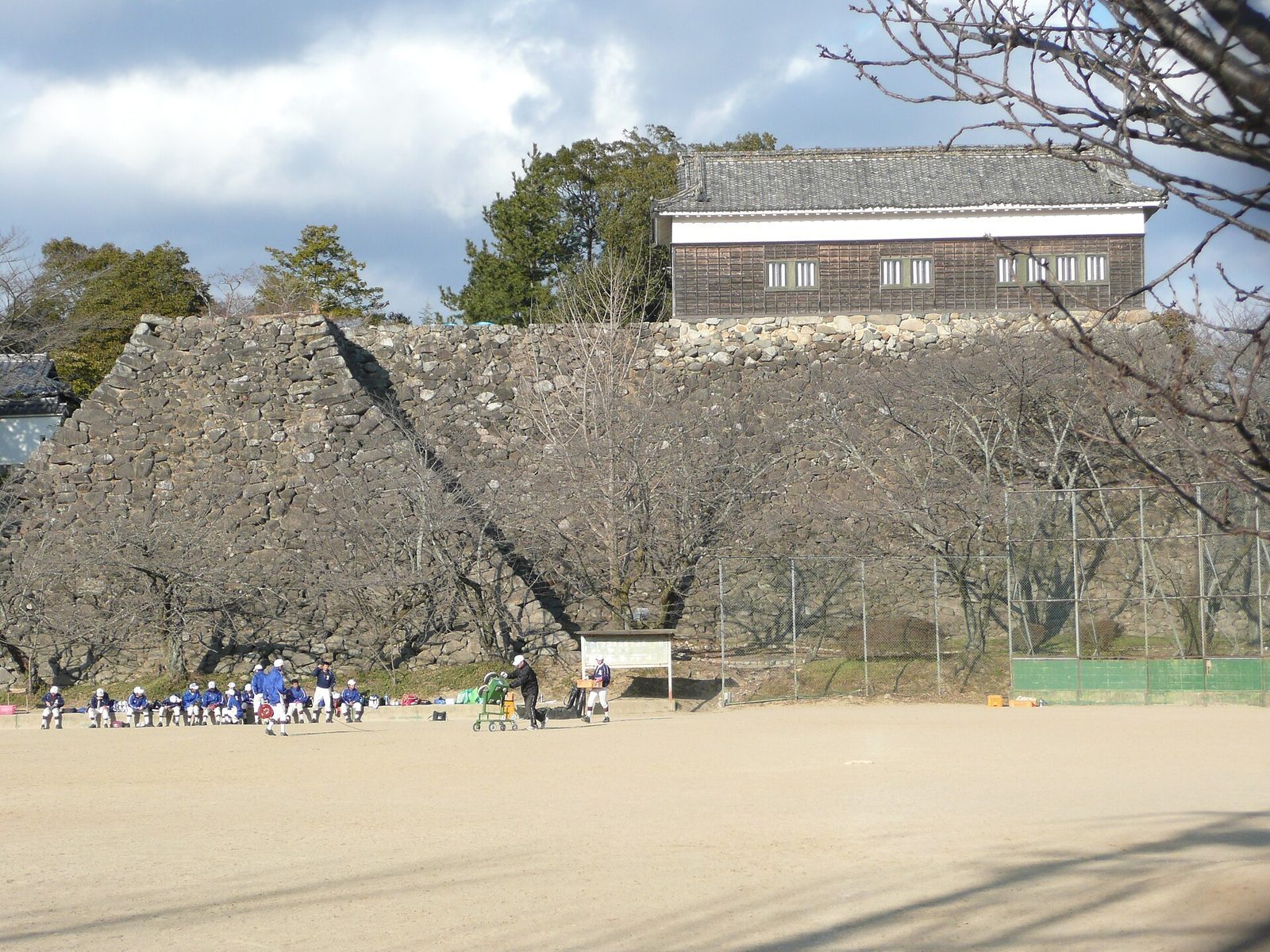
Following the 1873 order to abolish castles, most of the buildings at Ise Kameyama were demolished. A conservation project returned the second enclosure’s narrow belt enclosure and its surroundings to their late-Edo-period appearance in 2006. The surviving Tamon turret and keep platform are jointly designated as a Mie Prefecture historic site. The turret is rare among surviving Japanese castle buildings and is the only surviving example in Mie Prefecture of a core castle structure retained in its original position.
Remains
The surviving layout reflects a hill-castle plan, with enclosed areas arranged in staggered tiers. The remains include a keep platform, a long defensive turret, stone walls, a moat, and earthworks, alongside reconstructed features.
Enclosures and defensive works
Enclosure plan
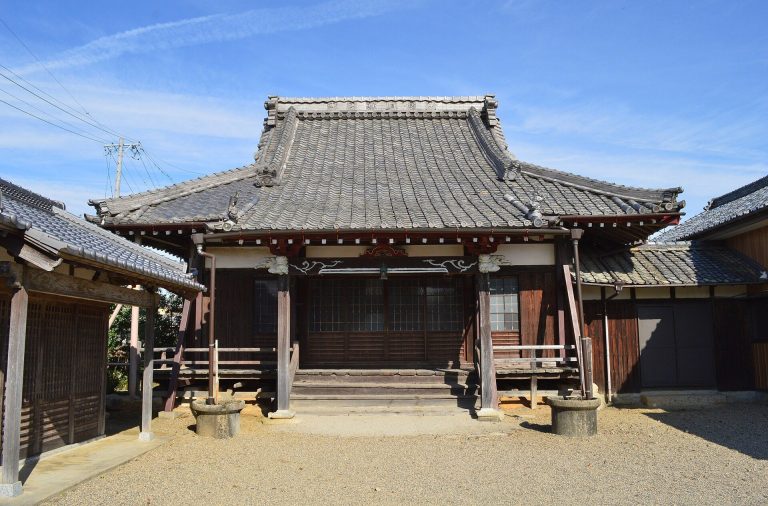
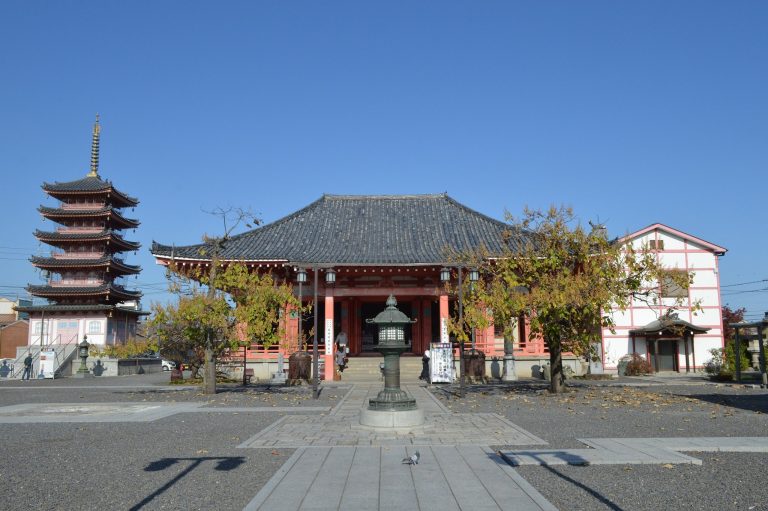
The main, second, and third enclosures formed the castle’s principal divisions. A palace in the main enclosure was reserved for visiting shoguns, while the domain lord’s residence stood in the second enclosure. A belt enclosure, a narrow strip running along the edge of another enclosed area, also formed part of the plan. The entrance to the second-enclosure palace was moved off the castle grounds and incorporated into the main hall of a Buddhist temple in Nishimachi. A Buddhist temple of recent origin and the Kameyama City History Museum are also on the grounds.
Walls and earthworks
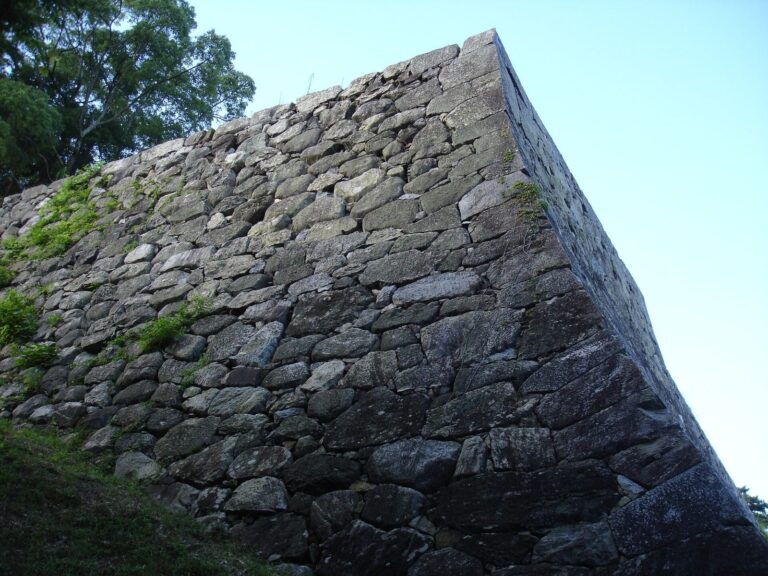
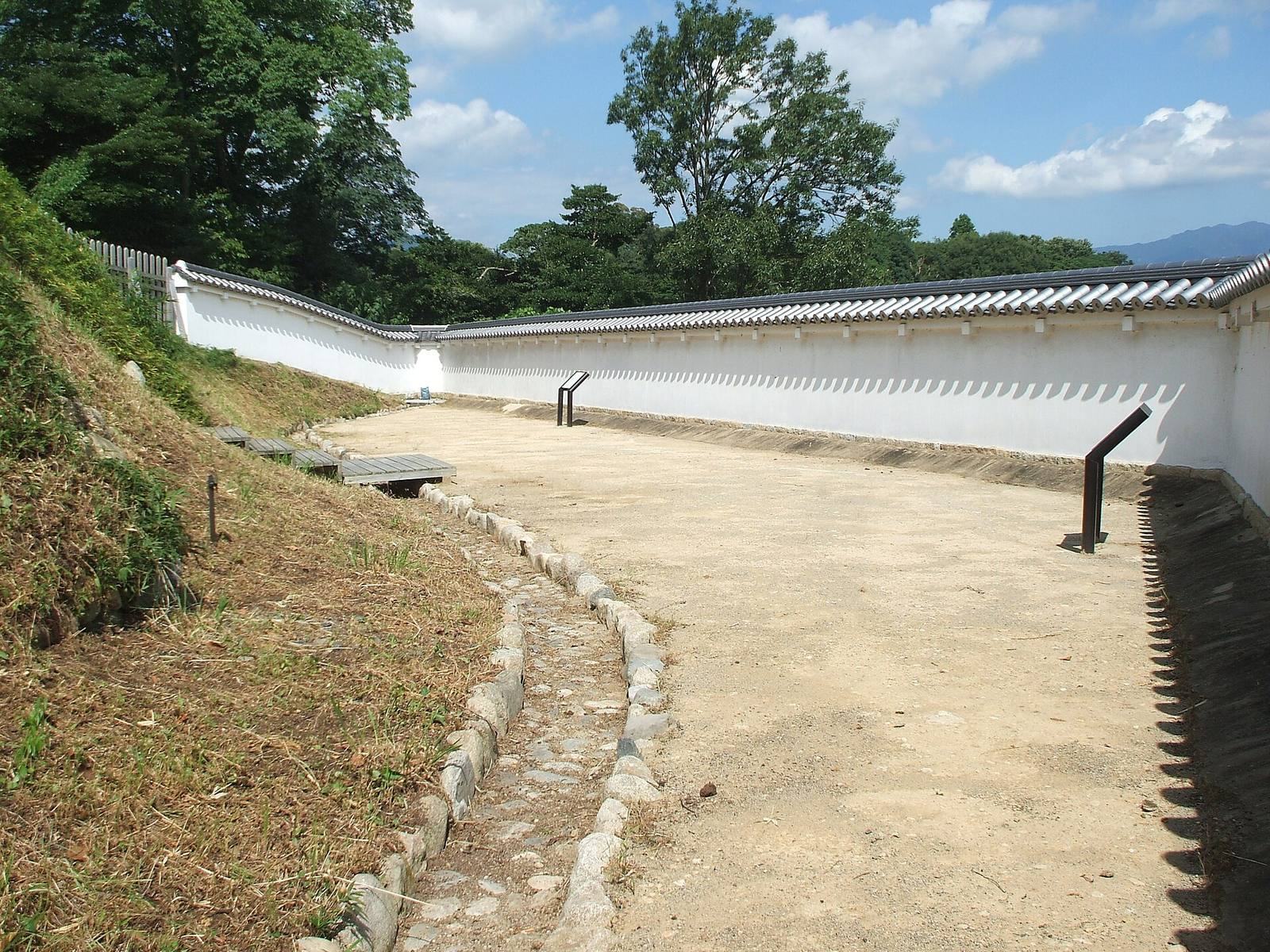
Stone walls, a moat, and earthworks survive among the castle’s defensive remains. Some wall ruins reach about 15 metres in height, and a reconstructed mock wall is among the rebuilt features.
Keep platform and towers
Keep platform
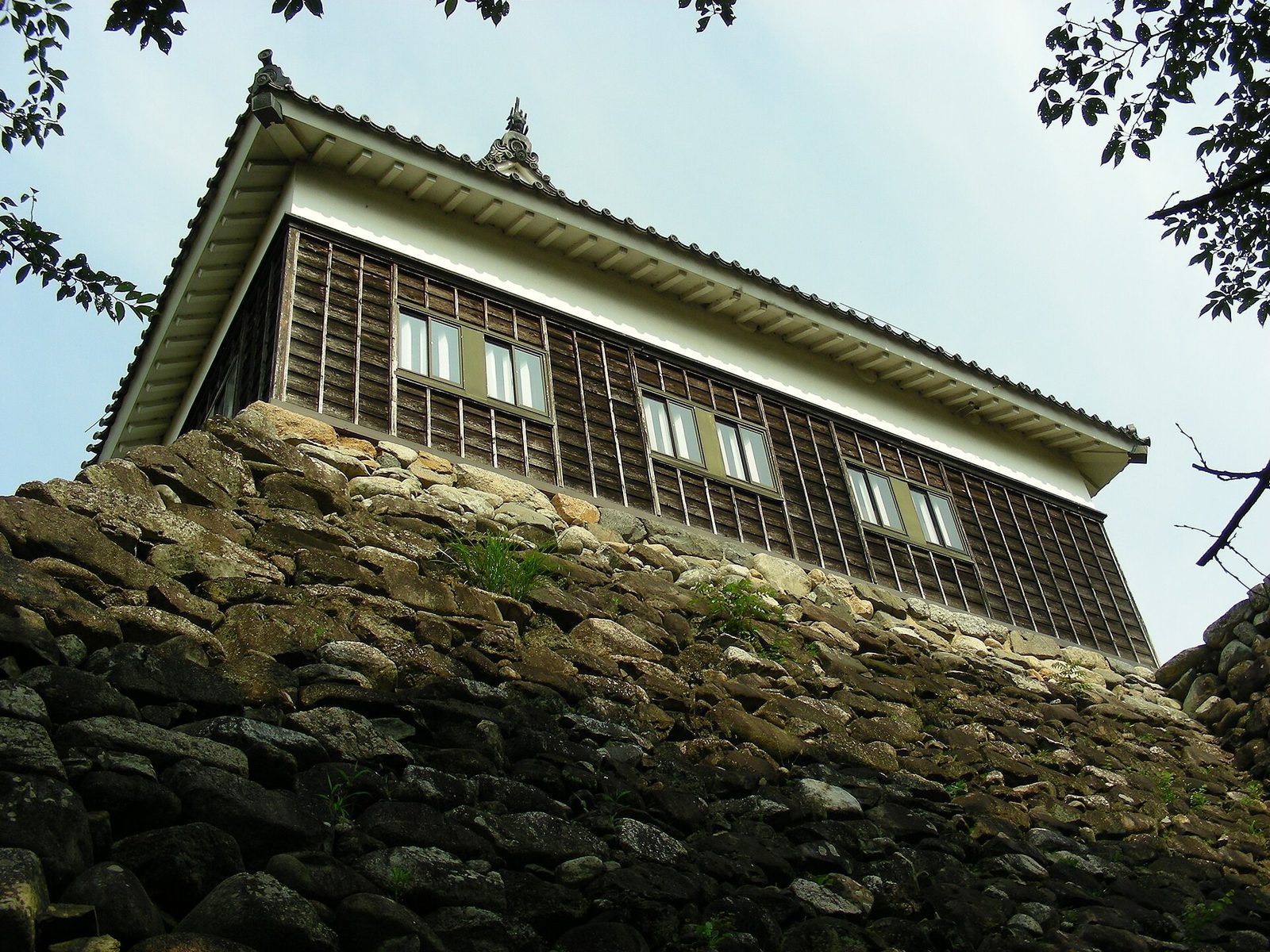
The keep platform lies at the castle’s southeast. Its older stonework dates to the early seventeenth century and was built by the Anō group, specialist castle stonemasons. During an earthquake in April 2007, a section of masonry added after typhoon damage in 1972 collapsed; the older stonework remained intact.
Towers
A three-story turret was built north of the main enclosure in 1636 as a substitute for the keep. A separate Tamon turret, a long defensive tower, was erected on the raised platform of the dismantled keep and remains in its original position.
From August 2011 to March 2012, the Tamon turret underwent repairs and work to restore its late-Edo-period appearance. The work replaced plank walls with plaster walls. A fire on 14 December 2012 damaged about 5 to 6 square metres and delayed completion; restoration was finished in 2013.