Depedogen: An Ottoman Fortress in Podgorica, Montenegro
Site at a Glance
- Country
- Montenegro
- Primary era
- Medieval
- Eras represented
- Medieval
- Civilizations
- Ottoman
- Site type
- Military
- Remains
- Fort
On this page9 sections
History
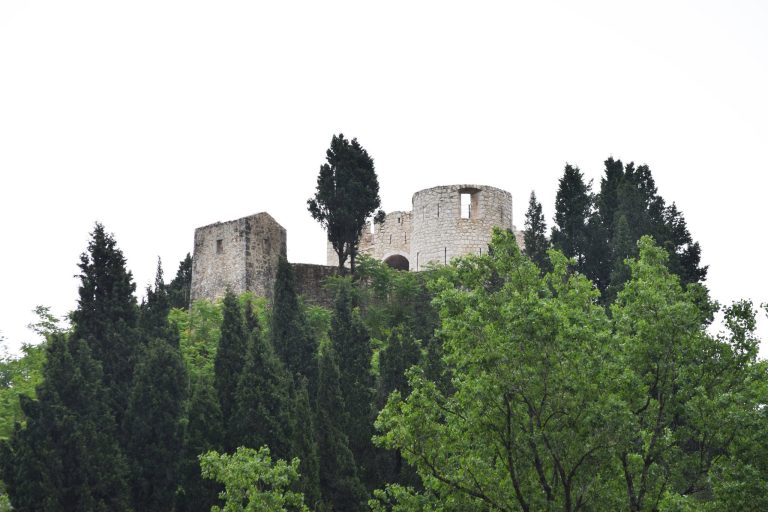
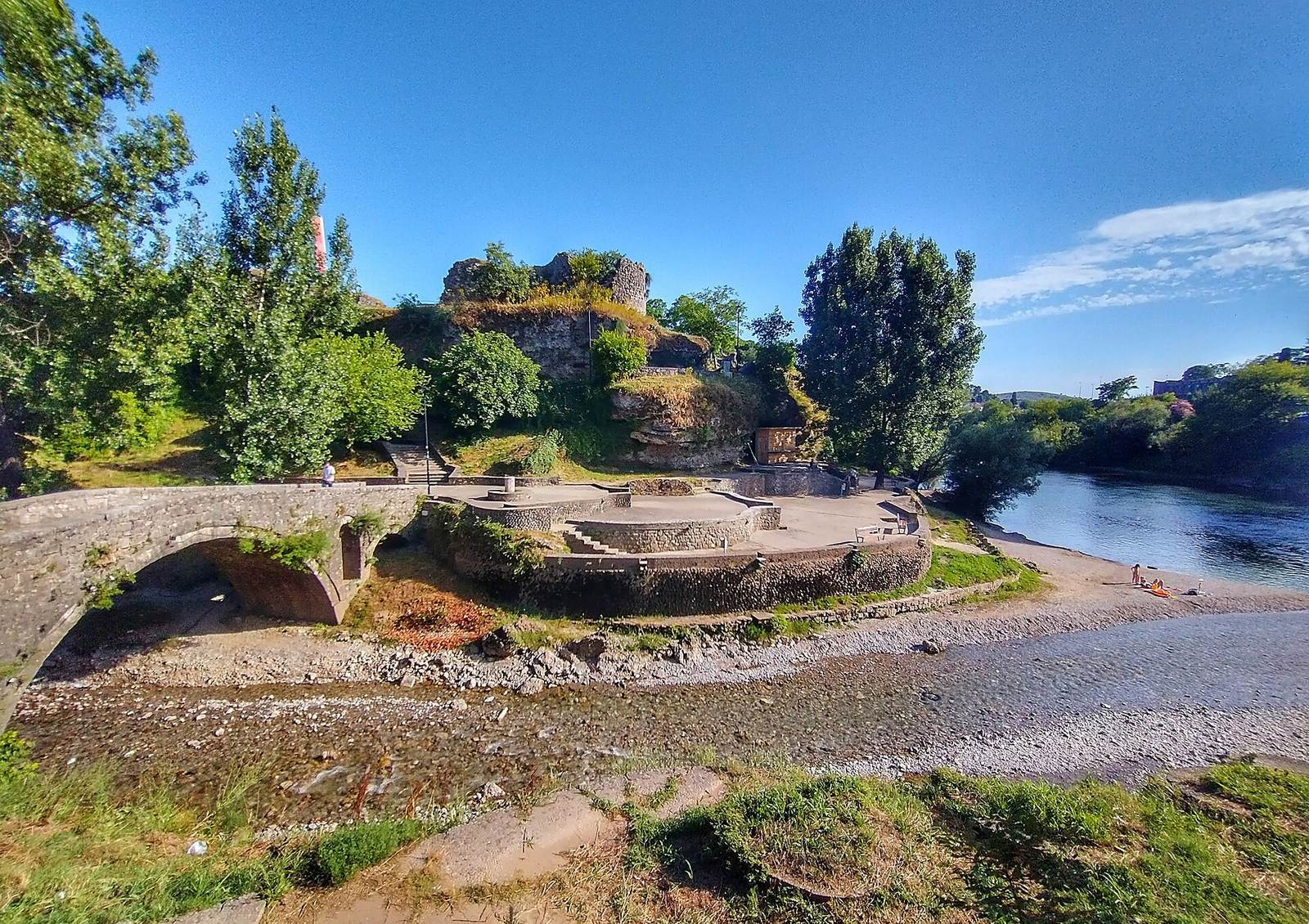
Depedogen, also known as Ribnica, is a fortress in Podgorica, Montenegro, built under the Ottoman Empire between about 1474 and 1477. The empire was a Turkish-led power that governed much of southeastern Europe and the eastern Mediterranean, and the fortress was constructed during Sultan Mehmed II’s reign. It was intended to counter tribes from Zeta, a historical region and polity in present-day Montenegro, who already had cannons from Lombardy in northern Italy. Depedogen formed one of two fortresses protecting Stara Varoš.
Ribnica and the Nemanja tradition
The earliest known written reference to Ribnica appears in the Life of Saint Simeon, a religious biography written before 1216 by Saint Sava, a Serbian Orthodox religious leader and writer. It says that Stefan Nemanja, a medieval Serbian ruler, was born in Zeta at Ribnica. The name may have referred to a small settlement or a broader area at the time, and Zavida, Nemanja’s father, may have stayed there temporarily.
Some historians have placed Nemanja’s birthplace in a castle at the confluence of the Ribnica and Morača rivers. Others question whether Ribnica was then a settlement and whether the name in the biography refers to Podgorica. The proposed 12th-century fortress and its identification as Nemanja’s birthplace remain unconfirmed. Excavations led by archaeologist Pavle Mijović in 1963 left the early-fortress and birthplace interpretations unresolved, and cast doubt on whether a town called Ribnica occupied this site in Nemanja’s lifetime.
Ottoman rule and military use
Ottoman forces took control of Podgorica in 1457. The name Depedöğen means ‘under the hill’ in Turkish. In the 17th century, the Ottoman traveler Evliya Çelebi described a garrison of 700. He also recorded about 300 narrow houses within the fortress, along with barracks, a small mosque, a granary, rooms for ammunition and cannons, and water cisterns. The fortress served for a long period as an ammunition store.
Damage, memory, and conservation
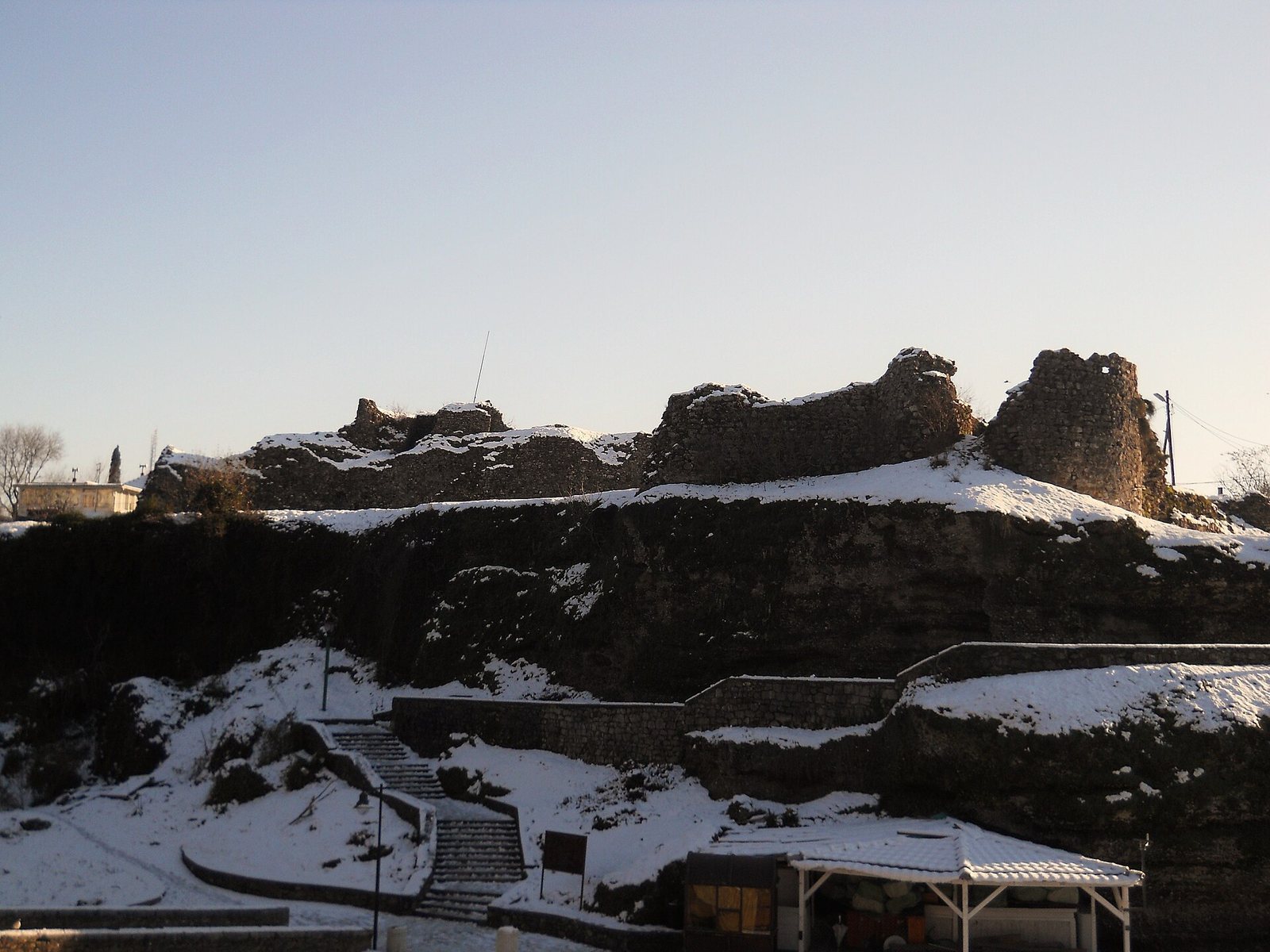
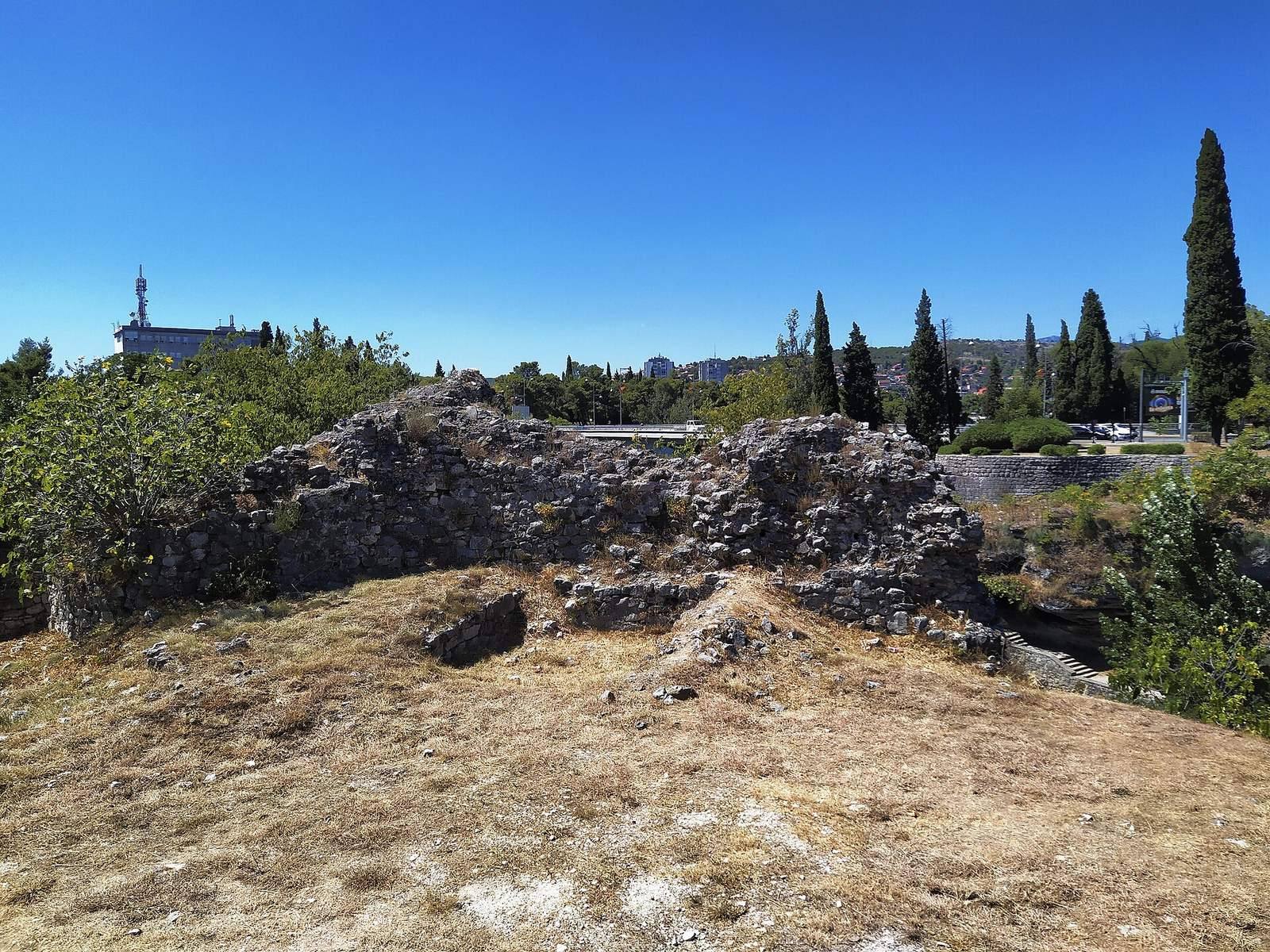
In 1878, lightning ignited ammunition stored in the fortress, severely damaging its interior and exterior. After Ottoman rule ended in Podgorica, local residents took stone from the ruins to build houses. The remains became part of Montenegro in 1879.
The names Nemanjin Grad and Nemanjića Grad express the tradition linking the fortress with Stefan Nemanja, rather than a confirmed 12th-century origin. King Nikola of Montenegro helped popularize the name Nemanjin Grad after Podgorica’s liberation in 1878. Orthodox ceremonies are also held at the site. Conservation and restoration work was carried out on the southwestern ramparts in 2016.
Remains
Fortification fabric
Plan and materials
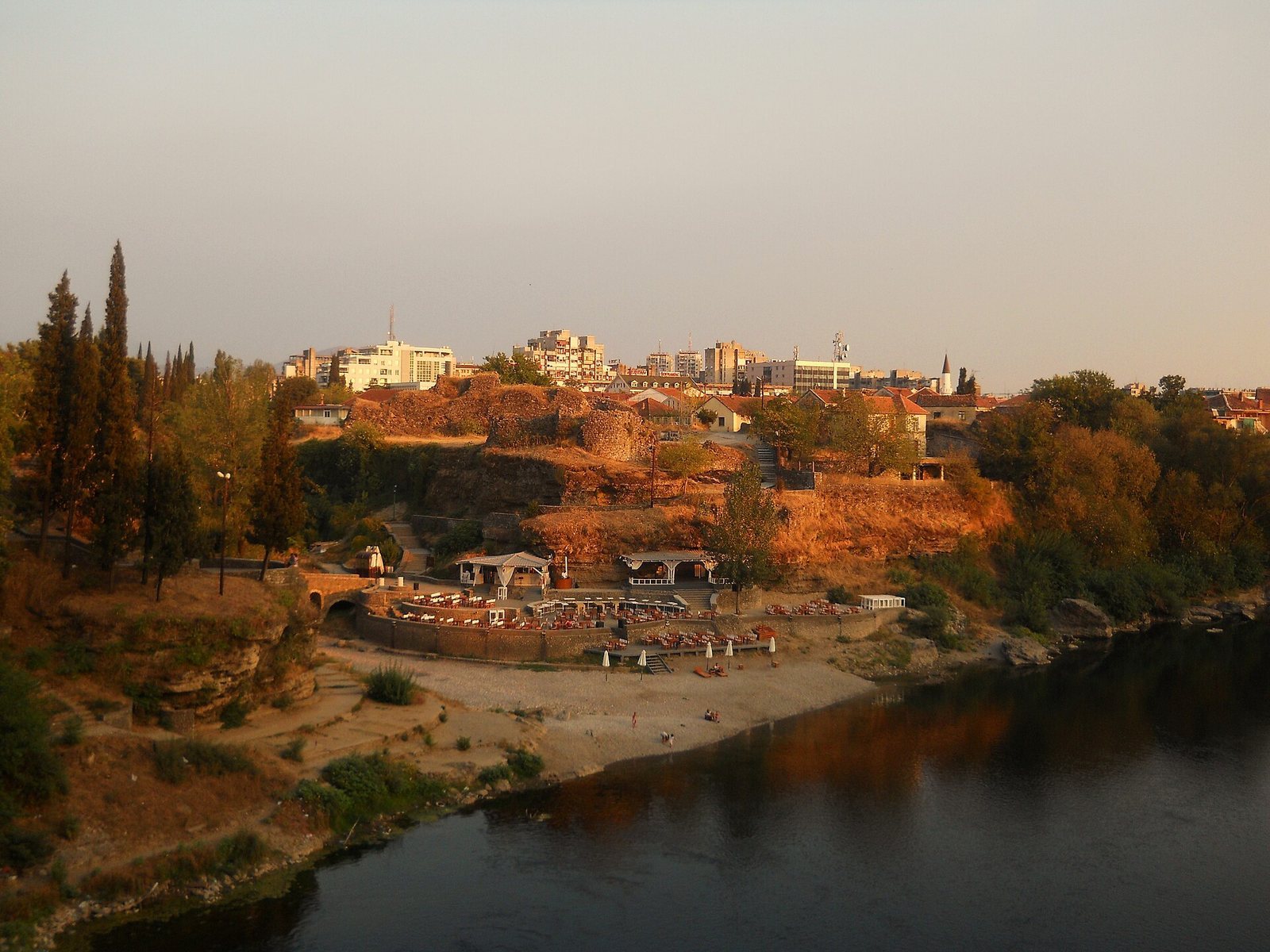
The fortress stood at the confluence of the Ribnica and Morača rivers in Podgorica’s Stara Varoš. Its plan measured about 75 metres from east to west and 45 metres from north to south. The walls were built of limestone, with building stone said to have come from the ruins of Duklja, an ancient and medieval city in present-day Montenegro.
Ditch
A ditch was dug in front of the fortress. It may have linked the banks of the Ribnica and Morača, extending the fortification’s defensive setting between the two rivers.
Wall and towers
The surviving fabric has been extensively altered. A wall section with a pentagonal tower and a projecting triangular feature that also served as a tower is considered the only part retaining the Ottoman construction unchanged. The tower features may themselves predate the Ottoman fortress.