Rock of Cashel: Royal Seat and Medieval Ecclesiastical Complex in Ireland
Site at a Glance
- Rating
- 4.6
- Popularity
- High
- Country
- Ireland
- Primary era
- Medieval
- External website
- Open
- Eras represented
- Medieval
- Civilizations
- Unclassified
- Site type
- Religious
- Remains
- Cathedral
On this page15 sections
History
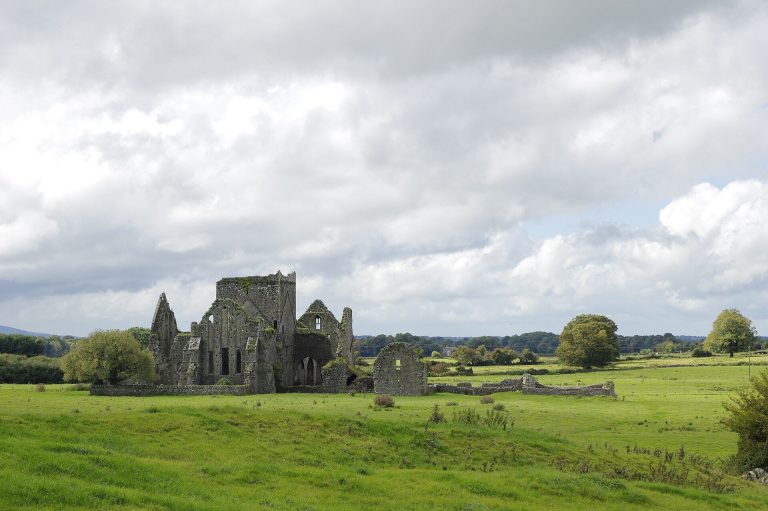
The Rock of Cashel, also known as Cashel of the Kings and St Patrick’s Rock, is a historic royal and ecclesiastical complex in Cashel, Ireland. Occupying a limestone outcrop above the surrounding plain, it was traditionally associated with the kings of Munster from at least the fourth century and became an important centre of medieval Irish architecture and Celtic art.
The Munster Kings
In the fifth century, the Eóganachta, a major ruling clan of Munster, established a fortress at Cashel. The clan maintained supremacy there for centuries, while the Rock’s elevated position provided oversight of the surrounding plain. Later tradition connected the site with Saint Patrick, Ireland’s traditionally recognized fifth-century Christian missionary and patron saint, who was said to have converted or baptized a king of Munster there. The same tradition associated Cashel with the foundation of a bishopric, the territory governed by a bishop.
Brian Boru was crowned king of Munster at Cashel in 977 before later becoming high king of Ireland. His descendants, the O’Brien dynasty, continued to rule from the site. In 1101, Muirchertach Ua Briain, king of Munster, gave the fortress to the Church. Cashel then developed into an archbishopric, a higher-ranking ecclesiastical jurisdiction headed by an archbishop.
From Fortress to Church Centre
Cormac Mac Cárthaigh became the first archbishop of Cashel in 1127 and commissioned Cormac’s Chapel in the same year. The chapel was consecrated in 1134. Two craftsmen sent from Regensburg assisted with its construction, reflecting links between Cashel and the German city. Henry II of England visited the Rock in 1172 after the Anglo-Norman conquest of part of Ireland. Irish princes and clergy paid homage to him there, in an event associated with the continued independence of the Irish Catholic Church.
Work on the large cathedral began in the thirteenth century, and the building was constructed between 1235 and 1270. A bishop’s residential stronghold was incorporated into the western end of the cathedral complex during the fifteenth century. After the death of Archbishop Roland Baron in 1561, rival Catholic and Anglican bishops were appointed by the pope and the English Crown. The Crown’s nominee eventually prevailed.
Conflict and Decline
Miler Magrath held the archbishopric from 1571 to 1622. His tomb, including an inscription composed by Magrath himself, remains in the cathedral choir. During the Irish Confederate Wars, a conflict over political and religious control in seventeenth-century Ireland, Cashel returned to Catholic control in 1641.
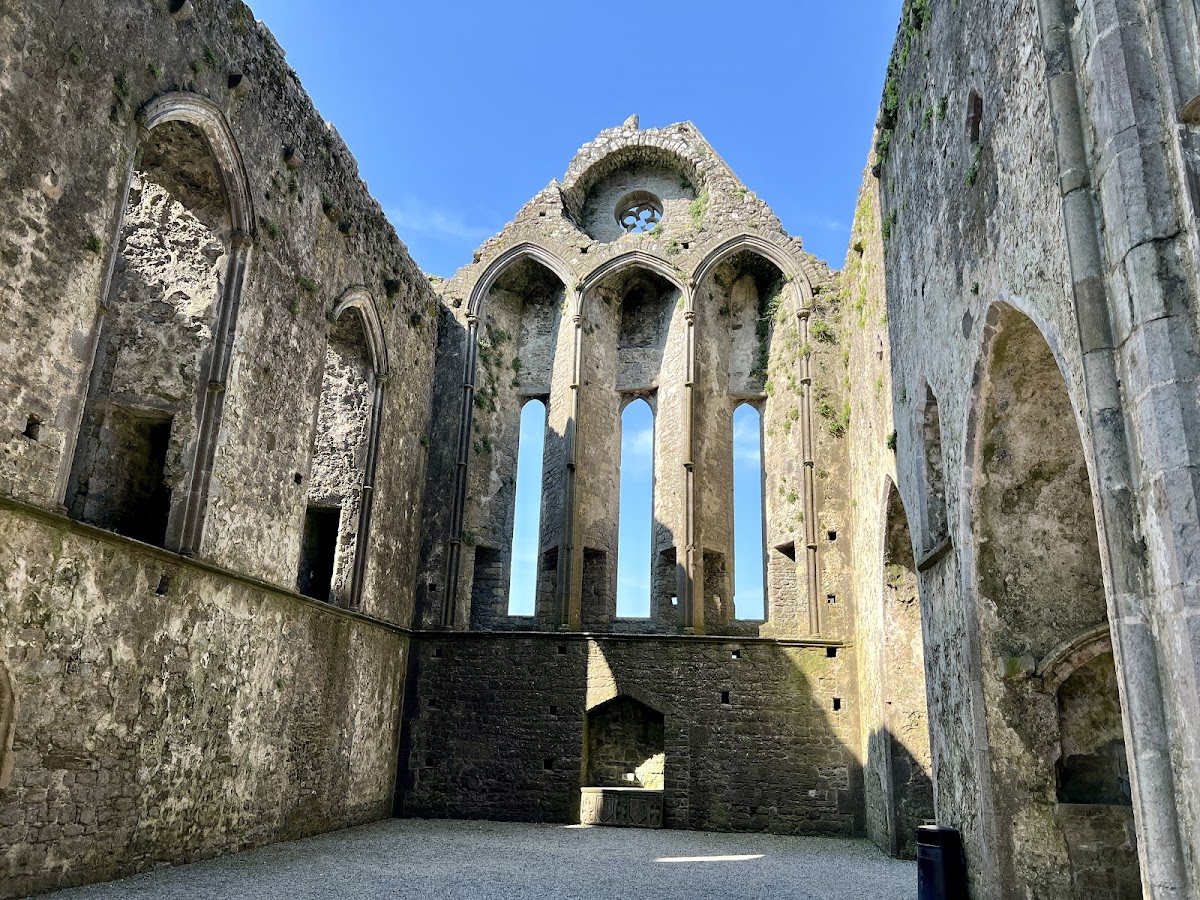
In 1647, forces commanded by Murrough O’Brien, Earl of Inchiquin, captured and sacked the Rock. Confederate soldiers and Catholic clergy, including Theobald Stapleton, were massacred, while important religious artefacts were looted or destroyed. The Anglican Church abandoned the complex during the eighteenth century. In 1749, Arthur Price, the Anglican archbishop of Cashel, removed the cathedral roof, after which the buildings fell into decline. In 1763, during the Whiteboy movement, a period of rural protest in County Tipperary between 1763 and 1765, a large number of Whiteboys levelled the wall around the Rock.
Preservation
The Office of Public Works restored the Hall of the Vicars Choral in 1975 as part of European Architectural Heritage Year. The restoration helped establish the hall as the entrance to the complex, and it now contains a museum about the Rock’s history. The Rock of Cashel is protected as a National Monument of Ireland and is listed as a candidate for inclusion in the UNESCO World Heritage List.
Remains
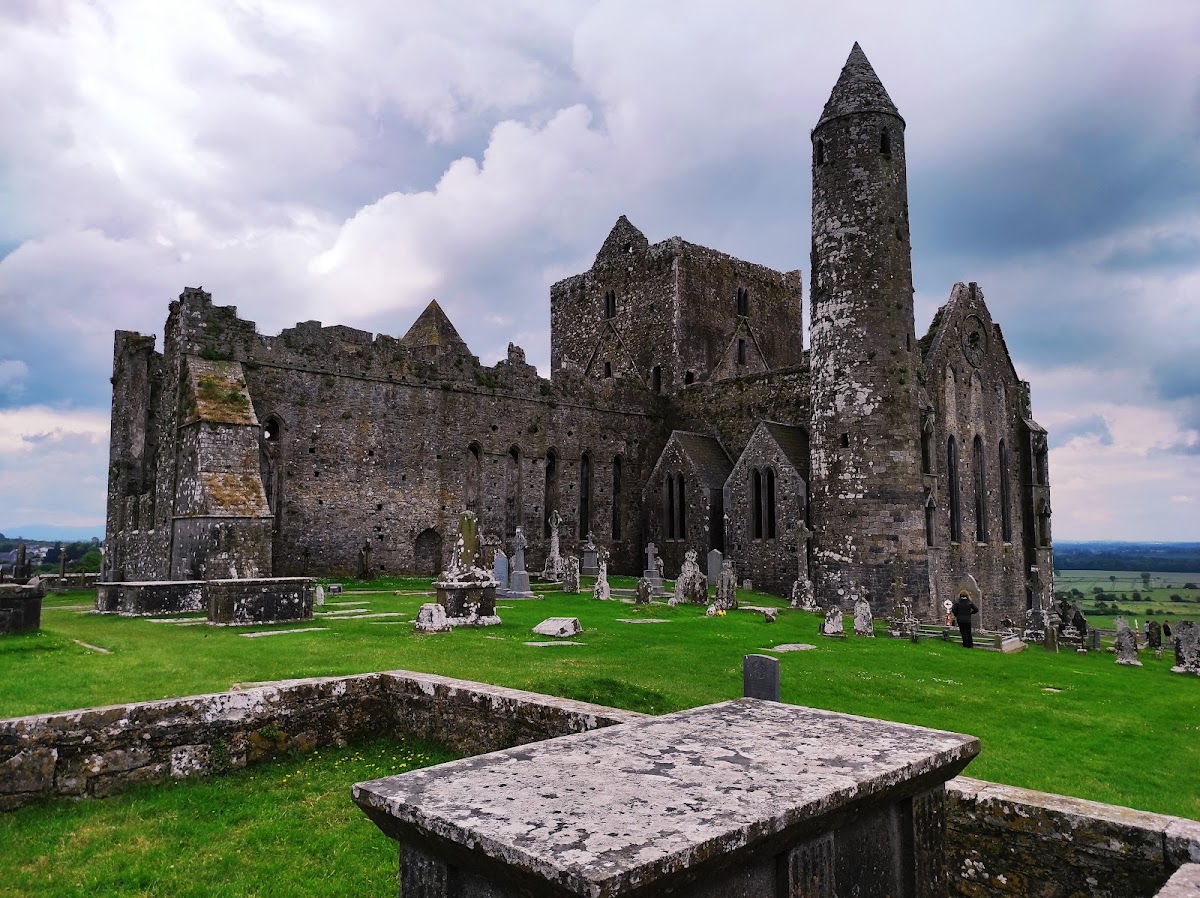
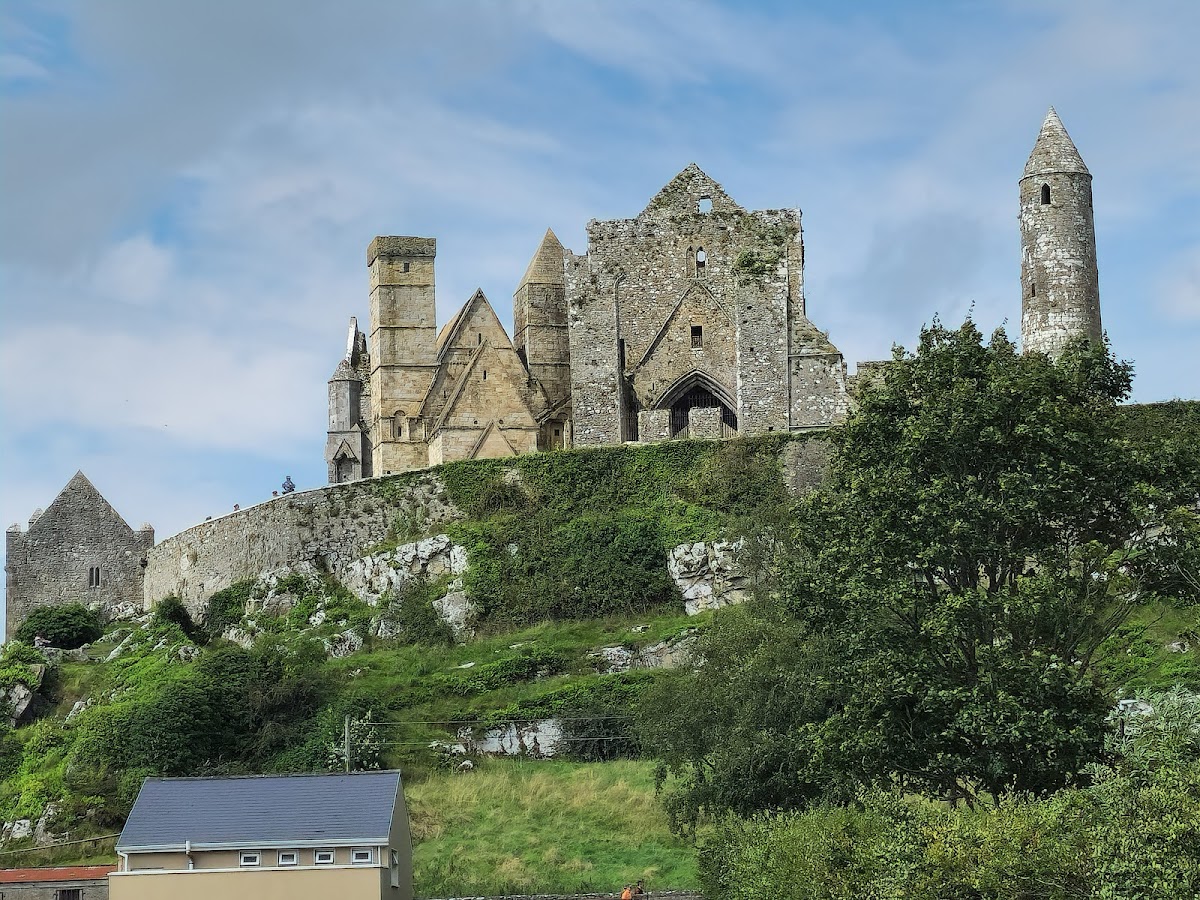
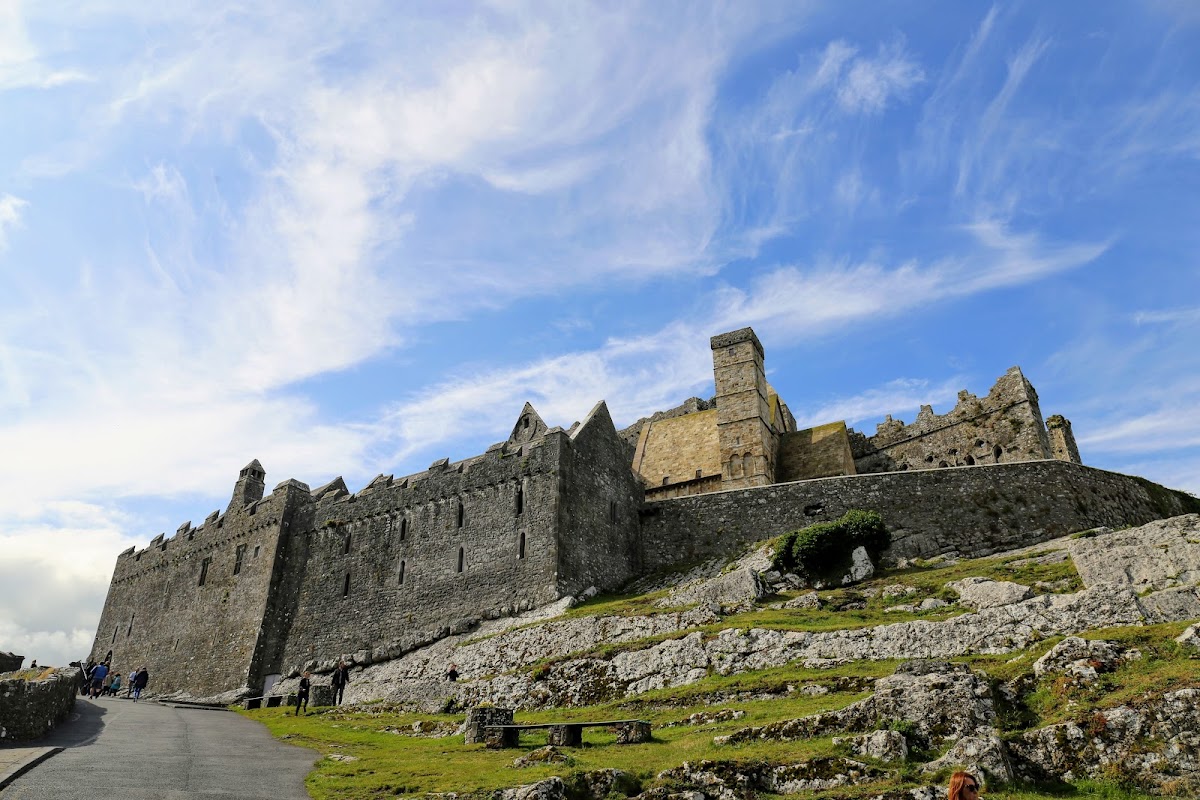
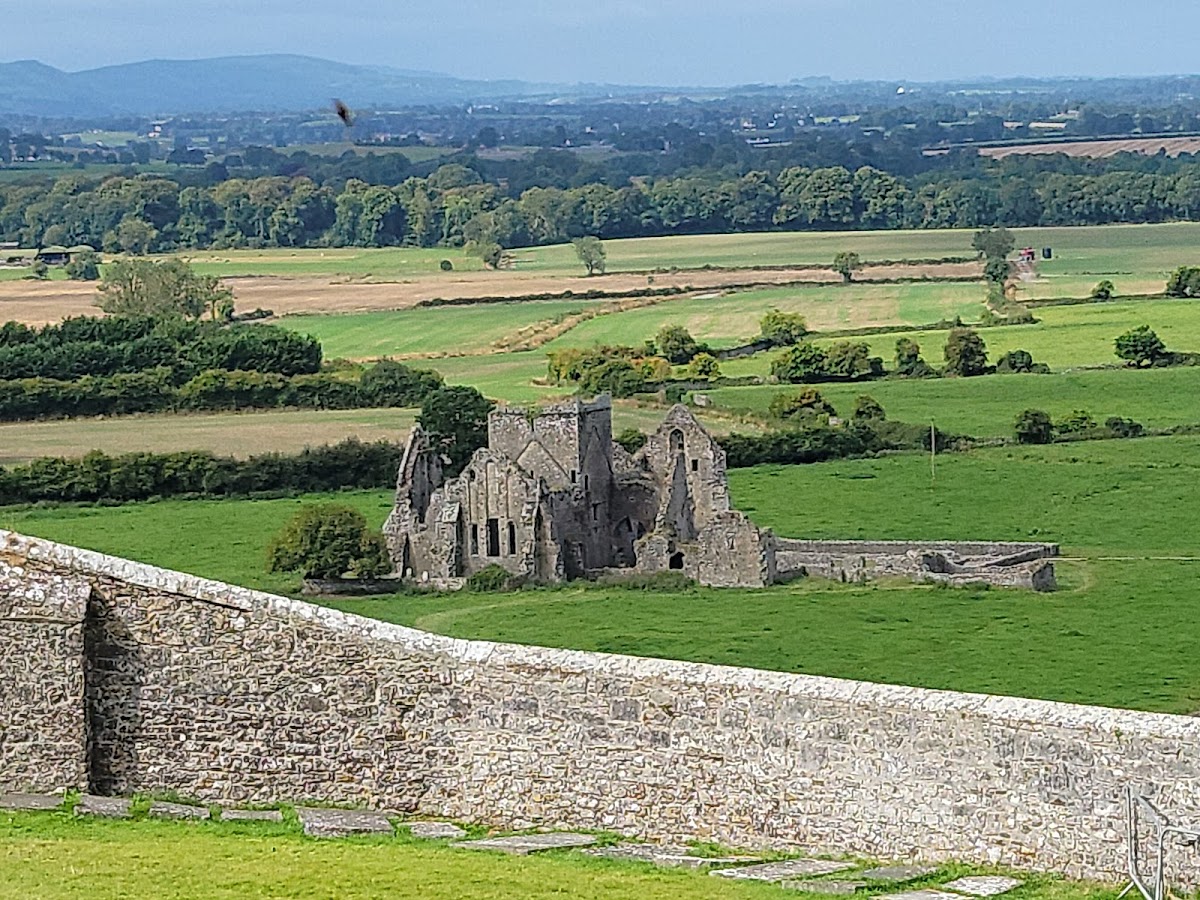
The surviving complex stands on a limestone outcrop approximately 65 metres above the surrounding plain. A wall encloses the plateau occupied by the buildings and graveyard. Most of the visible structures date from the twelfth and thirteenth centuries, alongside later additions and remnants of earlier buildings. Together they form a concentrated group of medieval architecture and Celtic artistic remains.
Early and Romanesque Buildings
Round Tower
The round tower is the oldest and tallest surviving structure on the Rock. Generally dated to around 1100 or 1101, it rises approximately 28 metres and has an entrance positioned about 3.6 to 3.7 metres above ground level. The tower stands on a shallow foundation approximately one metre deep. Its walls use dry-stone masonry, with some joints later filled with mortar to improve safety.
Cormac’s Chapel
Cormac’s Chapel is a Romanesque church, a medieval architectural style characterized by heavy masonry, rounded or thickly framed arches, and vaulted spaces. Its nave and chancel are not fully aligned. The sandstone building has vaulted ceilings, broad arches, interior and exterior arcading, carved tympana above its doorways, a substantial north doorway, an ogival chancel arch, and two square towers at the junction of the nave and chancel.
The chapel’s twin towers are an unusual feature in Ireland and are associated with the influence of the craftsmen from Regensburg. A tympanum, the decorated field above a doorway, shows a helmeted centaur aiming a bow at a lion. The scene may symbolize the triumph of good over evil. Cormac’s Chapel also contains Ireland’s only surviving Romanesque frescoes. Waterlogging in the sandstone seriously damaged the interior decoration, so conservation work enclosed the chapel within a rainproof structure and introduced dehumidifiers. Extensive restoration was completed in 2017.
Cathedral and Residential Tower
Cathedral
The cathedral was built between 1235 and 1270 as an aisleless cruciform church, meaning that its plan forms a cross without side aisles. It has a central tower and terminates at the west in a massive residential tower house. The central tower is reported to date from the fifteenth century. The cathedral entrance is associated with an old stone traditionally identified as the stone on which the kings of Munster were crowned.
Western Residential Tower
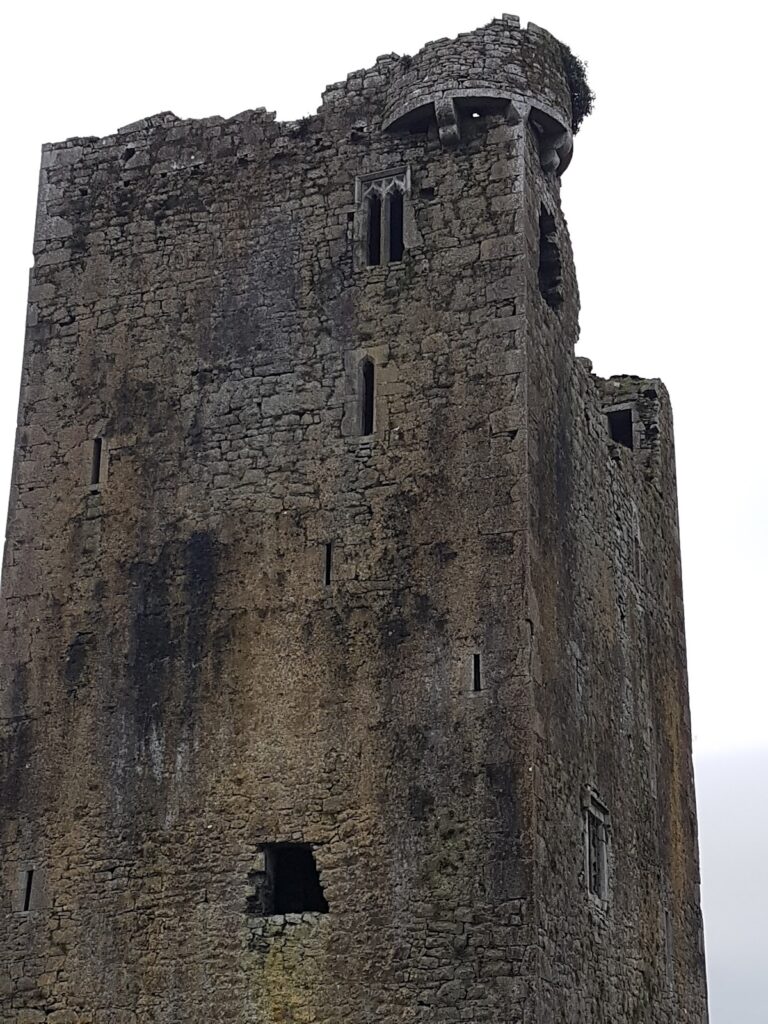
The western residential tower was built during the fifteenth century and incorporated into the cathedral complex as a bishop’s stronghold. A spiral stair leads to its battlements, preserving the defensive and residential character of this later addition to the ecclesiastical site.
Vicars’ Hall and Graveyard
Hall of the Vicars Choral
The Hall of the Vicars Choral was built in the fifteenth century and later acquired a dormitory. Its upper floor contained the principal living room of the vicars choral, laymen or minor canons who assisted with singing during cathedral services. The restored building now provides access to the complex and contains a museum about the Rock of Cashel.
Crosses and Burial Ground
An extensive graveyard surrounds the buildings and contains numerous high crosses, monumental Irish stone crosses decorated with biblical or symbolic imagery. A St Patrick’s Cross more than seven feet high is associated with the vicars’ hall. The cross standing at the site is a copy, while the original is preserved in a museum. It depicts Christ and a bishop and lacks the ring normally found around the intersection of an Irish high cross.
Scully’s Cross was built in 1860 as a memorial to the Scully family. Lightning struck a metal rod running through it in 1976 and destroyed the cross. Its upper fragments remain at the foot of the cross beside the rock wall.