Killahara Castle: A Sixteenth-Century Tower House in County Tipperary


Site at a Glance
- Rating
- 4.1
- Popularity
- Very Low
- Country
- Ireland
- Primary era
- Early Modern
- Eras represented
- Early Modern
- Civilizations
- Irish
- Site type
- Military
- Remains
- Castle
On this page6 sections
History
Construction and O’Fogartie ownership
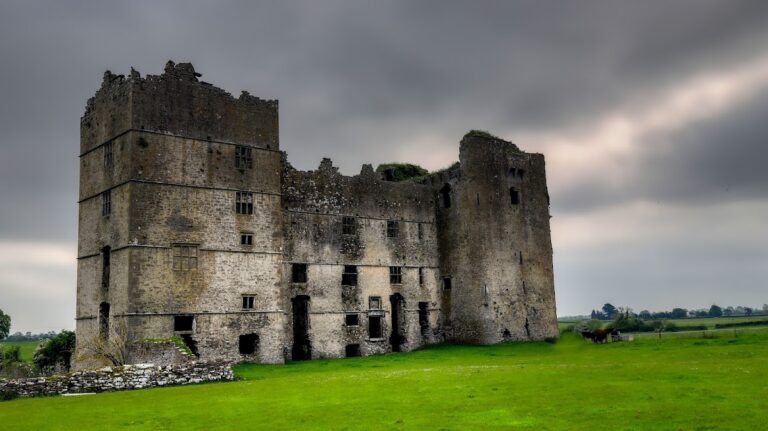
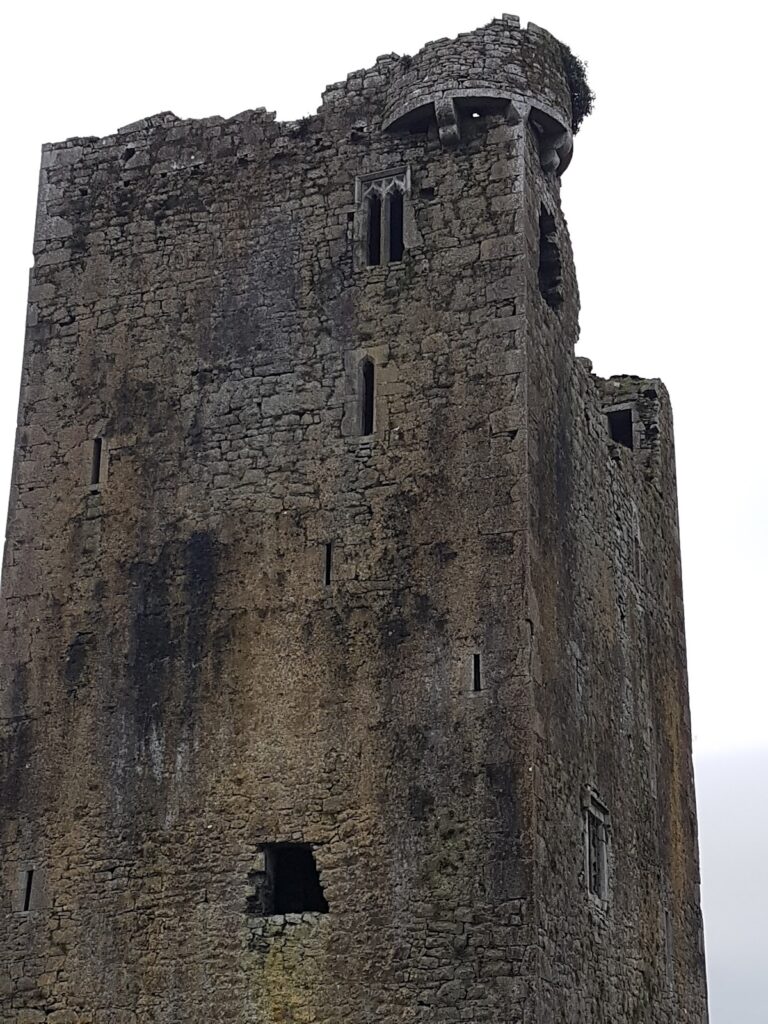
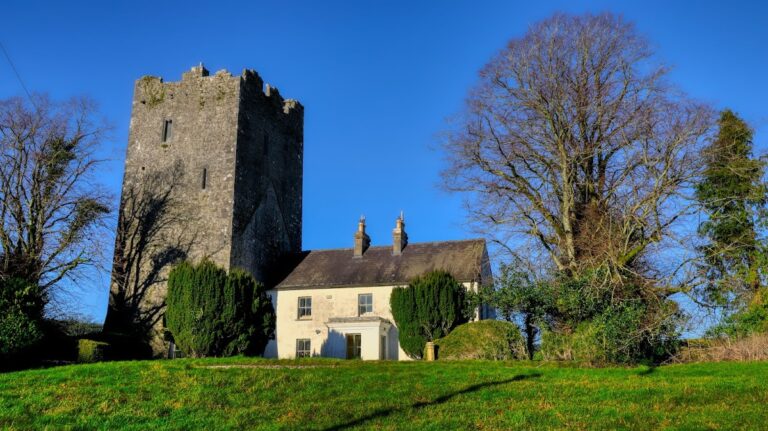
Killahara Castle is a sixteenth-century tower house in Ireland, a fortified stone residence built vertically for defence and domestic occupation. It stands in the townland of Killahara, a traditional small territorial division used for local identification, near Thurles and the villages of Dovea and Loughmore in County Tipperary. The building was erected around 1550 for Donagh O’Fogartie, chief of the O’Fogartie clan, an Irish clan that controlled extensive territory in North Tipperary.
Donagh O’Fogartie was killed in battle in 1583. After his death, ownership passed through his widow, who belonged to the Purcell family, and then to other members of that family. The Purcells were of Norman origin and held land and property in Ireland. Their connection with Killahara continued until the upheavals of the seventeenth century.
Confiscation and the Trant estate
In 1649, during Oliver Cromwell’s conquest of Ireland, Parliamentarian forces ransacked Killahara Castle and removed its roof. The campaign, which lasted from 1649 to 1653, led to the confiscation and redistribution of land held by many Catholic Irish landowners. The Purcells were expelled as “forfeiting papists,” and the O’Fogartie and Purcell lands were granted to the English adventurer Annesley.
The lands and ruined castle passed to the Trant family in the early eighteenth century. The Trants already possessed extensive estates in County Kerry and initially managed Killahara from a distance. In the early 1830s, a branch of the family built Dovea House as an estate residence. By 1837, Killahara was described as a “very fine old castle,” formerly belonging to the Purcells and then owned by Mr. Trant.
Tenancy, restoration, and destruction
Trant tenants, including members of the Fogartie family, continued to live in the partly derelict castle until about 1850. One of them, Black Jack Fogarty, was evicted after the Great Famine had left him impoverished. John Trant began restoring the building in 1852, but the work was not completed after his attention turned to the development of Dovea village and the construction of a church for workers brought from Great Britain.
Fitzgibbon Trant began another restoration attempt in 1903, and his aunt Emily lived in the castle for a period afterward. In 1920, during the Irish War of Independence, the building was burned out by the Black and Tans, British auxiliary forces used mainly for policing and counterinsurgency. They reportedly acted because they believed that members of the Irish Republican Army were meeting there.
Twentieth-century ownership and restoration
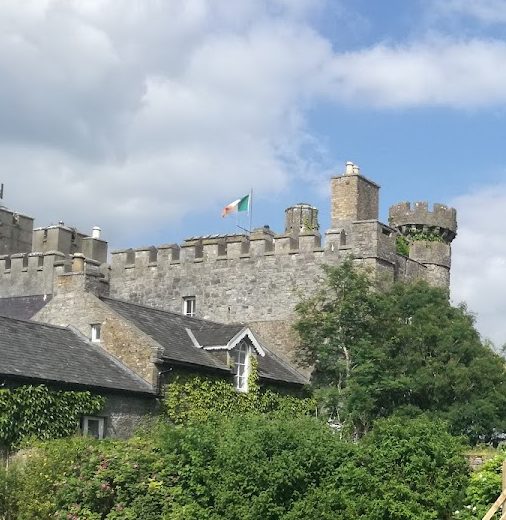
The Trant family sold Killahara Castle and its surrounding lands to a local farmers’ cooperative in the 1930s. The castle changed hands again in 2006, when its new owners undertook a restoration project intended to make the tower house habitable. The work was completed in November 2008, and the building is recorded as restored.
Remains
Killahara Castle survives as a restored tower house in the Killahara townland of County Tipperary. Its form represents the fortified stone residence built around 1550 for Donagh O’Fogartie. The building was severely altered by historical events: Cromwellian forces ransacked it and removed its roof in 1649, it later stood ruined or partly derelict, and it was burned out in 1920. Restoration work undertaken in 1852 and 1903 was followed by the 2006–2008 project, which made the tower house habitable. The completed work left Killahara as a restored building rather than the roofless ruin described in earlier accounts.
Nearby sites