Historic Sites in Kazakhstan: Explore Mausoleums, Rock Art and Fortified Towns
Explore historic sites in Kazakhstan, including medieval mausoleums, carved rock sanctuaries, fortified settlements and monastery ruins. Burial monuments form the largest group in the collection, ranging from compact brick tombs to the extensive shrine of Khoja Ahmed Yasawi. Other sites preserve Bronze Age images and the buildings and inscriptions of later Buddhist communities.
Primary Function: All
Type: All
Civilization: All
Popularity: All
Rating: All
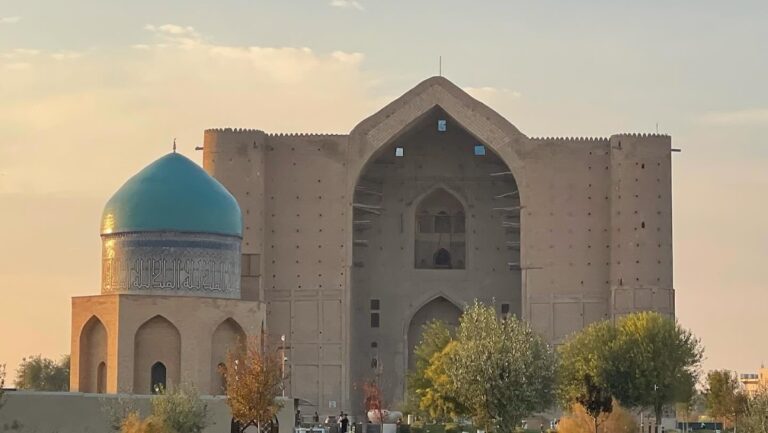
The Mausoleum of Khoja Ahmed Yasawi in Turkestan is a late 14th-century Timurid monument built over the tomb of a revered Turkic poet and Sufi…
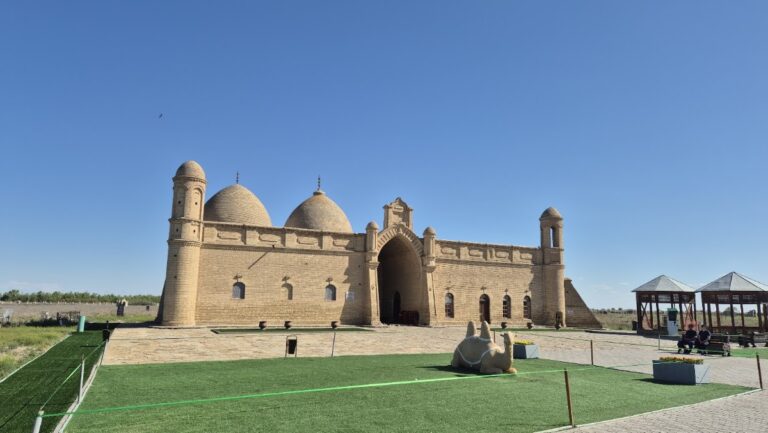
Arystan Bab Mausoleum in southern Kazakhstan is a tomb and commemorative mosque associated with the religious teacher of Khoja Ahmed Yasawi. Its…
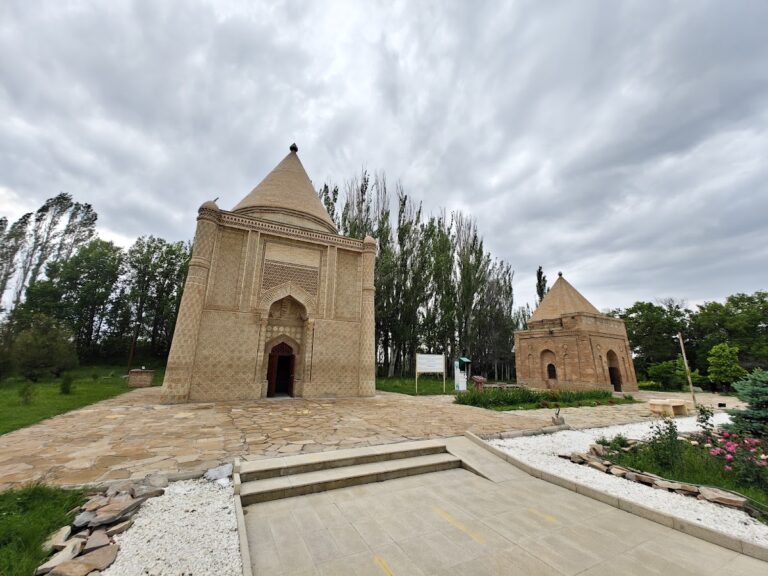
Aisha Bibi is an 11th- or 12th-century mausoleum near Taraz, associated with the Karakhanid period and a long-standing local tradition of love,…
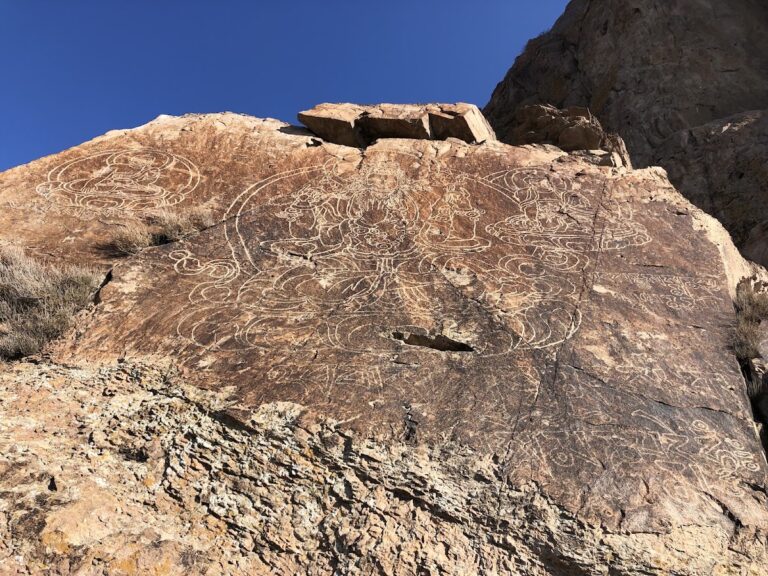
Tanbaly-Tas is a rock sanctuary on the Ili River associated with Tibetan and Oirat Buddhist masters, featuring seventeenth-century images, prayer…

Built in 1878 in the former city of Perovsk, Aitbai Mosque served as both a mosque and madrasa before Soviet-era conversions and later restoration.…
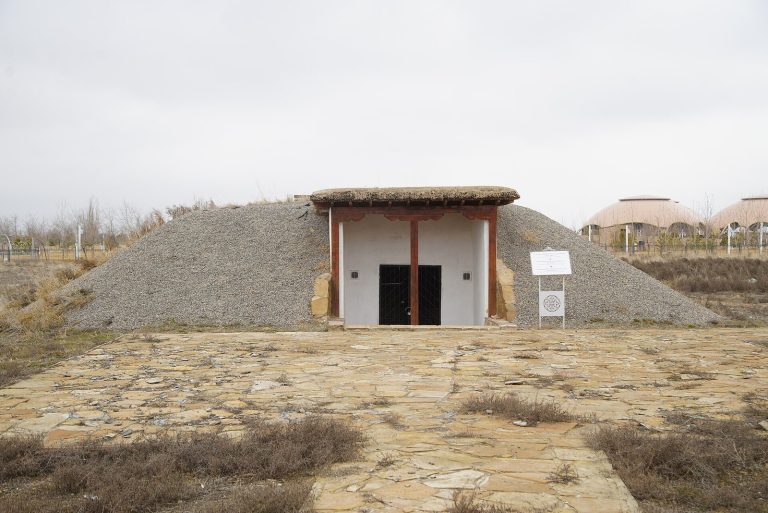
Qumshyq Ata Mosque near Turkestan is a twelfth-century underground khilvet associated with Sufi practice, built over an earlier irrigation or sewer…
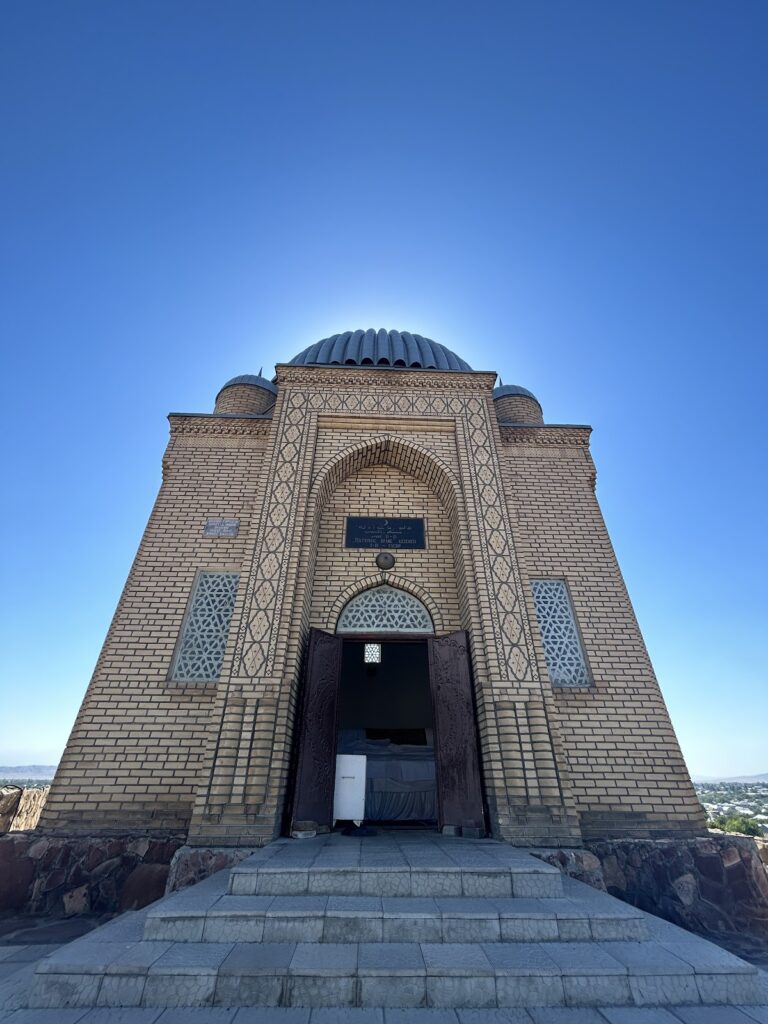
Tekturmas Mausoleum on Tekturmas Hill in Taraz is associated with Sultan Mahmud Khan and reflects the region’s layered religious history,…
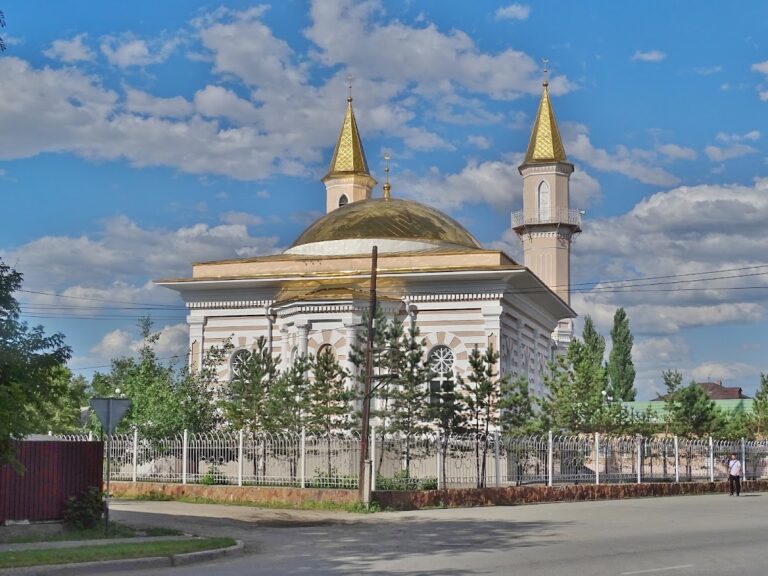
Semey Mosque is a nineteenth-century Sunni mosque in Semey, Kazakhstan, built between 1858 and 1862 and later protected as a monument of republican…
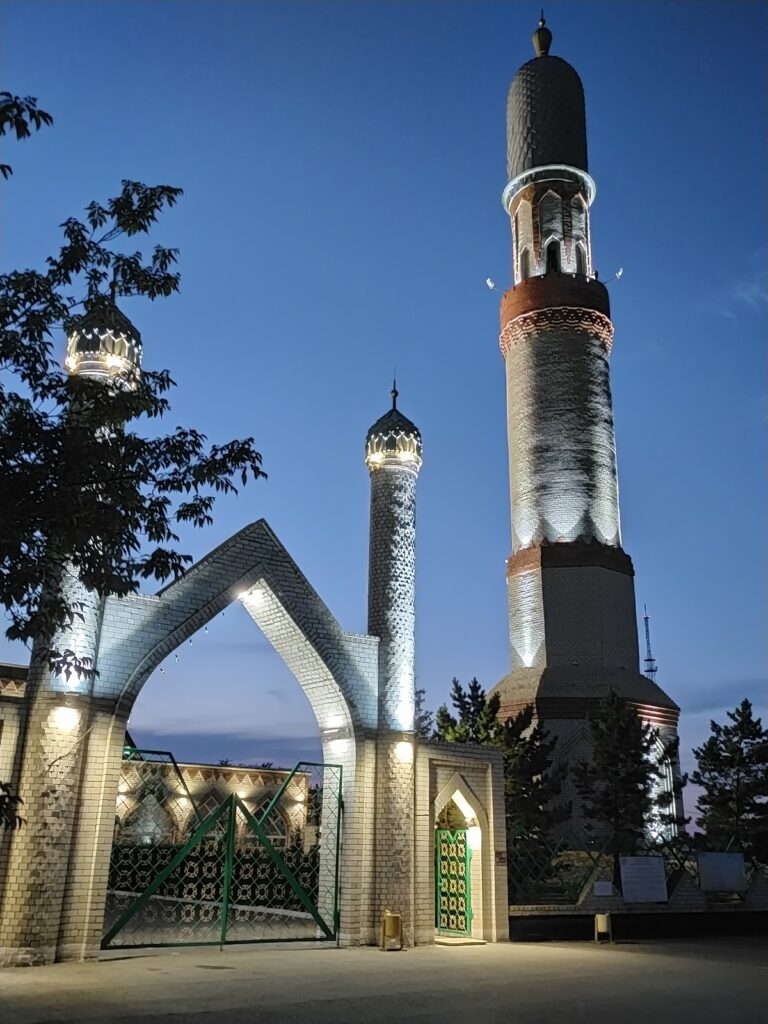
Ekibastuz Mosque is the city’s Friday mosque, completed in 1998 through the support of local religious figures, officials, entrepreneurs, mining…
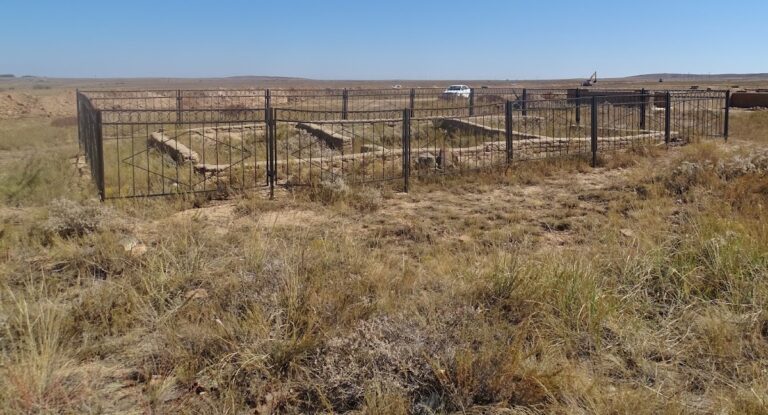
Dzhuchi-khan Mausoleum is a fourteenth-century monument in Kazakhstan traditionally associated with Jochi Khan, eldest son of Genghis Khan. Its…
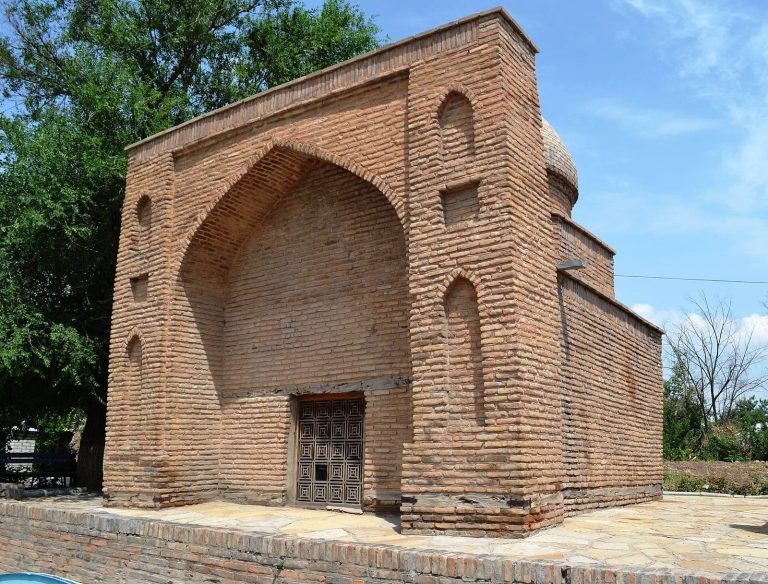
The Mausoleum of Karashash-ana in Sairam, Kazakhstan, is traditionally associated with Aisha Khatun, the mother of the Sufi saint Khoja Ahmad Yasawi.…
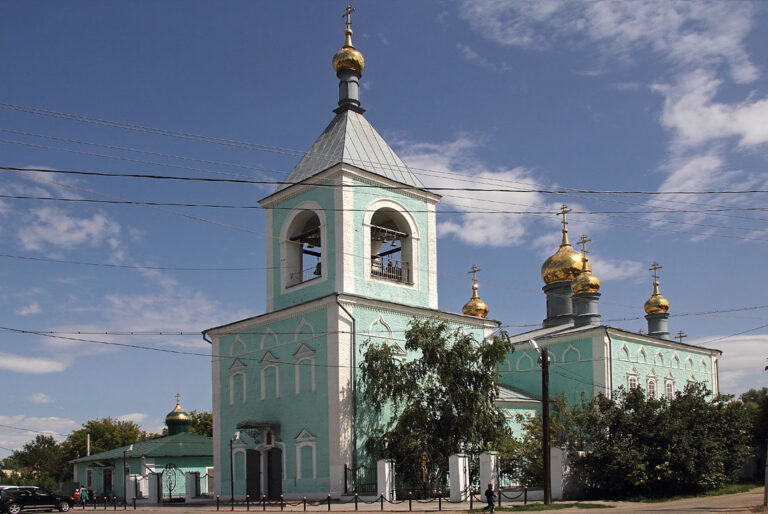
Saint Michael Archangel Orthodox Cathedral in Oral is an eighteenth-century Russian Orthodox church built for the Yaik Cossack Host. It survived the…
For details on how to use the maps, which sites are included, how popularity and ratings are determined, and how sites are classified, see the help page.
On this page6 sections
Khoja Ahmed Yasawi’s domed shrine
The Mausoleum of Khoja Ahmed Yasawi in Turkestan was commissioned by Timur over the grave of the twelfth-century Sufi teacher. Construction began in 1389 and stopped after Timur’s death in 1405, leaving parts of the great entrance unfinished.
Inside, a large domed central hall contains a bronze ritual cauldron. The burial chamber lies farther along the main axis, while rooms for prayer, food preparation, storage and gatherings occupy the surrounding building. Fired brick carries the vaults and domes, with glazed tiles and inscriptions covering parts of the exterior. The complex accommodated a religious community and its visitors as well as the tomb itself.
Carved terracotta and portal tombs
Aisha Bibi, near Taraz, is associated with the eleventh or twelfth century. Its square chamber and rounded corner supports are covered with carved terracotta ornament. Small units form repeating geometric and plant designs, creating a patterned surface across the walls.
Much of the present building results from reconstruction in the early 2000s. Only the western wall and fragments of other parts had survived into the modern period. Replacement tiles and rebuilt masonry restore the overall composition while the remaining historic work supplies evidence for its decorative system.
The Jochi Khan Mausoleum in Ulytau has a different emphasis: a deep arched entrance portal leads into a domed chamber. It is traditionally identified as the burial place of Genghis Khan’s eldest son, but scientific dating places substantial construction in the fourteenth century, later than Jochi’s lifetime. The association should therefore be distinguished from the date of the standing monument. Its portal, brickwork and restored outer dome frame a compact funerary building on a low rise beside the river.
Rock-carved sanctuaries
At Tamgaly, thousands of images are distributed across rock surfaces within a gorge in the Chu-Ili Mountains. Artists pecked through dark weathered surfaces to create figures of animals, people and radiant-headed beings. The Bronze Age carvings are particularly prominent, although later communities added images over many centuries.
Groups of panels occupy the central canyon, with settlements and burial grounds in the wider archaeological landscape. The position of the carvings matters alongside their subjects: concentrations of images mark particular rock faces and enclosed spaces within the gorge.
Tanbaly-Tas is a separate site beside the Ili River. Its large Buddhist figures and Tibetan inscriptions belong to a much later sanctuary associated with seventeenth-century Oirat communities. Images of Buddhas and a bodhisattva occupy prominent boulders, accompanied by prayer inscriptions on neighbouring rocks. The similar place names should not obscure the different dates and religious settings of the two collections.
Jankent’s fortified settlement
Jankent lies in the former delta of the lower Syr Darya. Associated with the Oghuz, the town developed within an earthen enclosure, with gates on its eastern and western sides. A separately defended citadel occupied one corner.
The surviving wall lines and raised citadel establish the town’s outline, while excavation investigates the buildings within it. Its plan combined the defence of a whole settlement with a more restricted stronghold, placing two levels of enclosure inside the same urban site.
Abylaikit’s monastery enclosure
Abylaikit Monastery was founded in the seventeenth century by the Oirat ruler Ablai. Granite hills, ravines and water helped protect a complex enclosed by stone walls. A temple, assembly spaces and accommodation stood within the defended grounds.
The monastery was destroyed during later seventeenth-century conflicts and survives as ruins. Excavations have exposed gate and tower foundations, a temple floor and stone column bases. Finds of glazed building fragments and manuscripts add evidence for the religious buildings once sheltered by the enclosure.
Explore the collection
Explore the map or grid using filters for primary function, site type, civilization, era, popularity and rating. Map icons identify each site’s primary function. Select a marker for details and access to its article, or follow the article link from the site’s grid entry.