Abu Haggag Mosque: An Islamic Mosque within Luxor Temple
Site at a Glance
- Rating
- 4.7
- Popularity
- Medium
- Country
- Egypt
- Primary era
- Medieval
- External website
- Open
- Eras represented
- Bronze Age, Medieval, Modern
- Civilizations
- Ayyubid, Egyptian
- Site type
- Religious
- Remains
- Mosque
On this page9 sections
History
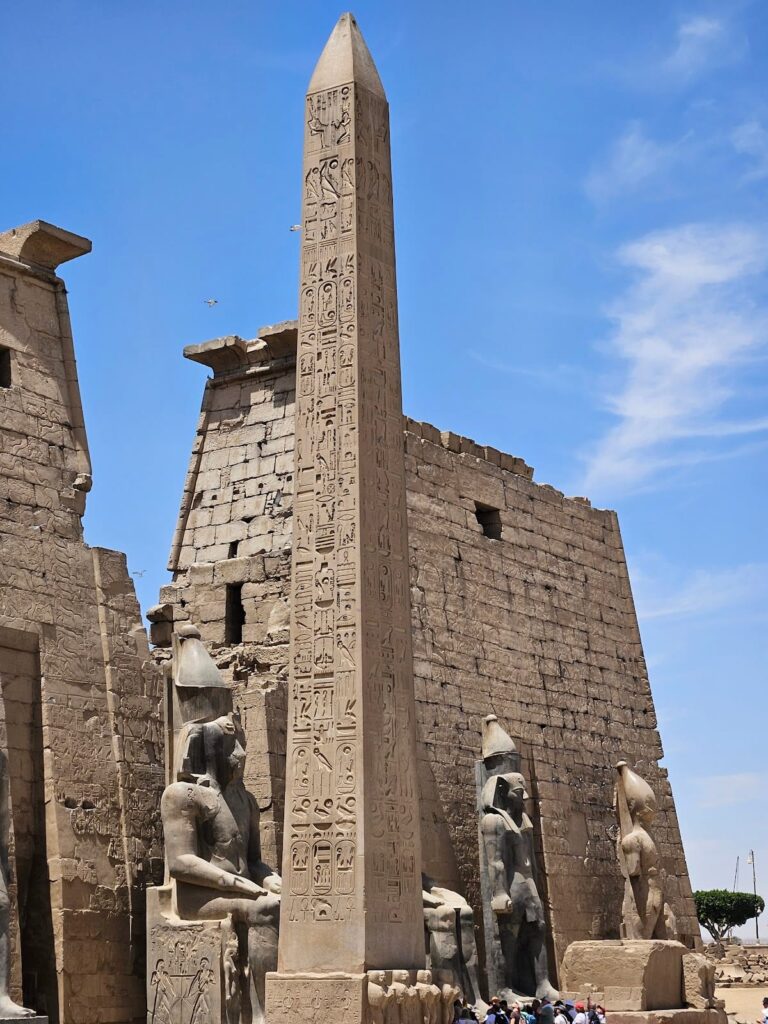
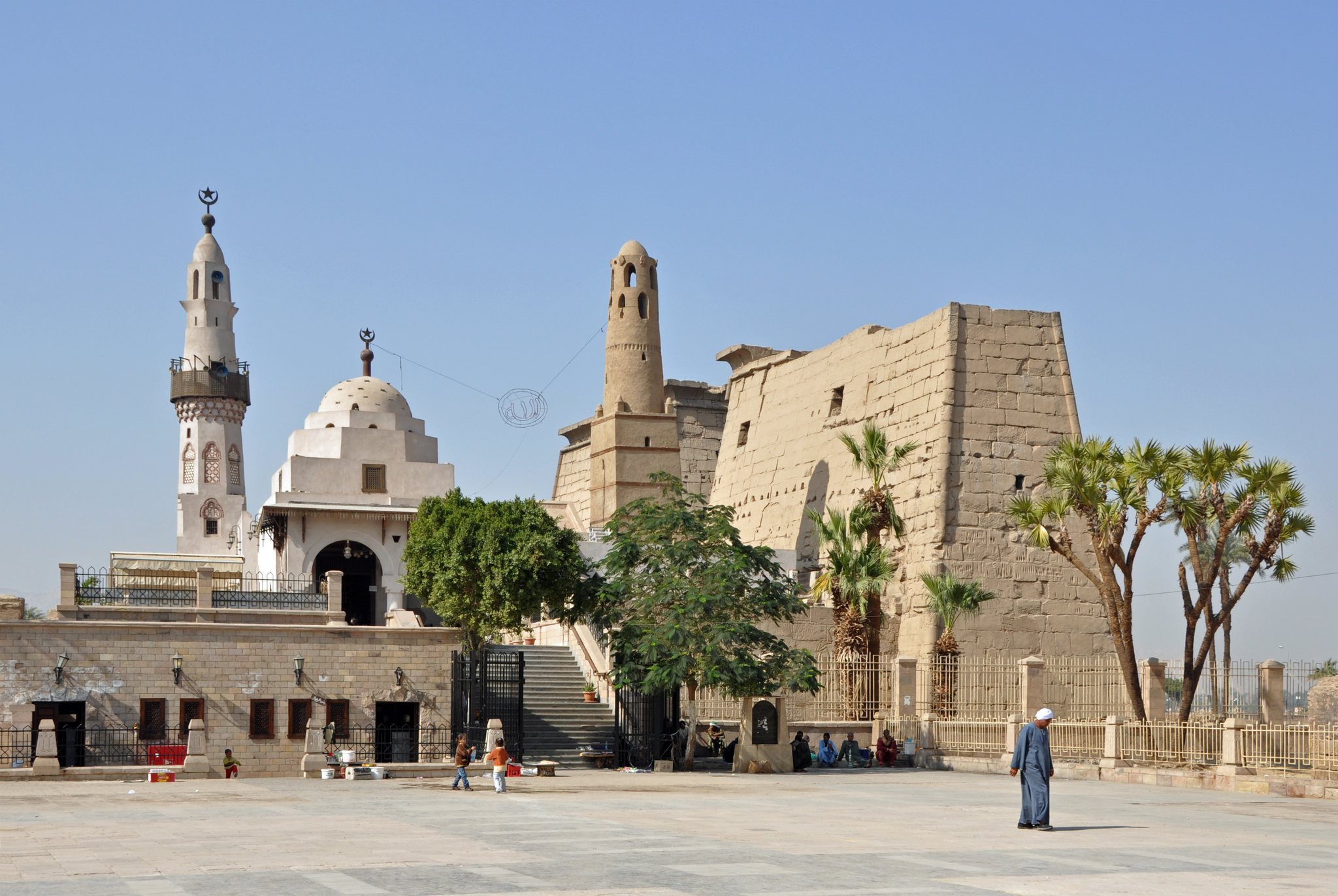
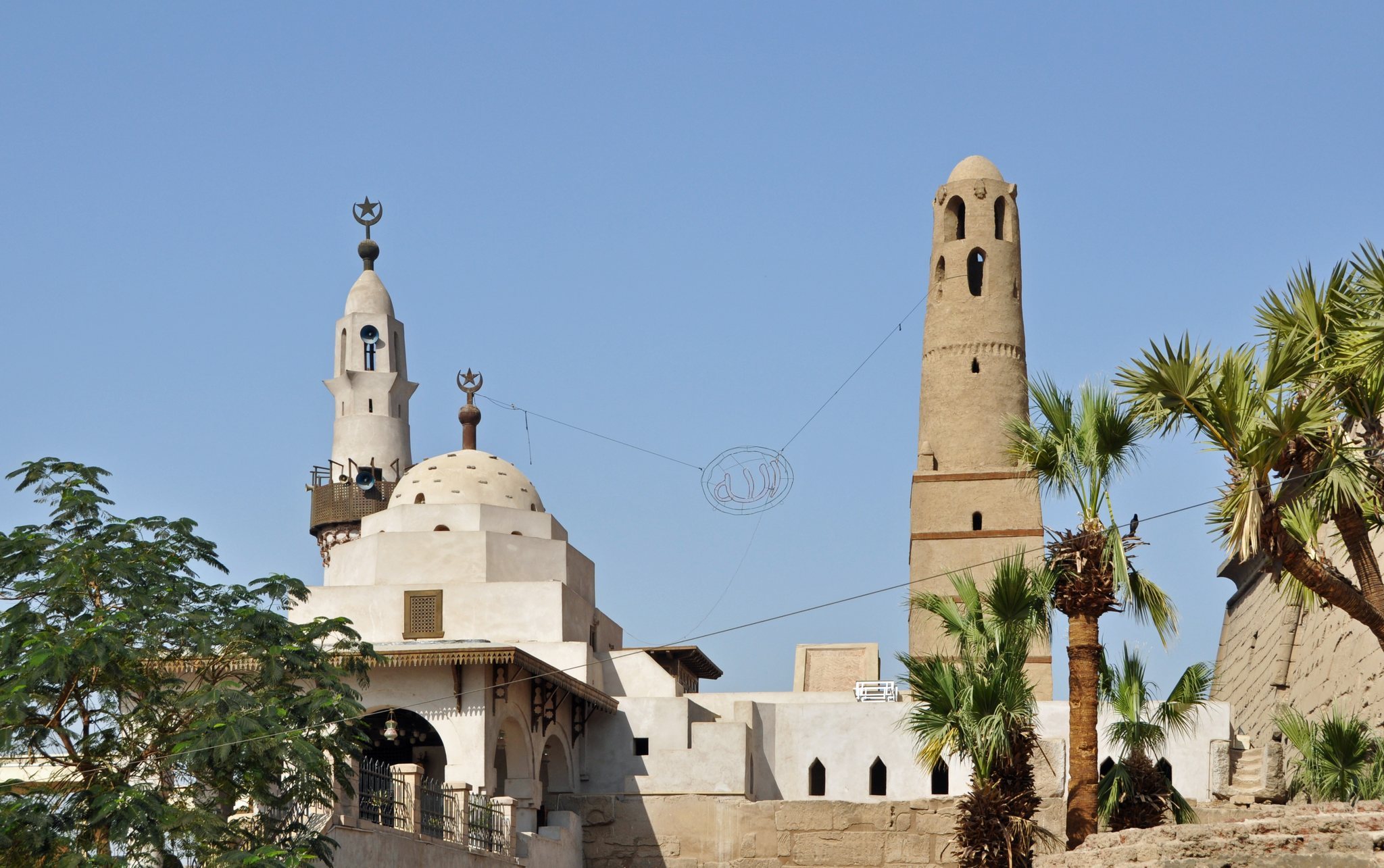
Abu Haggag Mosque is an active Islamic mosque in Luxor, Egypt, built during the Ayyubid period in the thirteenth century. One date given for its construction is 1286, during the reign of As-Salih Najm al-Din Ayyub. Named after the Sufi Yusuf Abu al-Haggag, whose tomb lies within the building, it occupies part of Luxor Temple, an ancient Egyptian temple complex on the site of ancient Thebes.
Religious continuity at Luxor Temple
The mosque was built on the site of a demolished basilica within the temple compound. Coptic Christians, members of Egypt’s historic Christian community, had converted the area into a basilica in 395. In 640, the section was converted into a mosque. These successive religious uses represent more than 3,400 years of continuous religious activity at Luxor Temple, linking the Islamic building with the site’s much older sacred history.
Rebuilding and restoration
The mosque was rebuilt during the nineteenth century and restored in the early twentieth century. During the first half of the twentieth century, a new mosque in the same architectural style was constructed beside the older building.
A fire damaged the mosque in June 2007. Restoration was completed in 2009 after two years of work under the supervision of Egypt’s Supreme Council of Antiquities, the government authority responsible for administering and preserving antiquities. The work expanded the prayer area, strengthened the dome, and replaced the ceilings.
The Mawlid of Yusuf Abu al-Haggag
The mosque remains a center for the annual Mawlid of Yusuf Abu al-Haggag. A Mawlid is an annual commemoration of a revered religious figure. The celebration reaches its culmination fifteen days before Ramadan and attracts pilgrims for a three-day festival that includes a procession of boats around the temple. The boats symbolize Abu al-Haggag’s journey to Egypt and are usually carried by his descendants.
Mawlid activities have included horse races, Sufi music, stick fighting, and boat rides. Sufism is the devotional and mystical tradition within Islam represented in the mosque’s observances. Abu al-Haggag’s descendants also hold a council called Al-Dayem inside the mosque, where participants perform religious chants and praises of the Prophet and read the Quran. The celebration strongly recalls ancient Egyptian rituals, especially the Opet festival, which was associated with renewing royal and divine power at Thebes. This resemblance concerns ritual customs and does not make the two ceremonies identical.
Remains
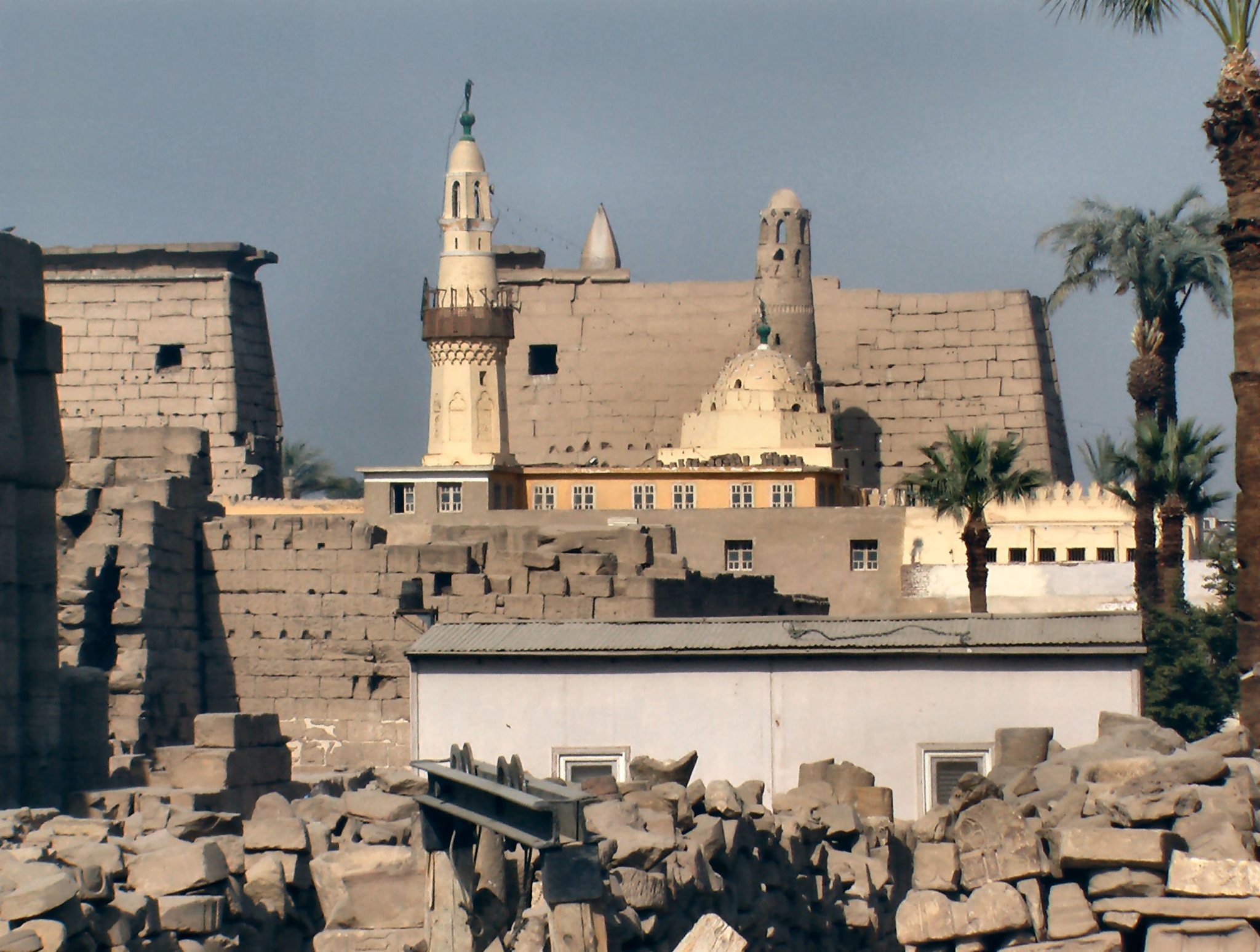
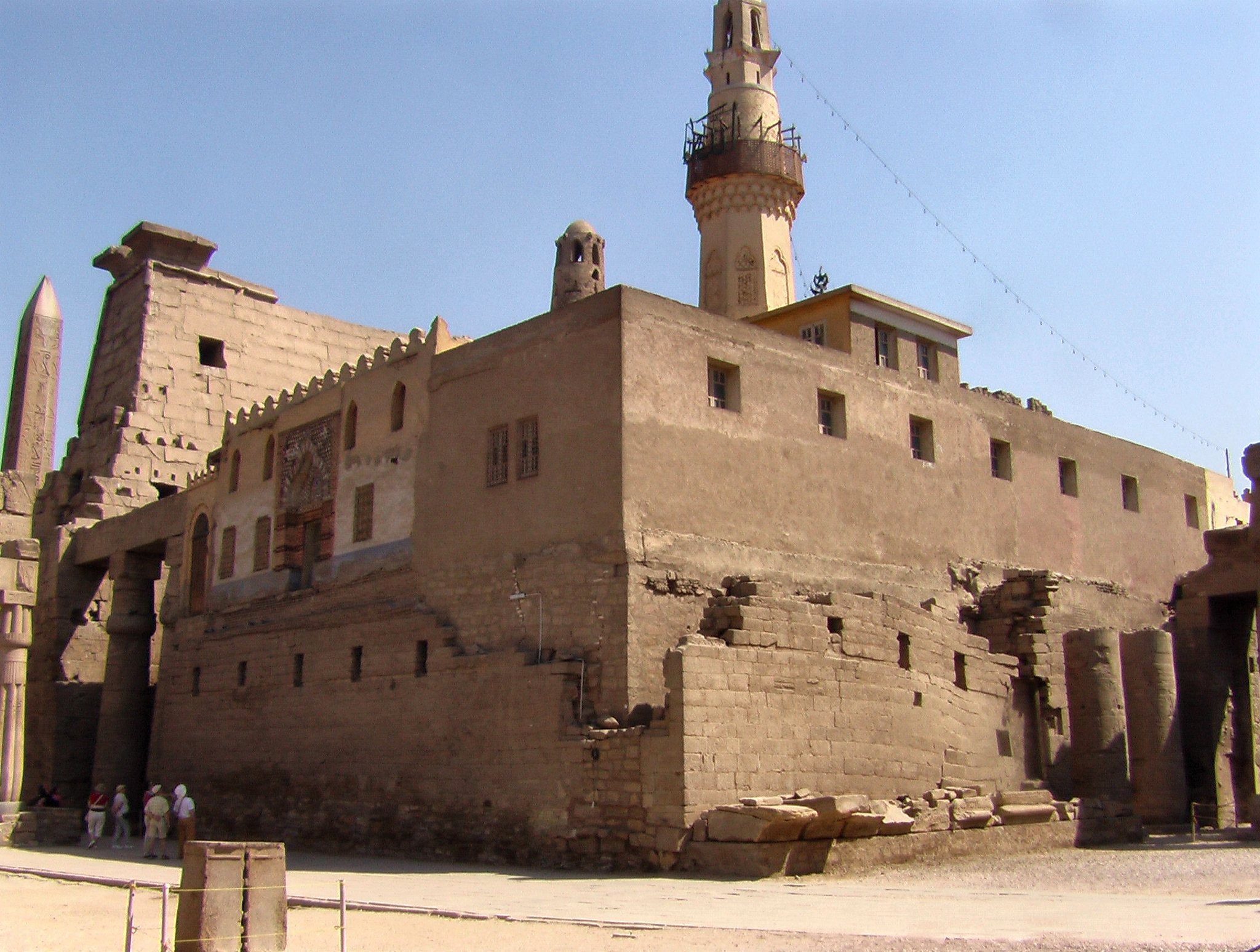
The mosque is integrated into the northeastern part of Luxor Temple, specifically within the Court of Ramesses II, a temple courtyard named for the Nineteenth-Dynasty pharaoh. Its surviving structure combines mud-brick construction and wooden elements with the older temple fabric around it.
Building and minarets
Prayer building and tomb
The main building is a small square structure with a wooden roof and an entrance 12 metres high. A strip of red-brick battlements runs above it. The building is described without the geometric, vegetal, and calligraphic decoration often associated with Islamic architecture. Beneath its dome is the tomb of Yusuf Abu al-Haggag. The ceiling of the tomb chamber rises from an irregularly dimensioned base through a transition into the dome’s circular form.
Older and later minarets
Two mud-brick minarets belong to the mosque. The older minaret, situated on its northeastern side, is 14.15 metres high and dates to the period of Abu al-Haggag. It has three levels, with a square first level and cylindrical second and third levels. Windows and openings appear at the top, while wooden columns reinforce the square lower section. A second minaret was added later and designed to harmonize with the building’s architectural character.
Ancient Egyptian architectural elements
During the 2009 restoration, coatings concealing parts of the ancient temple were removed. Columns and lintels bearing ancient Egyptian inscriptions from the reign of Ramesses II were revealed within the mosque’s walls, showing how the later structure incorporates surviving elements of the temple complex.