Montaza Palace: A Royal Summer Residence and Garden Complex in Egypt
Site at a Glance
- Rating
- 4.5
- Popularity
- High
- Country
- Egypt
- Primary era
- Modern
- Eras represented
- Modern
- Civilizations
- Ottoman
- Site type
- Domestic
- Remains
- Palace
On this page16 sections
History
Montaza Palace is a royal palace and garden complex in Alexandria, Egypt, developed by the Muhammad Ali dynasty from the late nineteenth to the mid-twentieth century as a summer residence. The dynasty ruled Egypt until the monarchy was overthrown in the 1952 Revolution. The estate occupies about 150 hectares and stands on the Mediterranean coast east of Alexandria.
Abbas II and the first palace
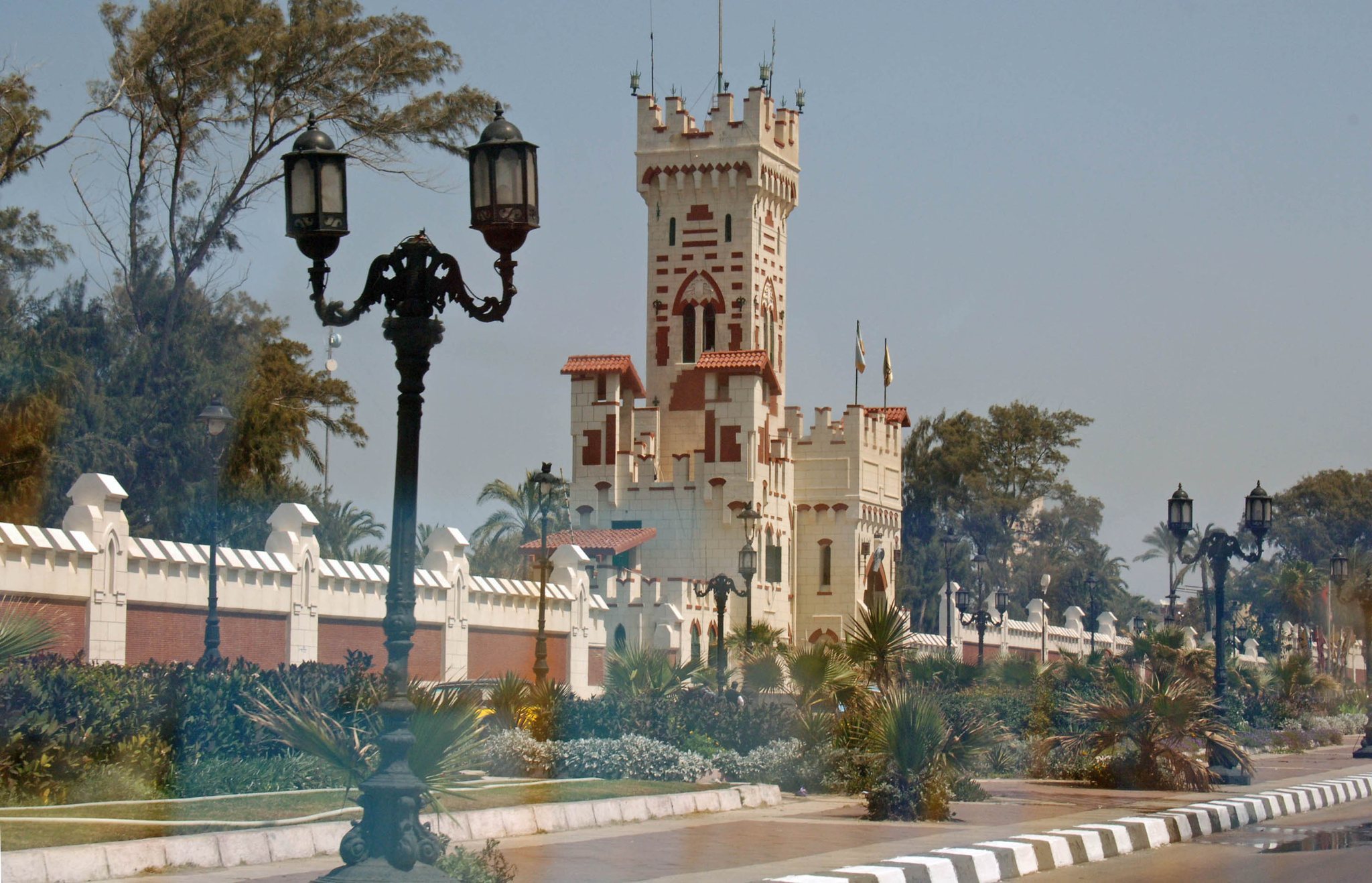
The earliest building at Montaza was the Salamlik, begun in 1892 by Abbas II, the last khedive of Egypt and Sudan. A khedive was Egypt’s hereditary ruler under Ottoman sovereignty. Built in an isolated area east of Alexandria, the Salamlik served as Abbas II’s retreat, hunting lodge, and residence for himself and his companions. He also supervised the organization of the gardens.
Expansion under Fouad I
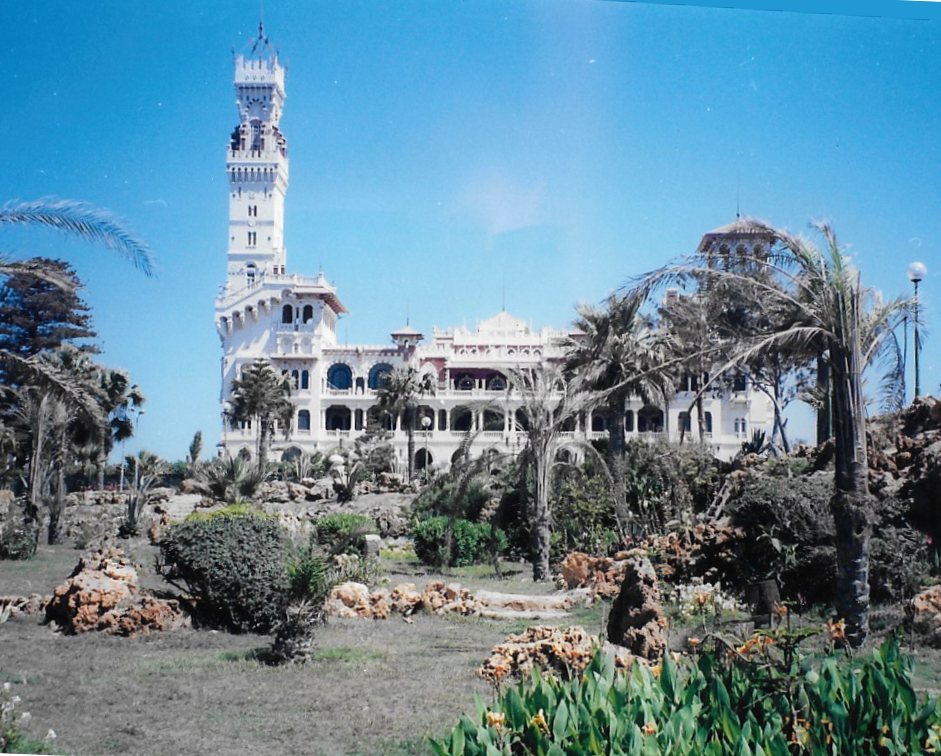
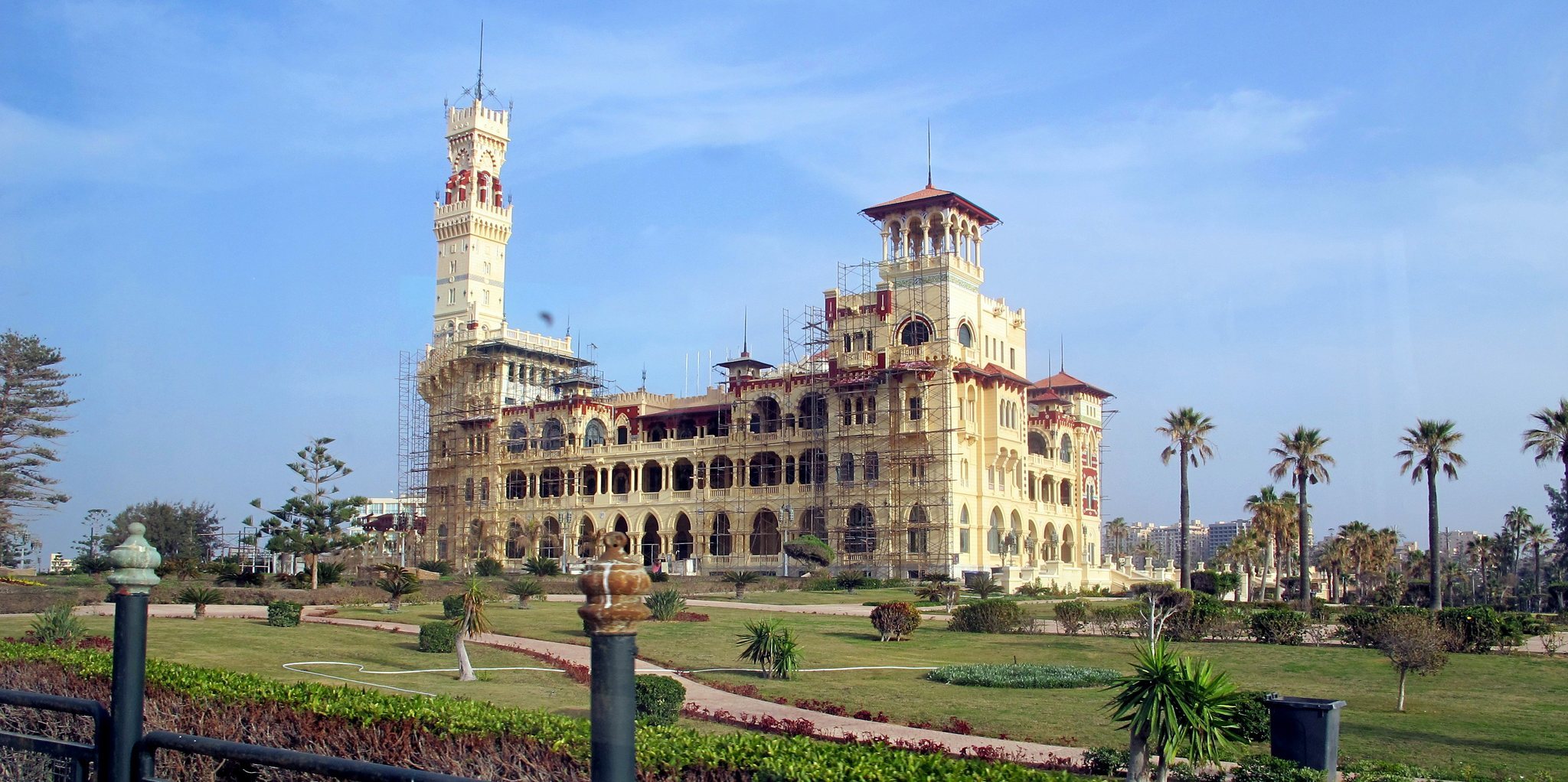
King Fouad I expanded Montaza by adding the larger Haramlik Palace and developing the royal gardens. Construction of the Haramlik is dated to 1932 and involved the Italian architect Ernesto Verrucci and the Egyptian architect Hassan Pasha al-Adawi. The expanded estate became a summer residence for the royal family.
During the First World War, Montaza was used as a convalescent home for wounded soldiers. The Alawiyya royal family continued to use it as a principal summer resort until the reign of King Farouk, the dynasty’s last monarch in Egypt.
From royal estate to public complex
After the 1952 Revolution, Montaza’s gardens and beaches opened to the public. The estate was leased to the state and for several years was commercially operated by the private Montazah-Mokattam company, which installed a casino and other tourist facilities. Public gardens, restaurants, a tourist center, sports grounds, chalets, and additional service buildings were established within the grounds.
The Salamlik was converted into a luxury hotel and later renovated on the initiative of President Anwar el-Sadat for use as a presidential residence, a venue for official international meetings, and accommodation for state guests. It subsequently became a hotel again. The Haramlik opened to visitors after the revolution and later became a museum devoted to the history of the former royal family and its art. It was also incorporated into the group of presidential palaces used to host foreign presidents and kings.
The Palestine Hotel was established at Montaza in 1964. It hosted the second Arab Summit in Alexandria from 5 to 11 September 1964, following the first Arab Summit in Cairo on 13 January of the same year. The estate’s gardens are now open as a public landscaped park and forest reserve.
Remains
Montaza occupies a low-lying coastal setting between Alexandria and Abu Qir, overlooking the Mediterranean. Its gardens cover approximately 60 to 61 hectares and contain an extensive network of paths. The wider estate is enclosed by a perimeter wall and includes palaces, landscaped grounds, service structures, beaches, and facilities associated with its royal and later public uses.
Palaces and principal buildings
Salamlik
The Salamlik is the earliest palace in the complex. Built in 1892 for Abbas II, it functioned as his retreat and is now used as a hotel.
Haramlik
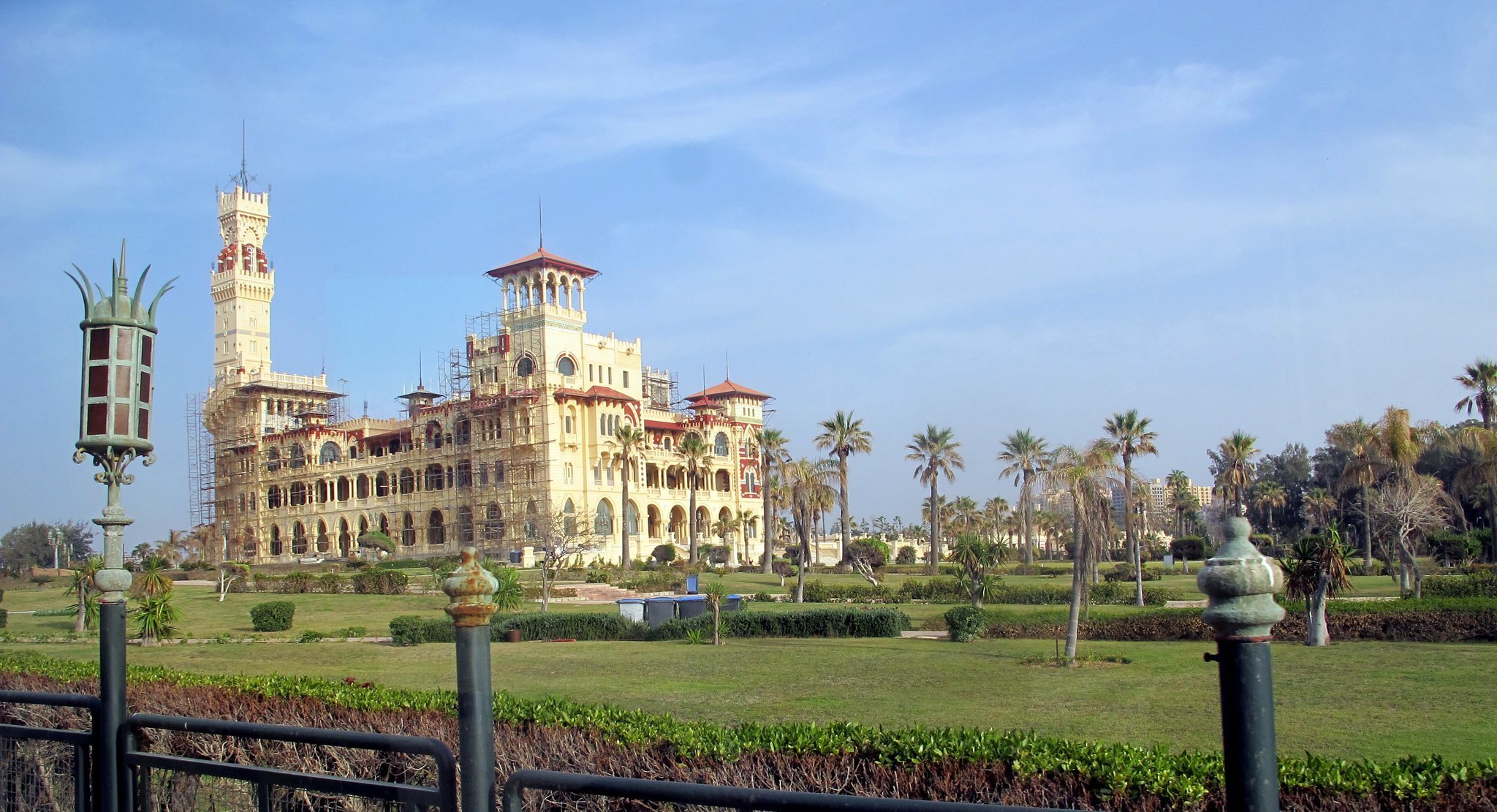
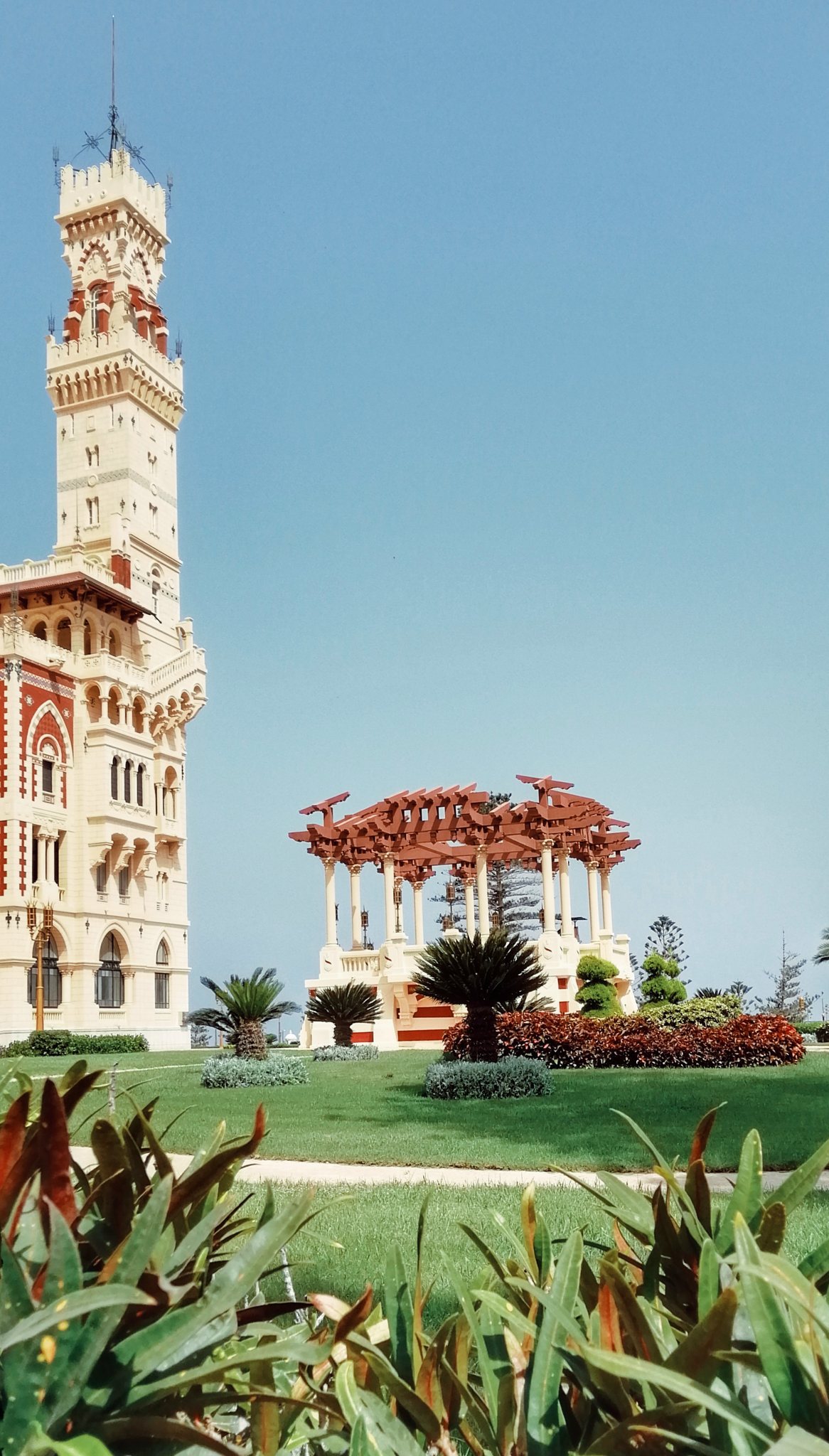
The larger Haramlik was built in 1932 in an eclectic design combining Ottoman and Florentine elements. Florentine Quattrocento architecture refers to the fifteenth-century Renaissance style associated with Florence, known for classical detailing and balanced monumental forms. The palace has two towers, including a taller tower with elaborate Italian Renaissance decoration described as a replica of the tower of Siena’s communal palace. Long, open arcades facing the sea run along each floor. The building is now a public museum devoted to the former royal family and its art.
Estate structures
The grounds contain an entrance pavilion, a lighthouse, a royal greenhouse, a windmill, a water tank, a clock tower, a tea kiosk, a music kiosk, and a garage for the royal train. These structures form part of the complex’s surviving architectural and service infrastructure.
Gardens and coastal features
Royal gardens
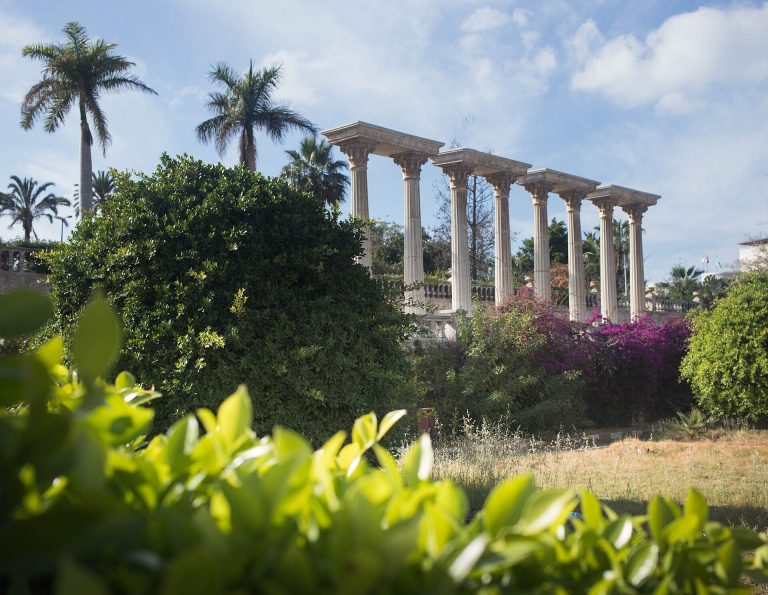
The gardens contain numerous trees and plants, including rare tropical species, palms, and smaller ornamental plants. Some tropical plants have remained well preserved for more than 75 years after they were planted. An artificial lake is also part of the landscaped grounds.
Tea Island bridge and kiosk
A bridge commissioned by King Farouk connects the coast with Tea Island, which formerly enclosed the northeastern side of Montaza Bay. Farouk also commissioned a kiosk facing the sea.
Beaches and water-sports facilities
The estate includes Aida, Cleopatra, Venice, and Semiramis beaches, as well as a private beach serving the Palestine Hotel. The hotel beach contains a water-sports and diving center.
Palestine Hotel and later facilities
Palestine Hotel
The Palestine Hotel is a five-star hotel constructed in 1964 and owned by the Egyptian General Company for Tourism and Hotels. Its presence added a major hospitality facility to the former royal estate and provided the setting for the second Arab Summit held in Alexandria that year.
Public and service facilities
Additional facilities within the grounds include restaurants, a tourist center, sports fields, chalets, and other service buildings. Together with the public gardens and beaches, they reflect the estate’s transformation from a royal summer residence into a landscaped public complex.