El-Salamlek Palace: A Royal Summer Residence in Alexandria
Site at a Glance
- Country
- Egypt
- Primary era
- Modern
- Eras represented
- Modern
- Civilizations
- Ottoman
- Site type
- Domestic
- Remains
- Palace
On this page6 sections
History
Foundation and royal summer use
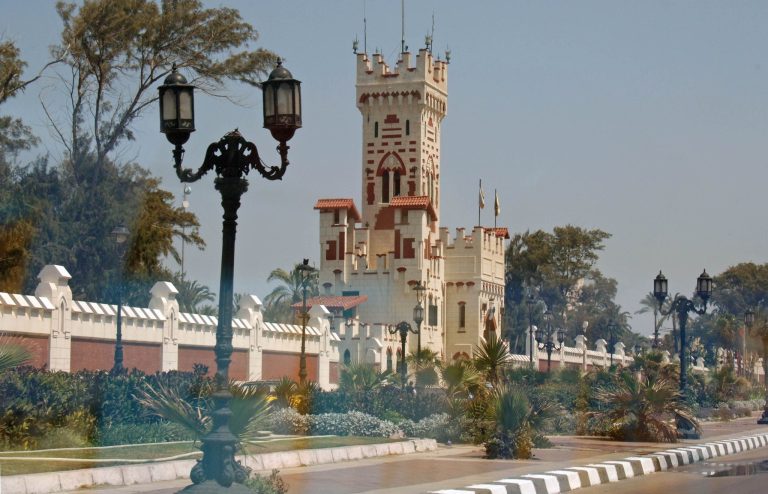
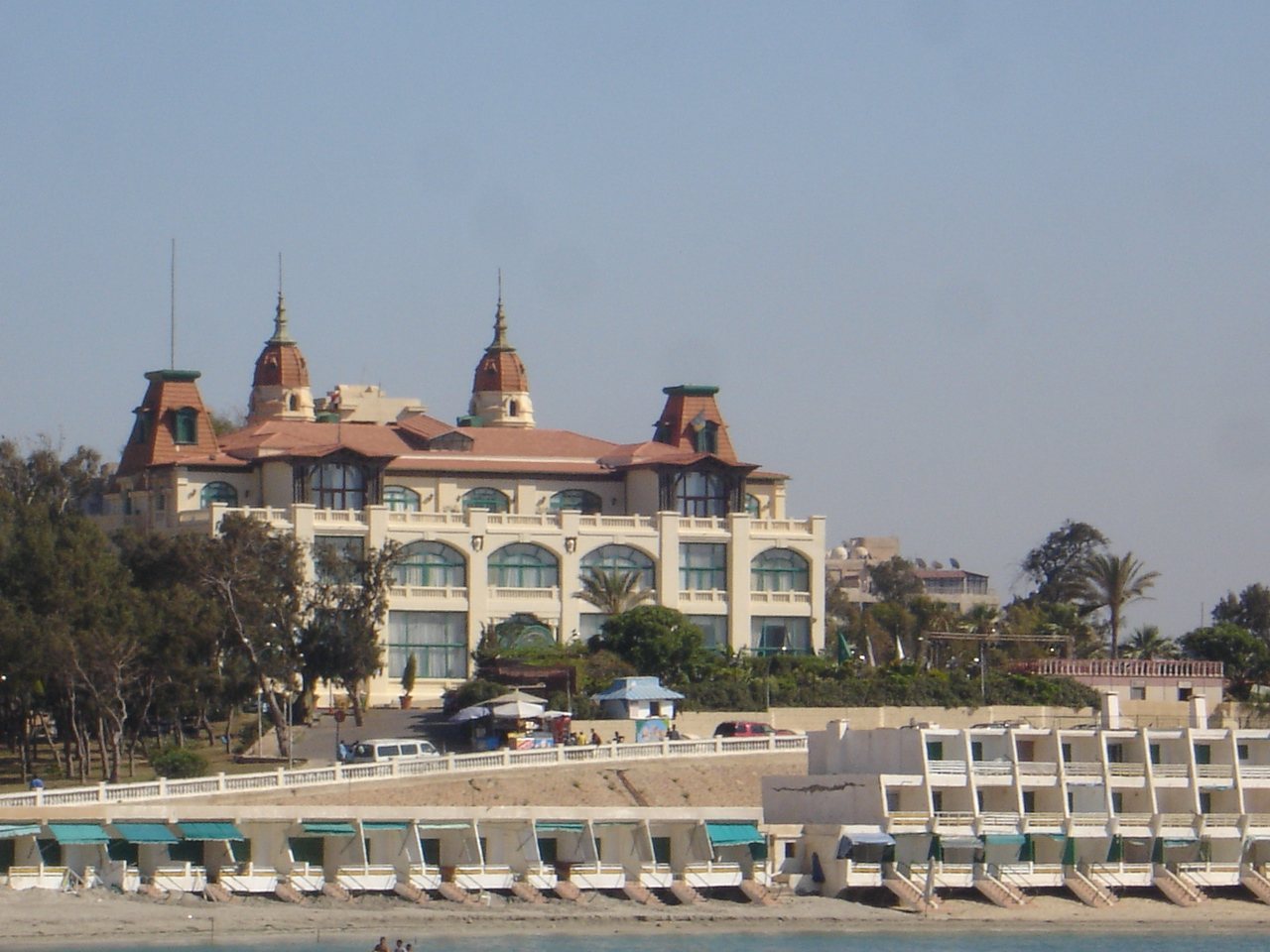
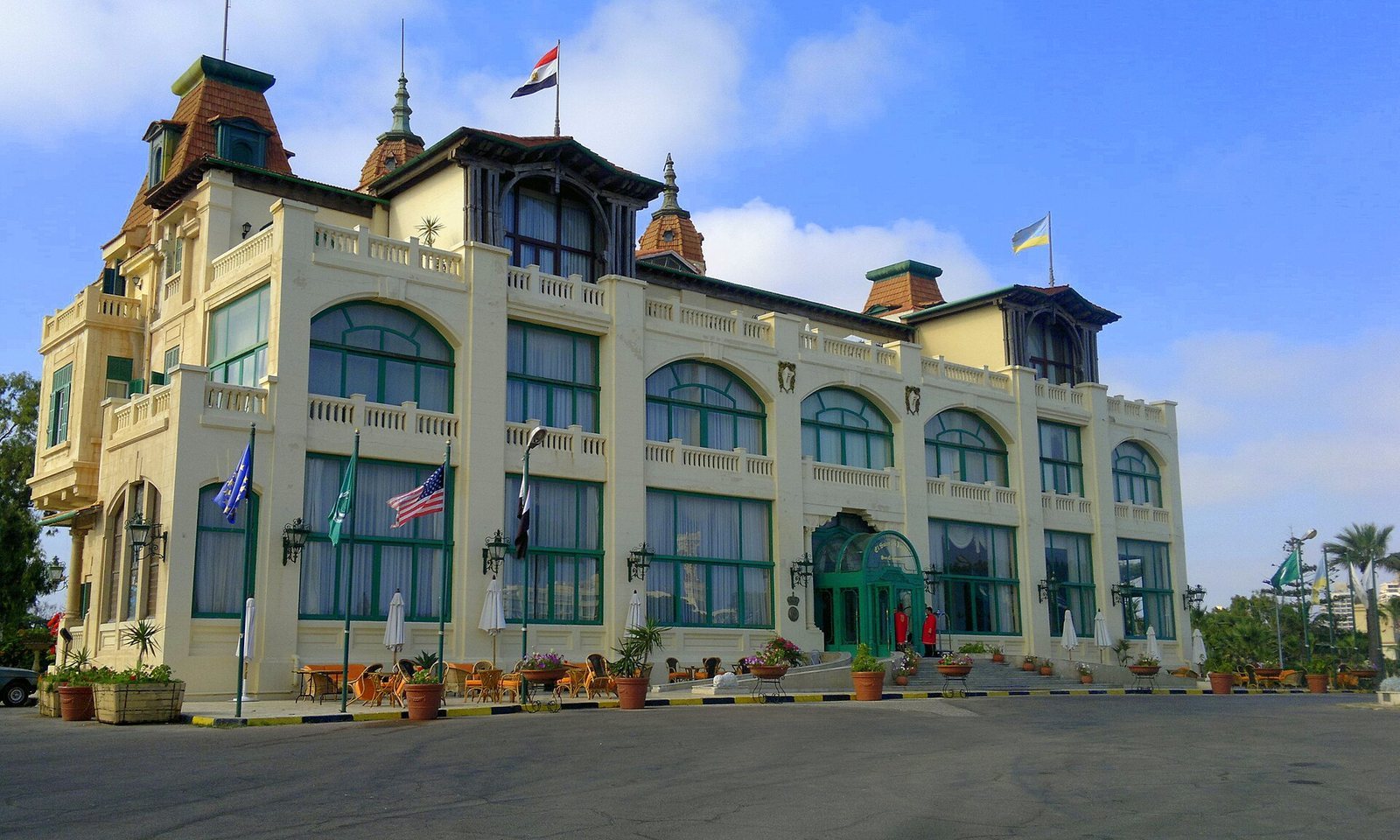
El-Salamlek Palace was built in 1892 by Khedive Abbas Hilmi II as a royal retreat in the Montaza area of Alexandria, Egypt. A khedive was Egypt’s hereditary ruler under Ottoman sovereignty. The palace was intended for Abbas and the Hungarian countess May Török de Szendrő, whom he later married; she became known as Javidan Hanım. The name salamlek refers to a place for men’s reception and meetings.
One of the principal buildings in Montaza Palace, El-Salamlek served as a summer residence for the king and queen. From 1914 to 1918, during the First World War, it was used as a field hospital for British soldiers. Royal summer use continued until Haramlek Palace, whose name refers to women’s private quarters, was built in 1925.
Royal office and hotel conversion
King Ahmed Fuad brought cannons from Italy to protect the palace against a possible attack from the sea. During King Farouk’s reign, from 1936 to 1952, El-Salamlek served as his private office and accommodation for his guests.
After the coup of 23 July 1952 displaced Farouk and brought the Egyptian monarchy to an end, the palace was converted into a hotel. Restoration and renovation took place in the 1980s.
Remains
El-Salamlek is part of Montaza Palace on the Mediterranean coast in Alexandria. Its physical features include interior rooms and suites, royal furnishings, and cannons in the palace garden.
Interior spaces and furnishings
The palace contains fourteen suites and six rooms. The royal suite overlooks the Montaza gardens, and its balcony can hold about 100 people. The Crystal Room was reserved for the queen; its name refers to contents made of glass and pure blue crystal. Furnishings include Queen Nazli’s bed and some of King Farouk’s personal belongings from his office.
Garden cannons
Several Italian-made cannons stand in the palace garden.