Nemichi Shrine: A Shinto Shrine in Gifu, Japan
Site at a Glance
- Rating
- 3.8
- Popularity
- Low
- Country
- Japan
- Primary era
- Unclassified
- External website
- Open
- Eras represented
- Unclassified
- Civilizations
- Unclassified
- Site type
- Religious
- Remains
- Sanctuary
On this page8 sections
History
Nemichi Shrine is a Shinto shrine in Seki, Gifu Prefecture, Japan. Its foundation date is officially unknown, although the shrine claims origins in the mid-ninth century, when devotion to Hakusan, the sacred Mount Hakusan and its religious tradition, spread through the region. Reliable historical records begin in the early Edo period, the era of Tokugawa rule from 1603 to 1868.
Hakusan worship and early records
During the mid-ninth century, mountain routes were opened from Kaga, Echizen, and Mino as Hakusan worship expanded. This movement led to the establishment of many shrines dedicated to Hakusan in the surrounding area, providing the religious setting associated with Nemichi Shrine’s claimed foundation.
A 1689 entry records the dedication of a bronze ritual gong on the sixth day of the first month by a donor named Sukeemon. The entry was made during local surveys connected with the revision of the Nōyō Shiryaku, a regional geographical record.
Local shrines in the Edo period
The 1756 Nōyō Shiryaku lists several shrines in the Shiratani area. Their objects of worship included Shinmei, the thunder deity, the mountain deity, Daimyōjin, the sun and moon deities, Kongō-dōji, and Hachiman. In 1799, the local headman Kiyosada submitted maps showing the area’s houses, temples, and shrines for the same survey project.
The Nōshū Junkōki, a regional travel record from 1822, states that the village contained a Hachiman shrine, a mountain-deity shrine, and three other shrines. During the Edo period, the Daimyōjin and Tsukihi shrines stood beside each other and shared a worship hall. The former designation Myōjin therefore came to refer collectively to those two shrines.
Renaming and consolidation
In 1876, the shrine was renamed Nemichi Shrine, replacing the former designation Myōjin. A 1906 imperial order led to the consolidation of shrines in six local districts, including Shiratani, Kadode, Iwamoto, Nakagiri, and Taguchi. In January 1909, the shrine became Nemichi Shrine with Izanami no Mikoto, Ōikazuchi no Kami, Ōyama-tsumi no Kami, and Kanayama-hiko no Kami among its deities; one additional deity was listed as unknown.
Nemichi Shrine’s listed principal deities are Nemichi Ōkami, Izanami no Mikoto, Ōyama-tsumi no Kami, and Kanayama-hiko no Kami. Here, Ōkami is an honorific meaning “great deity.” Izanami is a major creator deity in Japanese mythology, Ōyama-tsumi is associated with mountains, and Kanayama-hiko is associated with metalworking and mining. The shrine formerly held the rank of village shrine.
Annual festivals take place on April 5 and on the first Sunday of October. The shrine also holds a summer purification rite on June 30 and a year-end purification rite on December 31. In more recent times, Nemichi Shrine has become known for the nearby koi pond commonly called Monet’s Pond.
Remains
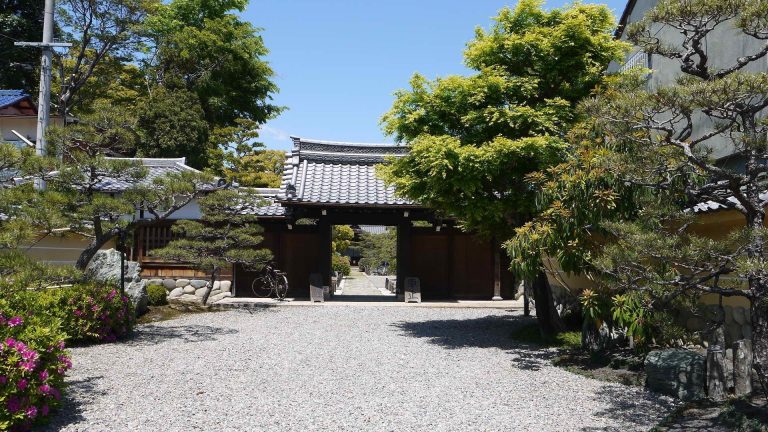
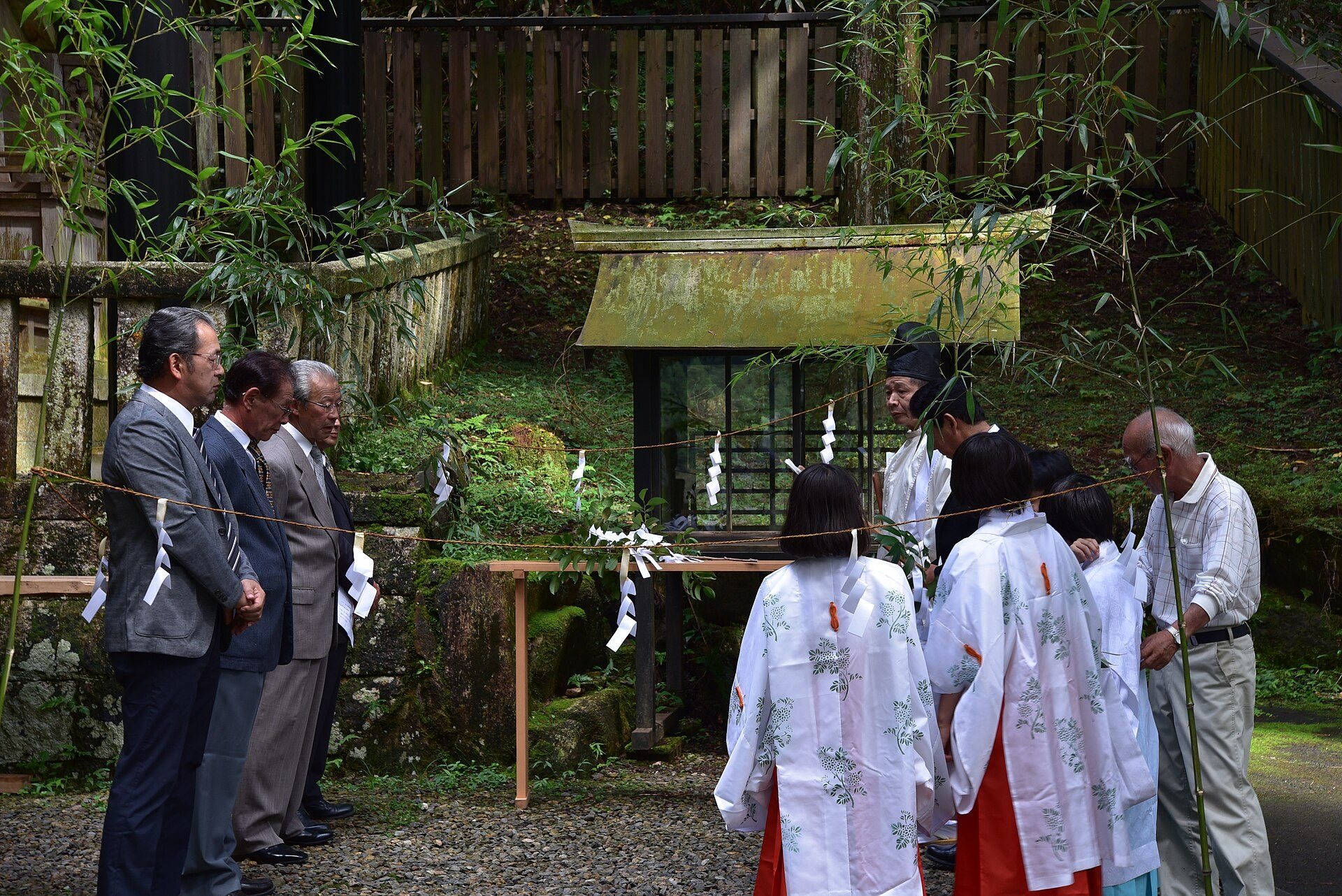
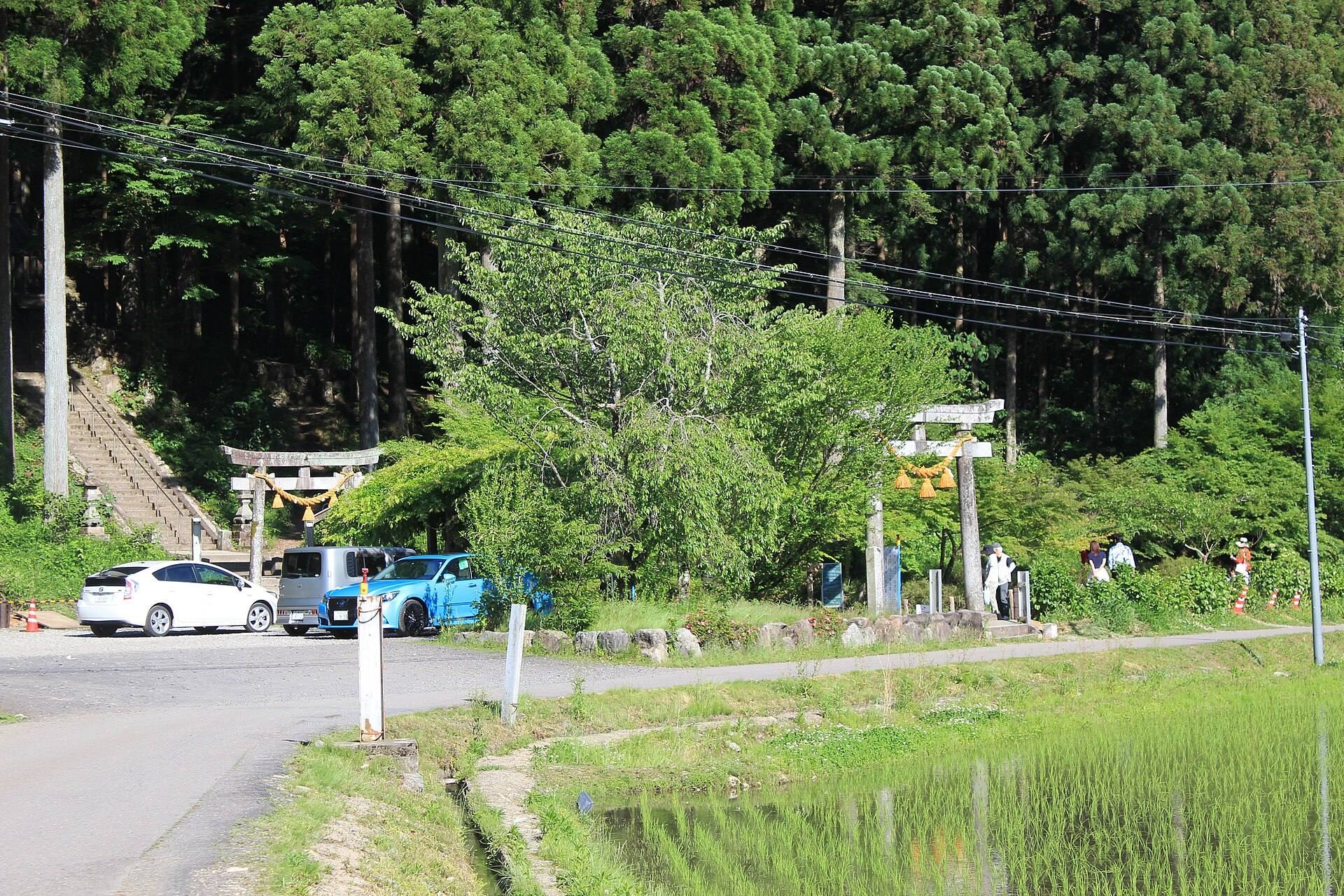
Nemichi Shrine consists of a single wooden building arranged in a conventional Shinto layout. A later roof was added above the structure to protect the honden, or main sanctuary. Near the shrine is a koi pond technically called the “Pond with No Name,” whose fish and reflected appearance have been compared with Claude Monet’s Water Lilies paintings.
Shrine and pond
Wooden shrine building
The shrine’s surviving structure is a single wooden building used for the worship of Shinto deities, or kami. It follows a conventional shrine layout and style. A roof added at a later date covers and protects the honden, the building’s main sanctuary.
Nearby koi pond
The pond associated with Nemichi Shrine is formally known as the “Pond with No Name.” Its koi and visual qualities have drawn comparisons with Claude Monet’s Water Lilies series, created by the nineteenth-century French Impressionist painter in response to ponds, water, and reflected light. The pond is consequently known in common usage as Monet’s Pond.