Kiburi-ji Temple: A Shingon Buddhist Pilgrimage Temple in Japan
Site at a Glance
- Rating
- 4
- Popularity
- Very Low
- Country
- Japan
- Primary era
- Unclassified
- External website
- Open
- Eras represented
- Unclassified
- Civilizations
- Unclassified
- Site type
- Religious
- Remains
- Temple
On this page7 sections
History
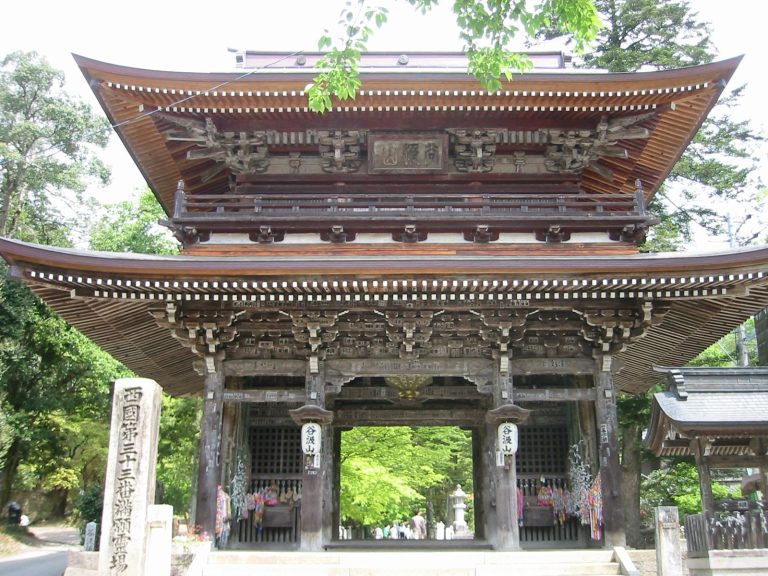
Kiburi-ji Temple is a Buddhist temple in Ono, Japan, traditionally founded in 715 as Shinpuku-ji by the priest Gyōki. It belongs to the Chisan branch of Shingon Buddhism and bears the honorific mountain name Hōunzan. Its principal deity is Juichimen Kannon, the Eleven-Headed Kannon, represented by a hidden Buddhist image.
Foundation and the Name Kiburi
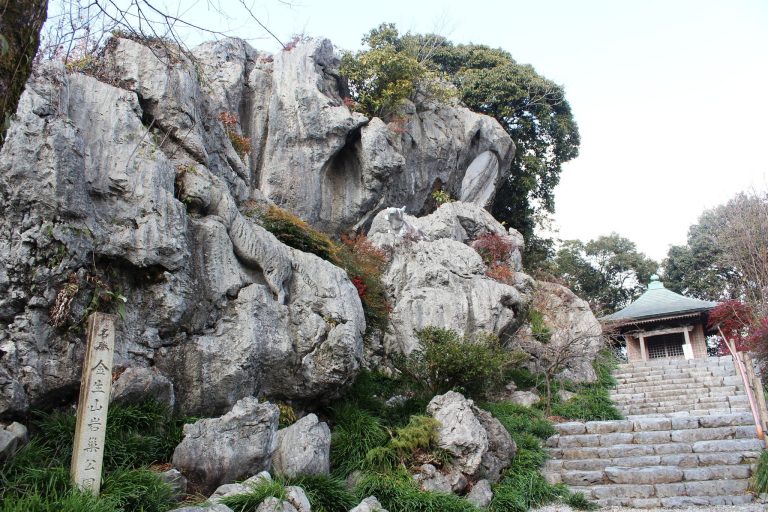
According to temple tradition, Gyōki established Shinpuku-ji as a temple of the Hossō school, a Buddhist tradition based on Yogācāra philosophy. In 725, yellow snow was said to have fallen on the limestone mountain behind the temple. The site then became known as Kiburi, first using characters associated with “yellow falling” and later adopting the characters of its present name.
The temple is traditionally said to have entered the Shingon tradition in 937. That date and affiliation belong to a later historical tradition rather than a secure chronology, since the Chisan branch identified as Shingon-shū Chizan-ha did not yet exist in its later institutional form. Shingon is an esoteric Buddhist tradition, and the Chisan branch is one of its Japanese lineages.
Destruction and Revival
A flood damaged Kiburi-ji in 1530. In 1560, Oda Nobunaga, the sixteenth-century warlord and political unifier, attacked the temple and destroyed its buildings by fire.
The temple was later revived with support associated with Toyotomi Hideyoshi and Tokugawa Ieyasu. Both rulers issued red-seal documents, official grants or confirmations bearing a vermilion seal. During the Edo period, the early modern era of Tokugawa rule, Kiburi-ji received protection from the Toda clan, the lords of Ōgaki Domain.
Pilgrimage and Cultural Properties
Kiburi-ji is the second pilgrimage site of the Thirty-Three Sacred Places of Western Mino. Its associated cultural properties include a National Treasure set of five Heian-period paintings depicting the Five Wisdom Kings, wrathful Buddhist guardian deities. Other designated works include paintings of Nyoirin Kannon and a portrait of Kōbō Daishi, the posthumous name of Kūkai, who founded the Shingon tradition in Japan, as well as an image of the sacred Sanskrit letter A on a lotus pedestal. The Eleven-Headed Kannon image is designated as a cultural property of Ōno Town.
Remains
Former Limestone Mountain
Hakusan, the limestone mountain that once stood behind the temple, formed a distinctive part of Kiburi-ji’s physical setting. It appeared entirely white because of its limestone surface. Quarrying begun in 1968 removed the mountain, whose earlier presence remains closely connected with the tradition explaining the temple’s name.
Worship Image and Buddhist Paintings
The principal object of worship is a hidden image of Juichimen Kannon, the bodhisattva of compassion shown with multiple faces expressing different forms of compassionate response. The image is also described as having been donated in the eighteenth century and is designated as an Ōno Town cultural property.
The temple possesses five Heian-period painted scrolls representing Fudō Myō-ō, Gōzanze Myō-ō, Gundari Myō-ō, Daiitoku Myō-ō, and Ususama Myō-ō. Fudō Myō-ō, also known as Acala, is the best-known of the Five Wisdom Kings. The associated works include a painting of Nyoirin Kannon, a portrait of Kōbō Daishi, and an image of the letter A placed on a lotus pedestal, a Buddhist symbolic base associated with purity and enlightenment. These works are important cultural properties designated by Gifu Prefecture.