Jizō-in Temple: A Rinzai Zen Temple in Kyoto


Site at a Glance
- Rating
- 4.2
- Popularity
- Low
- Country
- Japan
- Primary era
- Medieval
- External website
- Open
- Eras represented
- Medieval
- Civilizations
- Ashikaga shogunate
- Site type
- Religious
- Remains
- Monastery
On this page13 sections
History
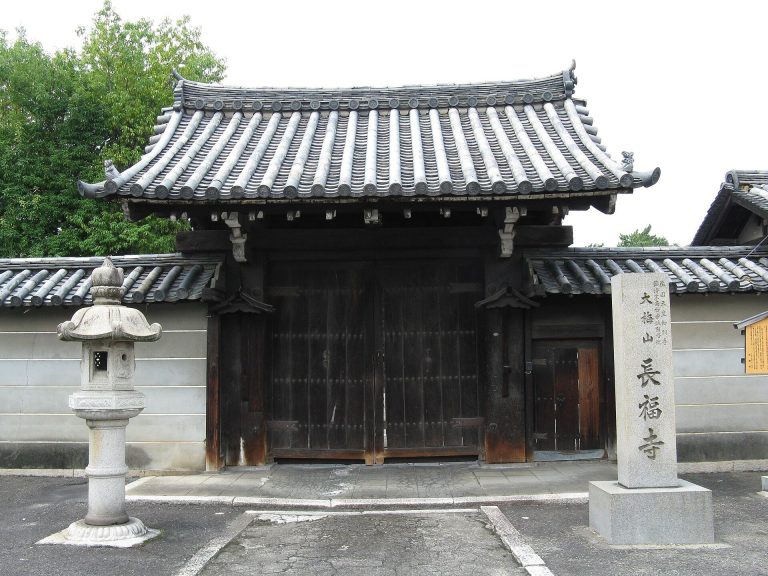
Jizō-in Temple, formally Eryūzan Jizō-in, is an independent Rinzai Zen temple in Kyoto, Japan, founded in 1367 during the Muromachi period. Rinzai Zen is a Japanese Buddhist tradition centered on disciplined monastic practice and insight cultivated through meditation and related training. The temple’s principal object of worship is a Jizō Bodhisattva image, and bamboo groves around the precinct have given it the familiar name Bamboo Temple.
Foundation in the Muromachi period
The site first contained a mountain villa belonging to the poet Fujiwara no Ieyoshi, known as the Kinugasa Minister during the Kamakura period. By 1367, the property belonged to a nun named Myōshō. Hosokawa Yoriyuki, a senior administrative deputy and adviser to the shogun, purchased it that year and established Jizō-in.
Yoriyuki invited Bitan Shūkō to become the founding master. Bitan instead designated his teacher Musō Soseki, a major Zen master, poet, and garden designer, as the ceremonial founder, while Bitan became the temple’s second-generation head. The mountain name Eryūzan referred to Fujiwara no Ieyoshi’s Kinugasa title. The temple also enshrined a Jizō image traditionally attributed to Saichō, founder of the Japanese Tendai school of Buddhism. Jizō is associated with protection and the care of beings in difficult circumstances, and this image became connected with longevity and safe childbirth.
Imperial patronage and growth
Jizō-in was treated as an imperial prayer temple by Emperor Sukō, Emperor Go-Kōgon, and Emperor Go-En’yū, three emperors of Japan’s Northern Court in the fourteenth century. At its height, the precinct covered approximately 170,000 square metres. The temple controlled 26 branch temples and 54 landed holdings in different parts of Japan.
Ikkyū Sōjun, the fifteenth-century Rinzai Zen monk and poet remembered for his unconventional religious life and literary works, is traditionally said to have been born near Jizō-in. According to the tradition, he lived there with his mother, Lady Iyo, until entering religious life at the age of six.
War, decline, and restoration
The temple flourished until its buildings were destroyed by fire during the Ōnin War, a civil conflict fought in Japan from 1467 to 1477 that caused extensive destruction in Kyoto. After the fire, Jizō-in’s institutional fortunes declined. By the Edo period, only two branch temples remained within the precinct.
Imperial support and assistance from the Hosokawa family helped restore the temple’s appearance. The abbot’s quarters were reconstructed in 1686. During the Meiji period, Jizō-in merged with Ryūsai-ji and Enkyō-ji. It had previously belonged to the Tenryū-ji branch of Rinzai Zen, but became an independent temple in 1968.
Kyoto City designates the precinct as a Cultural Environment Conservation District. The abbot’s quarters are registered as a tangible cultural property, while the garden is registered by Kyoto City as a scenic place.
Remains
Jizō-in’s physical character is defined by a temple precinct enclosed by bamboo groves, with the abbot’s quarters, garden, Buddhist images, commemorative sculpture, and named scenic features forming its surviving cultural landscape. These elements preserve both the temple’s religious associations and traditions connected with its historical patrons and residents.
Buildings and garden
Abbot’s quarters
The abbot’s quarters were rebuilt in 1686 as part of the temple’s restoration after its decline in the postwar centuries. The building remains a registered tangible cultural property and represents the reconstructed appearance supported by imperial and Hosokawa assistance during the Edo period.
Garden and bamboo precinct
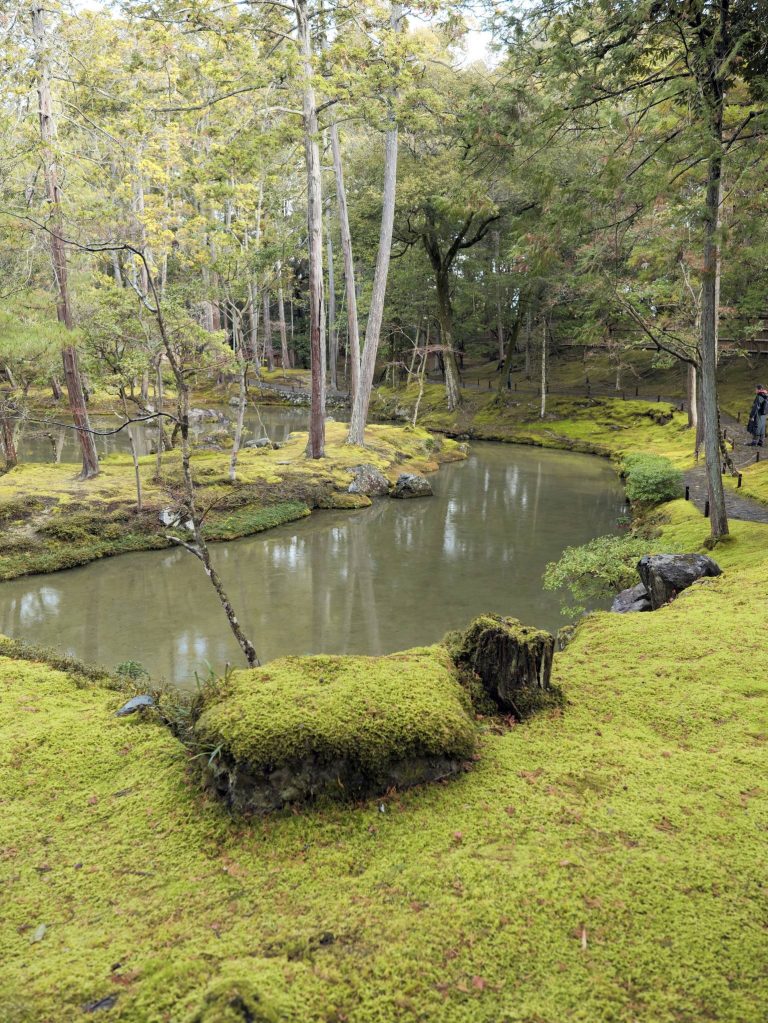
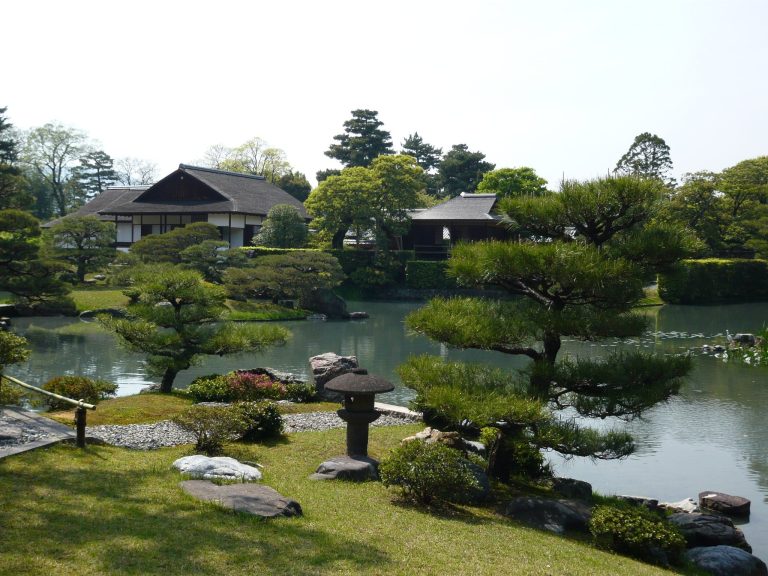
Bamboo groves surround the precinct and account for Jizō-in’s established association with bamboo and its customary designation as the Bamboo Temple. The temple garden is registered by Kyoto City as a scenic place.
Buddhist images and commemorative sculpture
Jizō image
The principal image is a Jizō Bodhisattva traditionally attributed to Saichō. Its religious associations include longevity and safe childbirth, reflecting Jizō’s wider connection with protection and care.
Thousand-Armed Kannon
The precinct preserves a small seated bronze image of the Thousand-Armed Kannon, a bodhisattva associated with compassion. Dating from the Kamakura period, the image is 27.9 centimetres high and is traditionally said to have been the devotional image of Hosokawa Yoriyuki’s wife.
Ikkyū memorial statue
A statue commemorating Ikkyū Sōjun and his mother, Lady Iyo, was erected within the precinct in 2017. It gives physical form to the tradition associating the young Ikkyū with Jizō-in before his entry into religious life.
Ten Scenic Places
Jizō-in preserves a tradition known as the Ten Scenic Places of Jizō-in. The ten named features are the Diamond Realm Gate, Mount Kinugasa, Raihō Pavilion, Withered Tree Hall, Kannon Hall, Jizō Treasure Hall, Shakuryū Valley, Shidarin, Fudō Well, and Rising Cloud Cave.