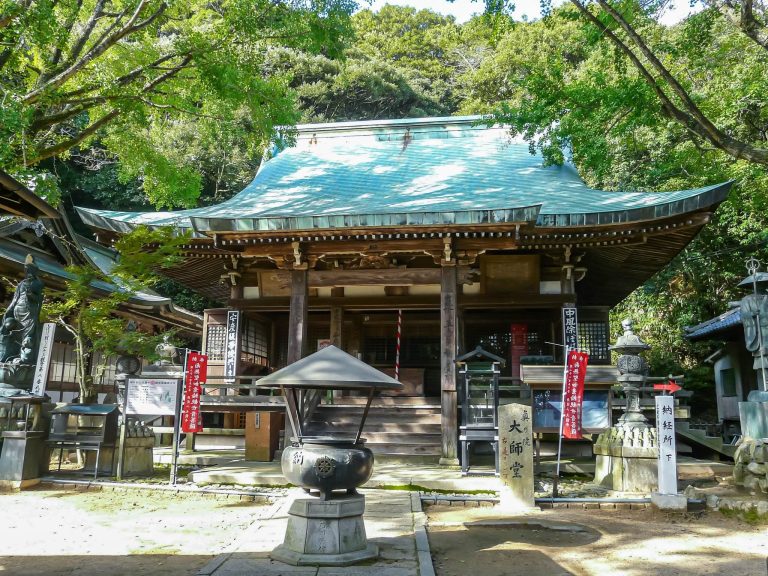
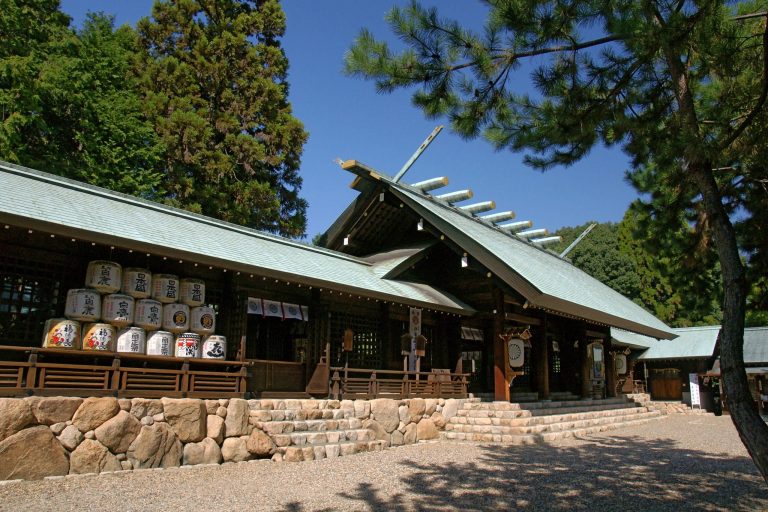
Moto-Sumiyoshi Shrine: A Shinto Shrine and Traditional Source of Sumiyoshi Worship in Kobe


Site at a Glance
- Rating
- 4.1
- Popularity
- Low
- Country
- Japan
- Primary era
- Modern
- External website
- Open
- Eras represented
- Modern
- Civilizations
- Japanese
- Site type
- Religious
- Remains
- Sanctuary
On this page11 sections
History
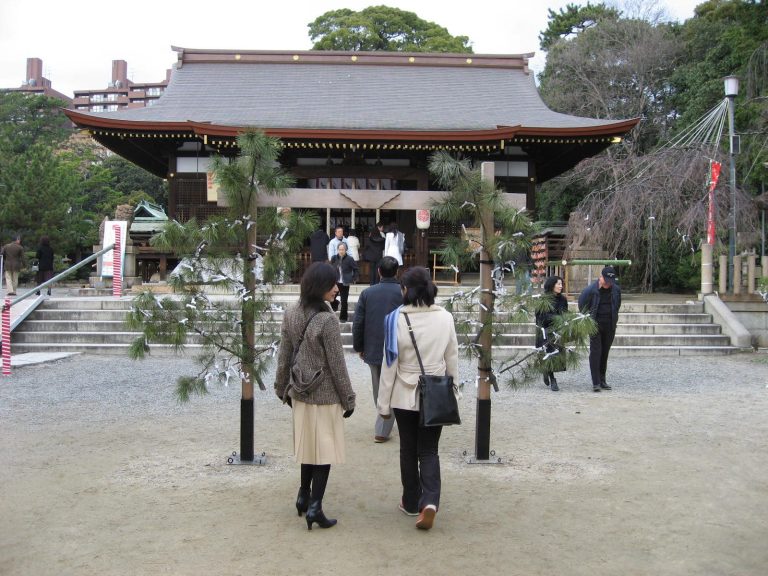
Moto-Sumiyoshi Shrine is a Shinto shrine in Kobe, Japan, with a history reaching back to the thirteenth century. Shinto is Japan’s indigenous religious tradition, centered on reverence for kami, including deities associated with places, nature, ancestors, and particular functions. The shrine was formerly classified as a prefectural shrine and is described as a large shrine in western Kobe.
Foundation Tradition
Shrine tradition identifies the site with the place called “Ōtsu no Nunakura no Nagao.” According to this tradition, Empress Jingū became unable to move her ship there while returning from an expedition against the Three Han. After receiving a divine revelation, she enshrined the three Sumiyoshi deities. These kami were traditionally associated with seafaring, maritime protection, and safe travel.
On this basis, Moto-Sumiyoshi Shrine presents itself as the original source of the enshrinement of the Sumiyoshi deities. The name “Moto-Sumiyoshi” means “original Sumiyoshi.” Empress Jingū, a legendary imperial figure in early Japanese tradition, remains central to the shrine’s account of its origins.
Debate over the Shrine’s Name and Precedence
The prevailing identification places “Ōtsu no Nunakura no Nagao” at Sumiyoshi Taisha, a major Shinto shrine in Osaka. Moto-Sumiyoshi Shrine instead maintains that Sumiyoshi Taisha received its enshrinement from Moto-Sumiyoshi. The eighteenth-century scholar Motoori Norinaga supported this interpretation in his Kojiki-den, his major commentary on the Kojiki, an early Japanese chronicle.
Moto-Sumiyoshi Shrine is not listed in the Engishiki, a tenth-century compilation of court regulations and ritual prescriptions that includes the Jinmyōchō, a register of officially recognized shrines. Although the shrine had long been called Moto-Sumiyoshi, an early Meiji-period survey recorded it simply as Sumiyoshi Shrine. After an application by the shrine, the name Moto-Sumiyoshi Shrine was restored in 1908.
Deities and Modern History
The principal deities are Sokotsutsu-no-O-no-Mikoto, Nakatsutsu-no-O-no-Mikoto, and Uwatsutsu-no-O-no-Mikoto, the three Sumiyoshi deities, together with Empress Jingū. Amenokoyane-no-Mikoto and Ōyamatsumi-no-Mikoto are also enshrined as associated deities.
The Great Hanshin-Awaji Earthquake of 1995 severely damaged the shrine buildings. The buildings seen today were reconstructed afterward. The annual festival takes place on May 13. A danjiri procession, involving large decorated festival floats commonly pulled through local streets, is held on May 4 and 5. The wider Higashinada Danjiri festival takes place in the shrine area each May as a prayer for protection from disease and disaster.
Remains
Setting and Precinct Layout
The inner shrine stands on the west bank of Nishiyamatani, a tributary of the Sumiyoshi River, at the northern edge of Uzumoridai in Higashinada Ward. The Saigoku Highway, now National Route 2, runs east to west immediately south of the precincts. The Arima Road, also known as the Arima Highway or Sumiyoshi-Arima Road, runs north to south immediately east of them.
Shrine Buildings and Associated Installations
Inner Shrine
Built in 1970, the inner shrine is dedicated principally to the three Sumiyoshi deities. Its associated deities include Empress Jingū, the three Munakata deities, the deity of Itsukushima, and Ōyamatsumi.
Subsidiary Shrines
A row of subsidiary shrines extends along the northern boundary of the precincts toward the east, with the installations facing south. They include shrines for Inari, Amaterasu, Okuninushi, Omononushi, Oyamasaku, Ame-no-Mikumari, Watatsumi, Konohanasakuya-hime, Kora, and Tenjin. The group also includes a shrine for a sea deity and his children, a boundary deity associated with warding off evil, a Sarutahiko shrine, a shrine to Ōyamatsumi as a mountain deity, and a water-deity shrine.
Several of these installations are housed in shared structures. One building has eight south-facing doors. Another has two doors for the sea deity and the boundary deity, while a third has two doors for Sarutahiko and Ōyamatsumi. The Inari, Amaterasu, and water-deity shrines are presented separately.
Festival Carts
Eight danjiri carts are stored in a garage within the shrine precincts. They are associated with Yamada, Kureta, Suminoe, Kū, Nishi, Yoshida, Chaya, and Tankabayashi.
Road Marker and Stone Monument
A former Sumiyoshi Village road marker stands beside the western edge of the approach within the precincts. Whether it has remained in its current position since the period when it served as the village marker is uncertain.
A stone monument erected within the precincts in 2020 commemorates Andrés Iniesta’s arrival in Japan. Iniesta was a Spanish former professional footballer who played for Vissel Kobe. A tanka poem by a poet is engraved on the monument.