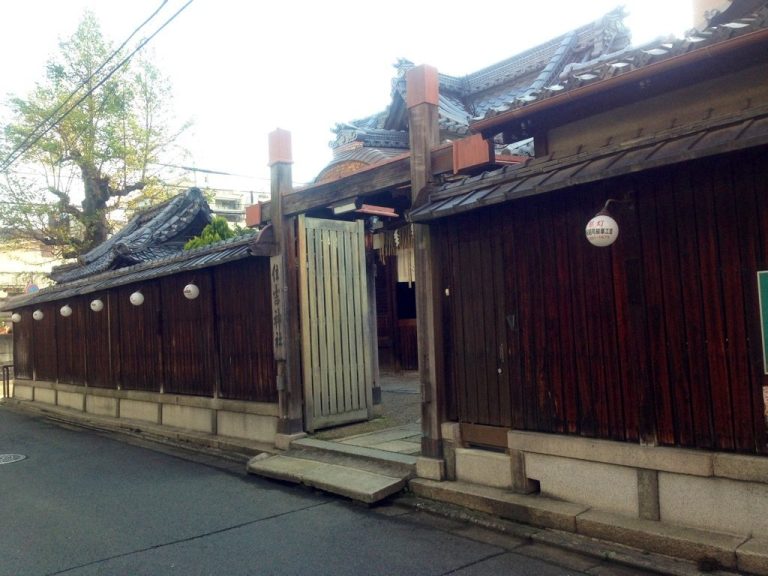
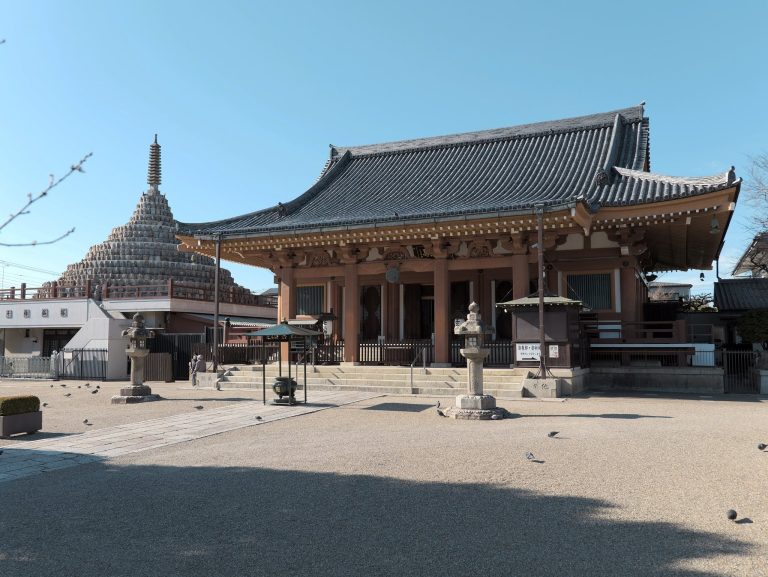
Rokusonnō Shrine: A Seiwa Genji Shrine in Kyoto


Site at a Glance
- Rating
- 4.1
- Popularity
- Low
- Country
- Japan
- Primary era
- Early Modern
- External website
- Open
- Eras represented
- Medieval, Early Modern
- Civilizations
- Tokugawa
- Site type
- Religious
- Remains
- Sanctuary
On this page15 sections
History
Origins and the Seiwa Genji
Rokusonnō Shrine is a Shinto shrine in Kyoto, Japan, whose principal buildings were reconstructed in 1701 during the Edo period. It is associated with the Seiwa Genji branch of the Minamoto clan and is counted, with Tada Shrine and Tsuboi Hachimangu, among the Three Genji Shrines. Shinto is Japan’s indigenous religious tradition, centered on reverence for kami, including deities, ancestral spirits, and sacred forces connected with places and natural features.
The shrine’s principal deity, Rokusonnō Ōkami, is Minamoto no Tsunemoto, who is regarded as the founder of Seiwa Genji. Tsunemoto was the son of Prince Sadazumi and grandson of Emperor Seiwa. This imperial descent gave rise to the name “Rokusonnō,” meaning “Sixth Imperial Grandson.” Seiwa Genji, the Minamoto branch claiming descent from Emperor Seiwa, became one of medieval Japan’s principal warrior lineages and included houses associated with Kamakura rule.
Shrine tradition identifies the grounds with Tsunemoto’s residence, the Hachijō estate. At his death in 961, he is said to have instructed that he be buried there because he would become a dragon after death, live in the pond, and pray for the prosperity of his descendants. A related tradition states that he entered a pond at the western Hachijō residence and changed into an eight-shaku dragon, approximately 2.64 meters long.
According to the foundation tradition, Tsunemoto’s eldest son, Minamoto no Mitsunaka, constructed his father’s tomb on the present site and established a shrine before it in September 963. The grounds consequently became associated with the origins of Seiwa Genji and were transmitted among the Seiwa Genji, Settsu Genji, and Tada Genji lineages.
Medieval transformations
During the time of Minamoto no Yorimasa, the site was transferred to Taira no Kiyomori and temporarily became part of the western Hachijō residence. Tsunemoto’s tomb and shrine remained there. After the fall of the Taira clan, the former residence was granted to Minamoto no Yoritomo.
In the Kamakura period, Hōkaku-ni, widow of the assassinated third Kamakura shogun, Minamoto no Sanetomo, is traditionally said to have founded Henjōshin’in, also known as Daitsuji, on the site to commemorate Sanetomo. Rokusonnō Shrine served as the temple’s guardian shrine. Daitsuji later developed into a complex of seven subtemples.
Rokusonnō Shrine was also called Rokunomiya Gongen Shrine. In 1701, it received the highest first-rank divine status and the title gongen. A gongen was a Buddhist-Shinto title for a kami understood as a manifestation of a Buddha or bodhisattva, a usage common before the modern separation of Shinto and Buddhism.
Edo-period reconstruction
Warfare and other disturbances eventually destroyed the shrine buildings, and tradition holds that Tsunemoto’s tomb alone remained. Reconstruction under the Edo shogunate began in 1700 and was completed in 1707. The revival was promoted by Nankoku Shōnin, a monk of Daitsuji, who appealed to Tokugawa Mitsukuni, lord of Mito. The Tokugawa shogunal house supported the project because it regarded itself as the head family of the Minamoto lineage.
The Hōei Festival, the shrine’s principal festival, is held with a procession on October 9 and 10. It commemorates the completion of the Edo-period reconstruction. The Genji Festival takes place in April.
Separation and modern reduction of the precinct
After the fall of the Edo shogunate, the shrine declined and was separated from Daitsuji during the Meiji-era state policy that required Shinto and Buddhist institutions and buildings to be administratively distinguished. Rokusonnō Shrine was classified as a village shrine in 1873 and raised to the formal gōsha rank, a recognized shrine status, in 1881.
Daitsuji was forced to sell its grounds in 1911 when the site was taken for the Tokaido Main Line railway, and the temple consequently relocated. In 1964, part of Rokusonnō Shrine’s grounds was acquired for the Tokaido Shinkansen, reducing the shrine precinct.
Rokusonnō Shrine is a former gōsha and is included among the Kyoto Sixteen Shrines. In 1986, Kyoto City designated five principal structures as tangible cultural properties. The designation also covers three subsidiary-shrine buildings, one ridge plaque, and ten historical records relating to construction.
Remains
Main shrine buildings
Honden
The honden, or principal shrine building, has a gabled roof and was reconstructed in 1701. It stands in front of the stone platform traditionally identified as Minamoto no Tsunemoto’s mausoleum. Its position places the central worship structure directly before the feature associated with the shrine’s founding tradition.
Haiden
The haiden, or worship hall, was also reconstructed in 1701. It forms part of the main group of Edo-period shrine buildings within the precinct.
Karamon and corridors
The karamon, a Chinese-style gate, belongs to the same 1701 reconstruction. Two corridor structures surround the main buildings, helping define the central architectural group. The gate and corridors were included with the honden and haiden among the shrine’s designated principal structures.
Subsidiary buildings and precinct features
The grounds contain the shrine office, Rokusonnō Hall, and three subsidiary shrines in addition to the main buildings. Cherry trees and wisteria are also features of the precinct.
Mausoleum and sacred water
Tsunemoto’s mausoleum
Behind the honden is the mausoleum traditionally identified as Tsunemoto’s tomb. The tomb is associated with the belief that Tsunemoto remained connected to the Hachijō estate after death and protected the prosperity of his descendants.
Shinryū Pond
Shinryū Pond is physically associated with the tradition that Tsunemoto became a dragon and prayed for his descendants from a pond on the estate. Its presence preserves the water-centered element of the shrine’s foundation story.
Mitsunaka’s Birth Water
The precinct once included a spring called Mitsunaka’s Birth Water, traditionally believed to have been used for Minamoto no Mitsunaka’s first bathing. The original well lies beneath the Shinkansen viaduct and is now dry. A second-generation well represents the feature within the present grounds.