Minato Castle: Stronghold of the Ando Clan in Akita, Japan


Site at a Glance
- Rating
- 3.2
- Popularity
- Very Low
- Country
- Japan
- Primary era
- Early Modern
- External website
- Open
- Eras represented
- Early Modern
- Civilizations
- Toyotomi regime
- Site type
- Military
- Remains
- Castle
On this page7 sections
History
Minato Castle was a Japanese castle in Japan, at Tsuchizaki Minato in present-day Akita, and served as the base of the Ando clan during the Muromachi period, the era of the Ashikaga shogunate from 1336 to 1573. Its construction date and founder are uncertain, although a later historical account places its construction around 1436 and attributes it to Ando Yasusue of the Minato branch of the Ando family.
The Ando Base at Tsuchizaki Minato
In 1395, a member of the Shimokuni Ando family from Jusan Minato established a base at Tsuchizaki Minato after replacing the Kamikuni Ando family. He was the younger brother of Ando Morisue, and the location of his residence is unknown. He later adopted the Minato name and the title Akita Castle assistant governor, a court-linked military and administrative office associated with the Akita area. The Minato Ando family governed the district for generations.
The Shimokuni branch was later defeated by the Nanbu family and fled to Ezo, the historical term for the northern lands beyond Honshu, especially the region now called Hokkaido. The successor of that branch was invited by the Minato Ando family to settle at Hiyama. His descendants, beginning with his son, became known as the Hiyama Ando family, creating two related branches of the clan.
Unification and the Minato Disturbance
When the leader of the Minato branch died without naming a successor, Hiyama leader Chikasue attempted to unite the two families. Chikasue was also the dead leader’s son-in-law, and he sent his younger brother to lead the Minato branch. Local warriors rebelled, but Chikasue suppressed the uprising and entered Minato Castle. The Ando base nevertheless remained at Hiyama Castle at this stage.
After Chikasue died, his son Akita Sanesue succeeded him. Sanesue defeated a later rebellion led by the son of the younger brother appointed to govern Minato and consolidated control over Akita District. These conflicts are known as the Minato Disturbance, a series of struggles linked to the attempted unification of the Hiyama and Minato branches.
Rebuilding and Abandonment
Sanesue subsequently moved the clan’s base from Hiyama Castle to Minato Castle. He began a major rebuilding project in 1599, and the work was completed in 1601. Detailed surviving accounts describe the materials, expenses, and construction time, leading some interpretations to regard the project as nearly equivalent to new construction.
In 1602, Sanesue was transferred to Shishido in Hitachi Province. Satake Yoshinobu then moved from Hitachi to Akita and entered Minato Castle. The Satake domain was much larger than the former Ando territory, so Minato Castle could not accommodate the expanded retainer households and offered little space for enlargement.
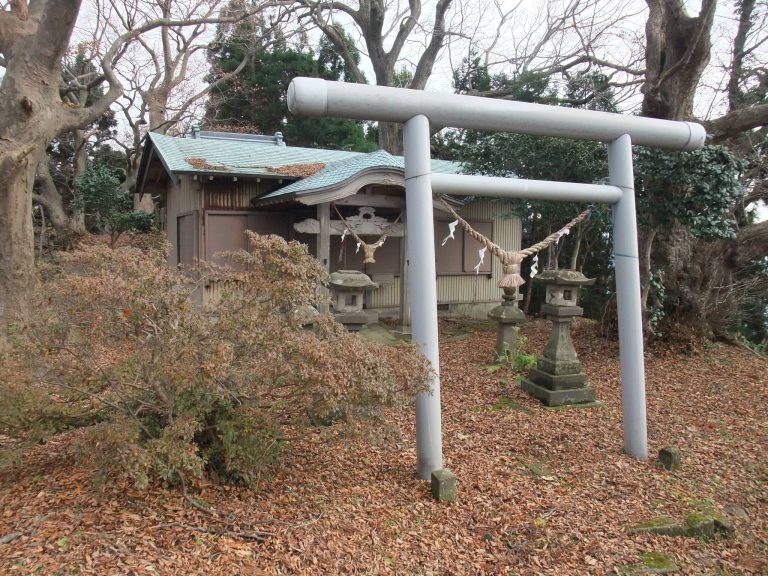
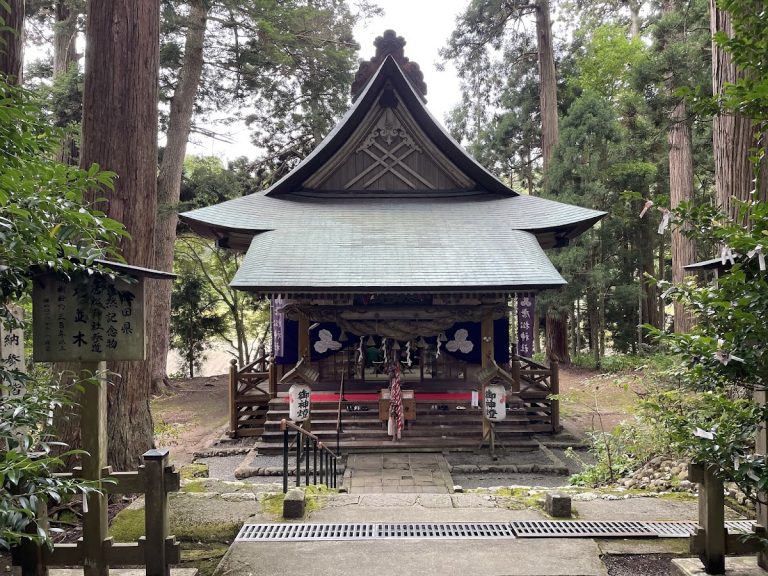
Yoshinobu began building Kubota Castle on Shinmeiyama in 1604 and moved there. Minato Castle was dismantled that same year and abandoned. Much of its level site was later converted into residences for townspeople, contributing to the prosperity of Tsuchizaki Minato during the Edo period. Tsuchizaki Shinmeisha was built on part of the former castle grounds in 1620.
Archaeology and Present Status
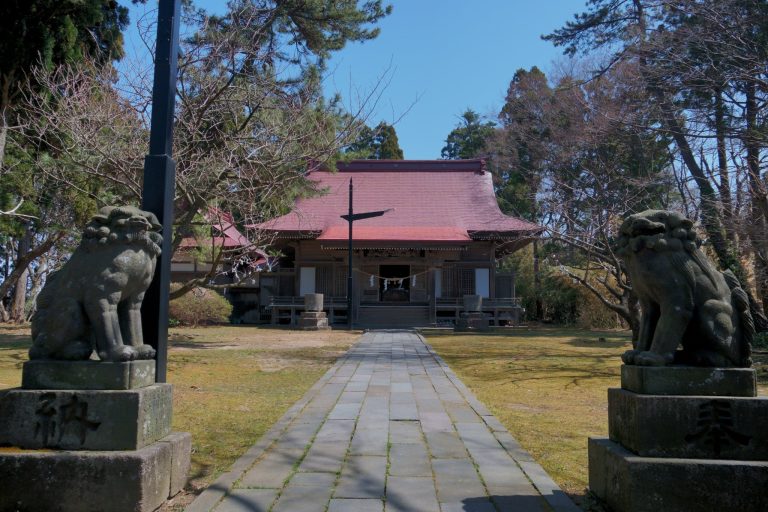
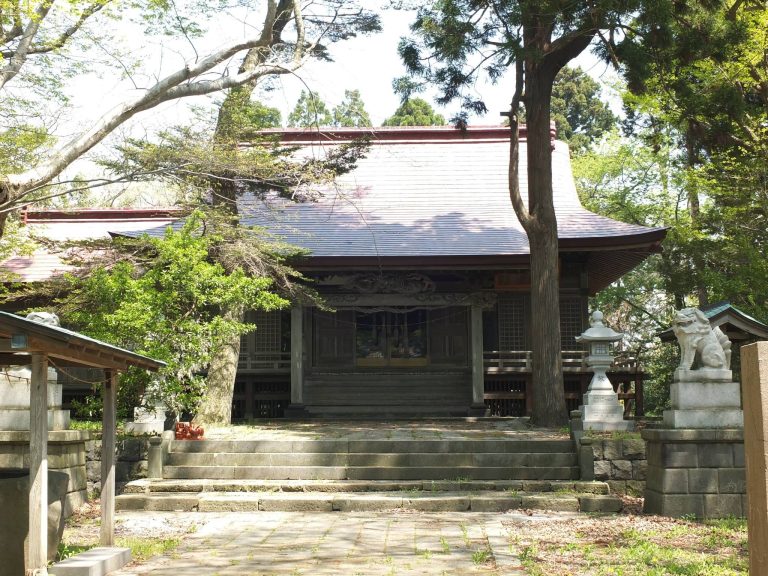
Road-improvement works near Tsuchizaki Station prompted archaeological excavations between 2005 and 2008. The investigations identified castle remains and artifacts associated with the Azuchi-Momoyama period, the late sixteenth-century era of Japan’s reunification and intensive castle construction. These discoveries provide material evidence for Minato Castle’s later phase. The site is now treated as a ruin associated with Tsuchizaki Shinmeisha and Tsuchizaki Gaiku Park, and it has not been designated as a formal cultural property.
Remains
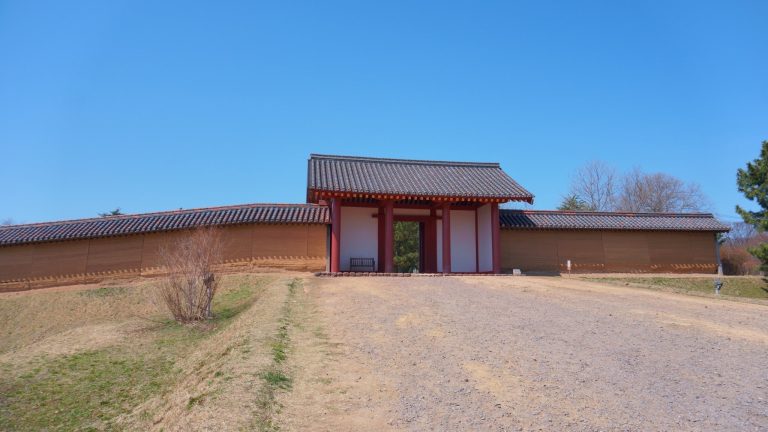
Minato Castle was a flatland castle built on relatively level ground at its later documented location near present-day Tsuchizaki Shinmeisha. Historical records describe a layout enclosed by two water moats, defensive ditches filled or partly filled with water, and identify the positions of the gates. An alternative theory places an earlier castle at Terauchi Ushirojo, on a low hill west of Akita Castle beside the former course of the Omono River. Under that interpretation, the earlier site would have been a hill castle rather than the flatland stronghold at Tsuchizaki Minato.
Archaeological Traces
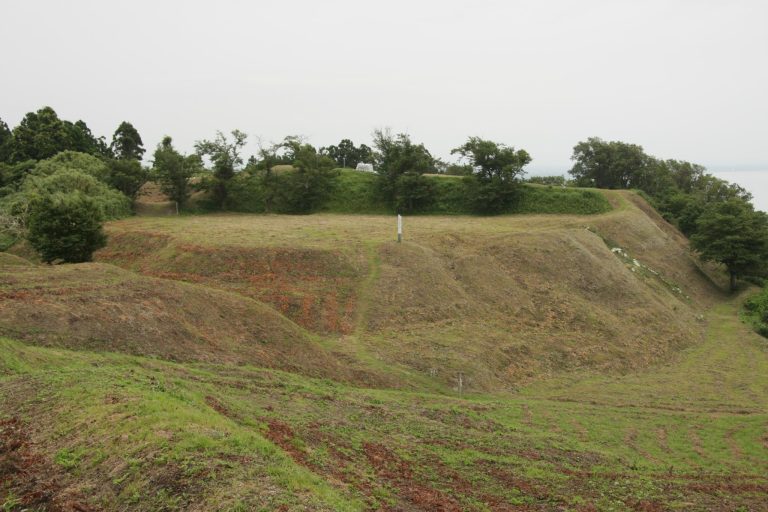
Excavations uncovered remains attributed to a castle constructed or substantially modified during the Azuchi-Momoyama period, along with artifacts from the same era. A moat was identified during the 2006 investigation. The surviving physical evidence is limited and consists chiefly of archaeological traces and the historical site area, part of which is occupied by Tsuchizaki Shinmeisha and the adjacent park.