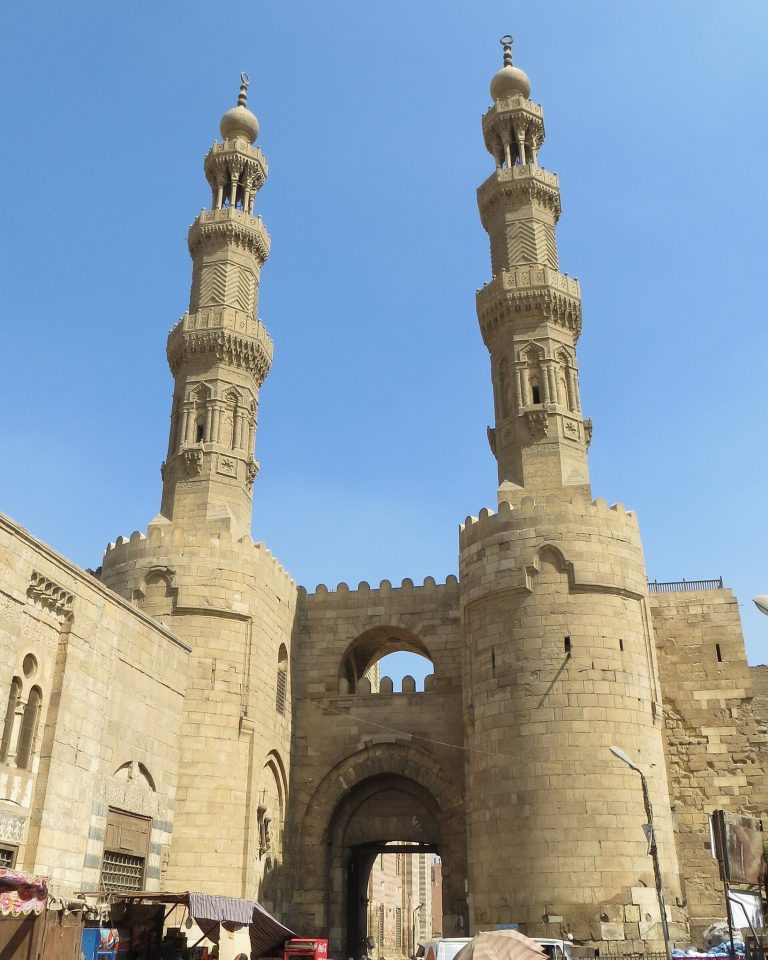
Mosque and Mausoleum of Amir Ahmad al-Mihmandar: A Mamluk Religious and Educational Complex in Cairo

Site at a Glance
- Rating
- 4.8
- Popularity
- Very Low
- Country
- Egypt
- Primary era
- Medieval
- Eras represented
- Medieval
- Civilizations
- Mamluk
- Site type
- Religious
- Remains
- Mosque
History
The Mosque and Mausoleum of Amir Ahmad al-Mihmandar is a Mamluk religious complex in Cairo, Egypt, founded during the third reign of Sultan al-Nasir Muhammad ibn Qalawun. The Mamluks were a military ruling elite who established a sultanate in Egypt and Syria. Construction began in Muharram 725 AH, corresponding to 1324–1325 CE, in the Darb al-Ahmar district.
The founder was Amir Shihab al-Din Ahmad ibn Aqush al-Azizi al-Mihmandar, who held the office of naqib al-jaysh, a military-administrative position concerned with overseeing the army or military personnel. The foundation is also known as the al-Mihmandariyya college, reflecting its educational role within the wider complex.
According to the Egyptian historian al-Maqrizi, the institution included a madrasa for teaching Hanafi law and jurisprudence. The Hanafi school is one of the four major Sunni schools of Islamic jurisprudence. The foundation also contained a khanqah, a Sufi institution for communal religious life and residence.
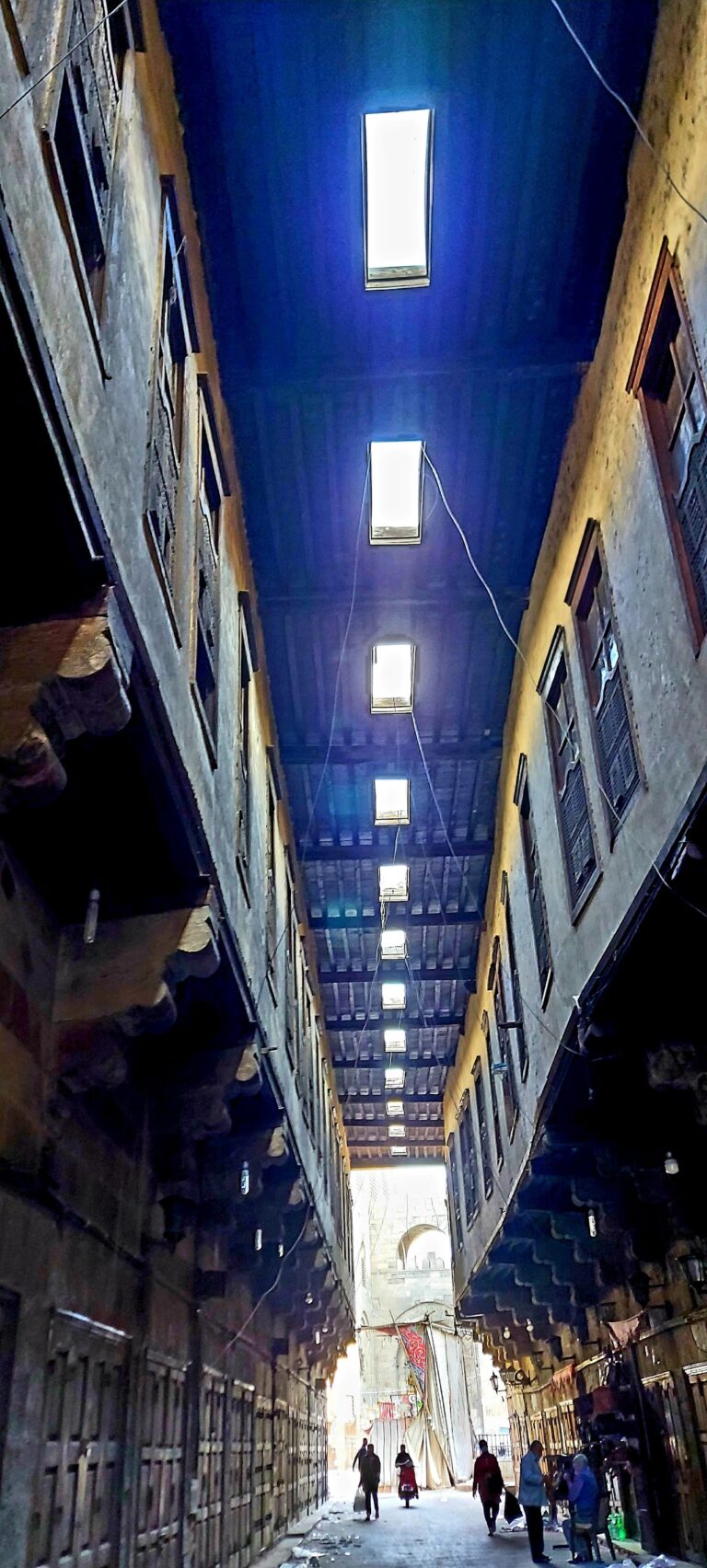
Amir Ahmad al-Mihmandar extended the foundation beyond its religious and educational buildings. He established a qaysariyya, or commercial market, and a rab, a multi-unit residential building. Both associated components were still present during al-Maqrizi’s lifetime.
Remains
Religious and institutional complex
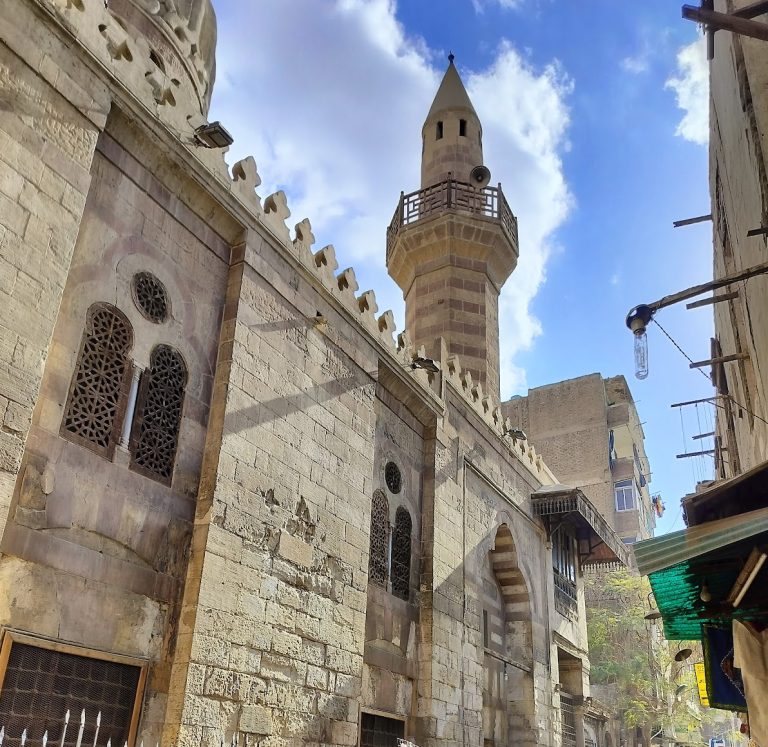
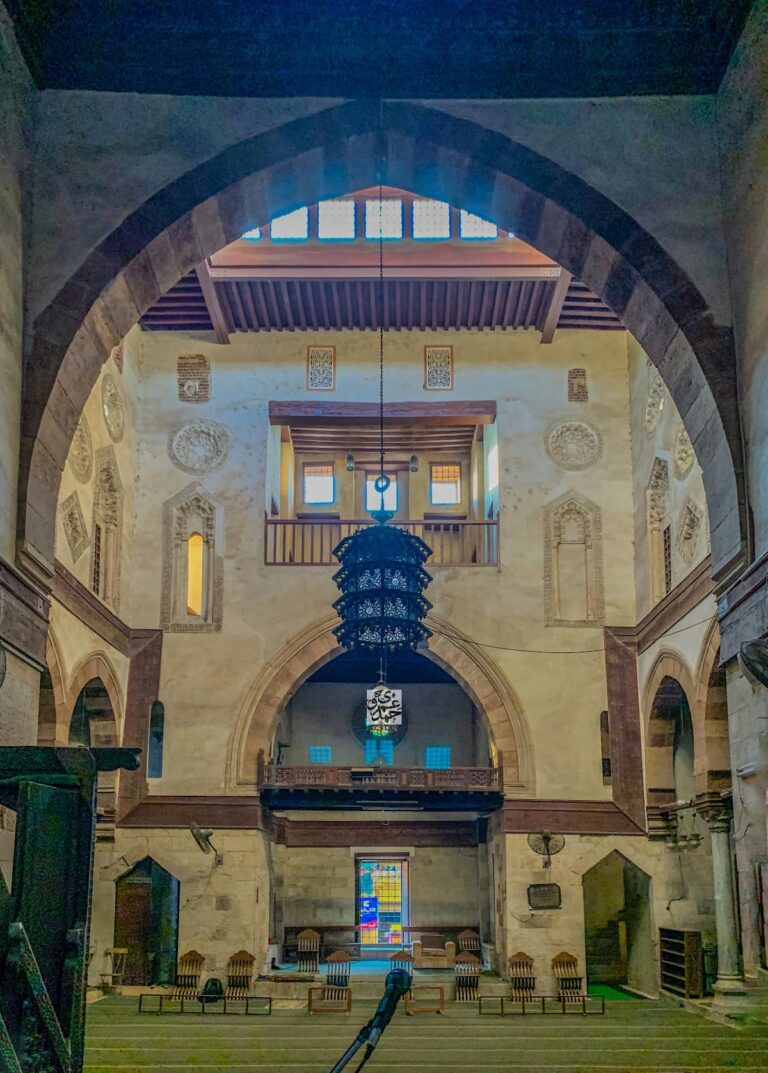
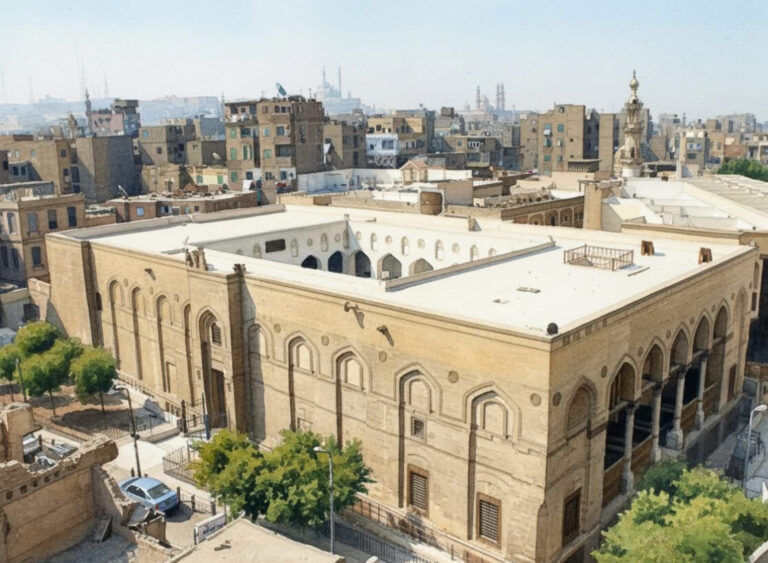
The site has the Islamic architectural character of a mosque and mausoleum and is marked by one dome and one minaret. Its foundation brought together the mosque and burial monument with the madrasa and Sufi hospice, creating a complex that served worship, religious and legal education, and communal Sufi life. The associated market and residential building formed additional components of the foundation and remained extant in al-Maqrizi’s time.