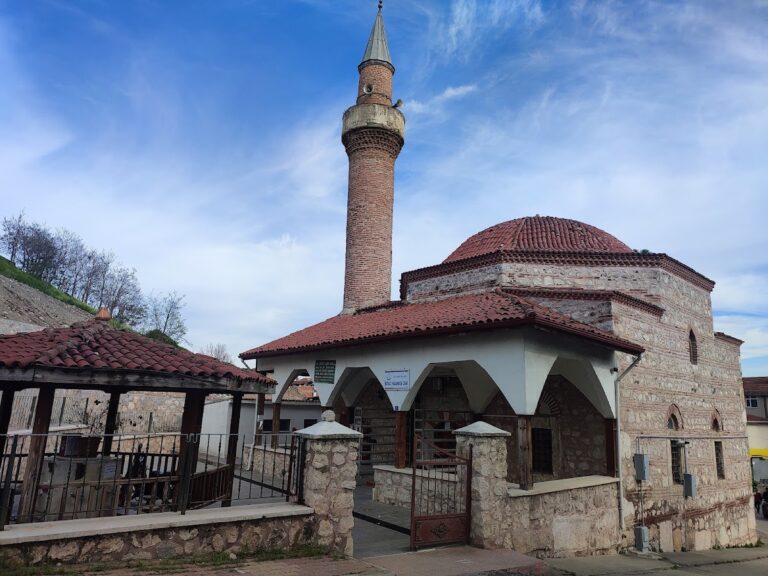
Madrasah of Çelebi Mehmet: An Ottoman Islamic School in Türkiye


Site at a Glance
- Rating
- 4.4
- Popularity
- Very Low
- Country
- Turkey
- Primary era
- Medieval
- Eras represented
- Medieval, Modern
- Civilizations
- Ottoman
- Site type
- Religious
- Remains
- Madrasa
On this page7 sections
History
The Madrasah of Çelebi Mehmet is an Islamic educational institution in Merzifon, Türkiye, built for the Ottoman state in 1414–1415 during the early fifteenth-century consolidation of Ottoman rule. Commissioned by Sultan Mehmed I, it was constructed by Ebu Bekr b. Muhammed el-Müşeymeş. The madrasah, an institution for religious and historically broader advanced education, formed part of the city’s religious and educational life.
Foundation and early administration
Ferîdüddîn-i Dîvânî served as the first mudarris, the teacher or lecturer responsible for instruction in a madrasah. The building was repaired in 1418–1419 by Emin Onuroğlu Ali Bey, only a few years after its construction.
Later civic and cultural uses
During the 1950s, the building accommodated a children’s library, a public library, a municipal depot, and a music classroom. It later served as a wedding hall and a Qur’an course. The madrasah is currently used for social and artistic activities.
In 1866, during Ziya Paşa’s tenure as mutasarrif of Amasya, an Ottoman provincial administrative officeholder, a clock tower was added above the entrance. Ziya Paşa was also an Ottoman statesman and poet.
Remains
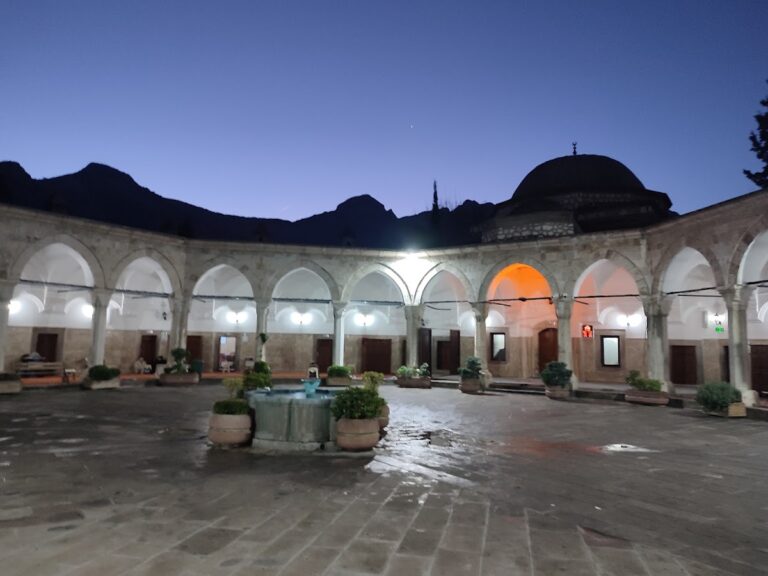
The madrasah has a square plan and is constructed from cut stone. Its interior contains 20 cells, while a large entrance gate faces the adjoining Madrasah Mosque of Çelebi Mehmet. Together, these surviving elements define the building’s compact educational complex.
Entrance and clock tower
Entrance doors
The original entrance doors are preserved at the Ankara Ethnography Museum. The doors now in place were commissioned later by the Municipality of Merzifon and differ from the originals.
Clock tower
The clock tower erected above the entrance in 1866 has a cylindrical form and a circular clock face, creating a later addition to the madrasah’s stone entrance front.