Biserica „Sf. Nicolae” – Geartoglu: A Historic Church in Târgoviște

Site at a Glance
- Rating
- 4.2
- Popularity
- Very Low
- Country
- Romania
- Primary era
- Early Modern
- Eras represented
- Medieval, Early Modern, Modern
- Civilizations
- Ottoman, Principality of Wallachia
- Site type
- Religious
- Remains
- Church
On this page7 sections
History
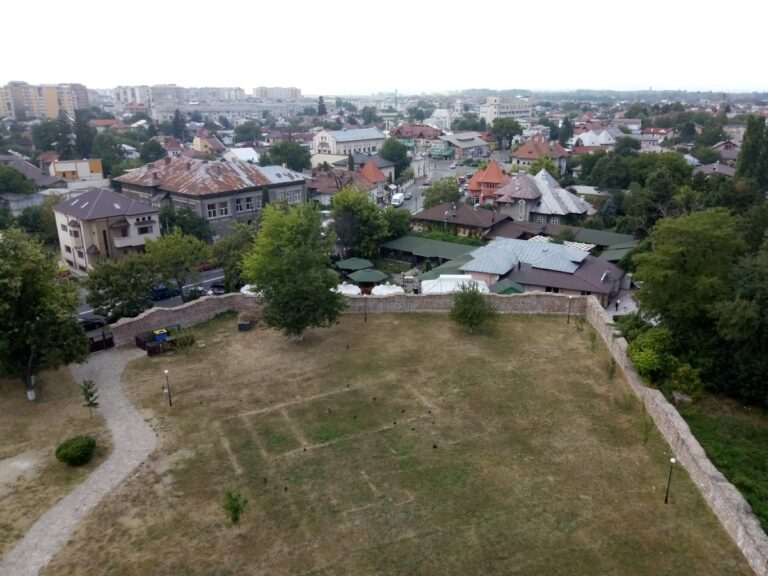
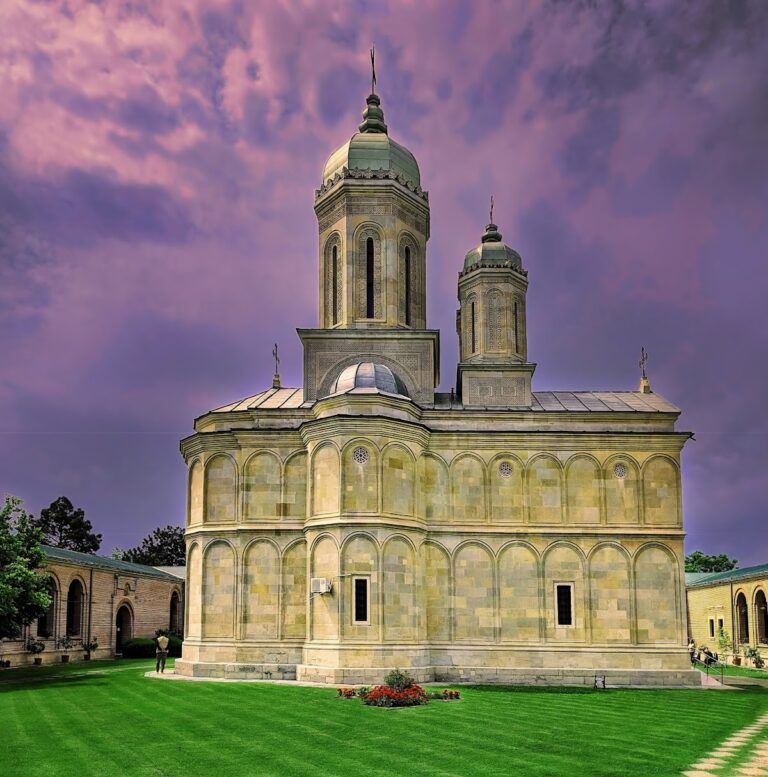
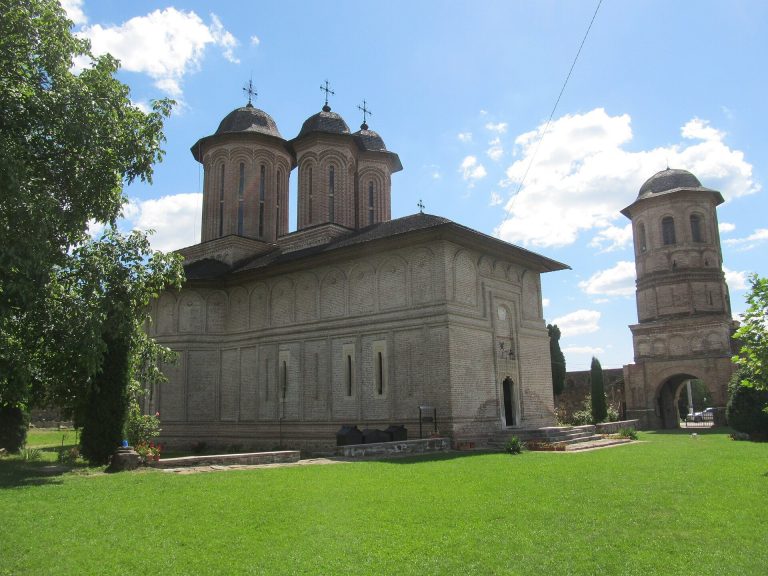
Biserica „Sf. Nicolae” – Geartoglu is a historic church in Târgoviște, Romania, built on the site of an earlier wooden church probably dating from the fifteenth century or the beginning of the sixteenth century. Its surviving form is associated with late Gothic architecture and reflects several phases of rebuilding and alteration.
Seventeenth-Century Development
The church’s bell tower was constructed in 1640, during the rule of Matei Basarab, the Wallachian prince who reigned from 1632 to 1654. The church has three patronal dedications, identifying the saints to whom it was dedicated at different dates: Saint Demetrius in 1640, Saint Nicholas in 1712, and Saint Spyridon in 1860.
Renovation also took place during the reign of Constantin Brâncoveanu, prince of Wallachia from 1688 to 1714 and the ruler associated with the Brâncovenesc architectural and artistic style. A fire in 1712 left the church in ruins. Repairs began after 1777 under the direction of the court official Gheorghe Geanolu, who had bought the houses surrounding the church.
Conflict and Nineteenth-Century Repairs
In 1821, Tudor Vladimirescu, the Wallachian military and revolutionary leader of the uprising that year, was imprisoned in the church before being taken to the Metropolitan Church and killed. Later in 1821, reprisals by the Ottoman army resulted in looting and partial destruction of the building.
The church was roofed and painted in 1828 by the court official Nichita Formac. Around 1860, Hagi Avram and Luca repainted the interior. The same period brought important changes to the layout, including the addition of a wooden porch and the removal of the wall between the nave, the principal church space, and the narthex, the entrance or vestibule area.
Abandonment and Restoration
After a period of abandonment, the church entered the Ministry of Culture’s National Restoration Program in the middle of the 1990s. Extensive restoration carried out between 1997 and 2014 returned the building to its former appearance. It is a historic monument in the municipality of Târgoviște and appears in the National Archaeological Repertory under code 65351.27.
Remains
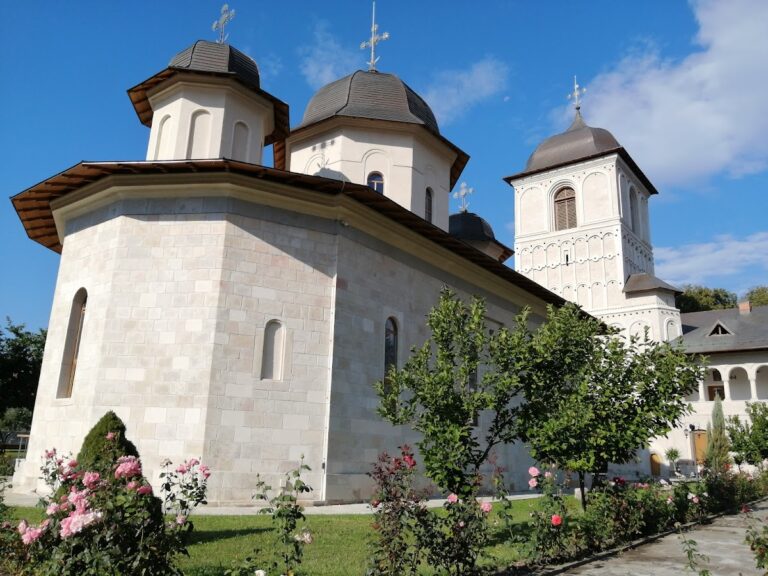
The surviving building combines a rectangular nave with buttresses, a bell tower dating from 1640, and a wooden porch added around 1860. The late Gothic character of the church belongs to its architectural identity, while the restored fabric preserves the results of successive repairs and alterations.
Church Structure
The first architectural phase consisted of a rectangular nave reinforced by buttresses. The narthex was originally separated from the nave by a wall, but that division was removed in 1860 to create direct communication between the two spaces. This arrangement is described as the last Romanian example of its kind. The wooden porch, also added around 1860, forms an externally attached covered entrance. The building is currently in good condition.
Medieval Coin Hoard
A hoard of medieval coins was discovered at the church in 1989. The coins were issued before 1394, and the find is described as the only medieval hoard of coins issued before that year. Its presence provides an archaeological connection between the church site and the medieval period preceding the construction of the present building.