Jakobikirche Wilsdruff: A Romanesque Church and Ecumenical Motorway Church in Germany
Site at a Glance
- Rating
- 4.5
- Popularity
- Very Low
- Country
- Germany
- Primary era
- Medieval
- External website
- Open
- Eras represented
- Medieval, Early Modern
- Civilizations
- Electorate of Saxony, Holy Roman Empire, Margraviate of Meissen
- Site type
- Religious
- Remains
- Church
On this page9 sections
History
Origins before the town
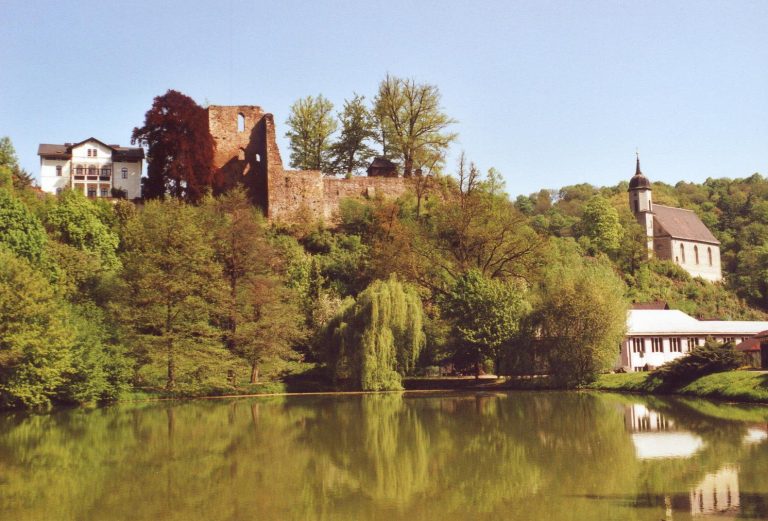
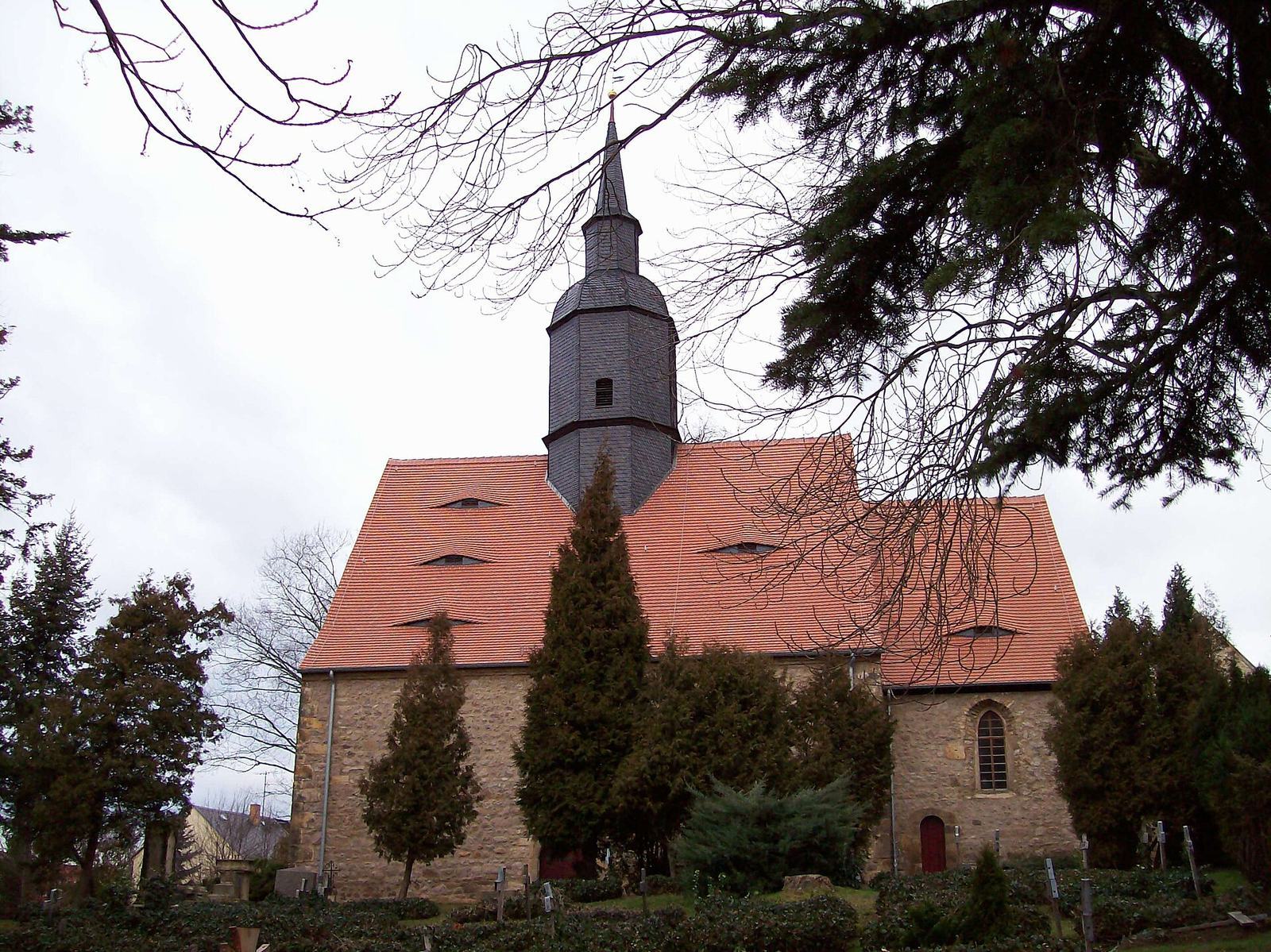
Jakobikirche Wilsdruff is a Romanesque church in Germany, built in the mid-twelfth century and regarded as one of Saxony’s oldest village churches to survive substantially in its original form. It stands on a hill above the town center, at the meeting point of important routes. Before Wilsdruff developed as a town, the settlement associated with the site was known as Wilandesdorf, and the church served merchants travelling through the area.
The church may have begun as an establishment for Benedictine monks, members of a major Western Christian order organized around communal worship, discipline, and monastic labor. The architectural historian Cornelius Gurlitt described it as one of the largest Saxon complexes of this kind. Around 1200, the town church of St. Nikolai was founded nearby. As the newer church took on the central religious role, Jakobikirche, set away from the town center, declined in importance.
Decline and memorial use
After the Reformation, the sixteenth-century movement that brought major changes to Western Christianity and established Lutheran churches in parts of Germany, Jakobikirche was used only infrequently. It nevertheless remained the burial church of the Lords of Schönberg, a Saxon noble family whose members held the town and manor for centuries.
In 1919, the church was converted into a memorial to those killed in the First World War. A commemorative war cemetery was created around the building, and the grounds also contain honor graves from the Second World War.
Damage, conservation, and renewed use
A storm in 1976 partly destroyed the roof and roof turret. The first response proposed removing the roof completely and allowing the building to deteriorate as a ruin. Instead, the church was secured for planned use by the Wilsdruff local-history museum. Political changes in the German Democratic Republic prevented that plan from being carried out.
The surrounding cemetery closed in 1984, and the church was transferred to the city. The altar, pews, and pulpit were removed at that time. Renovation resumed after 1990 with support from the city of Wilsdruff, the Leben und Arbeit Foundation, and private donors.
On 24 June 2005, Jakobikirche was reconsecrated as Germany’s thirtieth ecumenical motorway church. In Germany, a motorway church is located near a major motorway and made available for worship, exhibitions, cultural activities, or personal prayer. The church’s modern identity is linked to the Bundesautobahn 4, which runs about one kilometre to the north. Since 2005, it has served under the motto “Refuelling for the soul,” hosting worship services, exhibitions, cultural events, prayer, and meditation.
Remains
Romanesque structure
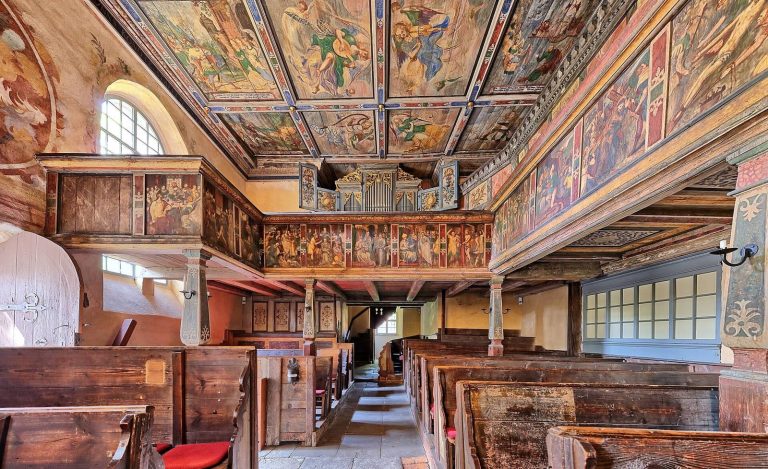
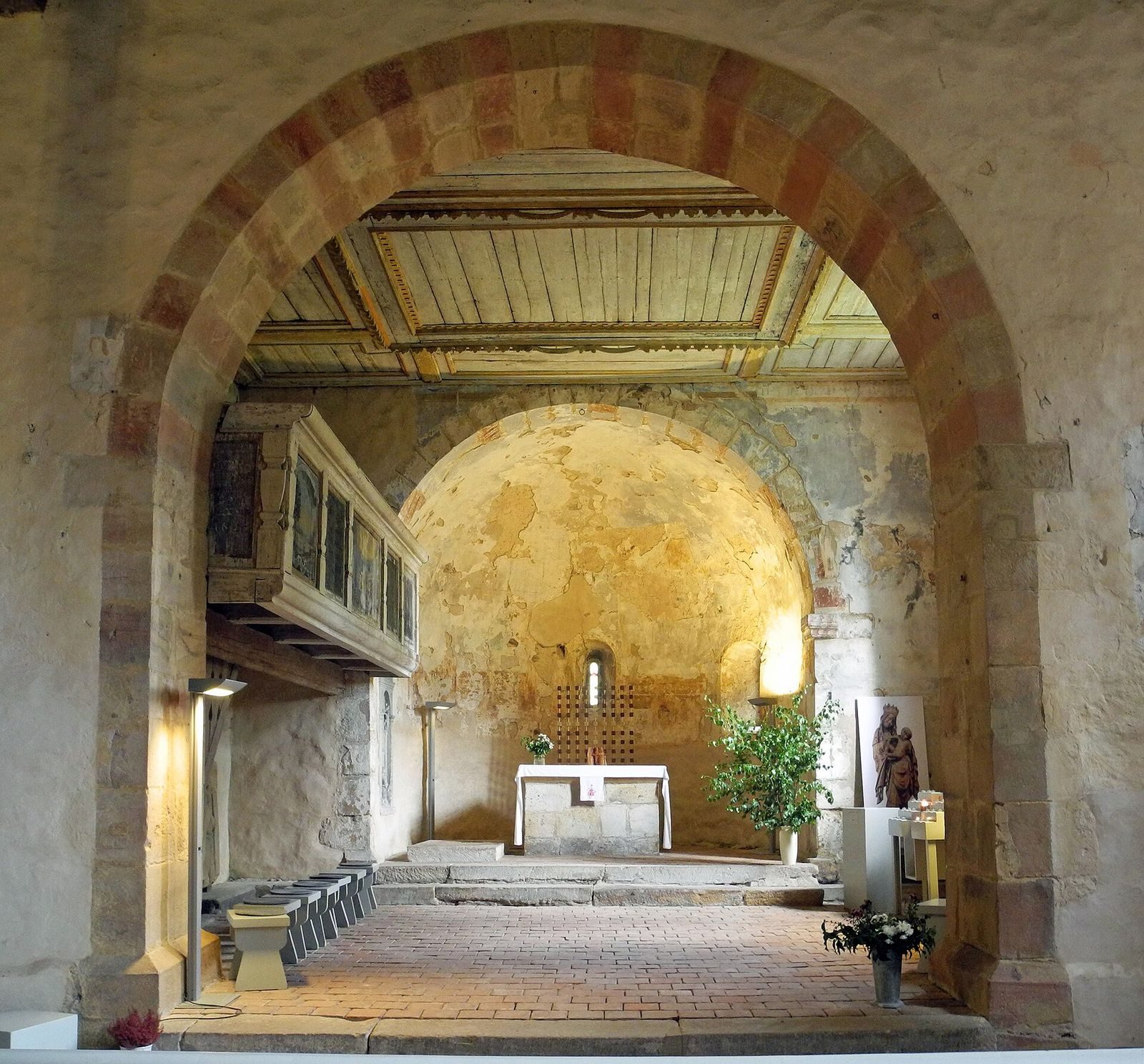
Jakobikirche is a Romanesque hall church with a broad nave, a small choir, and a semicircular apse containing the altar. Romanesque architecture is characterized by massive masonry, rounded arches, relatively small windows, and enclosed interiors. These qualities remain visible in the church’s thick rubble-stone walls and narrow, round-arched windows.
The roof turret has retained its present form from 1591, although it has been renewed several times. The south-side windows were enlarged in 1686, showing how later alterations modified the medieval structure while leaving its principal Romanesque character recognizable.
Interior memorials and cemetery
Earlier interior painting survives in the form of several consecration crosses and fragments of images in the choir. Beside the altar stands an epitaph, a commemorative monument honoring a deceased person, to the knight Hans von Schönberg. The manorial gallery carries coats of arms and images recalling the Schönberg family’s former association with the church.
A stone memorial plaque is set on the east side of the building. Around the church, the First World War commemorative cemetery and the Second World War honor graves form part of the site’s memorial landscape.
The bells and the Benno tradition
The historic peal comprised three bronze bells. The two fifteenth-century bells were removed around 1985, while the oldest bell, cast around 1250, has remained on permanent loan from the local Evangelical-Lutheran congregation since 1591. It is known as the Benno Bell because of its association with Bishop Benno of Meissen, an eleventh-century bishop later venerated as a saint, although that connection has not been demonstrated.
Incised figural drawings cover the bell’s surface, probably depicting a fox preaching to geese. The imagery was intended as a warning against “devilish false teachings,” and the ringing was understood to help ward off evil. The precise interpretation of the scenes remains unresolved.
The dog and the church’s location
A local tradition says that the church was first planned for the nearby Hühndorfer Höhe. According to the story, a dog with glowing eyes carried the building stones in its mouth to the present site, leading Bishop Benno to decide that the church should be built there. A dog carved on a corner stone at the church’s northwest side may have helped inspire the legend.