Tang Empire: Sites and Map
Tang religious and imperial patronage survives in timber architecture, brick pagodas, underground relic chambers, monumental sculpture and tomb landscapes. The mapped examples connect the Chang’an region with mountain monasteries in Shanxi and Buddhist cave sanctuaries farther west in Gansu.
Primary Function: All
Type: All
Country: All
Popularity: All
Rating: All
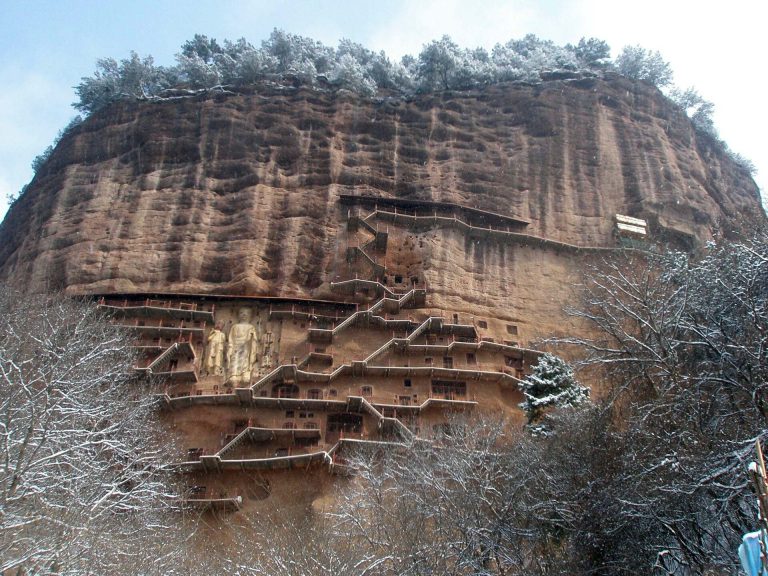
The Maijishan Grottoes preserve 194 Buddhist caves, more than 7,200 sculptures, and over 1,000 square metres of murals created and restored across…
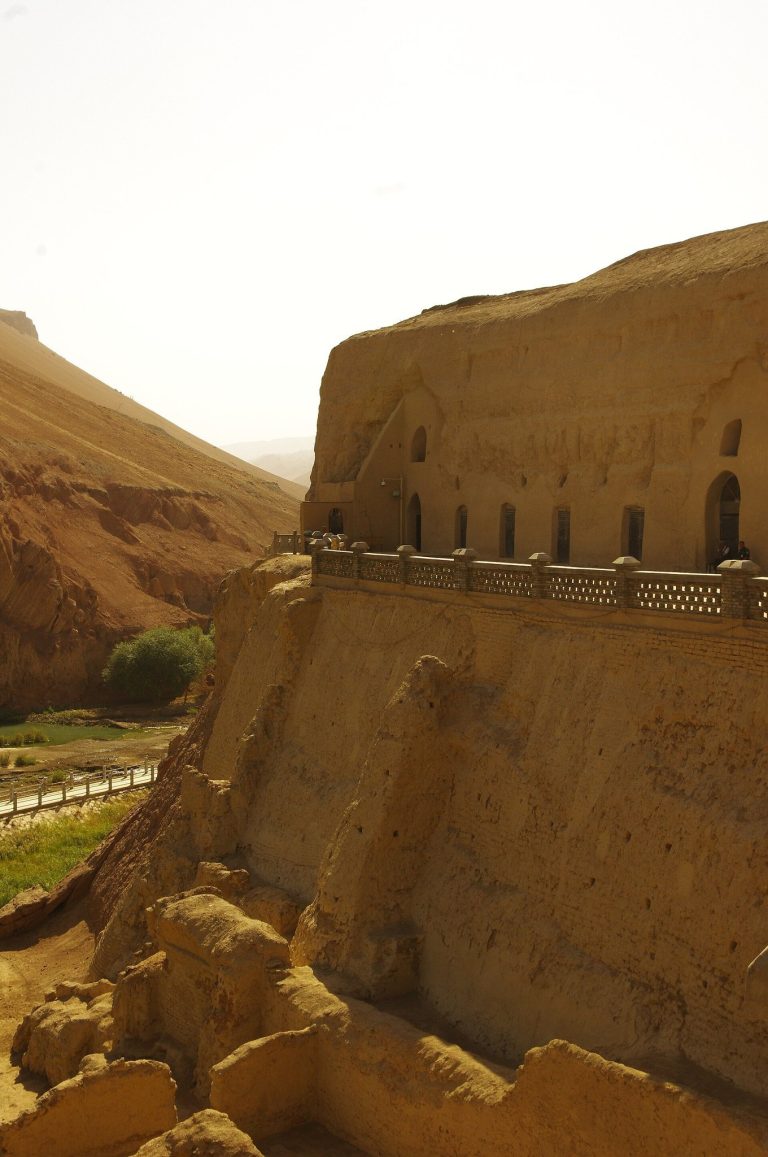
The Bezeklik Thousand Buddha Caves near Gaochang preserve Buddhist murals, shrines, manuscripts, and architectural remains spanning the Qu-family…
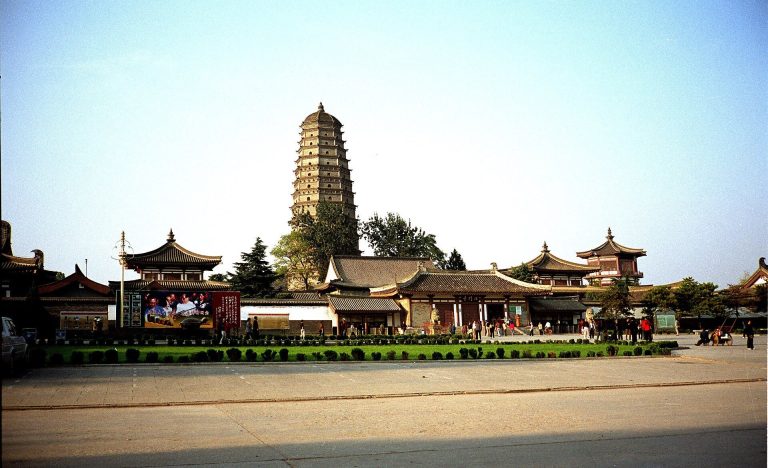
Famen Temple in Fufeng County, Shaanxi, developed from an ancient Buddhist foundation into an imperial Tang temple and pilgrimage center. Its…
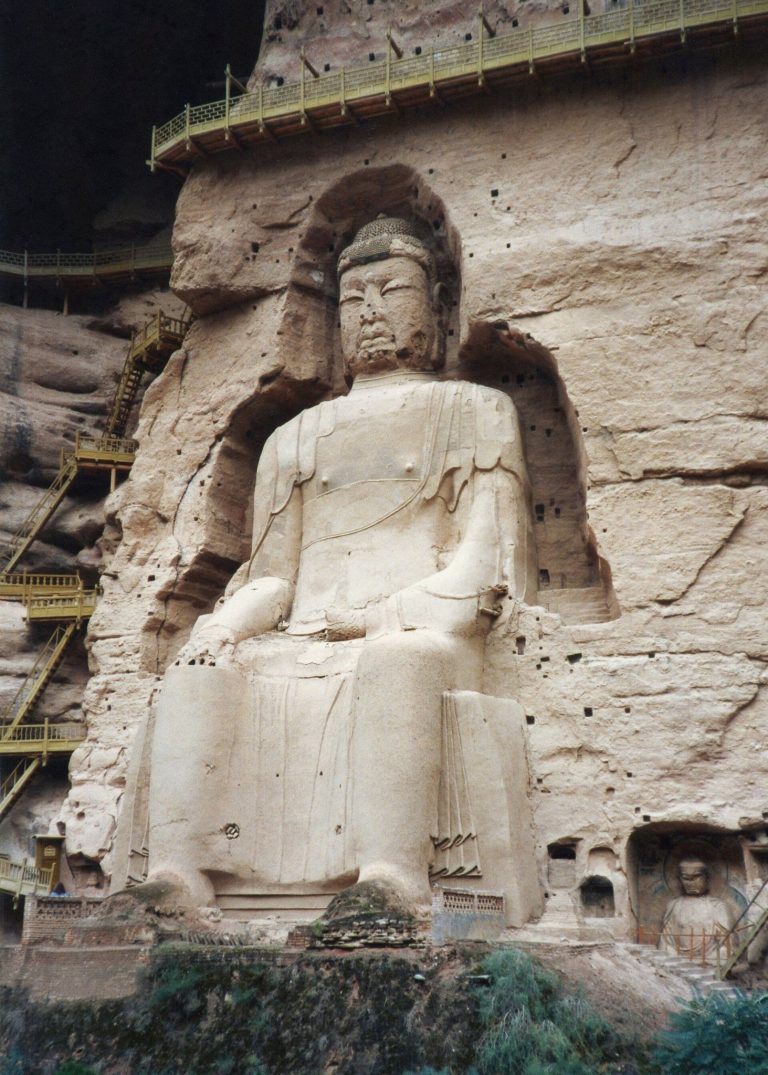
Bingling Temple is a major Buddhist cave sanctuary whose sculptures, paintings, and inscriptions trace more than a millennium of religious and…
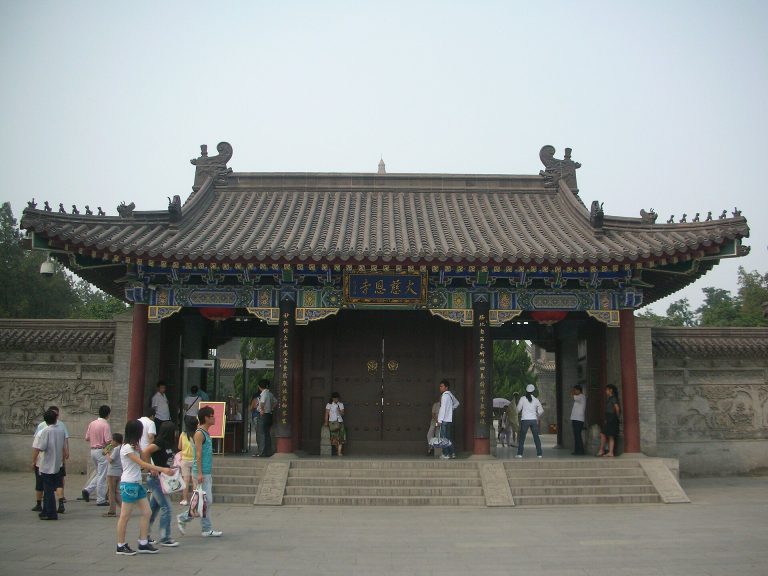
Daci'en Temple in Xi'an was a major Tang imperial Buddhist institution and a center for translating Buddhist scriptures. Its surviving complex…
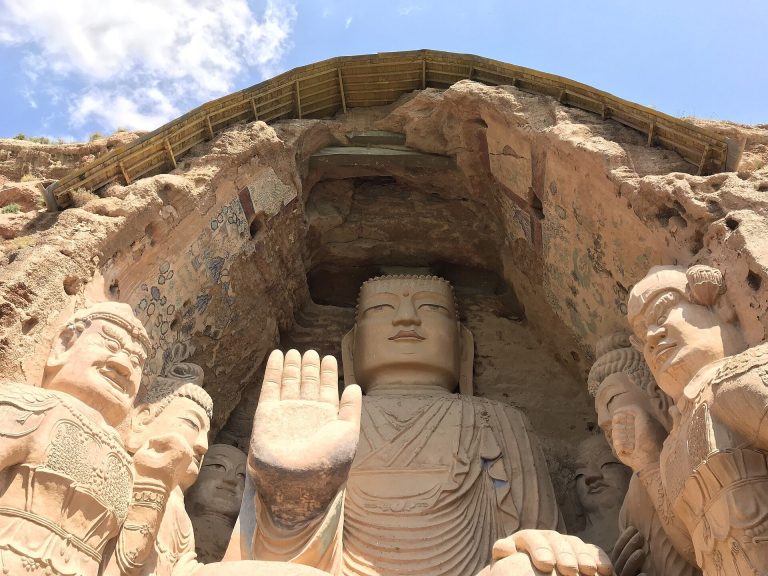
The Tiantishan Grottoes in Gansu began as the Liangzhou Grottoes during the Northern Liang and developed through successive periods of Buddhist…
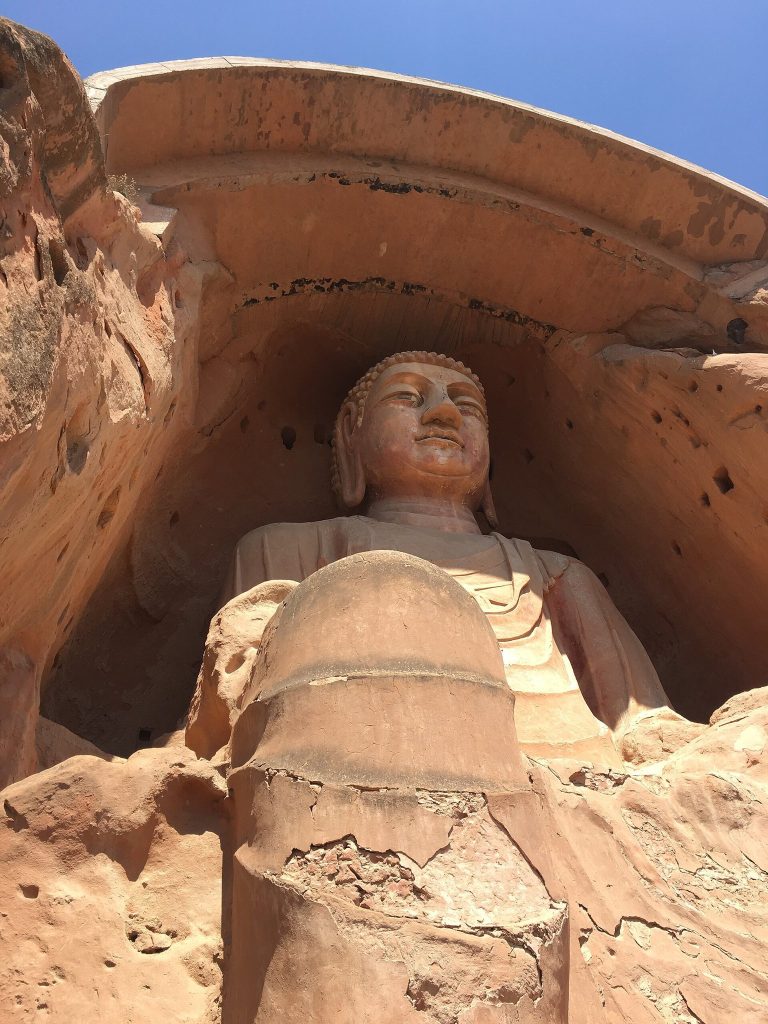
The Xumishan Grottoes in Ningxia preserve more than a thousand years of Buddhist sculpture, painting, inscriptions, and cave architecture shaped by…
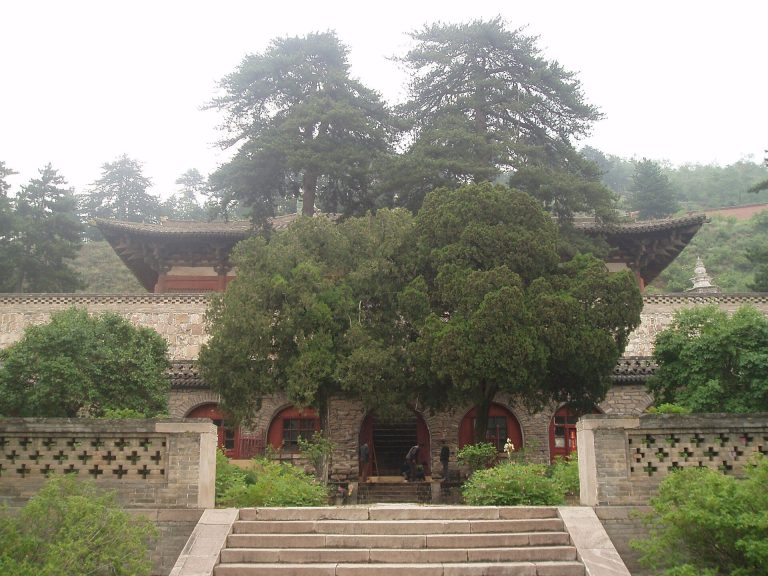
Foguang Temple in Shanxi preserves Buddhist buildings, sculptures, murals, inscriptions, and funerary monuments dating from the Northern Wei through…
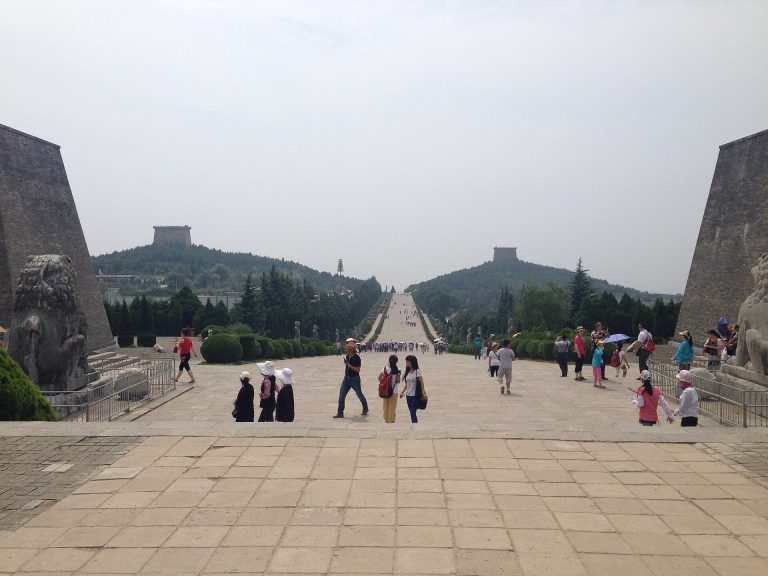
Qianling Mausoleum in Shaanxi is the shared burial place of Emperor Gaozong and Wu Zetian, with attendant tombs, ceremonial avenues, stone statues,…
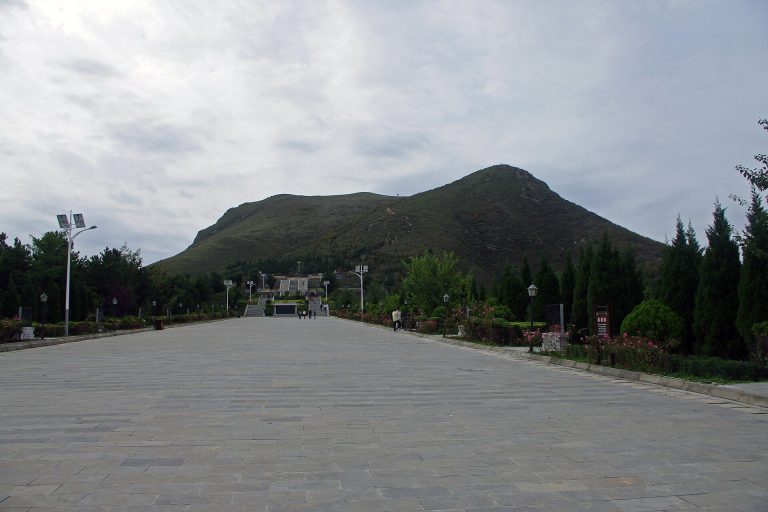
Zhao Mausoleum, or Zhaoling, is the Tang-dynasty burial complex of Emperor Taizong and Empress Zhangsun in Shaanxi. Built around Jiuzong Mountain, it…
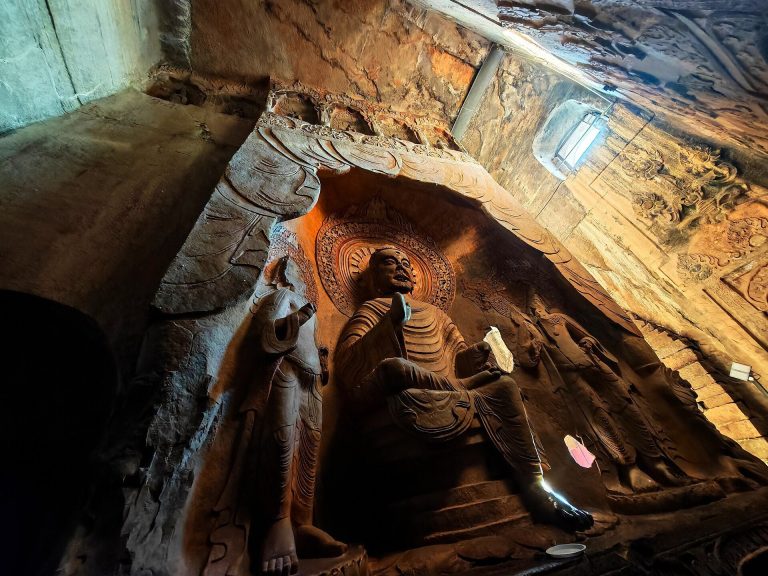
The Xiangtangshan Caves in Hebei preserve Buddhist cave temples begun in the late Eastern Wei and developed under Northern Qi imperial patronage.…
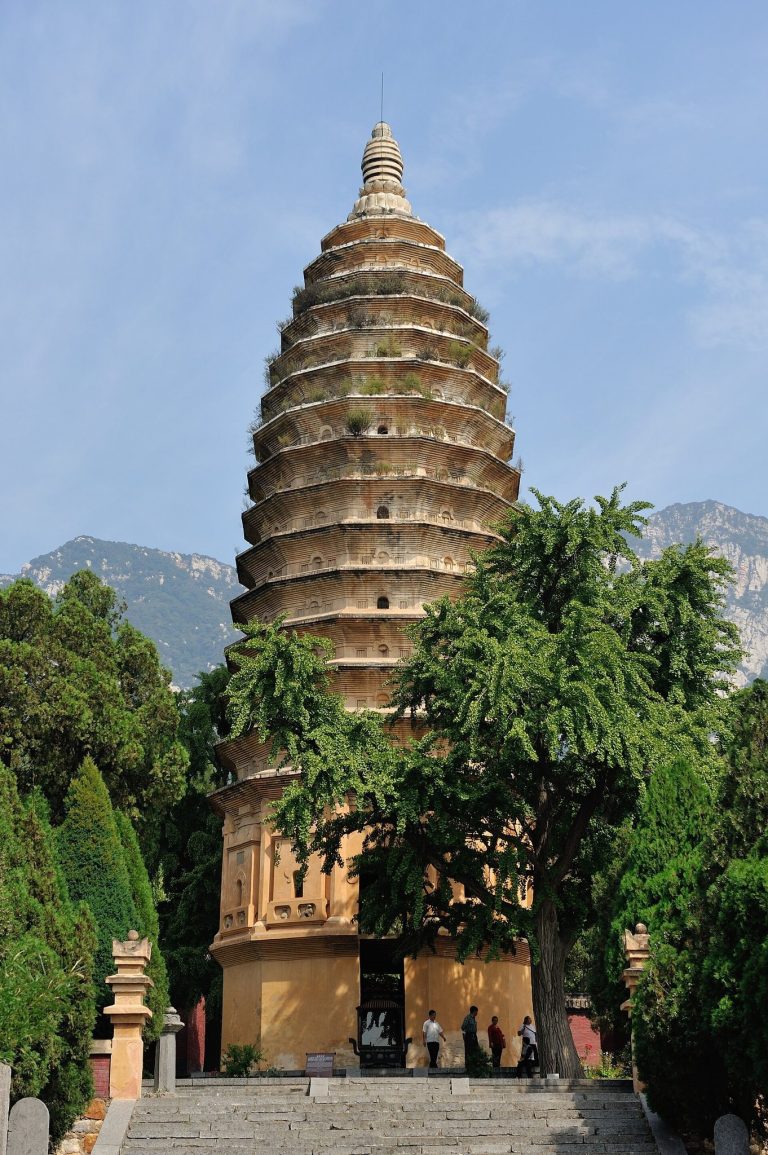
Songyue Pagoda, built around AD 523 at Songyue Monastery in Henan, is regarded as the earliest surviving Chinese pagoda with an established…
For details on how to use the maps, which sites are included, how popularity and ratings are determined, and how sites are classified, see the help page.
On this page5 sections
Foguang Temple: a surviving timber hall
The East Great Hall of Foguang Temple, on Mount Wutai in Shanxi, dates to AD 857. Its broad timber structure is seven bays wide, with columns and projecting bracket groups supporting a large roof sloping down on all four sides. A bay is the space between two structural supports; repeating these units allowed builders to organise a wide hall around a regular frame.
The brackets spread roof loads through layered pieces of timber above the columns, while their projection supports the deep eaves. Inscriptions help date the building and identify its donor, Ning Gongyu. The hall preserves Tang structural work at a site where later generations also added buildings, making its particular date essential to understanding the complex.
Daci’en Temple: scriptures and a pagoda
At Daci’en Temple in Xi’an, the monk Xuanzang worked on translating Buddhist scriptures after his journey to India. The Giant Wild Goose Pagoda was first built in 652 to house scriptures and sacred images brought back from that journey.
A pagoda is a tower associated with Buddhist relics, images or texts. Here its repeated storeys gave a monumental form to a repository within an active religious and translation centre. The pagoda was rebuilt during the Tang and repaired in later centuries, while much of the surrounding temple architecture is later. Its history combines the transmission of Buddhist teaching with successive campaigns of construction.
Famen Temple: relics beneath the tower
Famen Temple, west of Xi’an, housed a relic venerated as a finger bone of the Buddha. Tang emperors brought it to the capital for ceremonies and returned it with costly offerings. In 874 the relic was sealed beneath the pagoda, preserving an exceptional group of court donations.
The underground chamber was built with carved marble and limestone slabs. Nested caskets protected the relic, while gold and silver vessels included equipment for preparing and serving tea. These objects connect Buddhist worship with court ceremony and specialised metalworking. The tower standing above is a modern reconstruction of the later Ming form; the Tang evidence lies chiefly in the excavated chamber and its contents.
Qianling: an imperial burial mountain
At Qianling, Mount Liang became the joint burial place of Emperor Gaozong and Wu Zetian, who ruled in her own name as emperor. The complex developed in the late seventh and early eighth centuries, using the mountain itself for the principal burial.
Stone animals and human figures lined the ceremonial approach, giving an ordered, monumental route toward the imperial tomb. The main burial chamber remains sealed. The visible processional sculpture and the separately excavated subsidiary tombs consequently provide different kinds of evidence: one sets out the public funerary landscape, while the others preserve material from members of the surrounding court.
Bingling: a monumental Buddha in the cliff
At Bingling Temple in Gansu, a Tang-period image of Maitreya rises more than 27 metres against the cliff. Maitreya is the Buddha expected to appear in a future age, and the scale of the figure made it a commanding focus within the sanctuary.
Smaller caves, painted surfaces and sculpted figures extend across the rock face. The complex began before the Tang and continued to receive additions for centuries afterward. Its giant image is therefore a particular Tang contribution to an older Buddhist place, complementing the timber hall, pagoda and buried relic chamber represented elsewhere on this map.
Open a marker or grid card to read more about each temple, burial complex or cave sanctuary and its surviving Tang work.