Zuisen-ji Temple: A Rinzai Buddhist Temple and Ashikaga Mortuary Temple in Kamakura


Site at a Glance
- Rating
- 4.3
- Popularity
- Low
- Country
- Japan
- Primary era
- Medieval
- External website
- Open
- Eras represented
- Medieval, Early Modern, Modern
- Civilizations
- Japanese, Kamakura shogunate
- Site type
- Religious
- Remains
- Monastery
On this page17 sections
History
Zuisen-ji Temple is a Rinzai Buddhist temple in Kamakura, Japan, founded in 1327 during the late Kamakura period. Established by Nikaidō Dōun, a retainer of the Kamakura shogunate, it was designed under the direction of Musō Soseki, a leading Zen monk, poet, and garden designer. The temple first bore the name Zuisen-in and developed in Momijigayatsu, the Valley of Autumn Leaves.
Foundation and early development
Musō Soseki moved from Nanpō-in near Engaku-ji to Momijigayatsu in 1326 to oversee construction. The first complex was completed in 1328. It included a Kannon hall, a belvedere known as Henkai Ichirantei, and a Zen garden cut into the hillside. Kannon, also called Avalokiteśvara, is a Buddhist bodhisattva associated with compassion. The early temple therefore combined religious buildings with a carefully designed setting for contemplation and study.
After the Kamakura shogunate fell in 1333, the Ashikaga family protected Zuisen-in. Ashikaga Motouji, the son of Ashikaga Takauji and the first Kantō kubō, chose the temple as his burial place. A Kantō kubō was the Ashikaga-appointed military representative who governed the Kantō region from Kamakura during the Muromachi period. Motouji’s burial began Zuisen-ji’s role as the family temple of the Ashikaga rulers of Kamakura.
The Ashikaga temple
Under Motouji’s patronage, the temple was renamed Zuisen-ji and took on its completed institutional form. It later served as a mortuary temple for the Ashikaga Kantō kubō family. Four of the five Kantō kubō are buried in a private cemetery within the grounds. The temple’s position within the Zen establishment was also formally recognized. During the Kōryaku era it ranked third among the semi-Jissetsu temples, a group of Zen temples below the Five Mountain system in prestige, and in 1386 it was placed first among the Kantō Jissetsu.
At its height, Zuisen-ji possessed several subtemples. Some were dedicated to Ashikaga Takauji’s mother and to Ashikaga Motouji, but none of these subsidiary temples has survived. Zuisen-ji was also an important center of the Musō school and of Five Mountain Literature, the Chinese-style literary and scholarly writing produced by monks in Japan’s officially ranked Zen temple network. The monk Gidō Shūshin lived and worked at the temple, while the Henkai Ichirantei served as a gathering place for monks connected with this literary tradition.
Decline and restoration
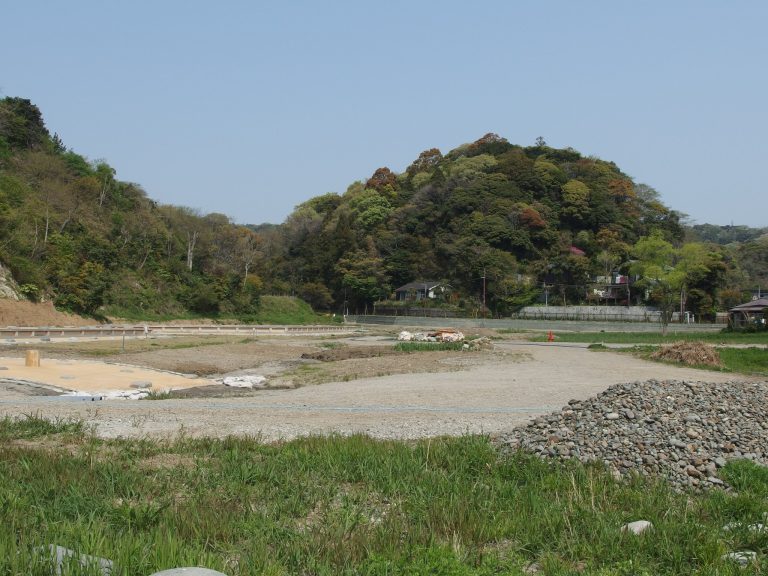
The temple declined during the Eikyō War, when the fourth Kantō kubō, Ashikaga Mochiuji, rebelled against the shogunate. In 1439, Mochiuji made his final stand at nearby Yōan-ji against forces sent by shogun Ashikaga Yoshinori. He killed himself to avoid capture and was buried at Zuisen-ji with three other Kantō kubō. Yōan-ji was burned during the conflict and was never rebuilt.
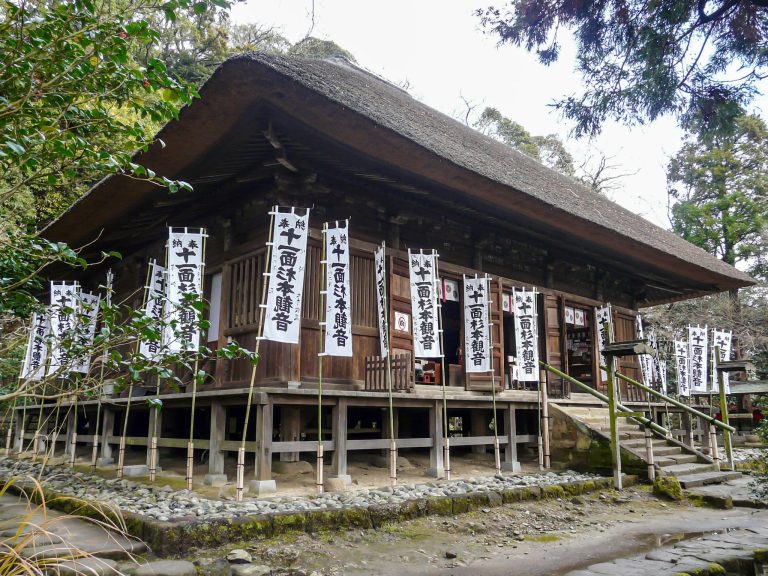
During the Edo period, Tokugawa Mitsukuni restored Zuisen-ji and donated a wooden Thousand-armed Kannon for use as its principal object of worship. The Thousand-armed form represents Kannon’s ability to respond to suffering in many ways. Mitsukuni also commissioned the 1685 guidebook Shinpen Kamakurashi. Kawai Tsunehisa, Matsumura Kiyoyuki, and Rikiishi Tadakazu compiled the work at Henkai Ichirantei, continuing the temple’s association with historical scholarship.
Literary and heritage associations
Zuisen-ji has long been connected with literature and intellectual life. Its cemetery contains the graves of numerous writers and scholars, and the grounds include memorials to Kume Masao, Takahama Kyoshi, Kubota Mantaro, Yoshino Hideo, Ōya Sōichi, Yamazaki Hōdai, and Yoshida Shōin. These associations extend the temple’s historical role beyond the medieval Zen and Ashikaga institutions that shaped its early development.
The grounds became a national Historic Site in 1971, while the garden received designation as a national Place of Scenic Beauty in the same year. The precinct also lies within Kanagawa Prefecture’s specially preserved Historic Landscape District. In 2016, Zuisen-ji became a component cultural property within the Japan Heritage designation. Its religious connections include the Kamakura Thirty-three Kannon pilgrimage, where it is site 6, and the Kamakura Twenty-four Jizō pilgrimage, where it is site 7. Seasonal plantings have also given it the long-standing nickname “Temple of Flowers.”
Remains
Setting and approach
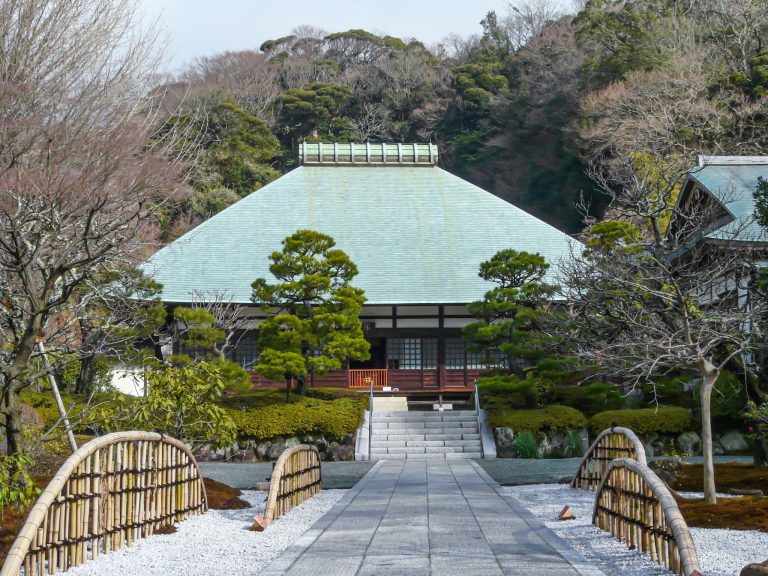
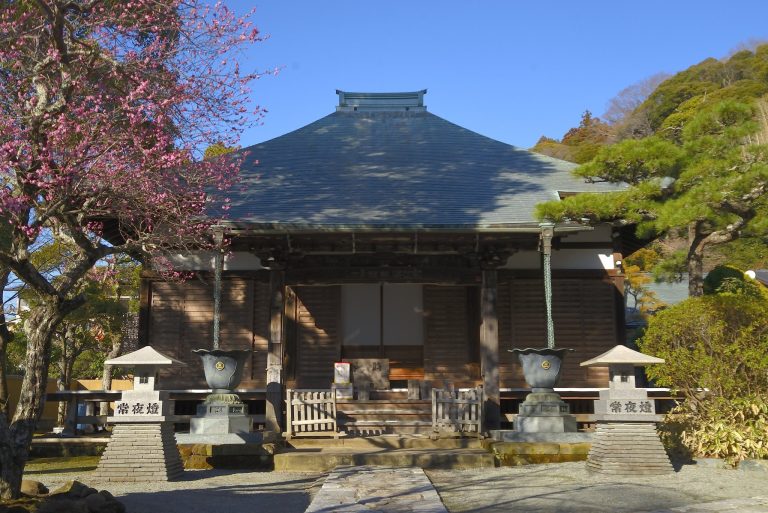
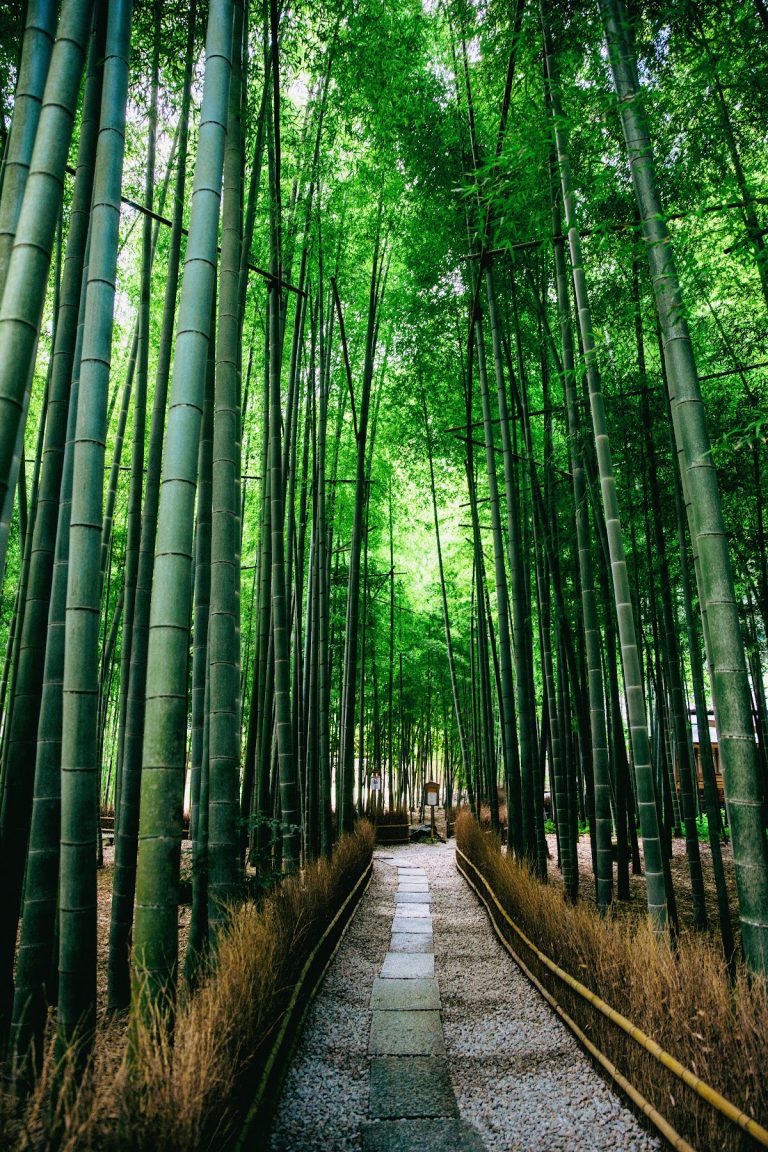
Zuisen-ji stands in Momijigayatsu, a valley on an isolated hill. The grounds include seasonal plantings of plum, azaleas, peonies, witch hazel, narcissus, Chinese winter jasmine, and winter cherry. The present compound is relatively small, and most of its buildings are modern. The main hall, belfry, private Ashikaga cemetery, and the rear-hill route toward the Ten’en hiking course form the principal surviving elements of the precinct.
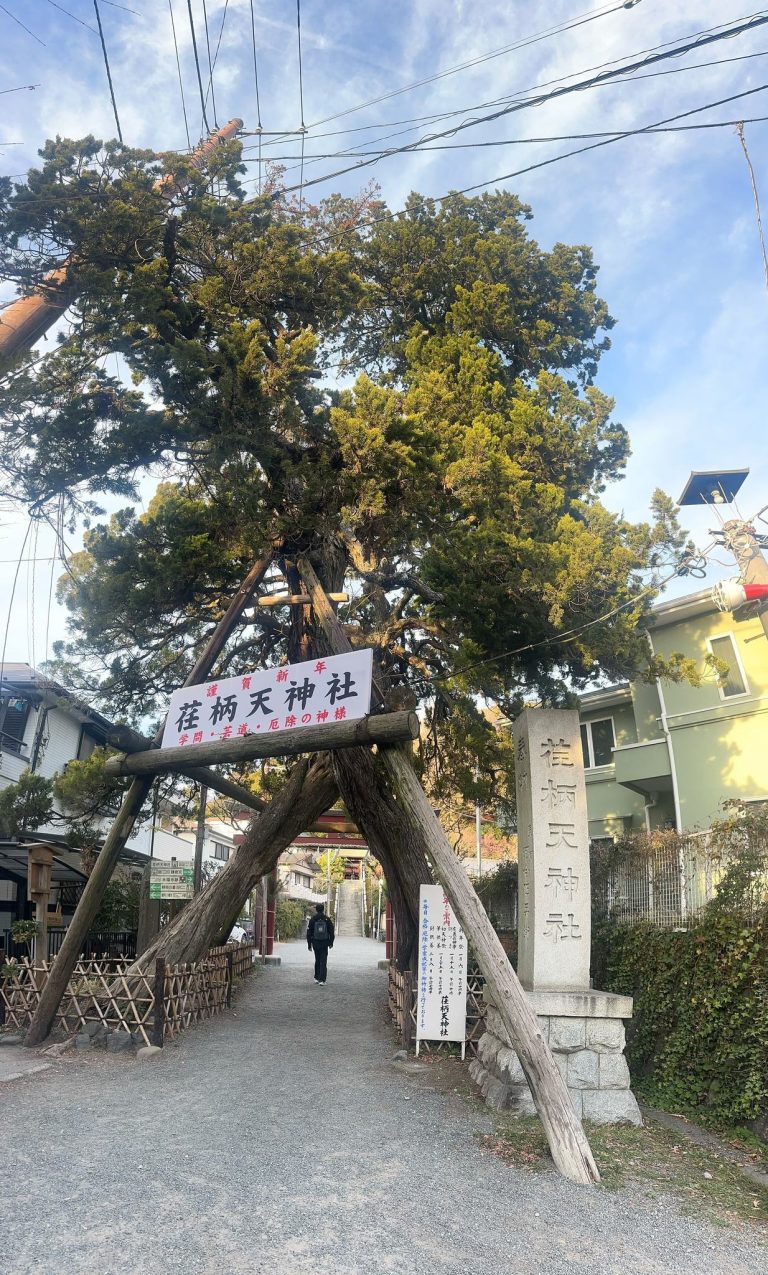
The approach begins beside the Somon and climbs the hill before dividing into two paths. The right-hand path is the original route built by Musō Soseki, and a brown stone stele marks it near its beginning. The route continues toward the rear hill and the areas of Kenchō-ji and Imaizumi.
Temple buildings and gardens
Reception hall and main hall
The kyakuden, or reception hall, is the surviving exception to the modern buildings of the compound. It dates from the early Edo period and was moved from Kinzō-in in Yokohama to Zuisen-ji in 1963. The original temple structures have otherwise been lost. The wooden Thousand-armed Kannon donated by Tokugawa Mitsukuni survives and is housed in the main hall.
Zen garden
Behind the main hall is a Zen garden designed by Musō Soseki and cut directly into the bedrock. Its elements include a pond, an arched bridge, a waterfall, a small island, and a cave. The garden is regarded as an origin of the shoin-style garden tradition, which developed around reception and study halls and emphasized designed views and carefully arranged landscape features. Plants that once surrounded the garden were removed in 1969 to create a setting faithful to the original plans.
Henkai Ichirantei
Behind the Zen garden, Henkai Ichirantei occupies a separate position from the main compound. Musō Soseki originally built it as a belvedere, a raised place designed for viewing the landscape. Stairs lead to it, and the belvedere provides views toward Mount Fuji. Its elevated position and connection with the garden reflect the integration of landscape design and Zen practice at the temple.
The austere rock garden behind the main hall contrasts with the more luxuriant garden in front of the hall. The front garden is regarded as one of the most beautiful gardens in Kamakura, while the rear garden preserves the direct relationship between designed forms and the exposed bedrock of the hill.
Burial caves and Ashikaga cemetery
Zuisen-ji Yagura Group
Behind the temple is the Zuisen-ji Yagura Group, approximately 80 caves cut into the rock. A yagura is a cave made in Kamakura’s soft rock for use as a tomb or funerary chamber. The group forms part of the temple’s funerary landscape and helps explain the use of the surrounding hillside for burial.
Ashikaga cemetery
The private Ashikaga cemetery within the grounds contains the burials of four of the five Kantō kubō. Their graves preserve the physical connection between Zuisen-ji and the Ashikaga rulers who governed the Kantō region from Kamakura. A separate group of yagura on the rear hillside is traditionally associated with the supposed head mound of Hōjō Takatoki, the last tokusō, or senior head of the Hōjō regency in the Kamakura shogunate.
Yōan-ji memorial and literary monuments
Yōan-ji stele
A stele marks the former site of Yōan-ji near the narrow road that turns right before the ticket counter. Erected in March 1926, it recalls the temple’s foundation in memory of Ashikaga Ujimitsu, Mochiuji’s final battle and suicide in 1439, and the burning of Yōan-ji. It also records that the temple was never rebuilt.
Literary memorials
Several monuments stand within the temple grounds. To the left of the Sanmon is a tanka monument to Yoshino Hideo, approximately one metre high and bearing his own handwriting. Its reverse records its erection during a 1968 memorial observance marking the first anniversary of his death. A monument to Yamazaki Hōdai stands beside it and dates from 1991.
A 1.1-metre-high monument to Kubota Mantaro stands near the left side of the Sanmon. An association commemorating him erected it in November 1979. Near the grave of Han Takehara’s parents is a monument associated with Takahama Kyoshi. It bears Kyoshi’s poem, an epitaph selected by Jirō Osaragi, and the date March 1952.
Before the belfry, a monument to Ōya Sōichi bears the inscription “A man’s face is his biography.” The Nonfiction Club of his followers erected it on November 22, 1971, for the first anniversary of his death. Another monument, erected in 1929, marks Yoshida Shōin’s stay at the temple and carries the handwriting of Tokutomi Sohō.