Zappeio Roman Baths: A Late Roman Bathhouse in Athens, Greece

Site at a Glance
- Rating
- 4.6
- Popularity
- Low
- Country
- Greece
- Primary era
- Classical
- Eras represented
- Classical, Medieval
- Civilizations
- Byzantine, Roman
- Site type
- Sanitation
- Remains
- Baths
On this page8 sections
History
The Zappeio Roman Baths are a late Roman bathhouse in Athens, Greece, founded at the end of the third or the beginning of the fourth century AD. The complex was built after the Herulian raids, attacks by a Germanic people that affected parts of the eastern Roman Empire, during a period when the area south of the older city was being incorporated into Athens.
From outskirts to urban district
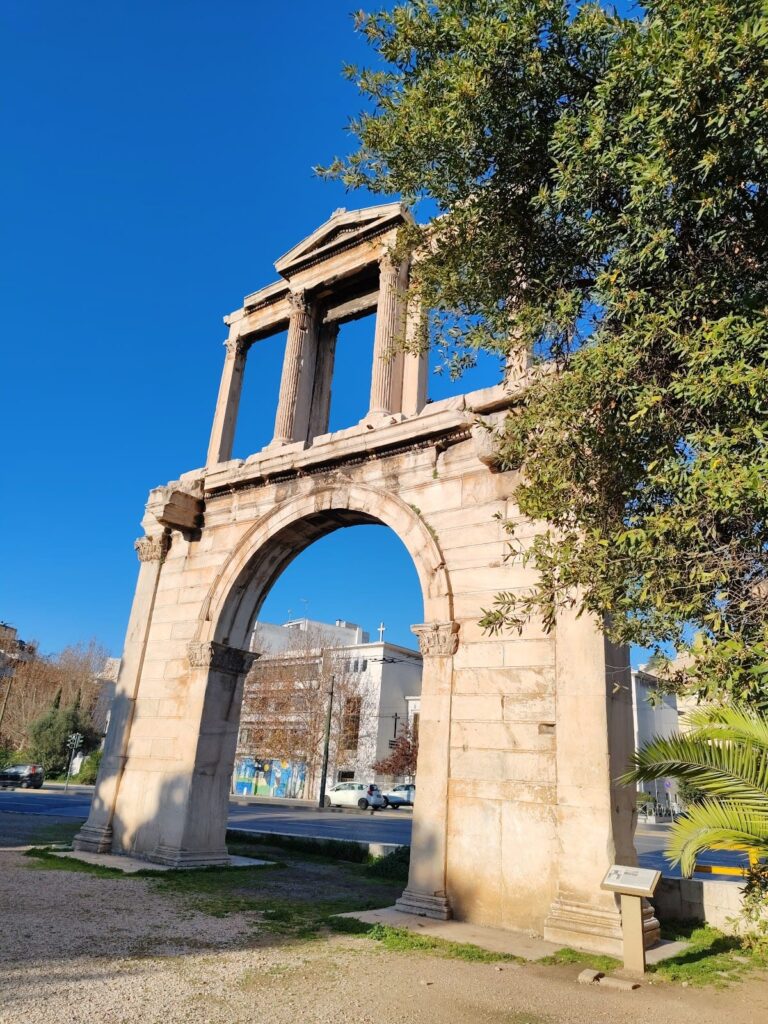
The site lay beyond Athens’ fortifications until the city expanded under Emperor Hadrian, who ruled from AD 117 to 138 and promoted major building projects across the Roman Empire. The completion of the Temple of Olympian Zeus and the construction of Hadrian’s Gate brought the area within the city. Sanctuaries, public and private buildings, and baths were subsequently established there.
Long before the Roman bathhouse, the location had been inhabited from prehistoric times and used for burials during the Geometric period, an early Greek era generally dated to the ninth and eighth centuries BC. Water from the nearby Ilissos River and dense vegetation also made the area an important place of worship associated with several deities.
Rebuilding and later reuse
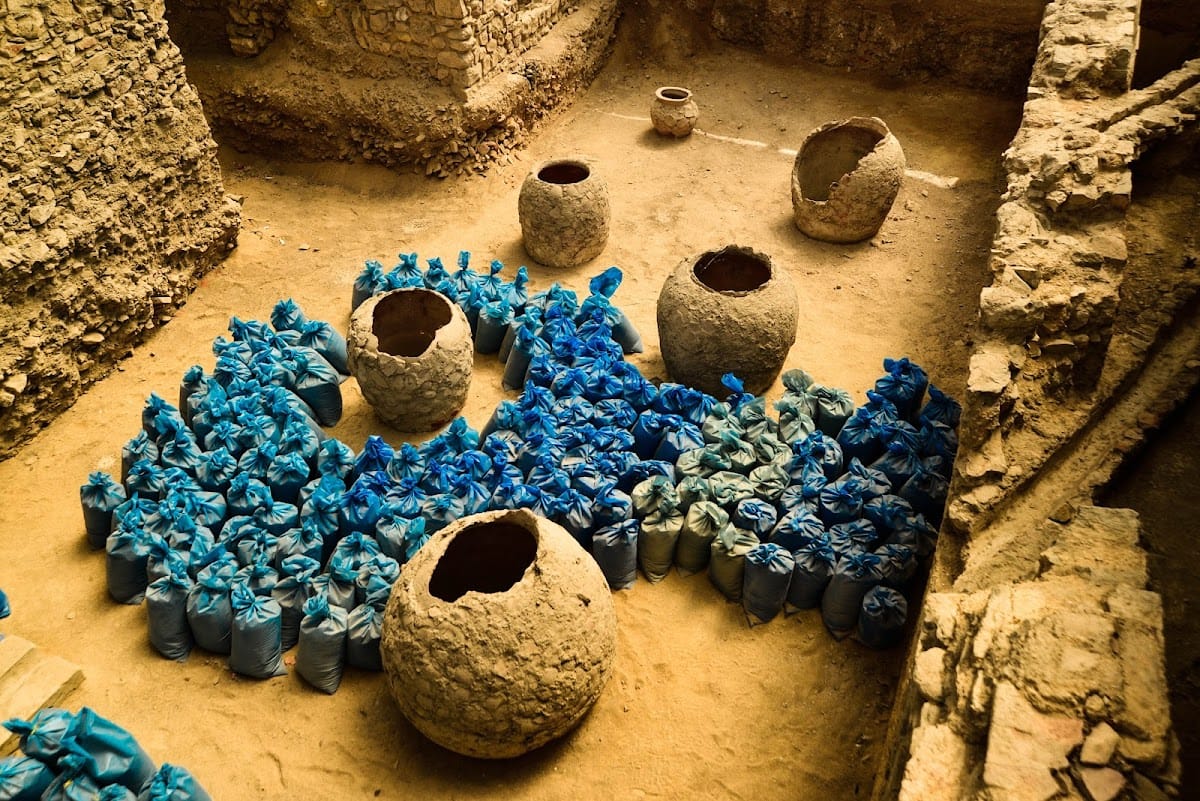
The baths were repaired, reconstructed, and enlarged during the fifth and sixth centuries AD. Four additional chambers with tiled floors belonged to this later building phase, while wall paintings indicate that some of the chambers were used during the early Christian period as a refuge or as a memorial to martyrs. During the Byzantine period, the Eastern Roman Empire, parts of the complex were reused for storing grain in clay silos cut into the floors.
Discovery and conservation
The remains came to light during construction work for Athens Metro Line 2 in the 1990s, when a ventilation shaft was being built. The discovery led to the preservation of the baths in place, and the shaft was moved farther south. Conservation, restoration, roofing, and presentation work followed in 2003 and 2004, leaving the excavated complex protected beneath a roof.
Remains
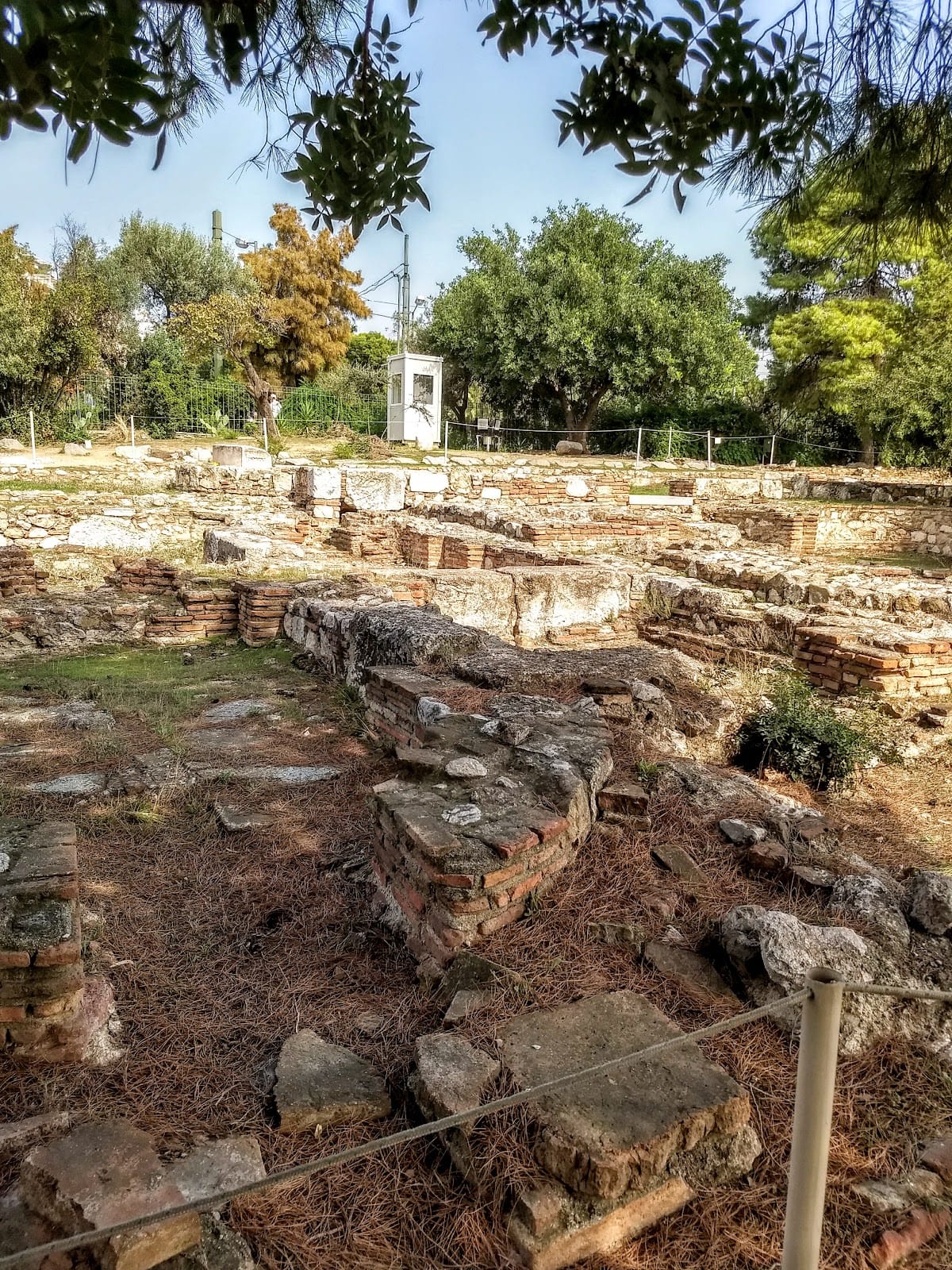
The archaeological site lies within the grounds of the Zappeion, a nineteenth-century neoclassical exhibition and conference building surrounded by the Zappeion Gardens. The baths extend eastward into the National Garden and westward along Vassilissis Amalias Avenue. The main excavated area occupies a level strip about 21 metres wide between two long, high walls built with finely constructed masonry that incorporates numerous reused architectural elements.
Bathing rooms and heating system
The well-preserved complex contains nine chambers, two hypocaust rooms, and two heating spaces. A hypocaust was an underfloor heating system in which furnace air moved beneath a raised floor. The larger hypocaust has fifteen supports, both cylindrical and square, and heated the hot bathing room, or caldarium.
North of the larger hypocaust is an oblong room supported by seventeen marble columns. This room served for warm bathing and was the lepidarium, the warm room of a Roman bath. The two furnaces were linked to the hot room by underground vaulted passages. Hot air passed through three small chambers, while vertical openings ventilated the spaces and warmed the walls.
Water installations
A large rectangular tank from the first bathhouse phase was built with a thick inner coating of hydraulic plaster and an exterior faced with marble slabs. Two openings supplied water to a pair of marble basins, forming part of the complex’s original water system.
Later chambers and storage
One of the four later chambers was placed underground beneath a vaulted roof, a curved roof formed by an arching structural surface, and contained a well for drawing water. Painted walls in these chambers point to their early Christian use as a refuge or a memorial to martyrs.
Clay silos inserted into the bathhouse floors during the Byzantine period survive in the southern part of the archaeological site, where some have been restored. The Roman and later remains are conserved in place beneath the protective roof.