Loučeň Castle: A Baroque Residence in Czechia
Site at a Glance
- Rating
- 4.6
- Popularity
- Very High
- Country
- Czechia
- Primary era
- Early Modern
- Eras represented
- Early Modern, Modern
- Civilizations
- Austrian Empire, Habsburg, Habsburg Austria, Holy Roman Empire, Kingdom of Bohemia
- Site type
- Domestic
- Remains
- Castle
On this page5 sections
History
Baroque origins and early ownership
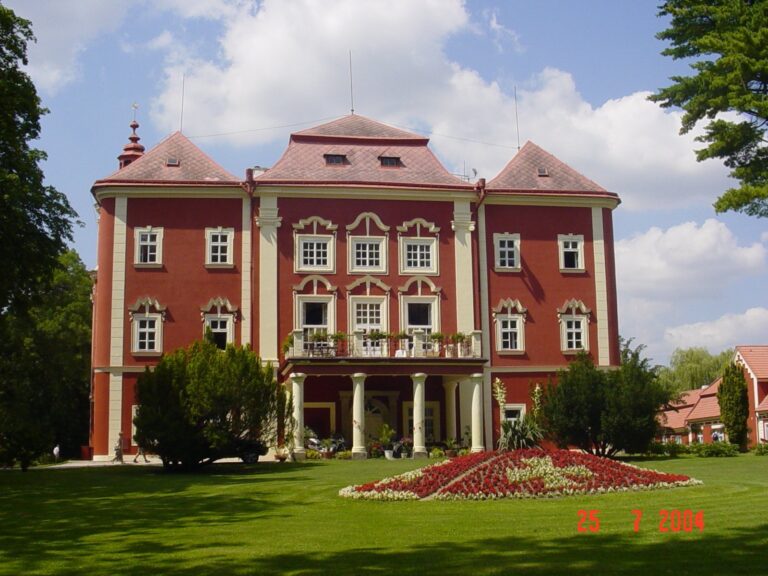
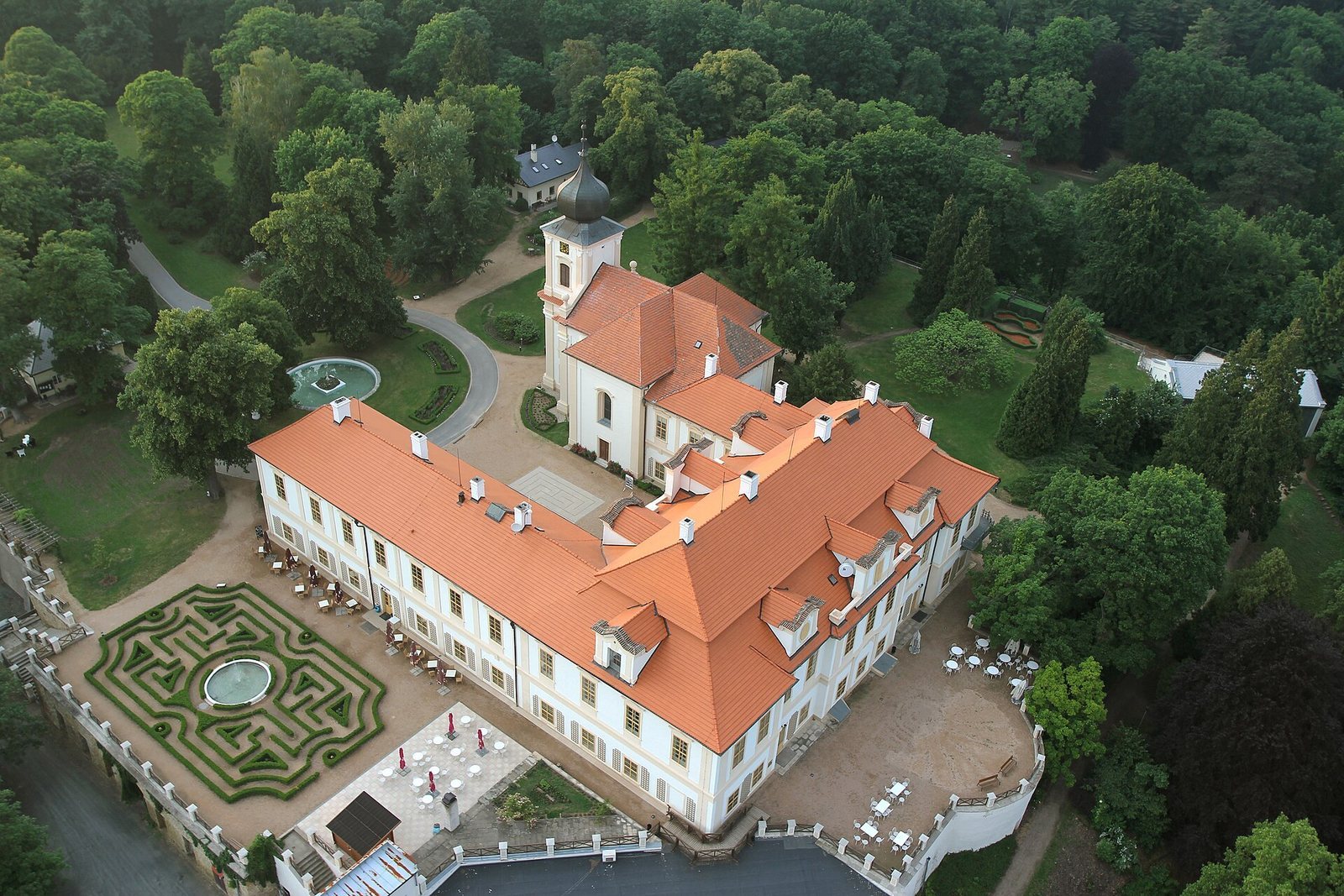
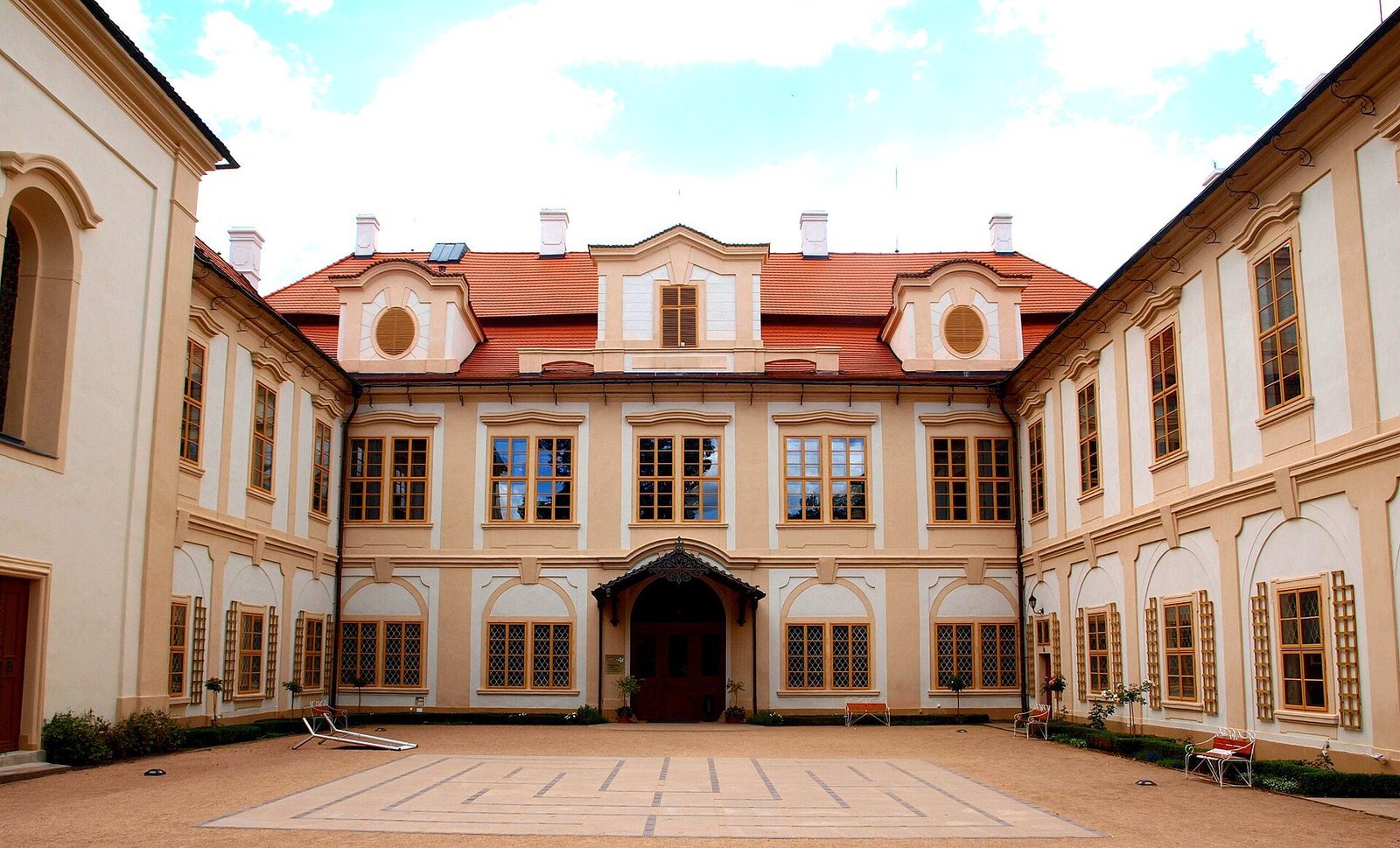
Loučeň Castle is a Baroque residence in Czechia, built by Czech architect František Maxmilián Kaňka from 1704 to 1713 after an earlier fortified residence had preceded it. Baroque was a European artistic and architectural style prominent from the late sixteenth to the eighteenth century. The castle initially belonged to the Waldstein family. In 1809, it passed to the Bohemian branch of the Thurn und Taxis family.
Thurn und Taxis residence
The Thurn und Taxis family owned the castle until World War II. Its last residents were Alexander and Marie von Thurn und Taxis. Marie, a princess and arts enthusiast, hosted the American writer Mark Twain and his family in May 1899. The poet Rainer Maria Rilke stayed at the castle in 1910 and 1911 at her invitation.
Cold War use and restoration
During the Cold War, the postwar rivalry between the Soviet-led bloc and Western powers, the castle served as a barracks. A listening post operated in its basement for the Warsaw Pact, the Soviet-led military alliance, and monitored NATO maneuvers, or exercises by the Western alliance. The original furnishings were almost entirely destroyed or looted. Restoration of the exterior has taken place since 2007.
Remains
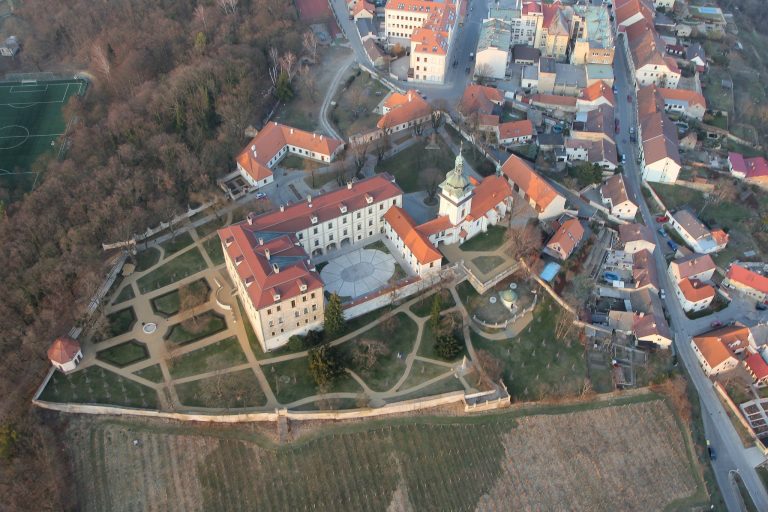
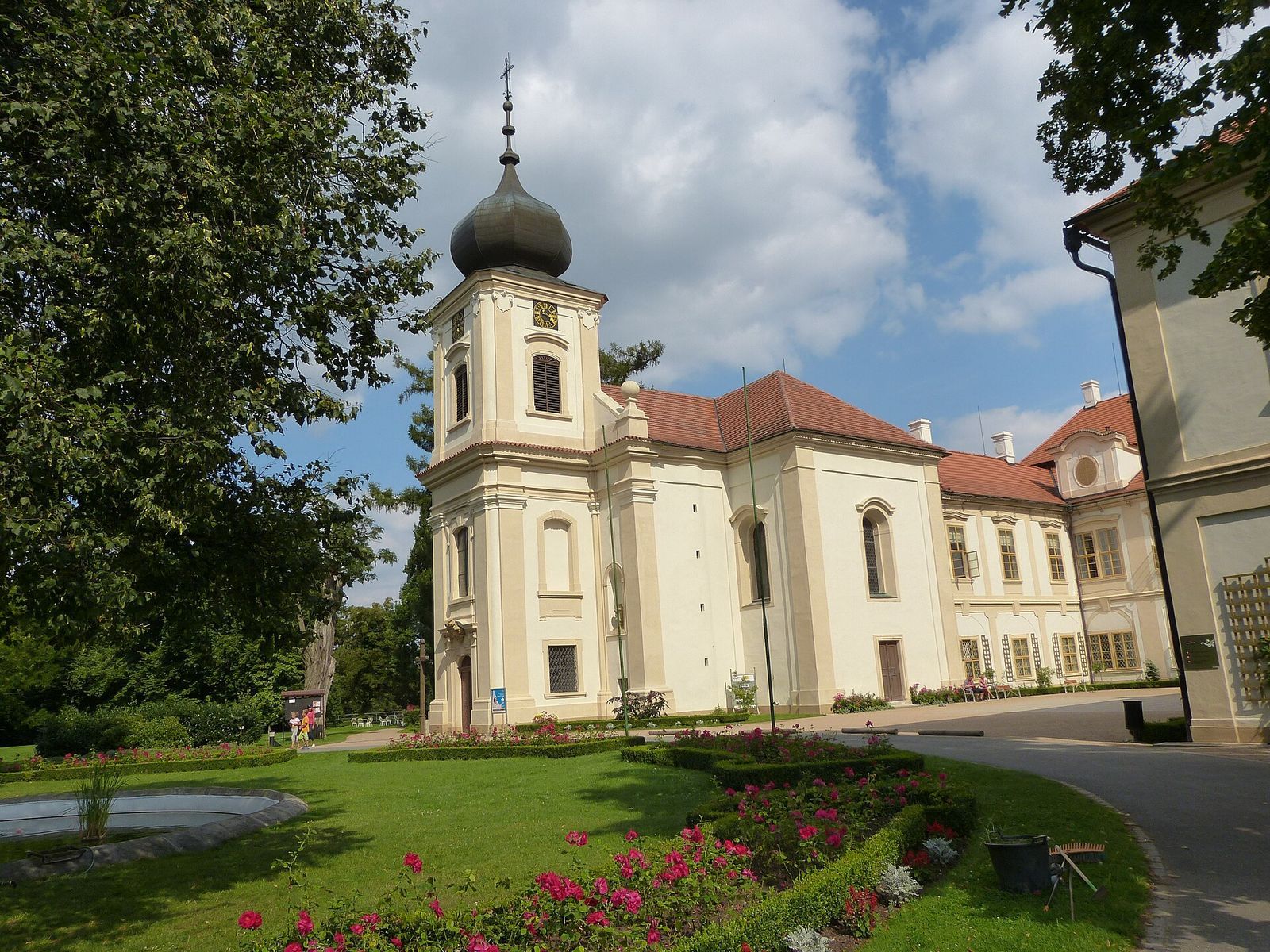
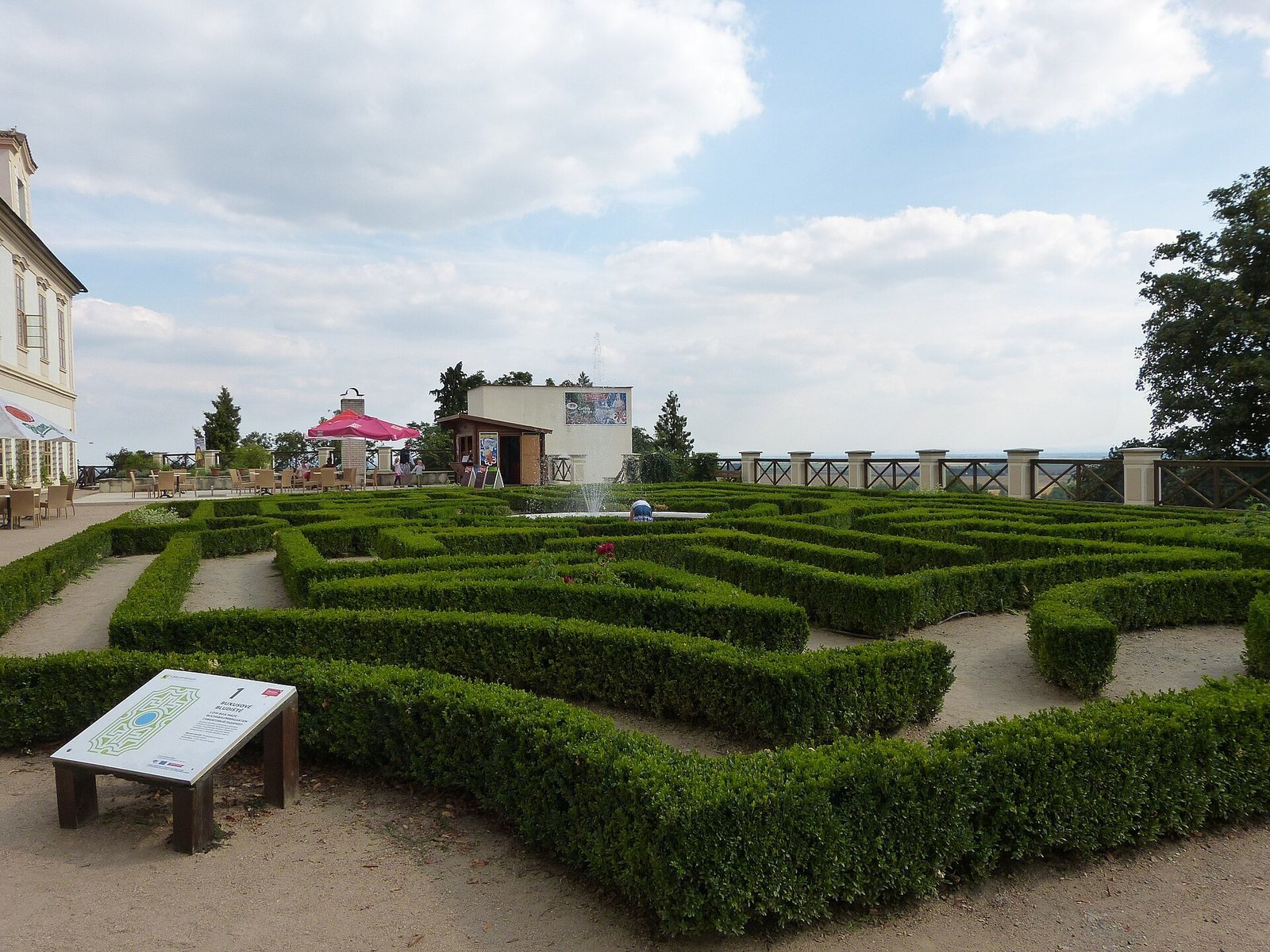
The Baroque castle is a single-storey building with three wings arranged in a U shape and a church attached to it. Around 1828, the grounds were laid out as an English landscape garden, a style using informal arrangements to evoke natural scenery. Several mazes are also part of the grounds.