Yukinoyama Kofun: An Early Fourth-Century Burial Mound in Japan
Site at a Glance
- Rating
- 3.9
- Popularity
- Low
- Country
- Japan
- Primary era
- Classical
- External website
- Open
- Eras represented
- Classical
- Civilizations
- Yamato
- Site type
- Burial
- Remains
- Burial Mound
On this page12 sections
History
Kofun-period burial
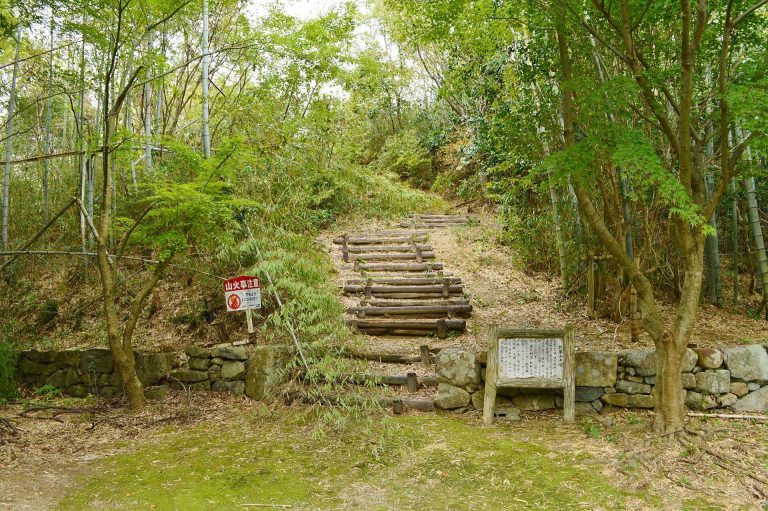
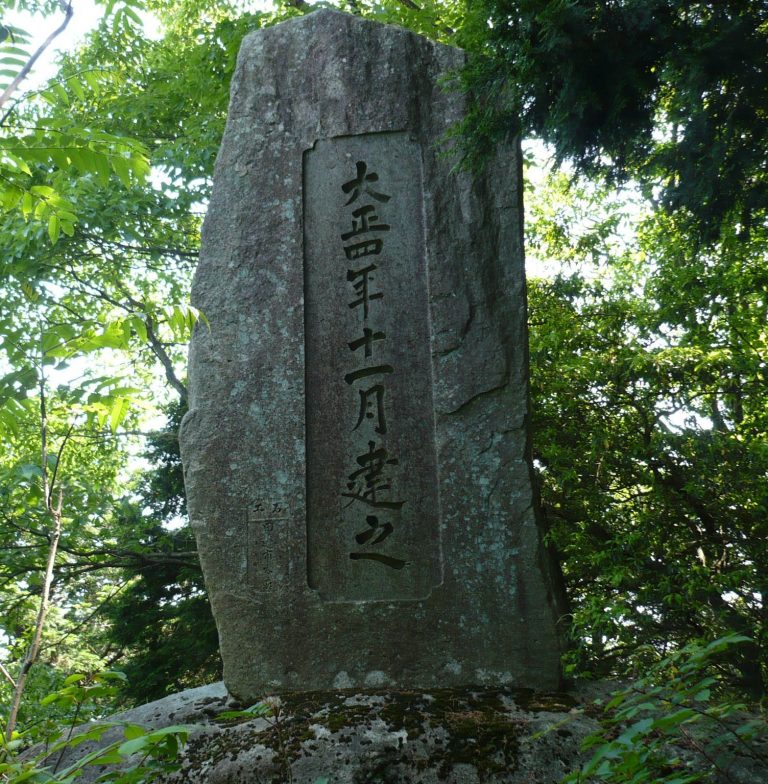
Yukinoyama Kofun is a burial mound dating to the early fourth century, on Mount Yukino in Shinmakicho, Omihachiman, Shiga Prefecture, Japan. It belongs to the Kofun period, named for the large tombs built for influential people in early Japanese history. The grave goods’ forms provide the basis for its date, while the identity of the person buried there remains unknown.
Sengoku-period reuse
During the Sengoku period, an era of conflict among Japan’s regional warrior powers, the mound was adapted for use as Yukinoyama Castle. It became a retreat stronghold for the Goto family, senior retainers of the Rokkaku warrior clan. The family’s main base was the Goto residence at the mountain’s northern foot.
Excavation and designation
The mound was discovered in the summer of 1989, followed by four rounds of excavation between 1989 and 1992. Yukinoyama Kofun became a National Historic Site in 2014, a designation recognizing historically important places. Its recovered artifacts were collectively designated a National Important Cultural Property in 2001, a status for culturally significant objects. They are kept at the Higashiōmi Buried Artifacts Cultural Center.
Remains
The mound
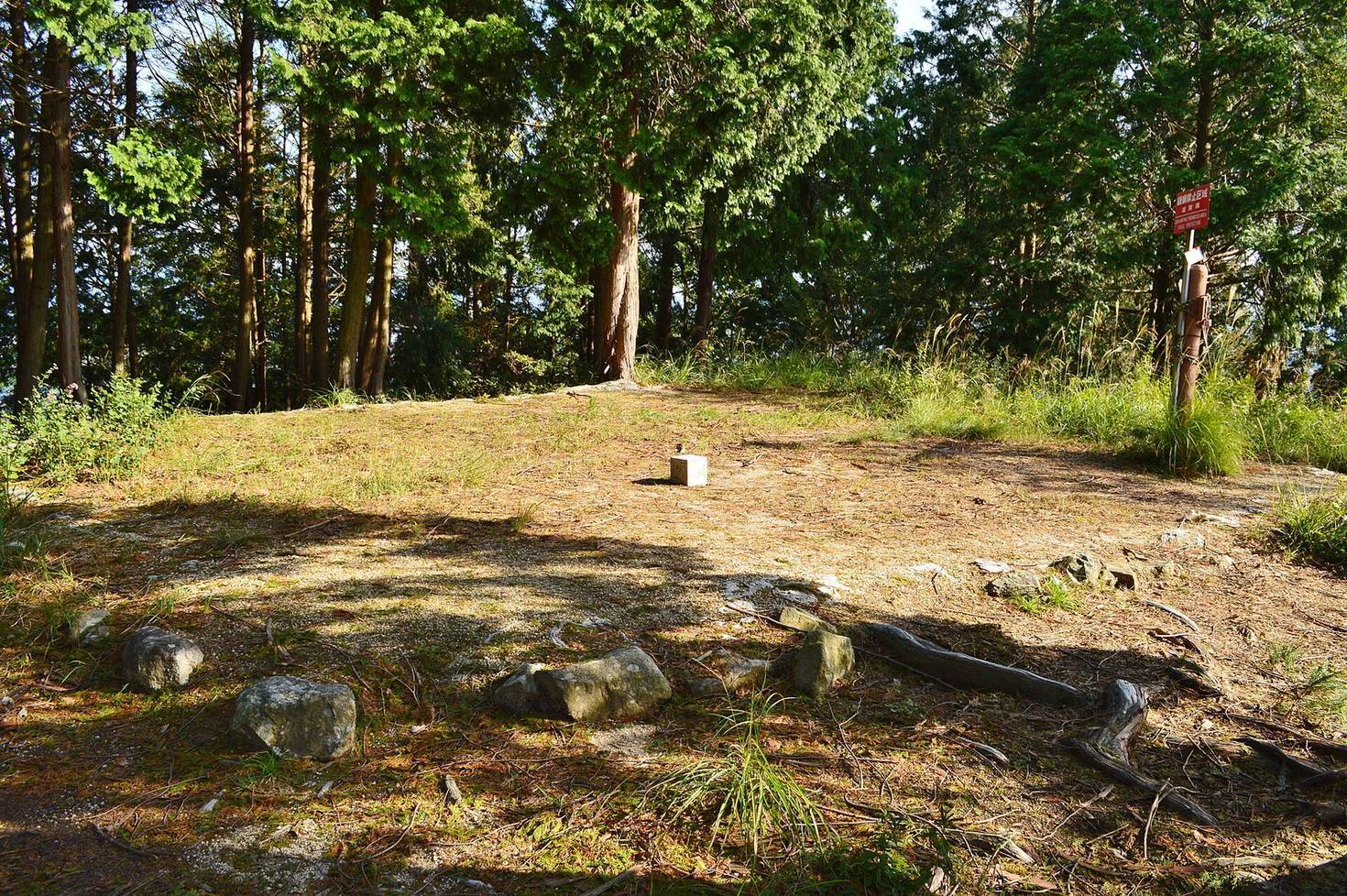
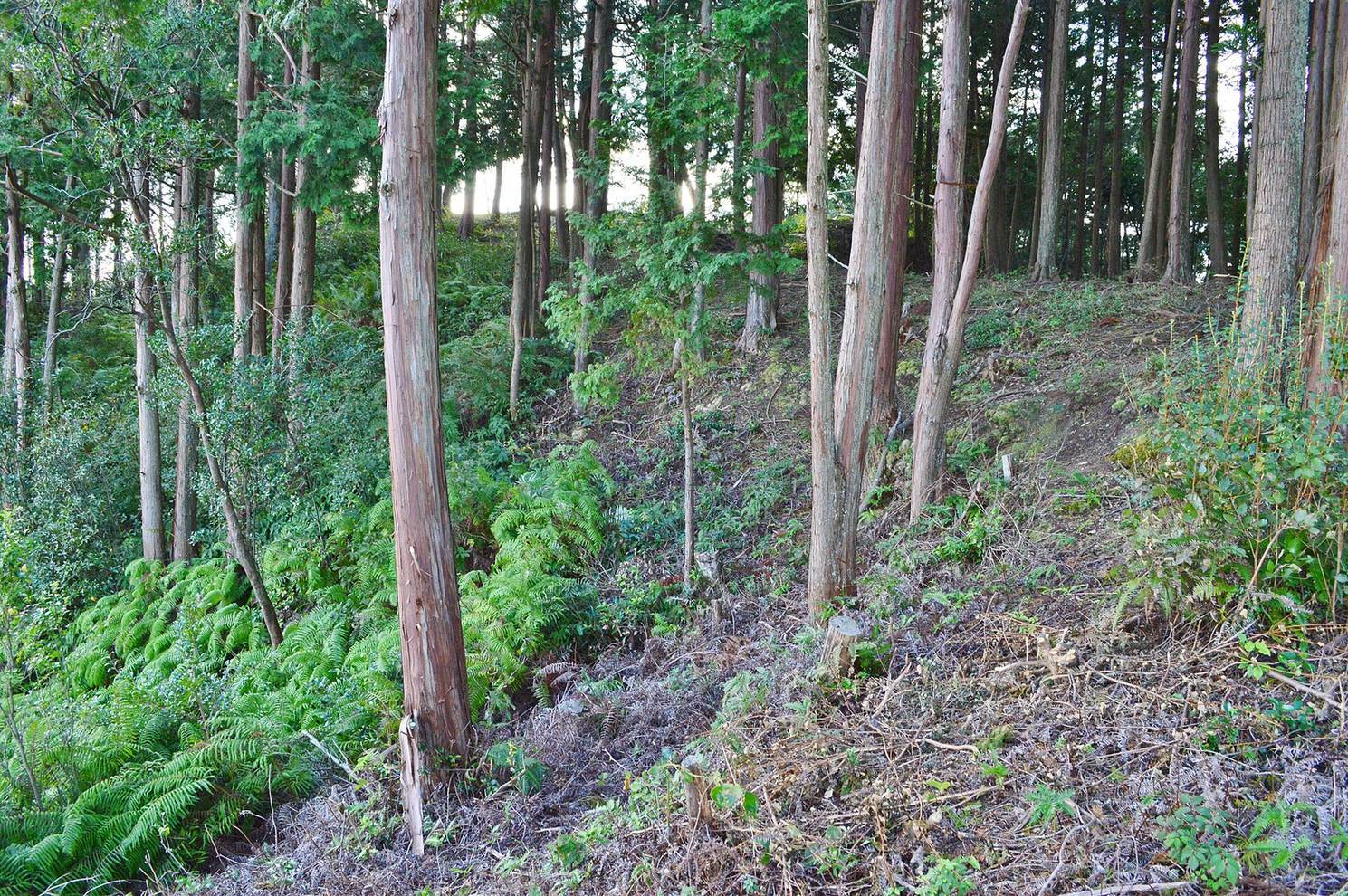
Mount Yukino is an independent hill on the Koto Plain, southeast of Lake Biwa. It reaches 308.82 metres in height, and the mound’s summit is about 200 metres above the mountain’s foot. The site extends across Ōmihachiman, Higashiōmi and Ryūō. The 70-metre-long mound faces north-northeast, parallel to Lake Biwa, and has a circular rear section and a rectangular front. The rear is 40 metres in diameter and more than 4.5 metres high; the front measures 30 metres long and 2.5 metres high. The rear rises in two tiers and is covered with stones. Parts of its lower tier and the front end of the rectangular section are cut into local Koto rhyolite, a volcanic rock, rather than built up from earth. In the later castle, the circular rear section served as the inner bailey, the principal enclosed area.
Burial chamber and grave goods
Stone chamber and burial pit
Two burial chambers lie east–west across the top of the circular mound. The eastern chamber, thought to be the earlier one, was excavated. It is a stone chamber set in a pit, aligned north–south, and measures 6.10 metres long and 1.60 metres high. Its width narrows from 1.55 metres at the north end to 1.35 metres at the south. Builders used mostly irregular local rhyolite blocks. The upper part of the walls is nearly upright, while the lower part angles slightly inward; red iron-oxide pigment coats the chamber. The burial pit has an upper section measuring 10.6 by 7.0 metres and a lower section measuring 8.6 by 4.8 metres. Its floor was clay.
Coffin and burial arrangement
Traces indicate a boat-shaped wooden coffin about 5.2 metres long. It was about 0.9 metres wide at the north end and at least 0.8 metres wide at the south. Semicircular projections at both ends provided for rope lashings, and two partition boards divided the interior into three compartments. The chamber’s stonework suggests that grave goods and the coffin lid were put in place after the walls had been raised to roughly half their height.
Mirrors and coffin contents
In the central compartment, unsheathed swords wrapped in cloth lay on either side of the deceased. Three bronze mirrors were placed to the north and two to the south. Four are thought to have rested against the north–south partitions, reflective sides facing the deceased; the remaining northern mirror lay face down. The group comprises two triangular-rimmed deity-and-beast mirrors, one triangular-rimmed coiled-dragon mirror and two mirrors with inward-facing floral designs. One deity-and-beast mirror has an inscription around its design and is of a relatively early form. The mirrors are Japanese-made imitations of Chinese examples; Japanese-made mirrors began to be included in burials as grave goods in the fourth century.
Jasper objects and other equipment
Jasper objects include hoe-shaped forms, a koto-bridge-shaped object and a spindle-whorl-shaped object, as well as beads. The hoe-shaped pieces imitate shell bracelets and represent an early form of this artifact type. The koto-bridge-shaped object, modeled on earlier ornaments made from deer antler, is thought to have decorated the head of a staff; it has a hole below its shaft. The spindle-whorl-shaped object imitates an ornament once made from cowrie shell and is thought to have been decorative rather than used for spinning. A quiver and arrows, along with the spindle-whorl-shaped object and tools, occupied the northern compartment. The tools include sickles, spear-shaped woodworking planes, chisels and knives. Iron swords, double-edged swords, arrowheads, fishing equipment and jar-shaped pottery were placed in the southern compartment.
Weapons and armor outside the coffin
Weapons and armor made up most of the objects placed outside the coffin. They included a helmet assembled from small plates joined with leather, wooden body armor, bronze and iron arrowheads, a quiver and iron swords. A comb and a wooden box with a lid were also among these objects. Several iron and bronze arrowheads lay in positions thought to indicate that they had been placed on the coffin lid.