Castelnaudary Castle: A Medieval Fortress and Later Court
Site at a Glance
- Rating
- 3.8
- Popularity
- Very Low
- Country
- France
- Primary era
- Early Modern
- Eras represented
- Medieval, Early Modern
- Civilizations
- County of Toulouse, French
- Site type
- Civic
- Remains
- Prison
On this page6 sections
History
Castelnaudary Castle is a historic fortress site in Castelnaudary, France. A medieval fortress stood on a promontory overlooking a Roman road between Narbonnaise, a Roman province in southern Gaul, and Aquitaine, a region in southwestern Gaul. The site is mentioned from the twelfth century, while the château is assigned a sixteenth-century construction date. The fortress gave the town its name: the medieval form Castellum Novum Arii developed into the Occitan Castèlnòu d’Arri and then modern Castelnaudary.
Medieval fortress and the Albigensian Crusade
The fortress served as a center for Cathar teaching. Catharism was a medieval Christian movement regarded as heretical by the Catholic Church, and the Albigensian Crusade was the campaign against it in southern France. In 1211, the French noble and military leader Simon de Montfort sought to enter the fortress. In 1220, Raymond VI, Count of Toulouse, tried to drive Simon out and recover his property.
After these conflicts, the fortified settlement gradually developed into a borough. Under the Treaty of Paris in 1229, the County of Toulouse passed to the French Crown, and the castle was razed along with thirty other regional fortifications. These strongholds had sheltered people regarded as heretics, whether definitively or only on suspicion.
War, royal administration, and later uses
In 1355, during the Hundred Years’ War, a prolonged conflict between the English and French crowns, the Black Prince burned the town to punish rebels. The Black Prince was Edward, Prince of Wales, an English military commander and son of Edward III.
In 1477, Louis XI created the County of Lauragais as part of an administrative reorganization. Catherine de’ Medici, later its countess, made Castelnaudary the seat of its seneschalcy, an administrative and judicial district overseen by a royal official called a seneschal. This helped strengthen the town’s standing. The château’s assigned sixteenth-century construction date comes later than the medieval fortress at the site.
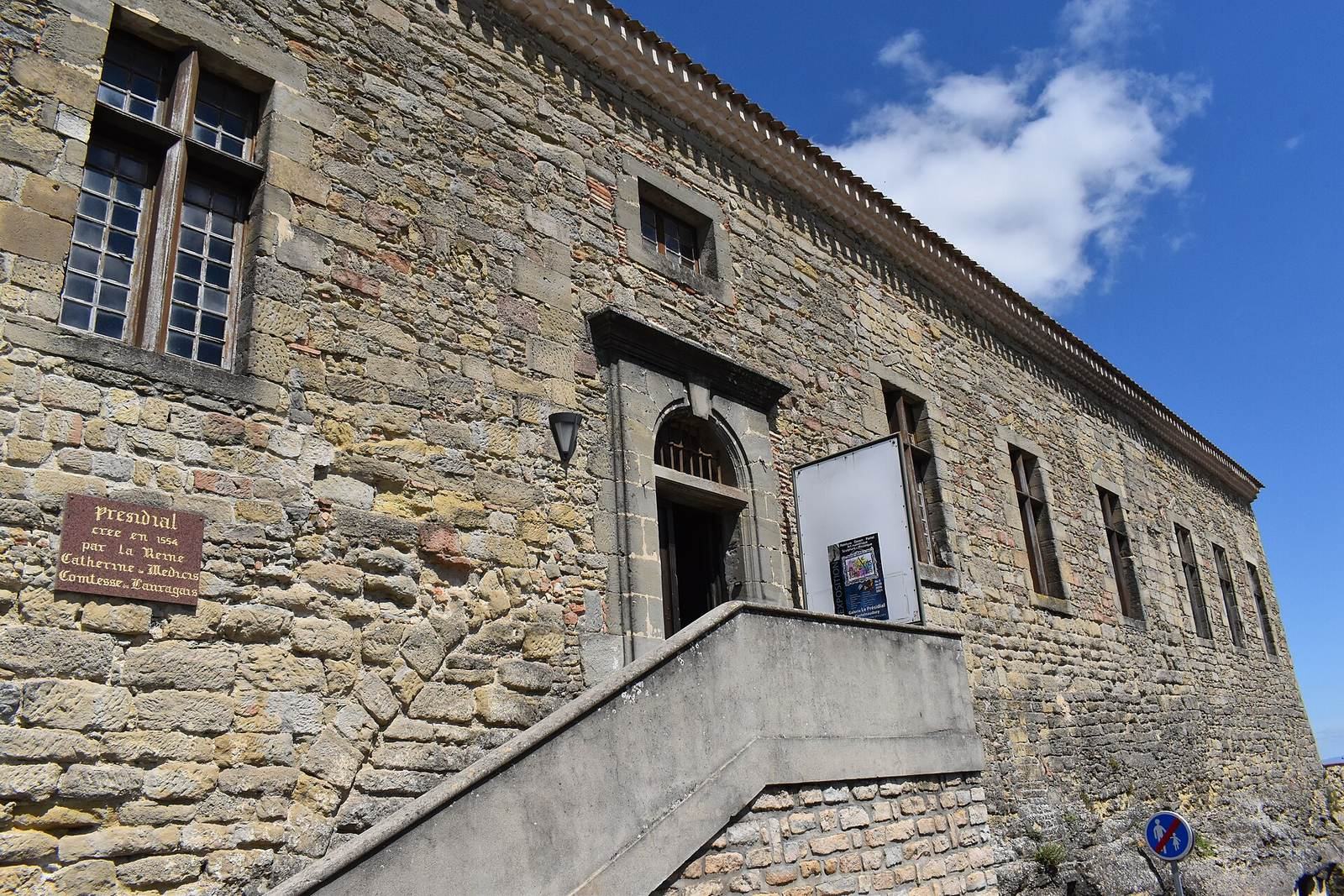
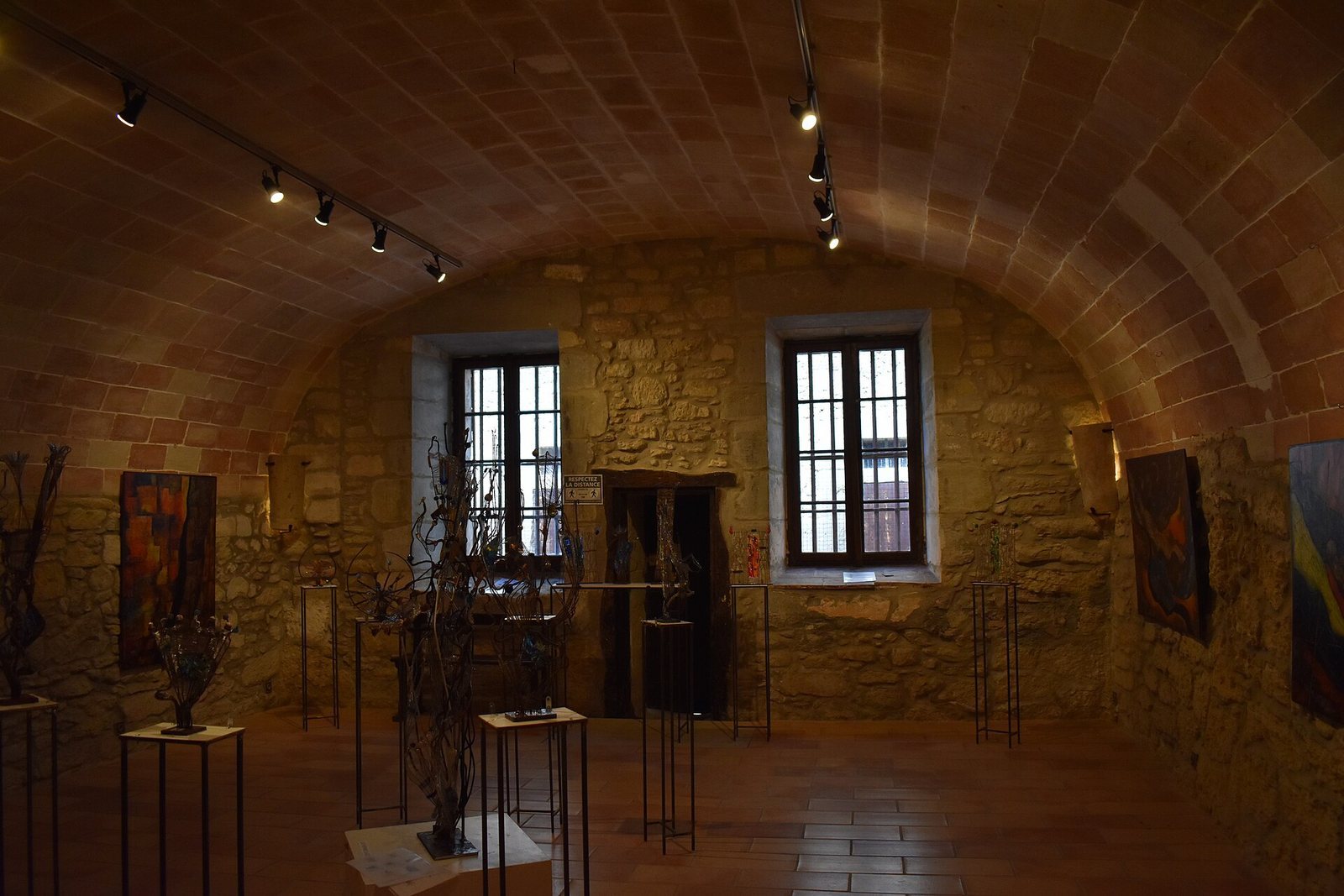
The château was reused as a Présidial, a French royal court with civil and criminal jurisdiction, until the French Revolution. It was then converted into a detention center for minor offenses, and its prison cells remained in use until 1926. The former court now serves as a primary school, while the former prison houses a museum. The commune owns the château, part of which was protected as a historic monument in 1948.
Remains
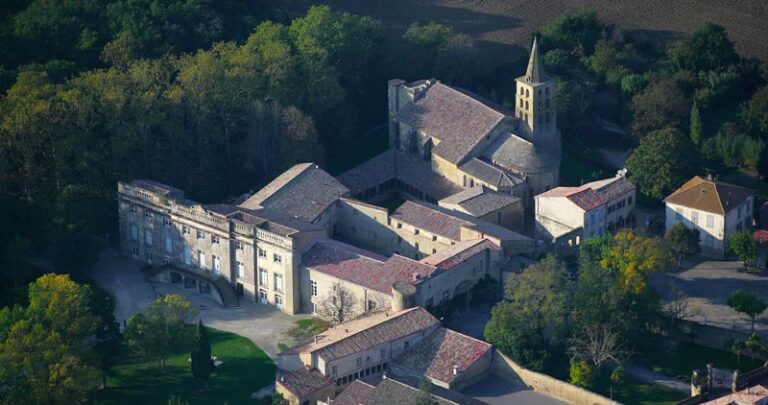
The physical remains include foundations formed from castle ruins, the former court building with a dressed-stone façade, and the former prison, which contains a small chapel.
Former Présidial
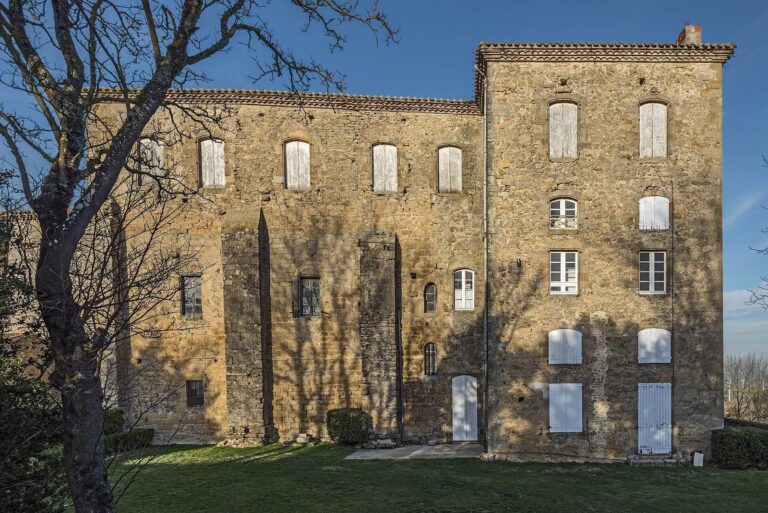
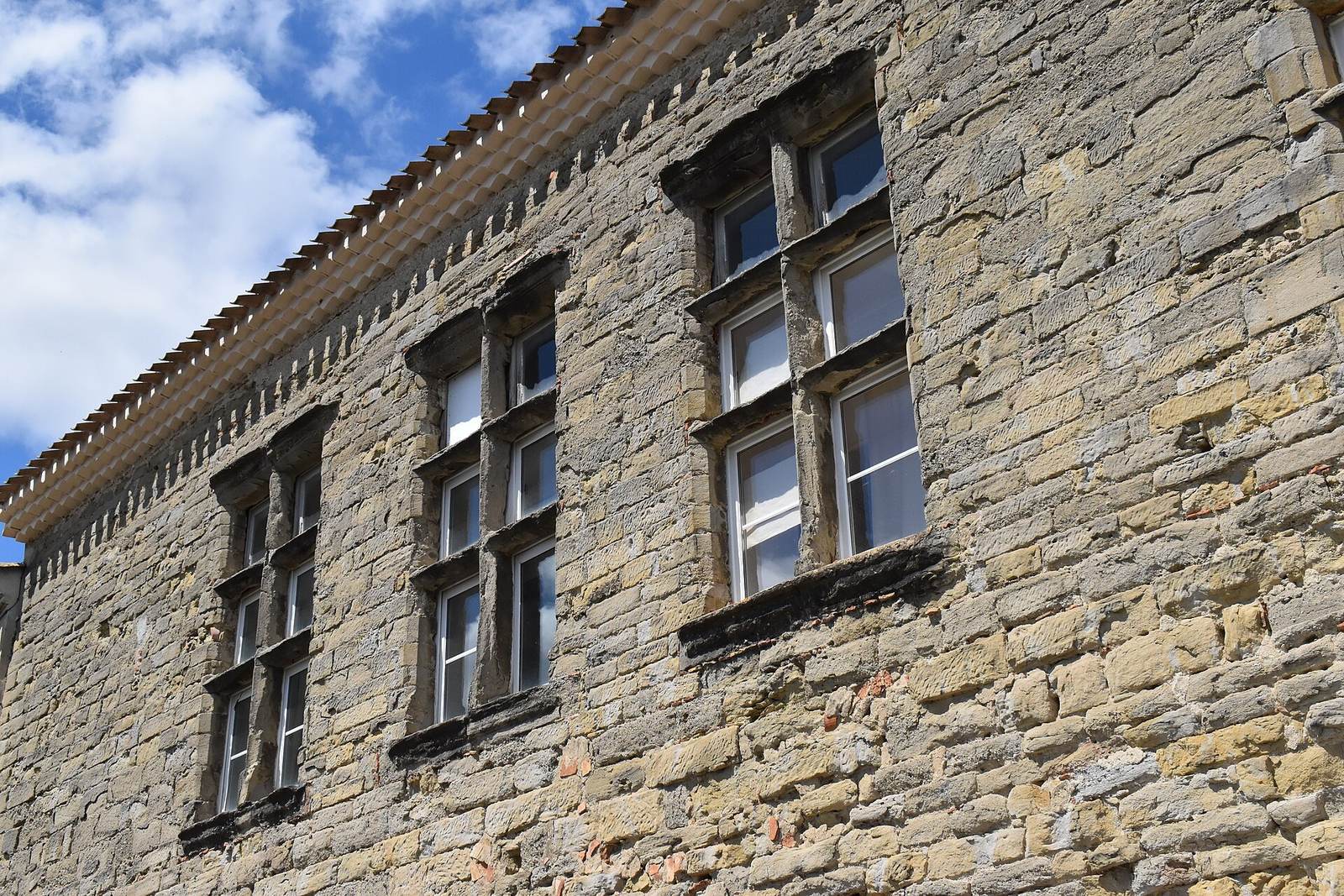
The castle ruins provided the foundations for the former Présidial. Its façade is built of dressed stone and has four windows divided by vertical mullions and horizontal transoms. The roof was also included in the 1948 protection.
Former prison and chapel
A small chapel dedicated to Saint Peter survives within the former prison. It contains two eighteenth-century reliquary busts, sculpted busts that contain or display religious relics.