Yuge-dera ato: A Buddhist Temple Site in Yao, Japan
Site at a Glance
- Rating
- 3.8
- Popularity
- Very Low
- Country
- Japan
- Primary era
- Medieval
- External website
- Open
- Eras represented
- Medieval
- Civilizations
- Yamato
- Site type
- Religious
- Remains
- Temple
On this page9 sections
History
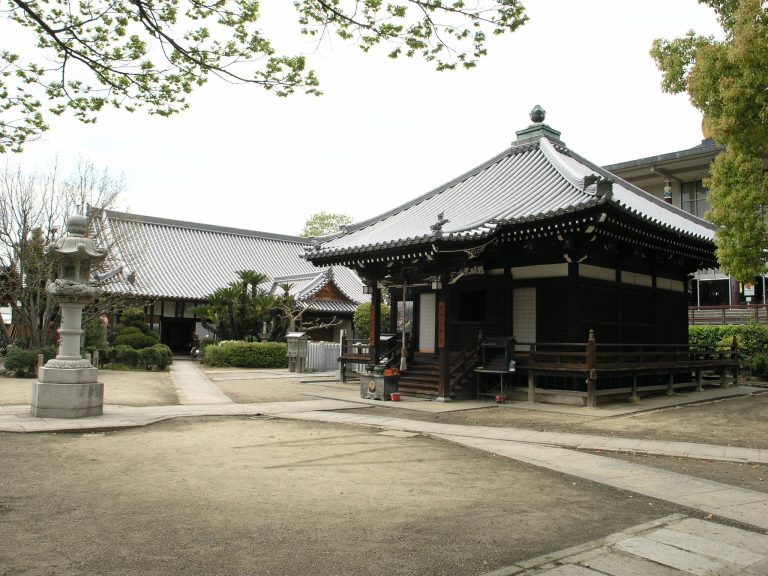
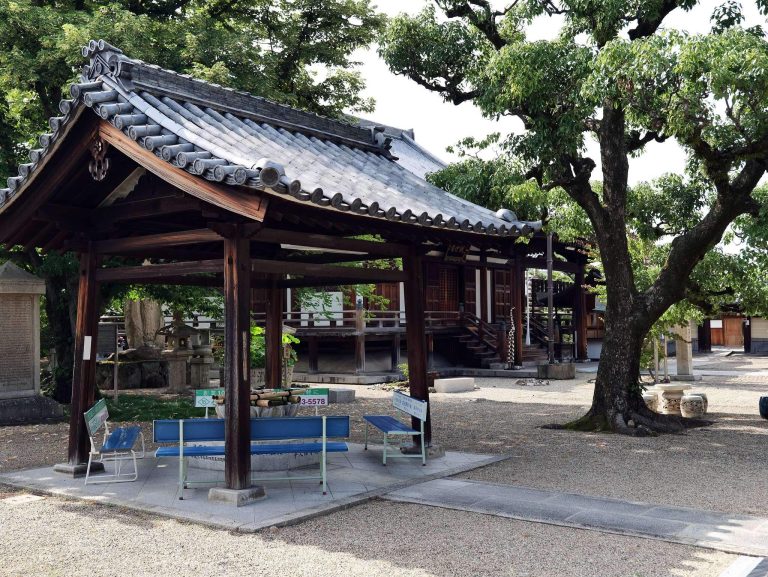
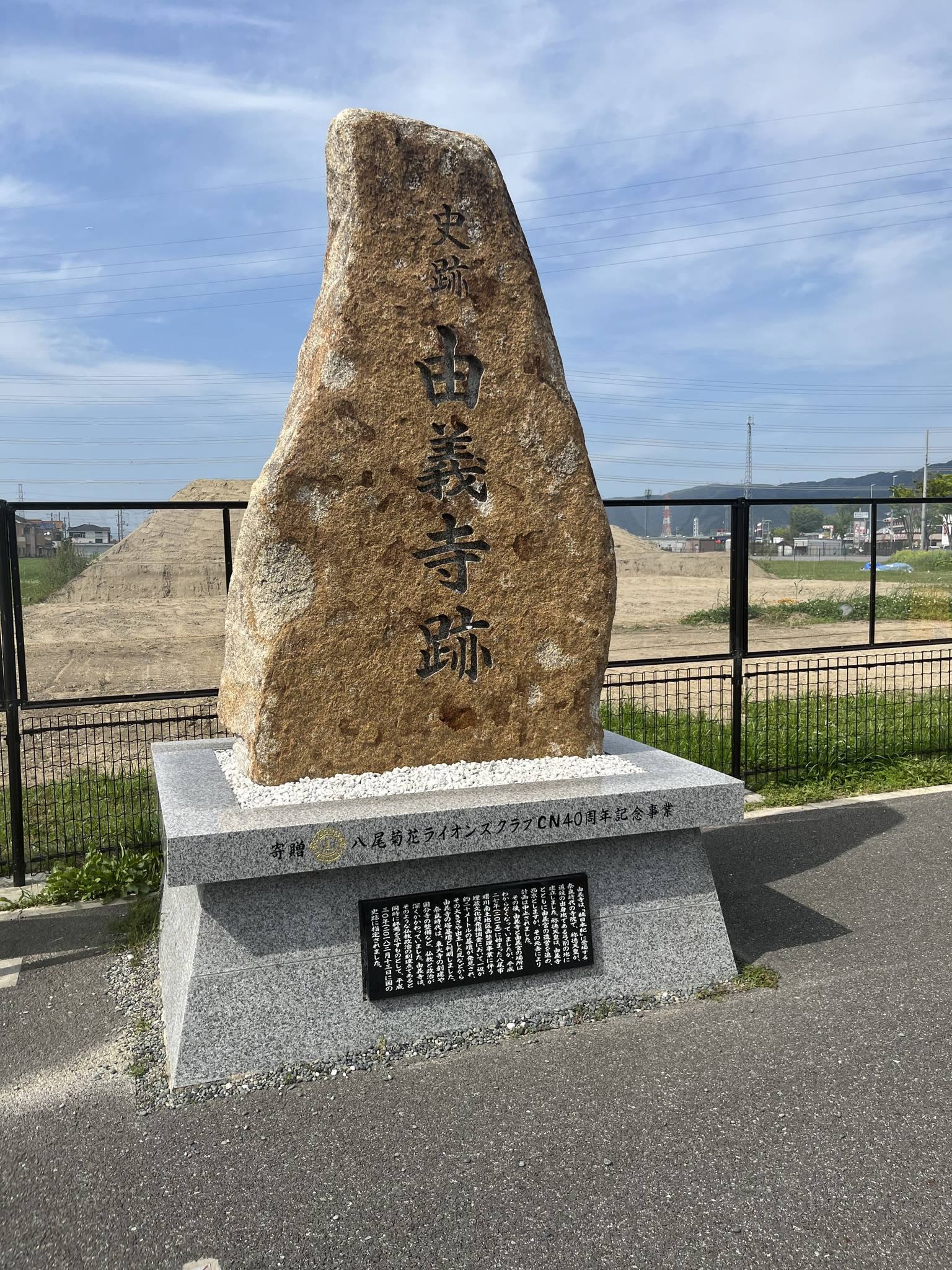
Yuge-dera ato is a Buddhist temple site in Yao, Japan, associated with the Yuge clan and its homeland in former Yuge-go, Wakae District, Kawachi Province. Its foundation date is unknown, but the temple flourished during the Nara period, the eighth-century era of Japan’s centralized imperial state, when major Buddhist institutions received court and provincial support.
The Yuge clan and the temple’s early prominence
The area around the temple was the ancestral homeland of the Yuge clan, and Yuge-dera is thought to have served as the clan’s temple, supported by the lineage for religious and commemorative activities. The two Yuge Shrines listed in the Engishiki shrine register for the district are likewise understood to have been connected with the clan’s deities. One stood in present-day Yuge and the other in Higashiyuge.
Yuge-dera first appears in a record dated December 30, 742, which names the temple and a monk associated with it. The Shoku Nihongi, an official imperial chronicle covering events through the late eighth century, records that Empress Shōtoku held a Buddhist devotional service at the temple in 765 and granted it a food stipend from 200 households.
Imperial projects and decline
In 770, an imperial order called for a pagoda to be built at Yuge-dera, although the completion date is not given. Around the same time, the Yuge-no-miya palace was established nearby as part of a planned western capital called Nishi-no-kyō, meaning “western capital.” The project was intended to rival or replace Heijō-kyō, the imperial capital at present-day Nara.
The temple’s expansion is thought to have accompanied the rise of Dōkyō, an eighth-century Buddhist monk and influential court figure closely associated with Empress Shōtoku. After Dōkyō fell from power and was exiled, the planned western capital was abandoned, and Yuge-dera appears to have declined. Its subsequent history remains unclear.
Two later identifications remain interpretive. One connects Yuge-dera with Ryuge-dera, mentioned in the Shoku Nihongi. Another links it with a Yuge-dera named in a document from 1186. Neither proposed continuity has been established. The temple grounds became a National Historic Site of Japan on February 13, 2018.
Remains
Temple and pagoda remains
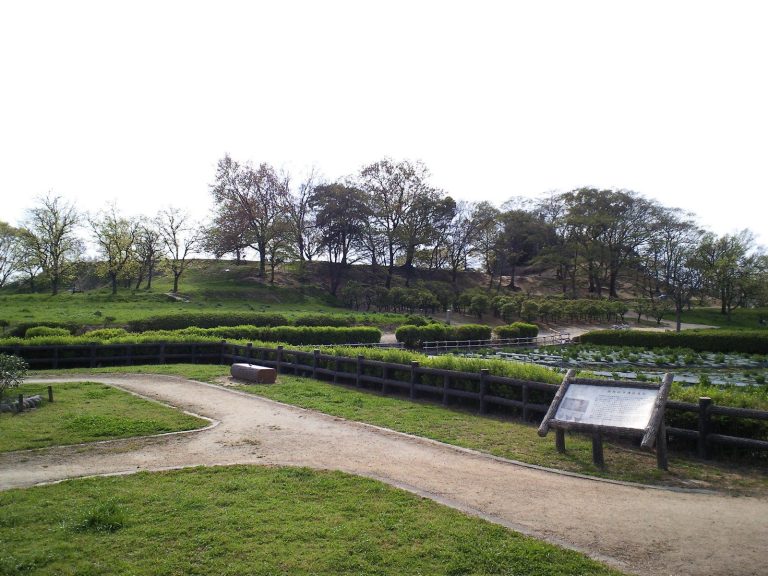
The ruins lie within the Higashiyuge archaeological site, where excavated remains have been identified with Yuge-dera. Large quantities of roof tiles dating from the latter half of the Nara period were recovered in 2016. Some belong to types also used at Tōdai-ji and Kōfuku-ji, major Buddhist temples in and around the Nara-period capital. This correspondence suggests that Yuge-dera may have been built to a standard comparable to those important institutions.
Pagoda foundation
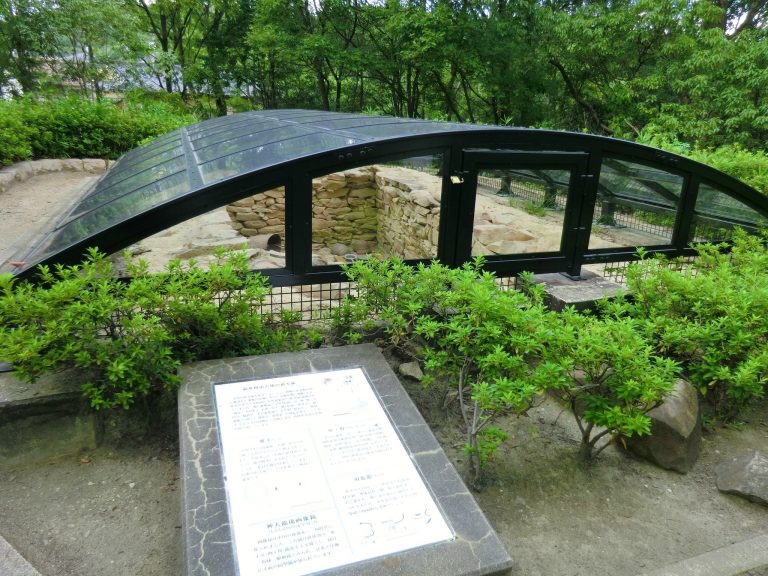
A foundation discovered in February 2017 measures approximately 20 metres on each side and is interpreted as the base of the temple’s pagoda. Its scale may have supported a seven-story structure comparable to the seven-story towers of Daian-ji and the provincial temples. Archaeological finds indicate that the pagoda was completed before it burned down sometime before the Kamakura period.
Structures linked with the western capital
Post-built buildings
Remains of buildings constructed with posts were found in August 2017 about 500 metres northeast of the pagoda foundation. These structures may have been connected with Yuge-no-miya, the palace established during the plan for Nishi-no-kyō.
Artificial river
An artificial river was discovered alongside the post-built remains. It may have functioned as a canal for transporting construction materials used at Yuge-dera and Yuge-no-miya, linking the temple’s building activity with the nearby palace project.