Ichisuka Kofun Cluster: A Kofun-Period Burial-Mound Group in Osaka, Japan


Site at a Glance
- Rating
- 4
- Popularity
- Very Low
- Country
- Japan
- Primary era
- Classical
- External website
- Open
- Eras represented
- Classical, Medieval
- Civilizations
- Yamato
- Site type
- Burial
- Remains
- Necropolis
On this page8 sections
History
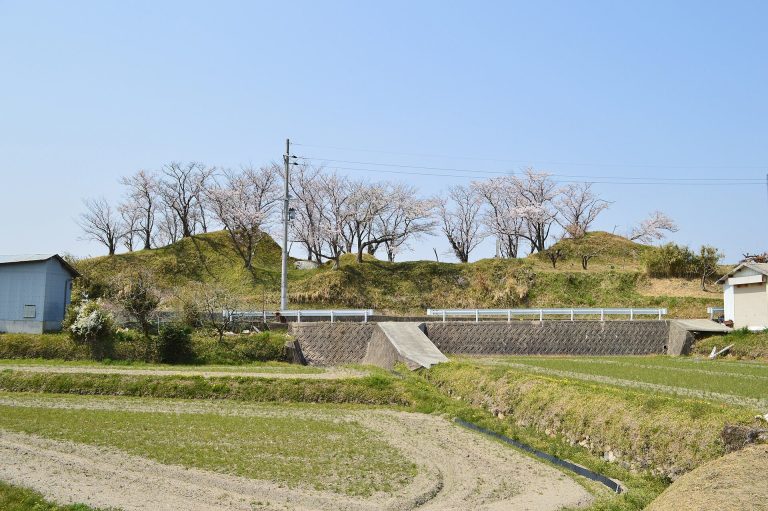
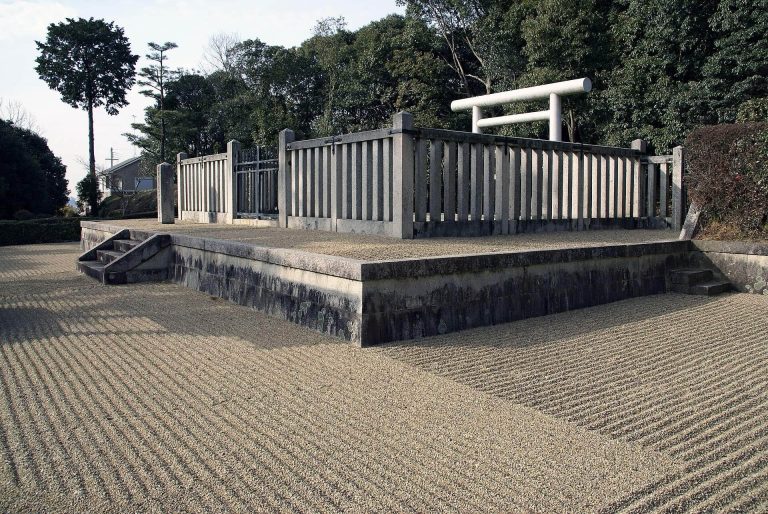
The Ichisuka Kofun Cluster is a group of Kofun-period burial mounds in Kanan, Osaka Prefecture, Japan, built between the first half of the sixth century and the first half or middle of the seventh century. A kofun is an ancient Japanese burial mound, generally constructed for an elite or otherwise socially significant burial. Spread across the hills of Hamuro in Taishi and Ichisuka and Higashiyama in Kanan, the cluster contains 262 tumuli arranged in 23 groups. Alongside the Takayasu and Hirao-yama clusters, it is regarded as one of Osaka Prefecture’s three major kofun groups.
Burial traditions and regional connections
The mounds reflect burial customs and architectural practices connected with immigrant communities from the Korean Peninsula. These links are especially associated with Baekje, an ancient Korean kingdom that maintained political, cultural, and technological connections with the Japanese archipelago, and with immigrant lineages connected to Han traditions.
The surrounding area, known historically as Chikatsu Asuka, meaning “Near Asuka,” became a settlement region for many Baekje migrants during the sixth century. The Soga clan, a powerful aristocratic lineage within the Yamato kingship, also maintained close connections with both the region and Baekje. The Yamato kingship was the early political authority centered in the Yamato region, and its relationships with southern Osaka formed part of the wider setting in which the burial cluster developed.
Research, destruction, and preservation
Archaeologist Katsumi Ueno carried out a distribution survey in 1966, publishing its results in Kodai-gaku Kenkyu number 46. Later investigations by Osaka Prefecture and Kanan Town examined approximately 70 mounds during surveys before development and during maintenance work.
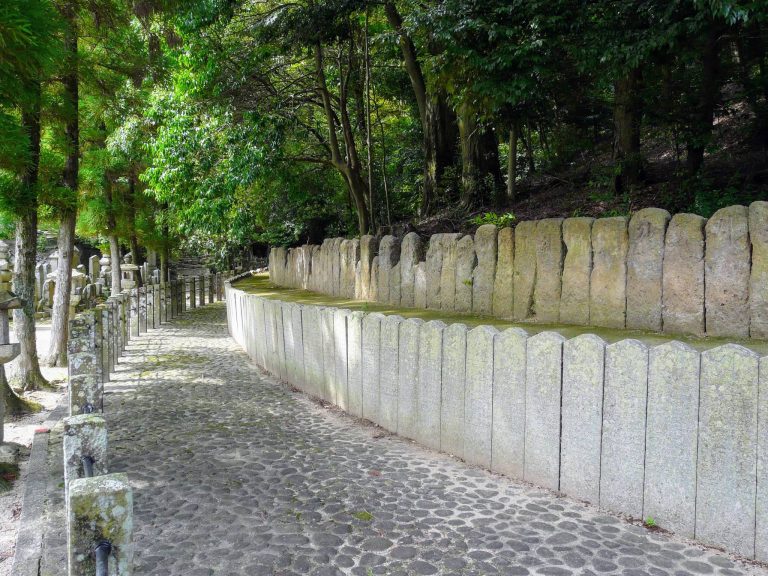
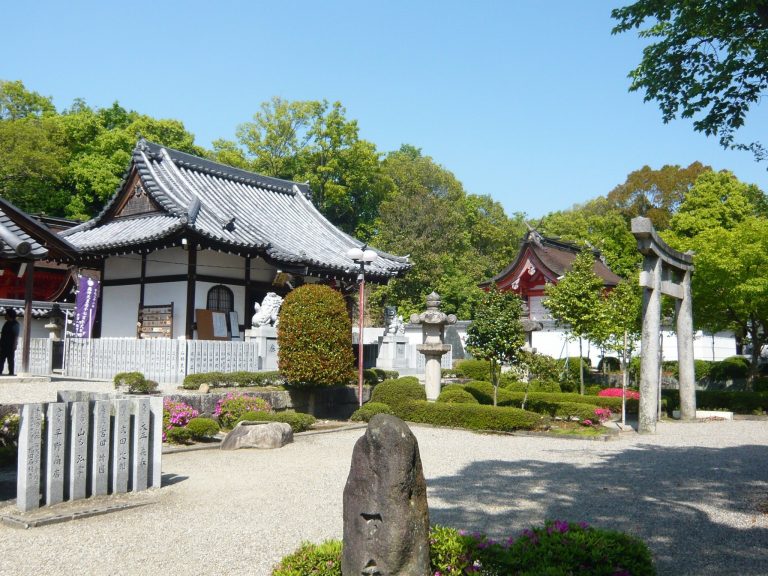
Residential development by Yamato Danchi from the mid-1960s through 1974 destroyed approximately 30 mounds on the western side of the cluster. Osaka Prefecture then purchased 29 hectares from the development company to preserve the most densely concentrated area. Of the 102 mounds protected there, 32 were prepared for public viewing, with paths laid through the site. The preserved area opened in 1986 as Chikatsu Asuka Fudoki-ga-oka Park. The Ichisuka Kofun Cluster became a National Historic Site of Japan on October 7, 1994, while some excavated finds are displayed at the adjacent Chikatsu Asuka Museum.
Remains
The cluster occupies an approximately square area measuring 1.5 kilometers on each side, with the mounds generally arranged along a north-south orientation. Most are circular enpun, meaning round burial mounds, usually about 10 to 20 meters in diameter. Another survey description places most of the smaller examples at approximately 15 to 20 meters across. A smaller number have square plans. Many mounds have lost their covering earth, leaving their underlying stone structures exposed.
Burial mounds and stone chambers
Horizontal burial chambers
Most of the burial installations are horizontal stone chambers, which are entered through a passage rather than from directly above. Some burials used a wooden coffin placed directly in the chamber, while others employed chambers designed for stone coffins. In several examples, the floor of the burial chamber lies below the floor of the entrance passage. This arrangement is considered an influence from burial traditions of the Korean Peninsula.
WA1 mound
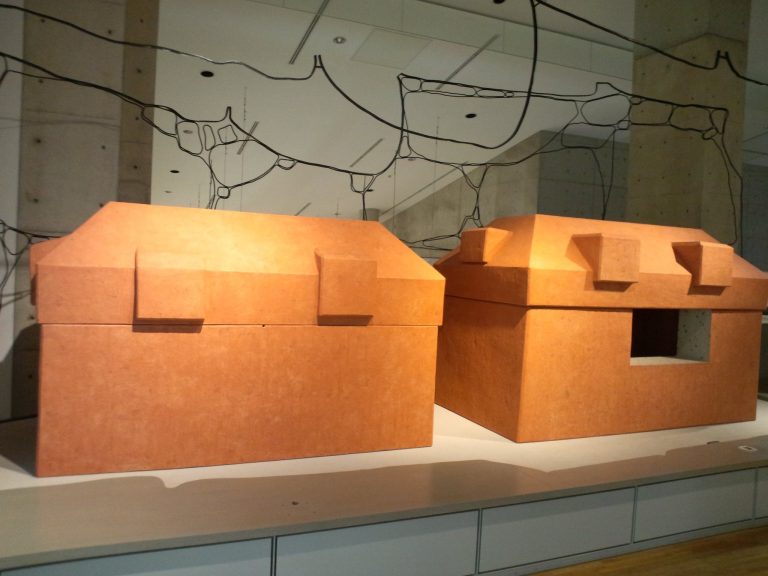
WA1 was a circular mound approximately 30 meters in diameter and was the largest mound in the cluster. Its burial included a composite stone sarcophagus shaped like a house, placed inside a horizontal stone chamber for one individual. Excavated objects included Sue pottery, a high-fired ceramic tradition of the Kofun period, and Haji pottery, a lower-fired earthenware tradition from the same broad period. Other finds included a miniature hearth, a pure-gold earring, 34 blue and 70 yellow glass beads, fragments of a gilt-bronze crown, gilt-bronze shoe fragments, and part of the pommel of a gilt-bronze sword with a single-dragon ring-shaped pommel. Horse equipment, ring-shaped fittings, an iron sword, and an iron knife were also recovered.
Ritual objects and external influences
Miniature pottery vessels shaped like rice-cooking equipment were found in 14 of the 48 investigated mounds. These objects were placed as grave goods and are interpreted as ritual implements. Korean-style pottery and pottery fragments, together with numerous objects originating outside Japan, further connect the burial customs of the cluster with communities and cultural networks extending beyond the Japanese archipelago.