Vialikaja Mićkaŭščyna Castle: A 16th-Century Fortified Site in Belarus
Site at a Glance
- Popularity
- Very Low
- Country
- Belarus
- Primary era
- Early Modern
- Eras represented
- Early Modern
- Civilizations
- Unclassified
- Site type
- Military
- Remains
- Castle
On this page8 sections
History
Foundation and possible earlier occupation
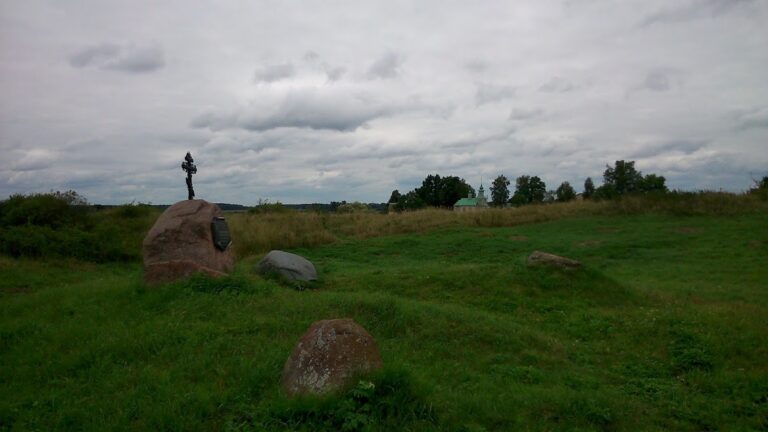
Vialikaja Mićkaŭščyna Castle was a 16th-century fortified site on the southeastern edge of the village of Vialikaja Mićkaŭščyna in Orsha district, Vitebsk Region, Belarus. Its foundation is dated to the 16th century. Excavation of the southeastern bastion in 2014 led to the hypothesis that the castle was built over a fortified settlement dating to the 12th century.
Mapping and archaeological investigation
The castle appears on an 18th-century general land-survey plan of the Orsha district, a historical administrative district known as a povet. It has featured in scholarly literature since 1873. Archaeological surveys took place in 1966, 1971, 1981, and 2002, conducted by K. P. Shut, L. D. Pobal, M. I. Lashankov, and R. Likhoshapka. In 2014, I. V. Spirin excavated the southeastern bastion, prompting the hypothesis of the earlier settlement.
Remains
Fortification layout
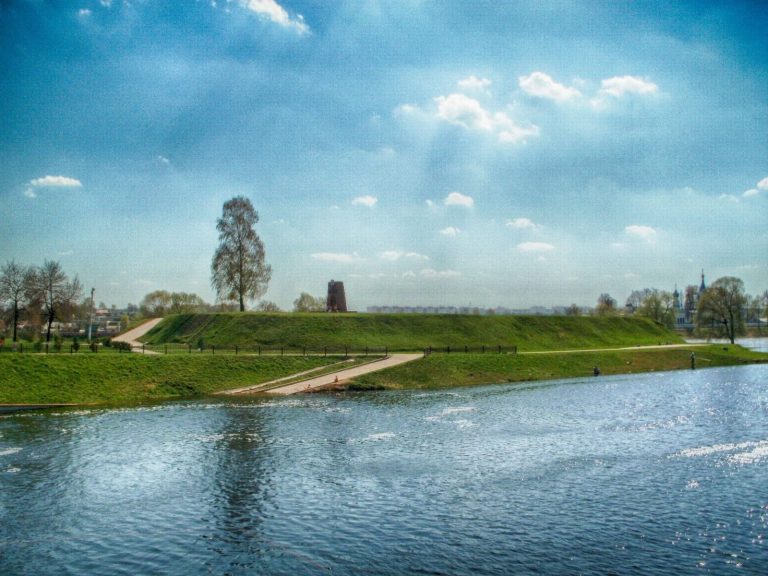
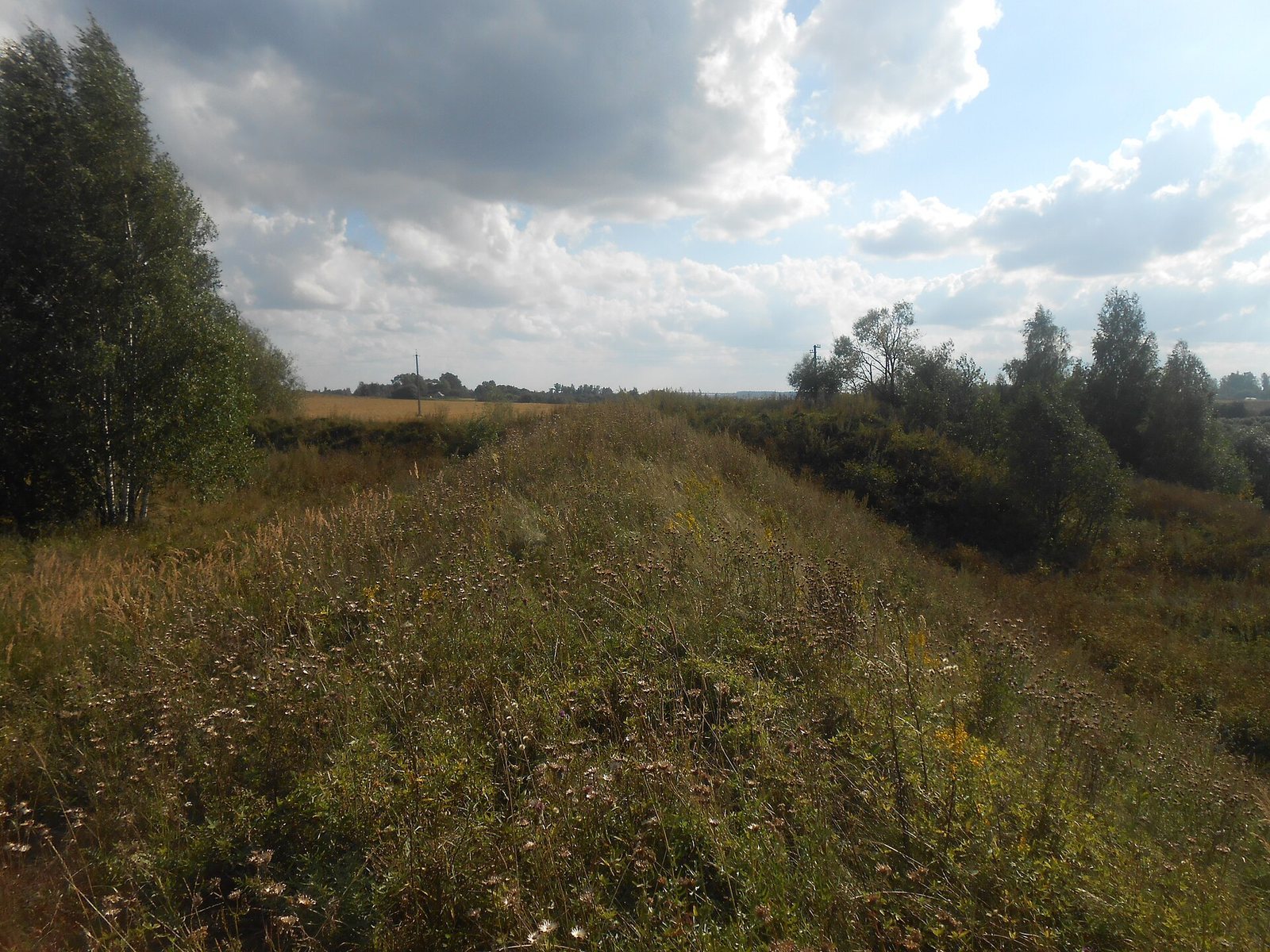
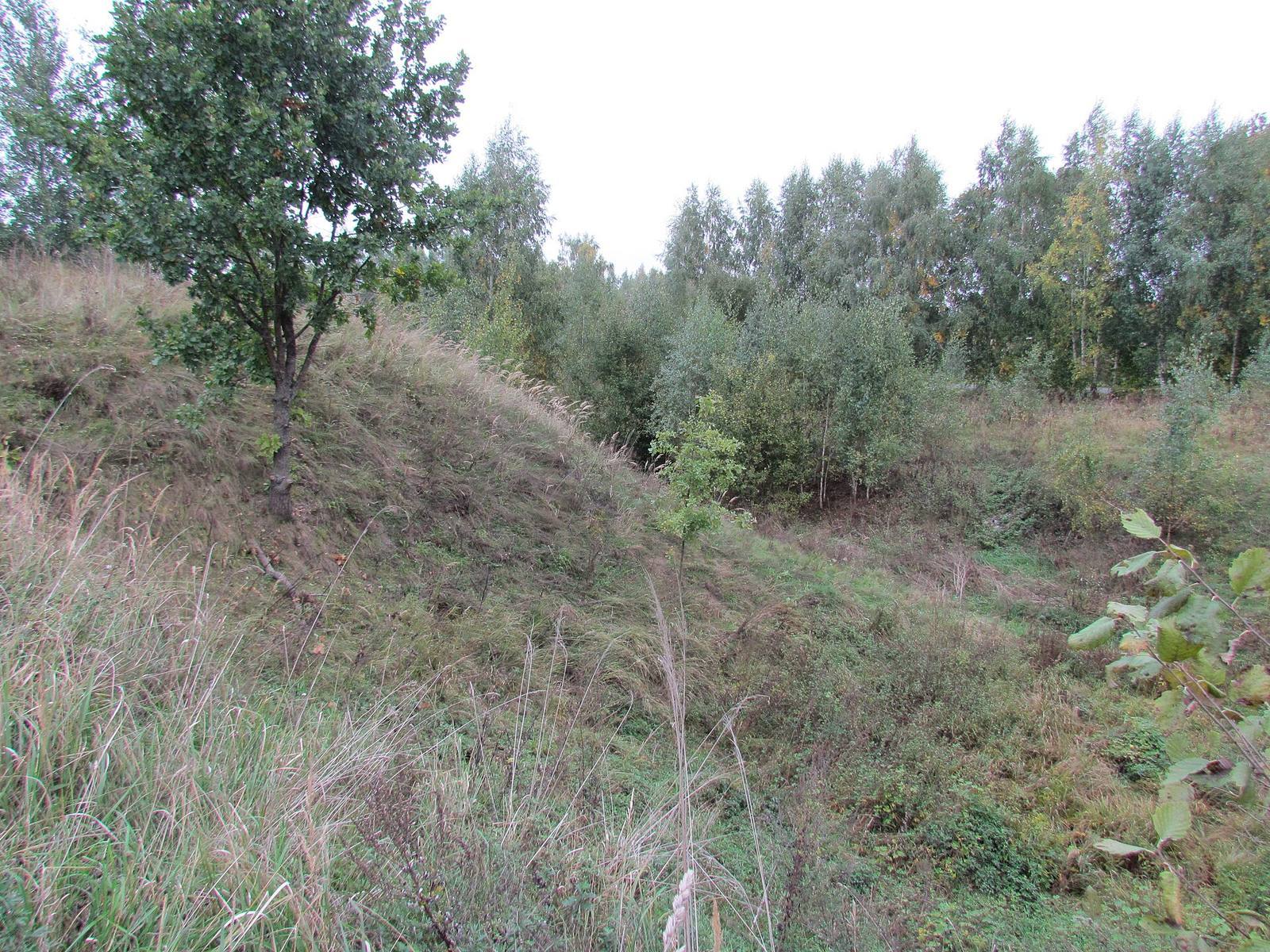
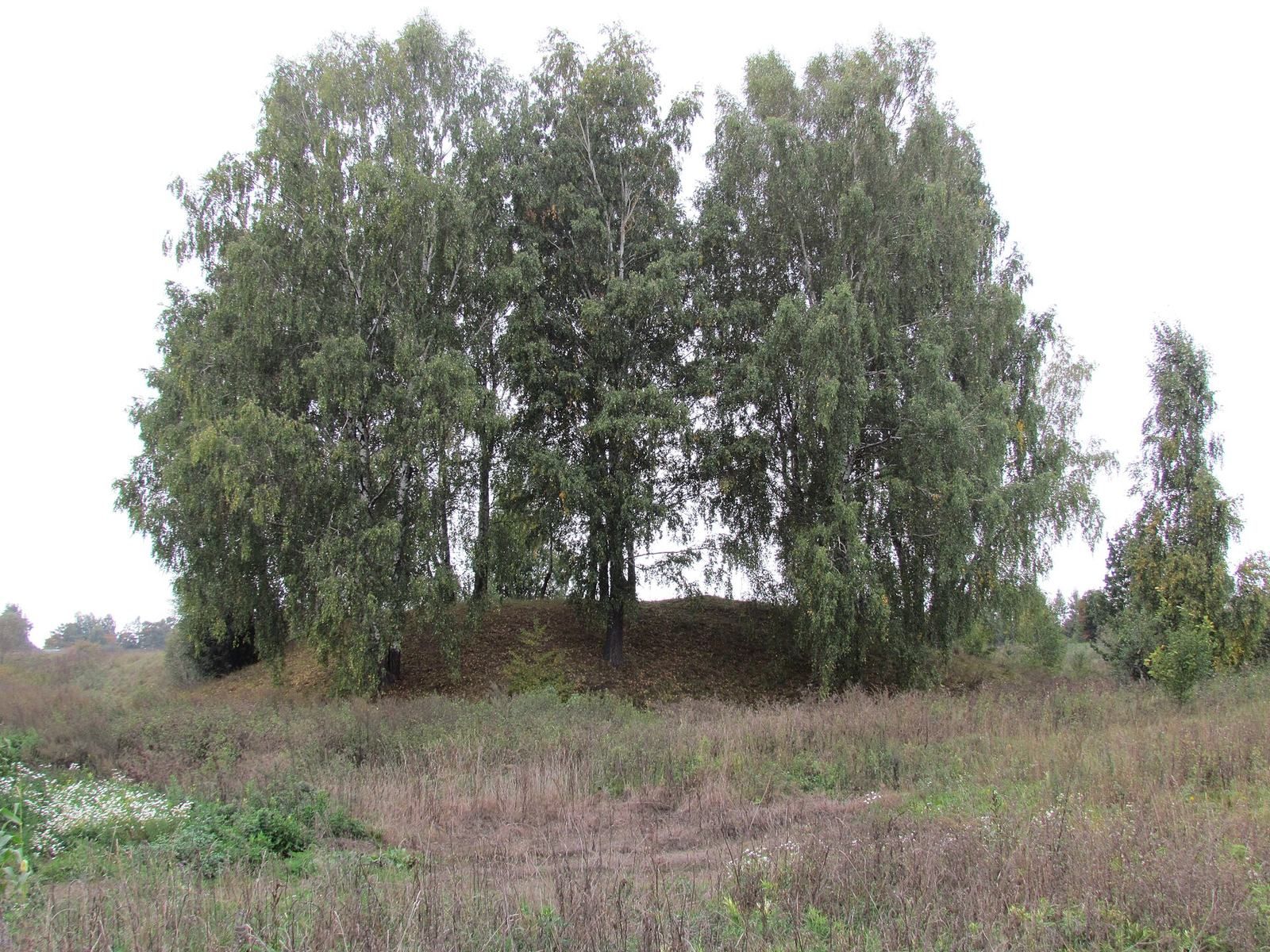
The surviving site has a regular four-sided plan measuring 100 by 107 metres. Its main features include three bastions, curtain walls (the stretches between bastions), ramparts, and surrounding ditches.
Bastions and ramparts
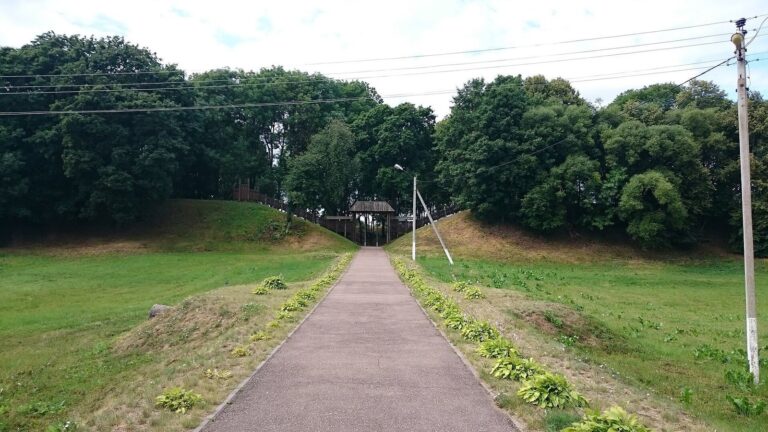
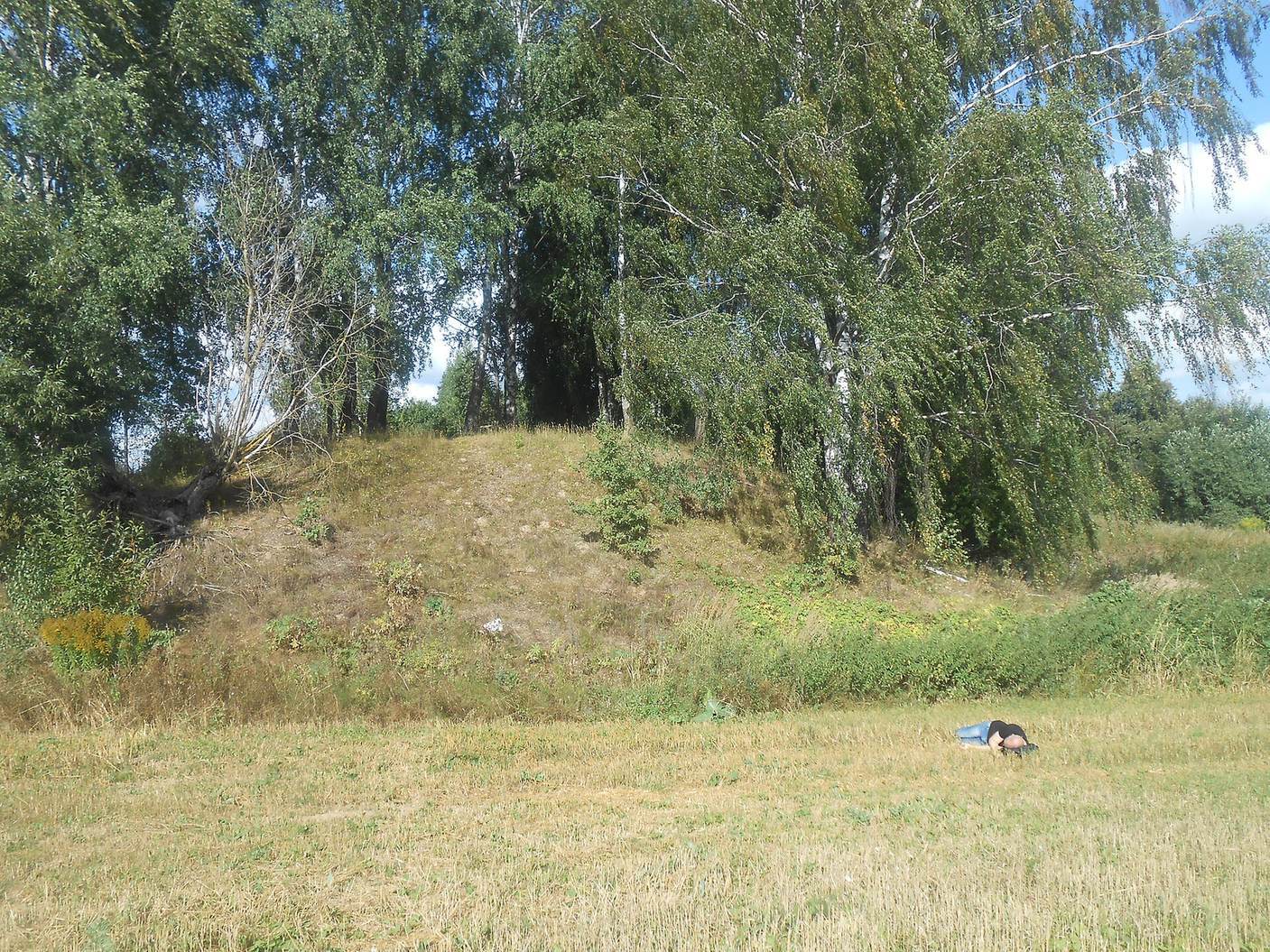
The bastions are square, with bases measuring 15 by 15, 14 by 14, and 13 by 13 metres. The northeastern bastion is identified among them. The ramparts rise to 5 metres and measure 15 to 20 metres across at their bases.
Ditches and proposed entrance
The surrounding ditches are 2 to 3 metres deep and 12 to 25 metres wide. The northern, eastern, and southern ditches apparently held water when the castle was in use, and water remains in the northern ditch. Ploughing has affected the southern side of the ditch system, while rubbish partly fills the southern stretch of the eastern ditch. Local residents say a farmstead once stood there. Researchers have proposed that the castle gate may have been at the northwestern corner.
Archaeological finds
Investigations recovered stove tiles, pottery, and bricks bearing finger impressions. These finds support dating the castle to the 16th–17th century.