Unryū-in Temple: An Imperially Founded Buddhist Sub-temple in Kyoto


Site at a Glance
- Rating
- 4.5
- Popularity
- Low
- Country
- Japan
- Primary era
- Early Modern
- External website
- Open
- Eras represented
- Medieval, Early Modern
- Civilizations
- Ashikaga shogunate, Tokugawa
- Site type
- Religious
- Remains
- Temple
On this page13 sections
History
Unryū-in Temple is a Buddhist sub-temple of Sennyū-ji in Kyoto, Japan, founded in 1372 during the Northern and Southern Courts period, the fourteenth-century era of competing imperial courts. Established at the imperial request of Emperor Go-Kōgon, it became a special head temple of the Sennyū-ji branch of the Old Shingon School, a Japanese tradition of esoteric Buddhism centered on ritual practice, mantras, and mandalas. Its founding abbot was the monk Chikugan Shuko, and its principal image is Yakushi Nyorai, the Buddha associated with healing and medicine.
Imperial foundation and medieval rebuilding
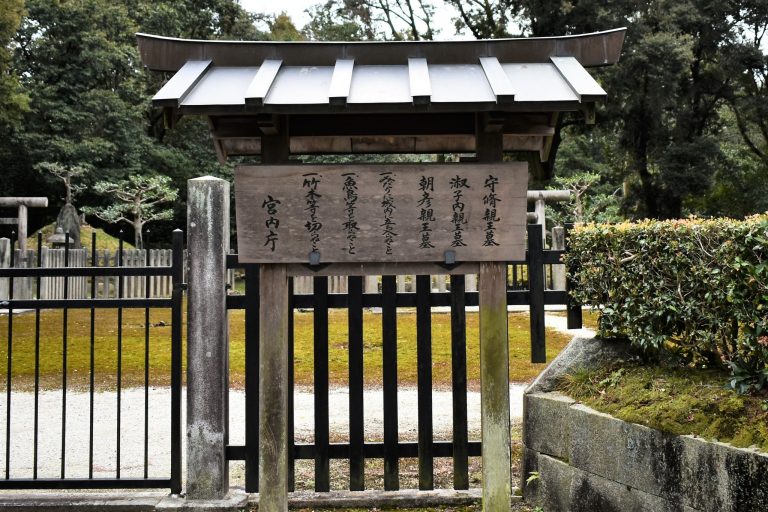
In 1389, Emperor Go-En’yū established the temple’s main hall, Ryūkaden. Emperors Go-Komatsu and Shōkō also revered Unryū-in. After their deaths, and after those of Emperors Go-Kōgon and Go-En’yū, a repository for imperial bone fragments was created on the rear mountain. These associations gave the temple a continuing funerary and memorial connection with the imperial household.
The temple buildings were destroyed by fire during an Ullambana observance in 1405. Ullambana is a Buddhist memorial rite for the dead, commonly involving offerings to ancestors. The buildings were rebuilt around 1428, but Unryū-in burned completely in 1470 during the Ōnin War, the civil conflict of 1467 to 1477 that caused widespread destruction in Kyoto. Only the sacred images of Emperors Go-Kōgon and Go-En’yū survived the fire. Restoration had apparently advanced by 1482, when a memorial service was held at the temple for Emperor Go-Hanazono.
Imperial gifts and Edo-period development
In 1502, Emperor Go-Kashiwabara presented Unryū-in with a building from the Kurodo Palace. Renamed Myōhō Shuden, it served as a hall for copying Buddhist scriptures. During the early Edo period, the monk Nyoshu Soshi incorporated the neighboring Ryukain into Unryū-in. After Emperor Go-Mizunoo learned of this development, he provided funds for construction work, including the rebuilding of the scripture-copying hall. In 1642, he donated more than 100 Buddhist implements for a memorial scripture-copying ceremony held on the 250th anniversary of Emperor Go-En’yū’s death.
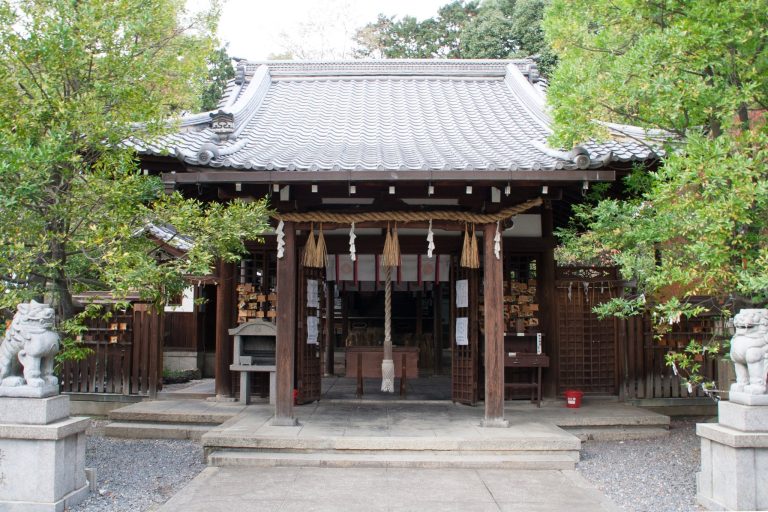
Imperial donations continued to support repairs and additions. The guardian shrine and bell tower were rebuilt, while quarters for monks were established to the east and west. Practitioners from different Buddhist schools gathered at Unryū-in for study, and the temple became associated with the education of many distinguished scholars. In the late Edo period, the imperial household presented the temple with its entrance hall, abbot’s quarters, and imperial envoy gate. Reimeiden, the hall containing memorial tablets of successive imperial family members, was rebuilt in 1869.
Religious and cultural associations
Unryū-in is associated with the fortieth temple of the Saigoku Yakushi pilgrimage and with the fifth stop of the Sen-zan Seven Lucky Gods pilgrimage, where it is linked with Daikokuten. Its cultural holdings include a portrait of Emperor Go-En’yū and ten shared volumes of the Lotus Sutra held by Sennyū-ji and Unryū-in. The main hall, the portrait, and the scripture volumes are designated Important Cultural Properties, a Japanese legal category for cultural assets considered important to the country’s history, arts, or culture. The main hall received this designation in 1966.
Remains
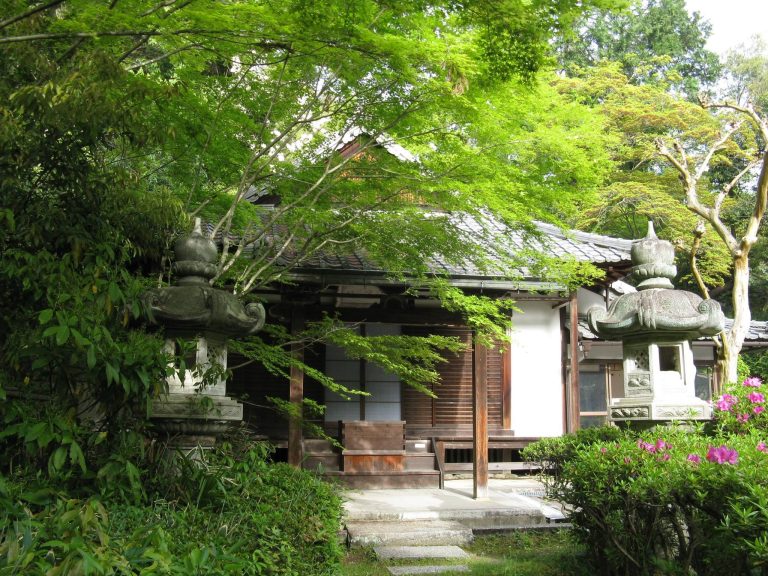
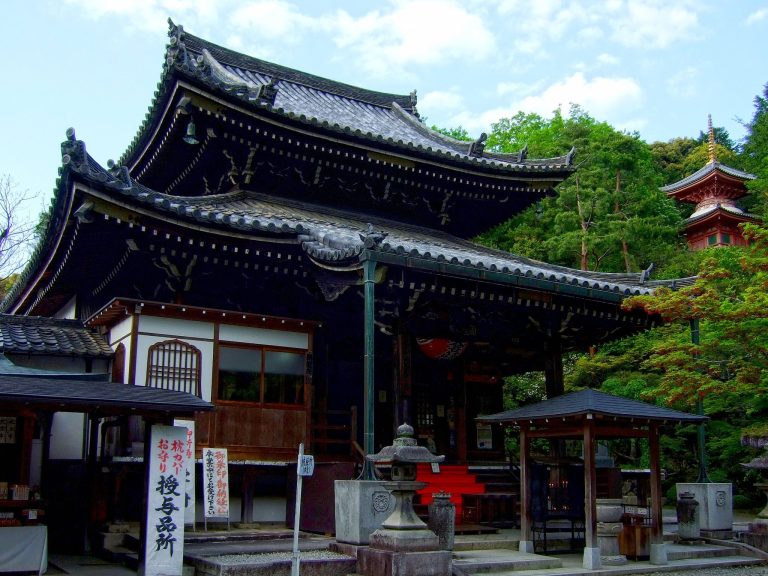
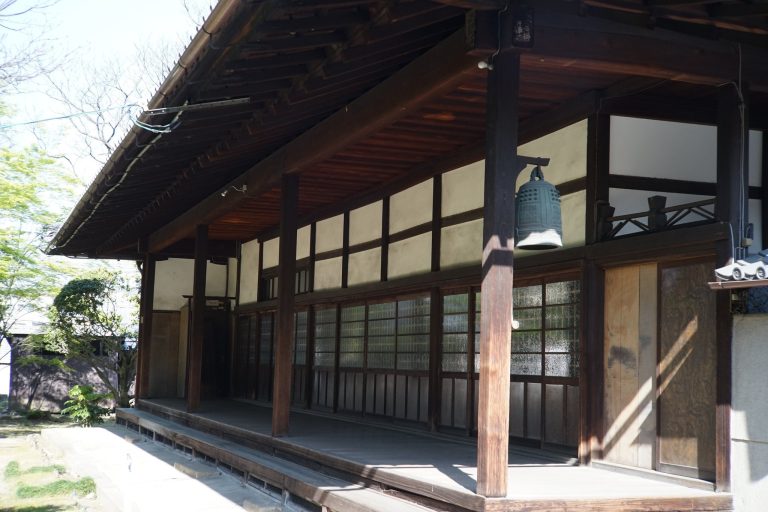
Unryū-in stands within the grounds of Sennyū-ji in Higashiyama, immediately south of and adjoining the head temple. Its surviving precinct includes the reconstructed main hall, memorial and residential buildings, religious structures, gates, service areas, and a dry-landscape garden. The arrangement combines buildings connected with imperial patronage and Buddhist practice with later structures from the Edo period and the years after its medieval fires.
Main buildings and garden
Ryūkaden
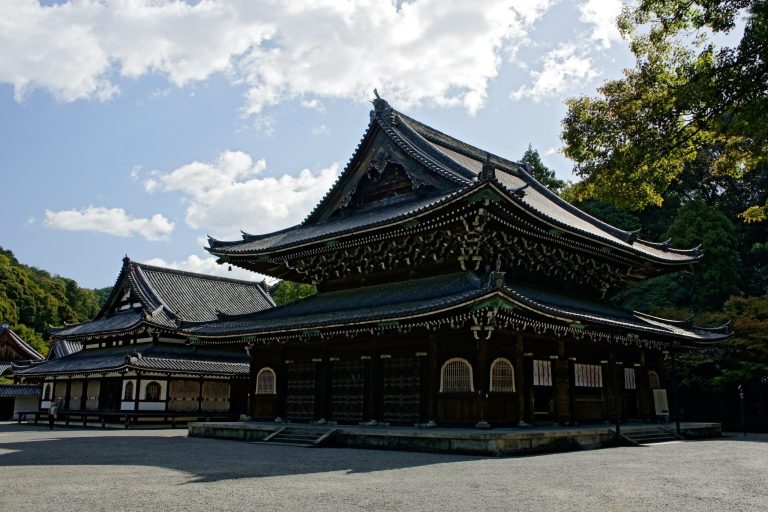
Ryūkaden, the main hall, was reconstructed during the Kan’ei period. It measures approximately 13.8 by 12.9 meters and has a hipped roof covered with overlapping wooden shingles. The hall is the setting for the temple’s principal image, a Kamakura-period Yakushi triad. A seated Yakushi Nyorai occupies the center, with the standing bodhisattvas Nikko and Gakko as attendants.
Reimeiden and imperial buildings
Reimeiden was rebuilt in 1869 and houses memorial tablets for members of the imperial family. It also contains painted images of Emperors Go-Kōgon and Go-En’yū, both produced during the Northern and Southern Courts period. Each emperor is shown in colored robes and wears an eboshi cap. The late Edo-period entrance hall, abbot’s quarters, and imperial envoy gate were gifts from the imperial household. The abbot’s quarters, or shoin, include a feature called the “Window of Enlightenment.”
Other precinct structures
Other buildings within the grounds include the kitchen and service quarters, bell tower, and mountain gate. A stone lantern donated by Tokugawa Yoshinobu also stands in the temple precinct. Together, these structures preserve elements of the temple’s religious, residential, and ceremonial functions.
Dry-landscape garden
The temple garden is a dry-landscape garden, a composition that represents natural scenery with arranged stones, gravel, and limited vegetation instead of ponds or flowing water. Two of its stones are traditionally identified as foundation stones from the Great Buddha Hall built by Toyotomi Hideyoshi at Hoko-ji in Higashiyama-Shichijo.
Images, inscriptions, and manuscripts
Religious images
Among the temple’s religious images is a standing figure of Daikokuten known as the “Running Daikoku,” made during the Muromachi period, the era broadly associated with the Ashikaga shogunate. A plaque inscribed “Ryuen” was written by Oishi Yoshio, also known as Oishi Kuranosuke.
Imperial portrait and Lotus Sutra
The Important Cultural Property portrait of Emperor Go-En’yū is a colored painting on silk by Tosa Mitsunobu. It bears an inscription written in the emperor’s own hand by Emperor Go-Tsuchimikado. The ten-volume Lotus Sutra shared by Sennyū-ji and Unryū-in includes a colophon in its eighth volume written in the hand of Emperor Go-Nara.